
Pisa beyond the tower
Most visitors leave in two hours — this shows the city is larger.
Sailko — CC BY 2.5 · Bärwinkel,Klaus — CC BY-SA 4.0 · Bärwinkel,Klaus — CC BY-SA 4.0 · Francesco Bini — CC BY-SA 4.0
A national museum inside Pisa's royal palace, on the bank of the Arno in the city centre. The palace served the Medici, then the House of Lorraine, then the kings of a unified Italy, and that succession explains the collection: what you see is what its occupants left over centuries — paintings, furniture, arms, tapestry and personal possessions. Among its sections are historic dress and costume, scientific instruments, and a collection of paintings by Tuscan names. What makes it worth attention is the contrast with the rest of Pisa: almost every visitor to the city goes to the Field of Miracles — the leaning tower, the cathedral and the baptistery — and leaves the same day. This palace is a ten-minute walk from there and is close to empty. If you give Pisa a full day instead of two hours, this is among the best ways to fill it, and it shows you the city is larger than its tower. Hours are limited with a weekly closing day, so check before going.
Most visitors leave in two hours — this shows the city is larger.
The palace sits directly on the river, and the bank walk is fine in itself.
Medici, Lorraine, then Italy's kings — each left something behind.
Lungarno Pacinotti, on the bank of the Arno
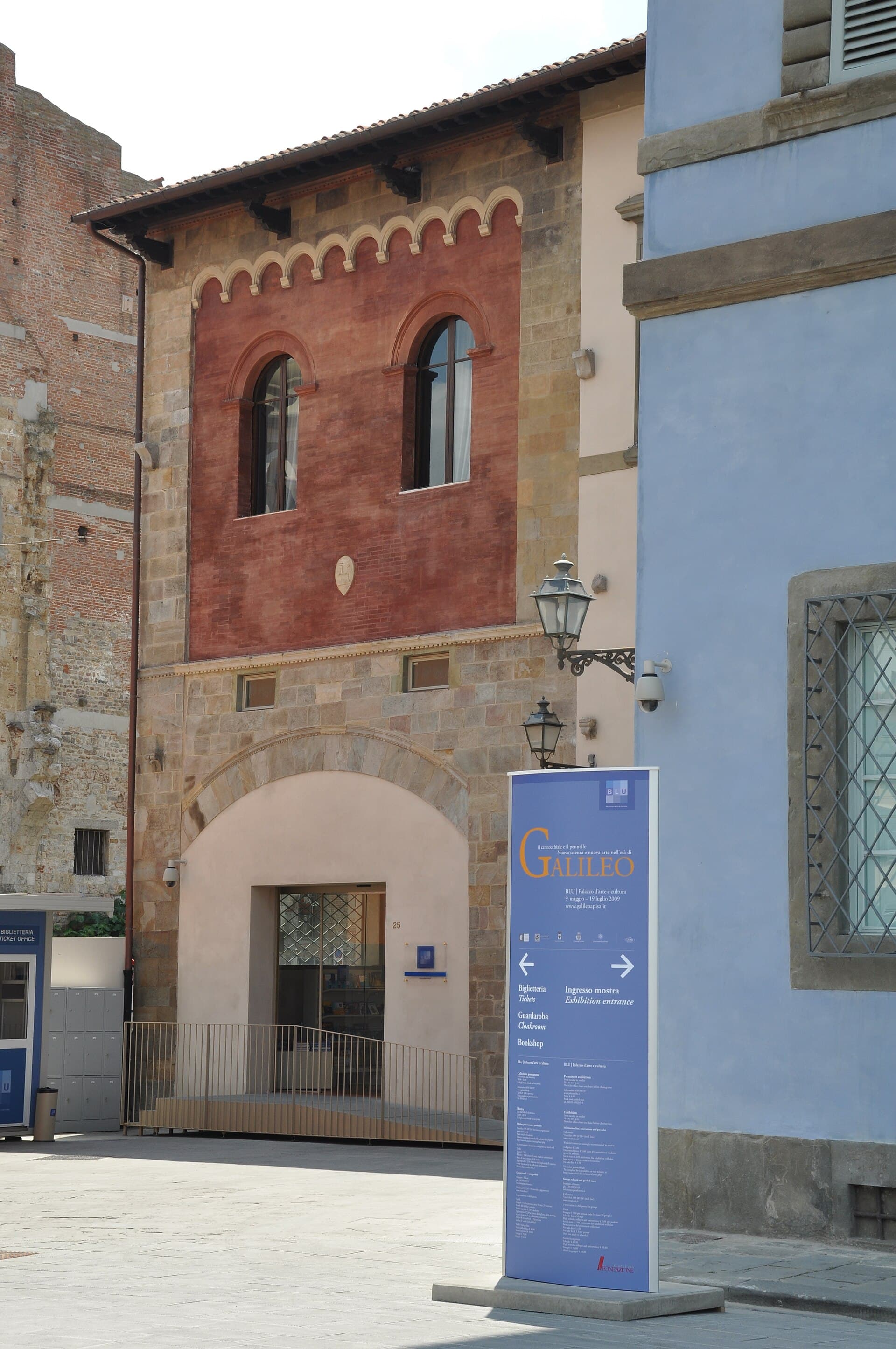 Palazzo BluOn the Arno's bank glows the Blue Palace — its odd sky colour an eighteenth-cent2 minutes walk4.4
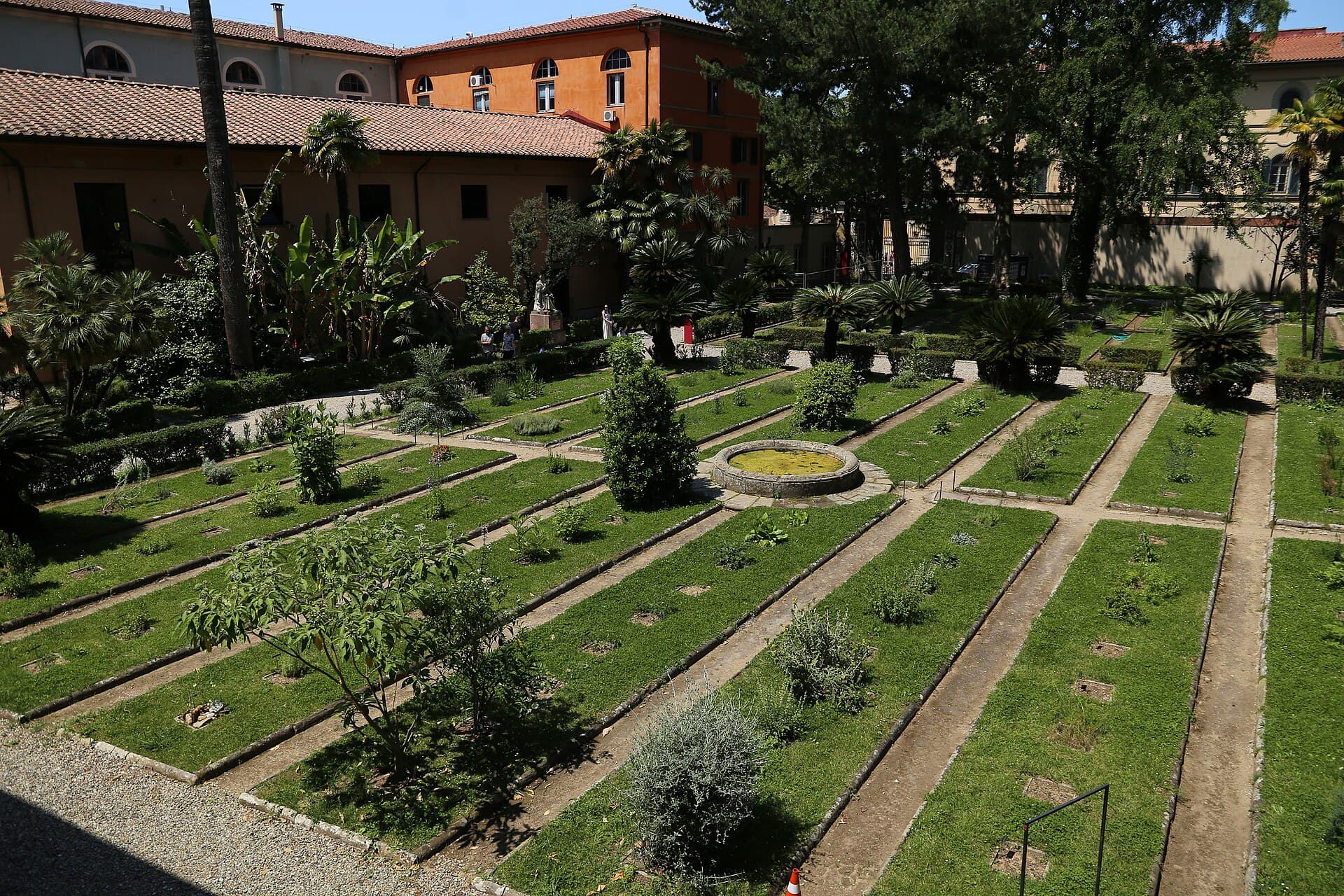 Pisa Botanical GardenIn 1543 — some sources say 1544 — Cosimo I de' Medici ordered a garden planted s5 minutes walk4.3
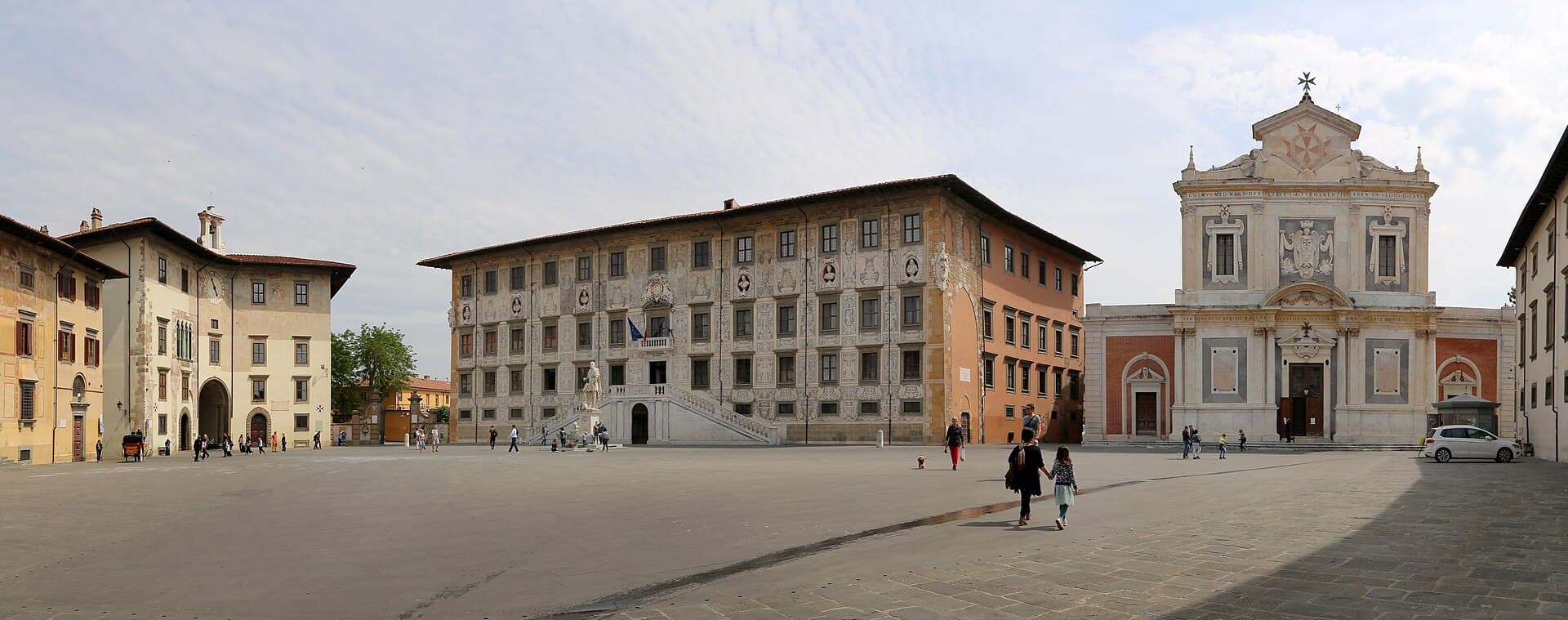 Piazza dei CavalieriThe Knights' Square is the second Pisa the tower crowds miss: the city's Roman f5 minutes walk4.7
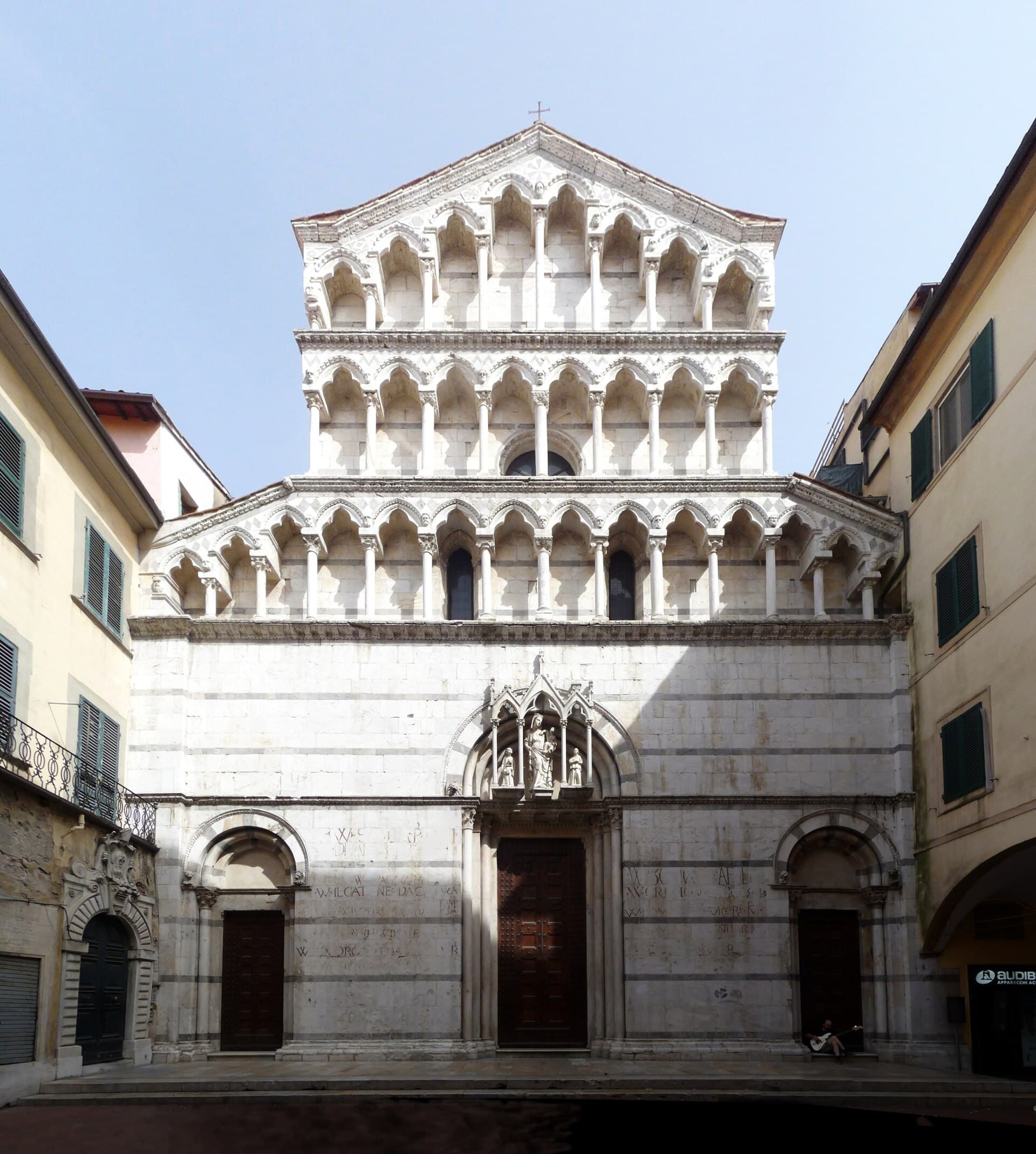 San Michele in BorgoIn 1597 and 1598, on the marble front of this church in the middle of Pisa's bus6 minutes walk4.5
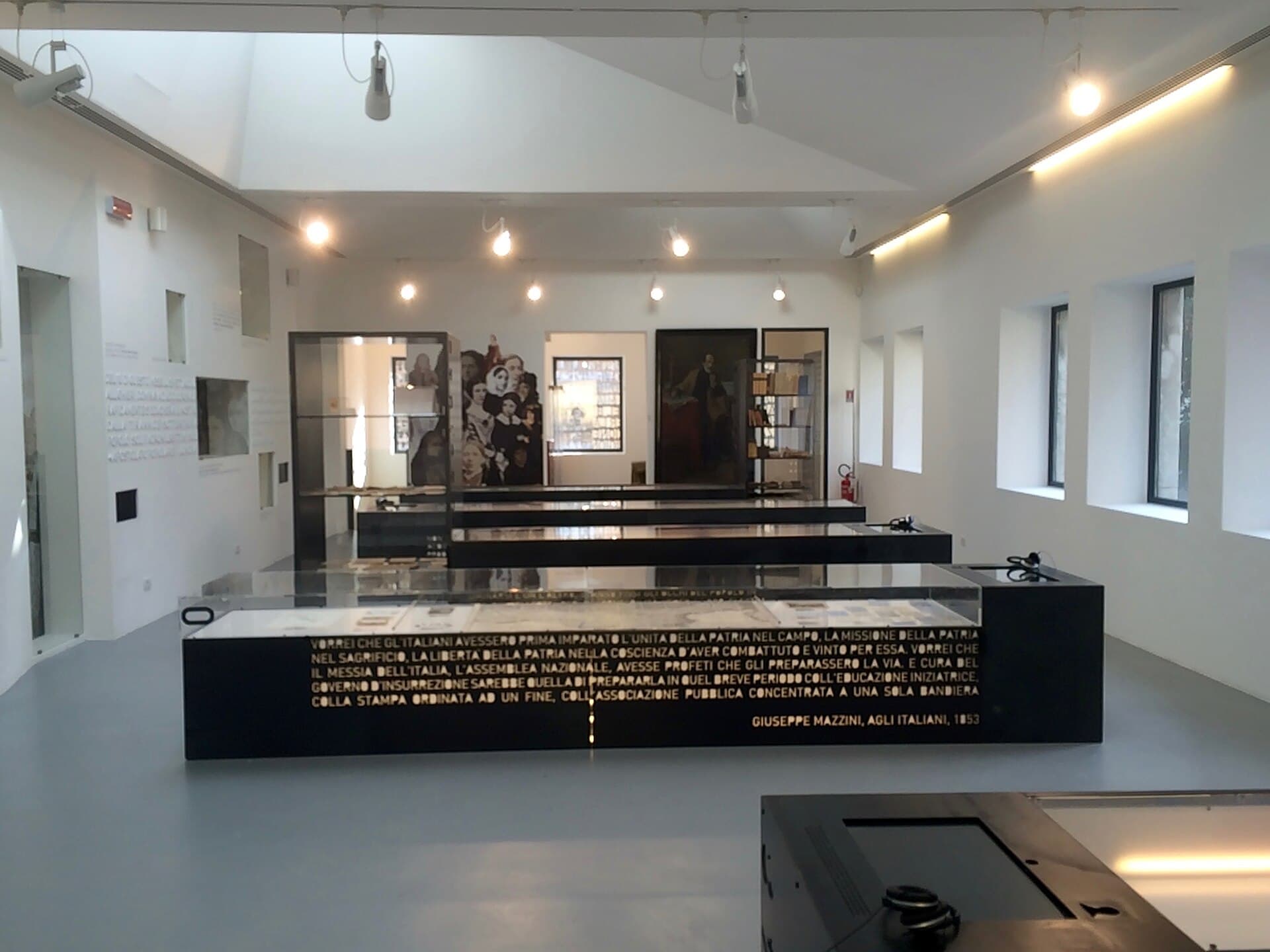 Domus MazzinianaThe man who imagined Italy before it existed died inside it under an English ali7 minutes walk4.6
Yes, if you want to see a city rather than a photograph. The Field of Miracles is astonishing but detached from Pisa's life, while the city itself has a fine riverbank, an old university, markets, churches and the Piazza dei Cavalieri with its decorated buildings. This museum is a good place to start that longer day.
Normally no — it is quiet and rarely fills. But its hours are limited and it has a weekly closing day, and that is the real risk: arriving to find it shut. Check the hours on the day before walking over.