
The Laocoön under Romanesque arches
Casts of the most famous Greek and Roman sculptures standing in a 12th-century church long closed to worship.
Sailko — CC BY 3.0 · Sailko — CC BY 3.0 · Sailko — CC BY 3.0 · Sailko — CC BY 3.0
The Laocoön wrestles his serpents beneath the arch of an empty Romanesque church, and a stretch of the Parthenon frieze runs along the opposite wall. Almost nothing in the nave is original — and that is not a disappointment, it is the entire point. What fills San Paolo all'Orto are white plaster casts taken from Greek and Roman sculptures now scattered between London, Rome and Athens, assembled so that archaeology students at the University of Pisa could draw them, measure them and walk around them. The effect is strange and rather moving: a 12th-century church long closed to worship and stripped of its altars, occupied by a silent white army of gods and heroes. The collection was begun in 1887 by the archaeologist Gherardo Ghirardini, following the German university model of the day: rather than send the student to the museums, bring the museums to him at full scale. It moved into the church in 2005, and shares the space with the Antiquarium — the part that is real rather than reproduced: some 1,500 original pieces, Attic black- and red-figure pottery, Etruscan vessels, architectural terracottas and small objects in glass and metal. Not all of it is out at once, though: the Antiquarium is shown in rotating thematic displays, so you see a slice of it rather than the whole. Be honest with yourself about the time. This is one hall, and forty unhurried minutes exhausts it. Entry is completely free and needs no booking, but the hours are university hours, not tourist hours — closed Sunday and Monday, shut between one and three in the afternoon, and on Saturday open only from three — so it is easy to walk across town and find the door locked. It is not a substitute for the Field of Miracles and does not pretend to compete with it. If you have only one day in Pisa, skip it without regret. So who is it for? Anyone staying a full night in Pisa, and anyone tired of the crush around the Leaning Tower who wants half an hour somewhere almost nobody else has found — the museum takes around four thousand visitors in a whole year. The church sits on a small square east of the centre, a quarter of an hour on foot from the tower and under ten minutes from Piazza dei Cavalieri, in the quarter where Pisa's students actually live — with inexpensive cafés and trattorie around nearby Borgo Stretto. The hall is at ground level and laid out as a single accessible route, which makes it easy for older visitors and pushchairs, and children respond to the huge white figures far more than you would expect.
Casts of the most famous Greek and Roman sculptures standing in a 12th-century church long closed to worship.
Some 1,500 genuine pieces — Attic pottery, Etruscan vessels, architectural terracottas — shown in rotating selections.
A quiet student quarter east of the centre, with no queues and nobody selling miniature leaning towers.
Piazza San Paolo all'Orto 20, 56127 Pisa, Italy
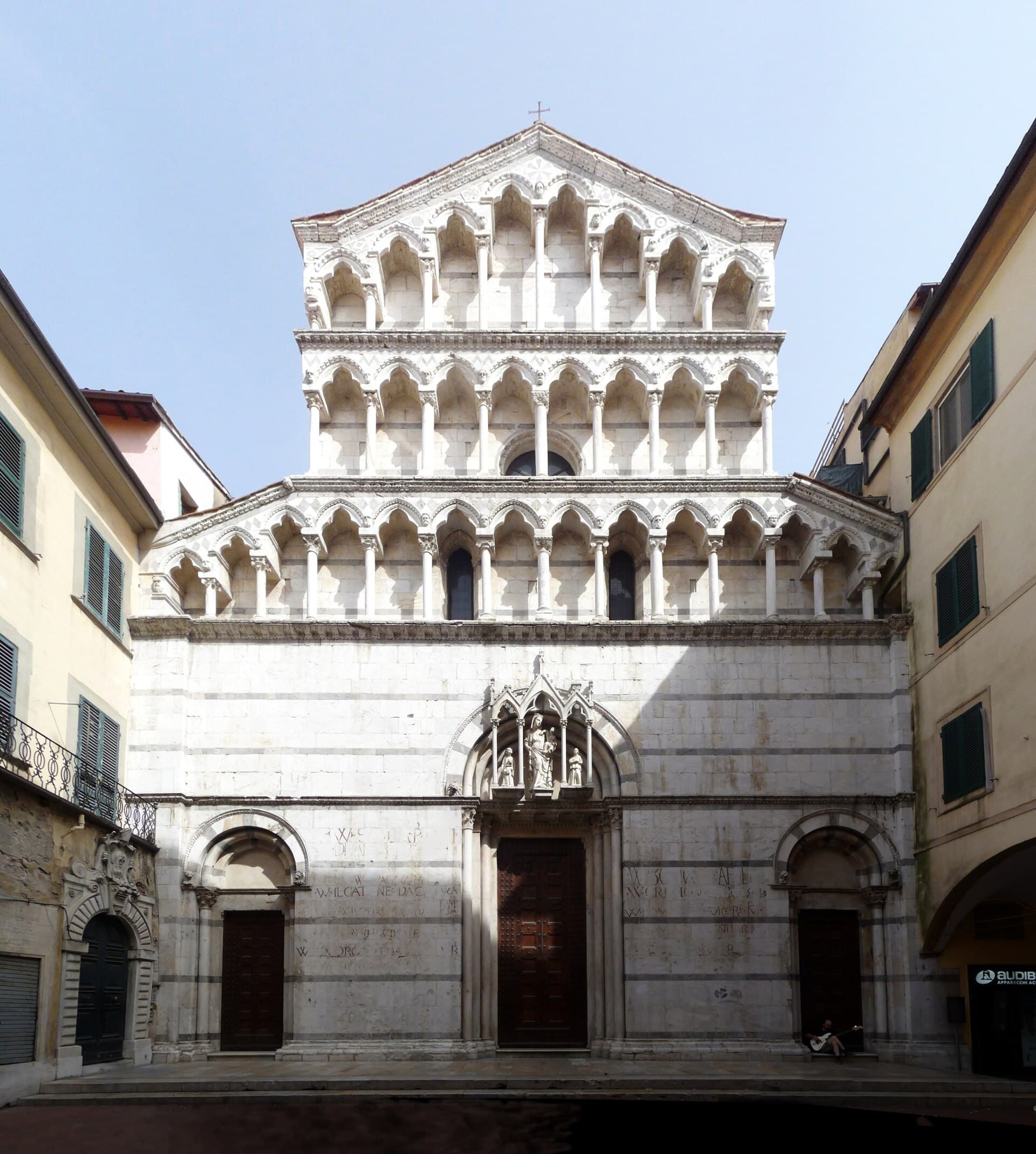 San Michele in BorgoIn 1597 and 1598, on the marble front of this church in the middle of Pisa's bus2 minutes walk4.5
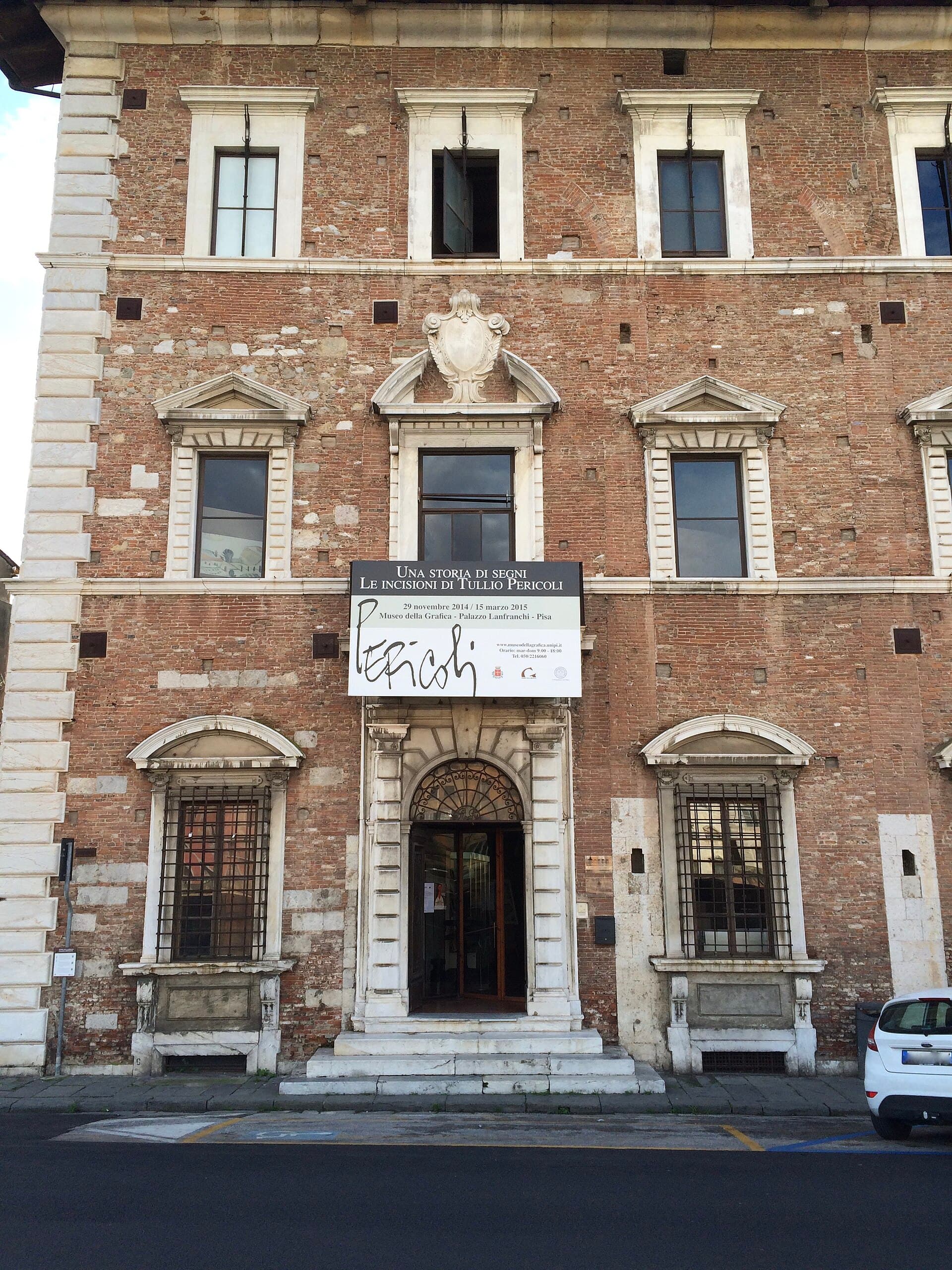 Museo della Grafica – Palazzo LanfranchiFrom the upper windows of Palazzo Lanfranchi the Arno runs between two banks of 5 minutes walk4.2
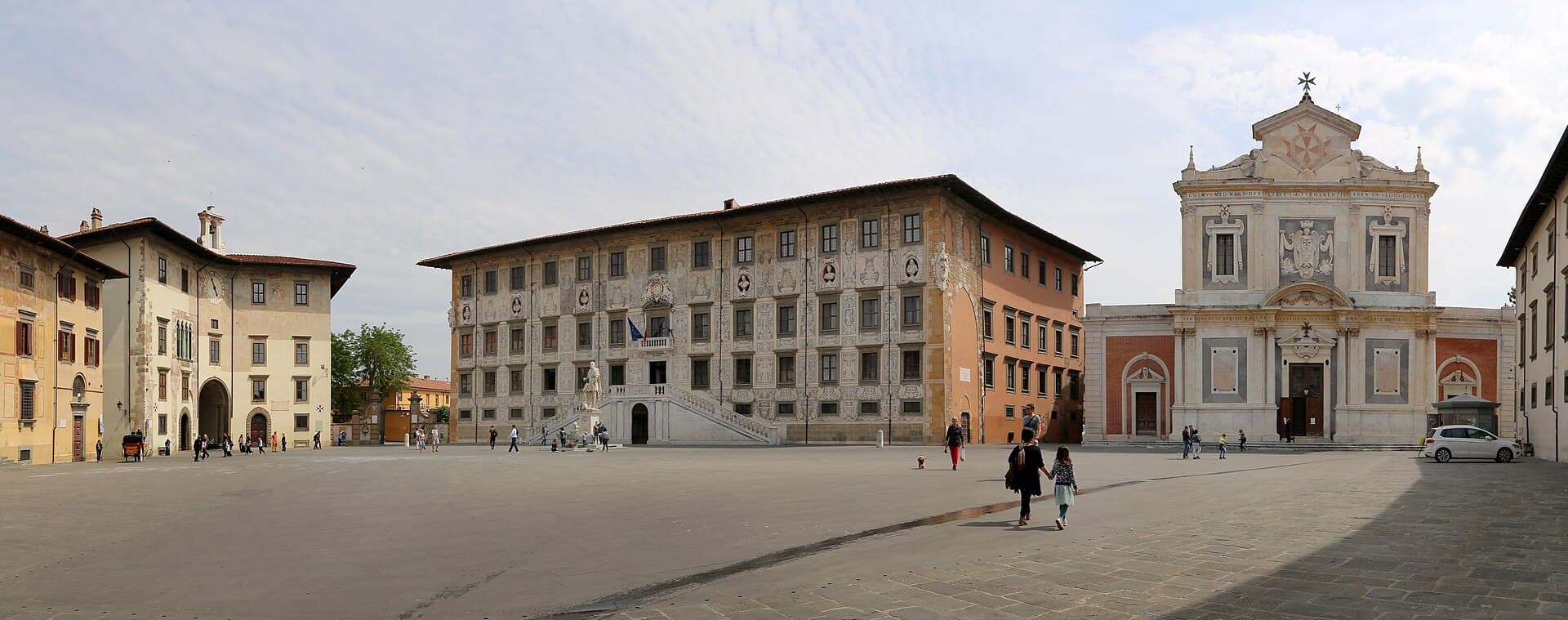 Piazza dei CavalieriThe Knights' Square is the second Pisa the tower crowds miss: the city's Roman f5 minutes walk4.7
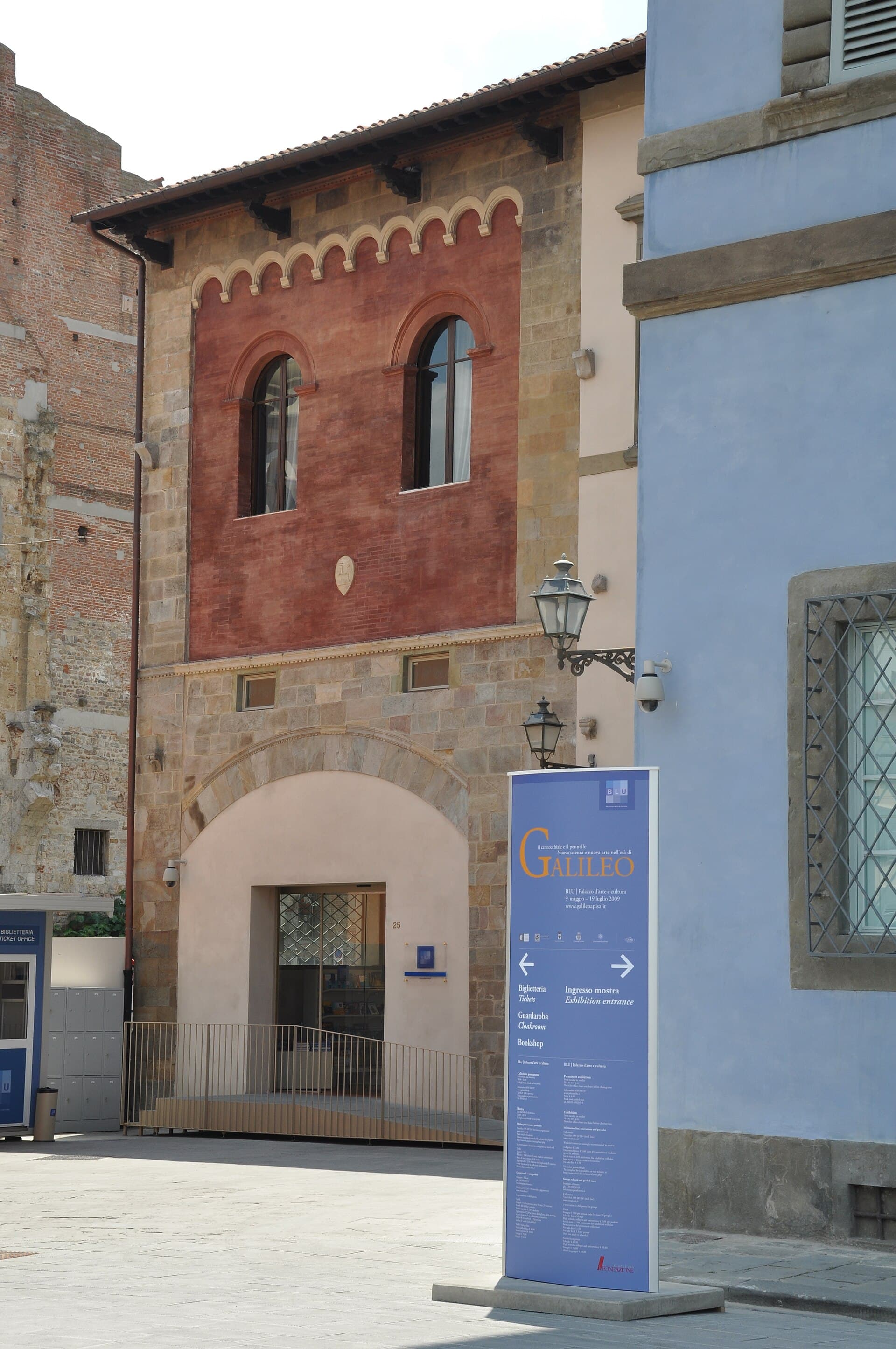 Palazzo BluOn the Arno's bank glows the Blue Palace — its odd sky colour an eighteenth-cent7 minutes walk4.4
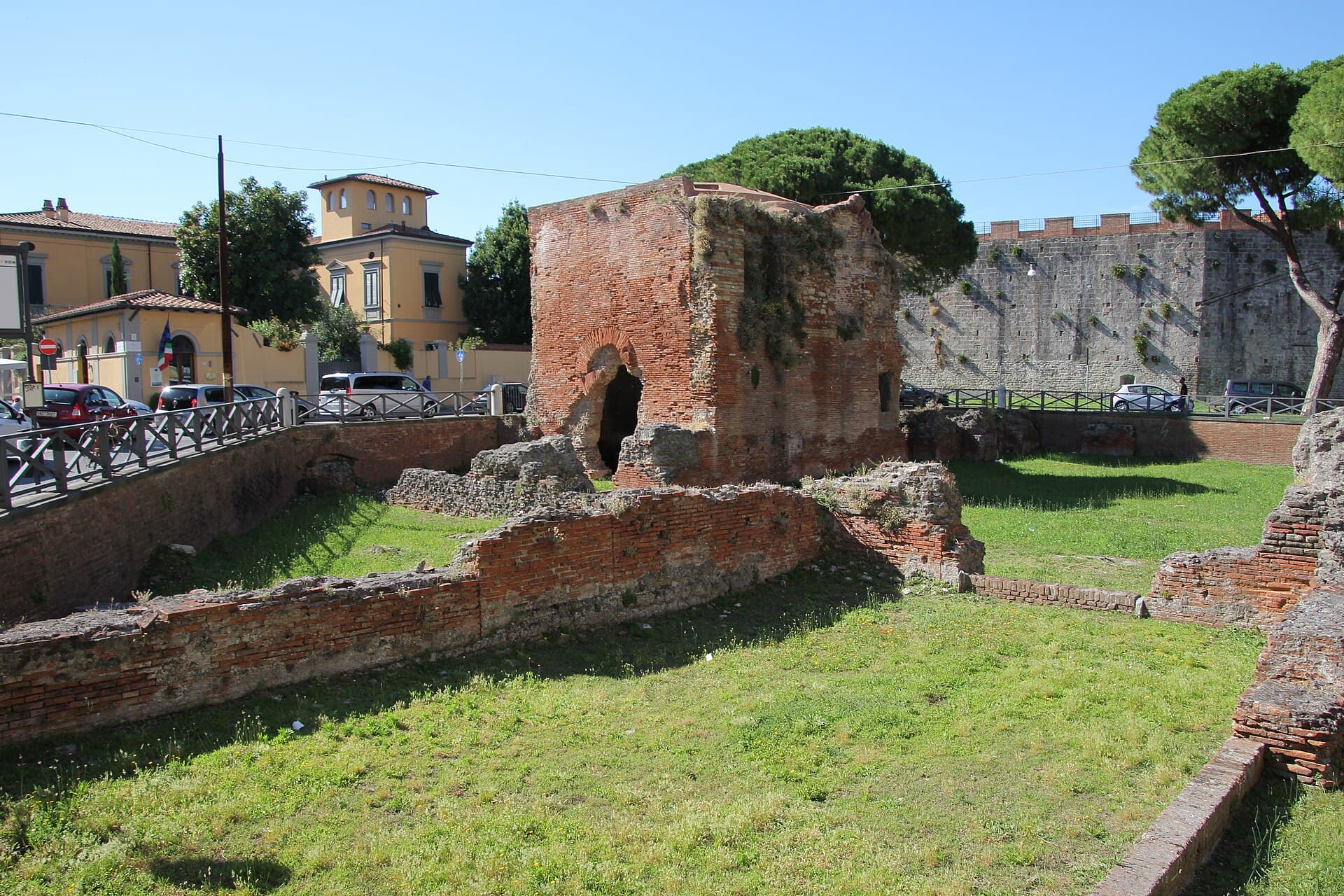 Baths of NeroThe name lies to you with total confidence. Nero neither built these baths nor e7 minutes walk4.0
No. One day belongs to the Field of Miracles — tower, cathedral, baptistery, Camposanto — then lunch and a train. The Gipsoteca is a second-day visit, or one for anyone staying the night, or for whoever happens to pass during its short opening hours and wants a free, quiet half hour away from the crowds.
Yes — general admission is free, with no ticket and no reservation; you simply walk in during opening hours. Booking is required only for guided tours (5 euro per person, minimum five people) and for school or family workshops. The practical issue is not booking but timing: check the hours on the official site before walking over, since they follow the university calendar and the museum can close for building work, as it did in January 2026.