
Roman Bordeaux
Excavation here uncovered remains of Burdigala, a capital of Aquitania.
Als33120 — CC BY-SA 4.0 · Marc Ryckaert (MJJR) — CC BY 3.0 · Ardfern — CC BY-SA 3.0 · Ardfern — CC BY-SA 3.0
A square in the Saint-Pierre quarter of historic central Bordeaux, ringed by cafés and restaurants, named after the historian Camille Jullian, a specialist in Roman Gaul. The name suits its position: excavation in this area uncovered Roman remains, and Bordeaux — Roman Burdigala — was an important city in the province of Aquitania. The Saint-Pierre quarter stands over the city's Roman core, and its network of narrow streets follows the old plan in places. The square today is among the liveliest points in Bordeaux in the evening: cafés with outside tables and constant movement, the centre of nightlife in the historic quarter. The whole Saint-Pierre quarter rewards walking: narrow lanes, small squares and historic gates such as the Porte Cailhau. It is the oldest part of Bordeaux and the most unlike the broad classical eighteenth-century streets the city is known for. Practical point: free and always open, and the visit is minutes on a walk through the quarter.
Excavation here uncovered remains of Burdigala, a capital of Aquitania.
Narrow lanes entirely unlike the broad eighteenth-century streets.
Cafés and outside tables — the quarter changes entirely after dusk.
Saint-Pierre quarter, historic central Bordeaux
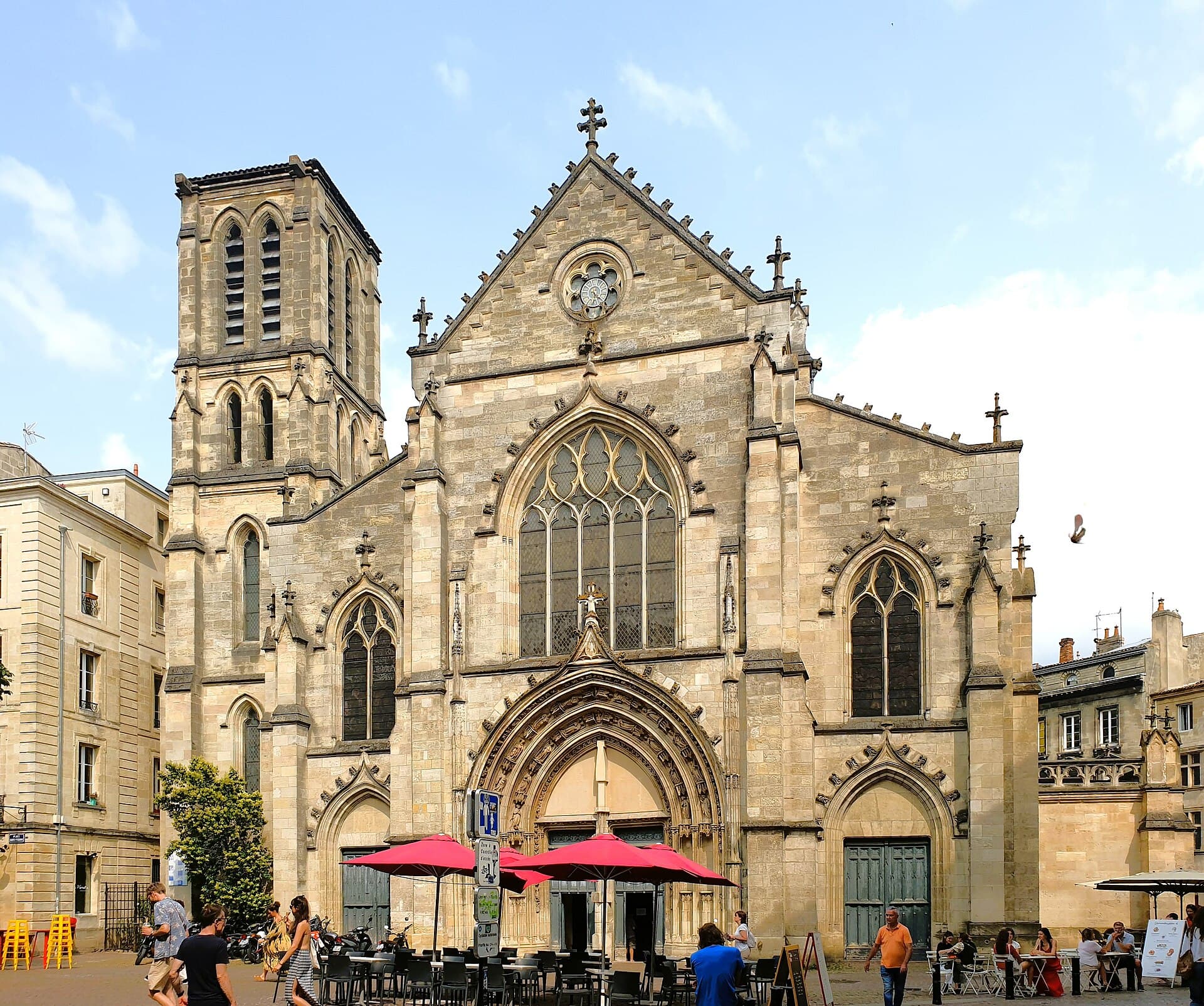 Saint Peter's Church and its SquareA Gothic church and the square carrying its name in the heart of historic Bordea2 minutes walk4.7
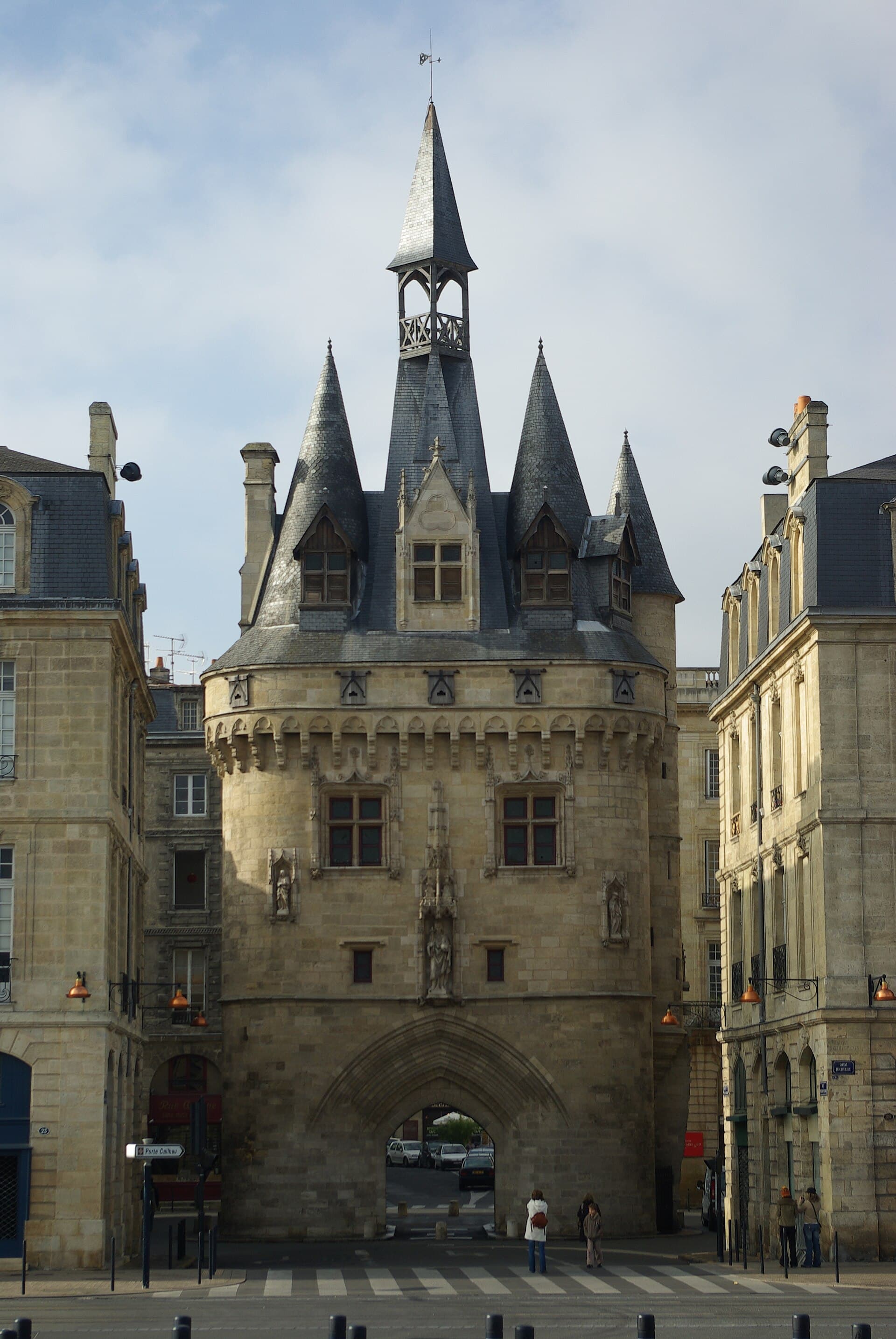 Porte CailhauThe Porte Cailhau is Bordeaux's loveliest old gate: a white tower of 1495 with p3 minutes walk4.5
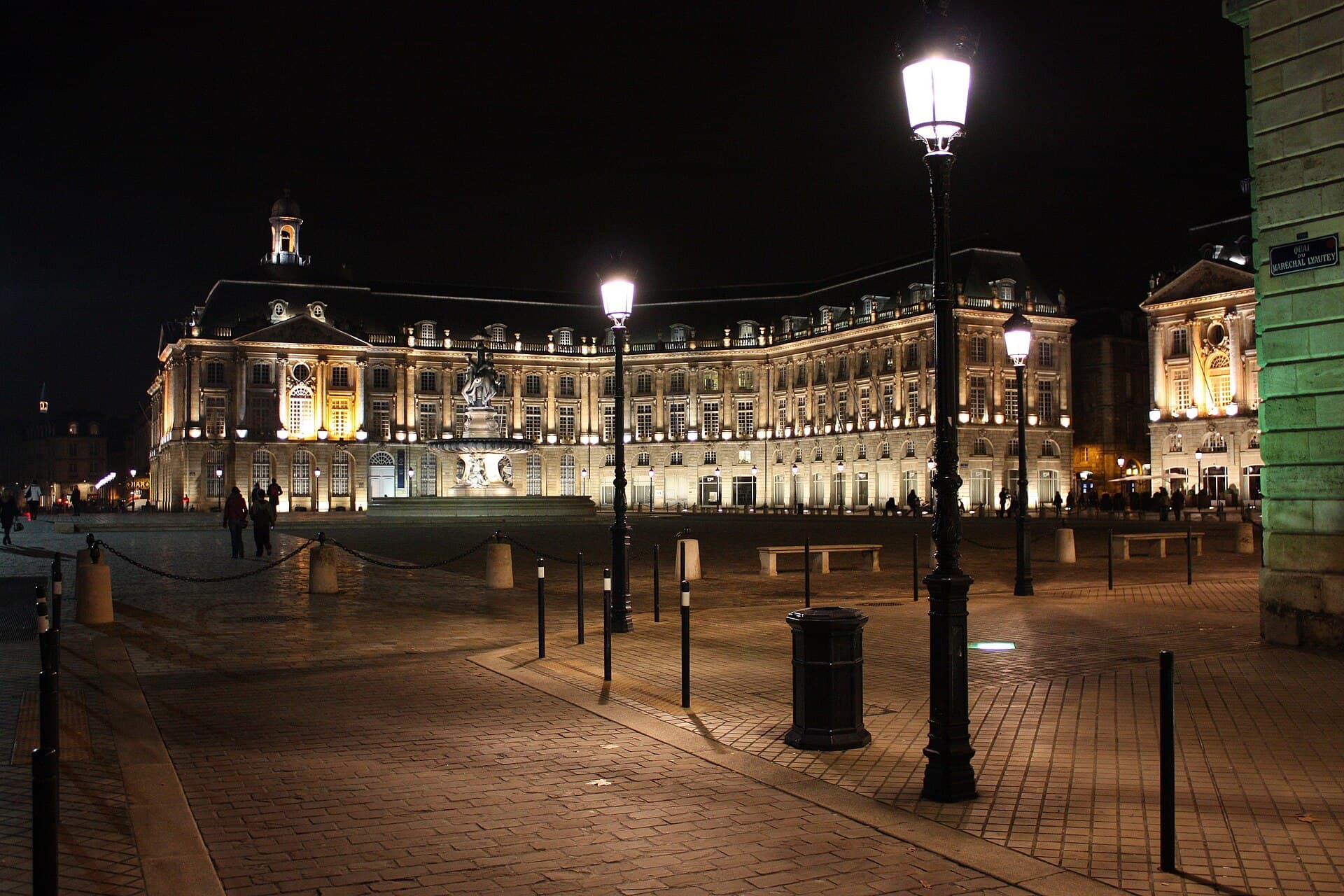 National Customs MuseumA small, unexpected museum at the grandest address in Bordeaux: inside the **Pla4 minutes walk4.5
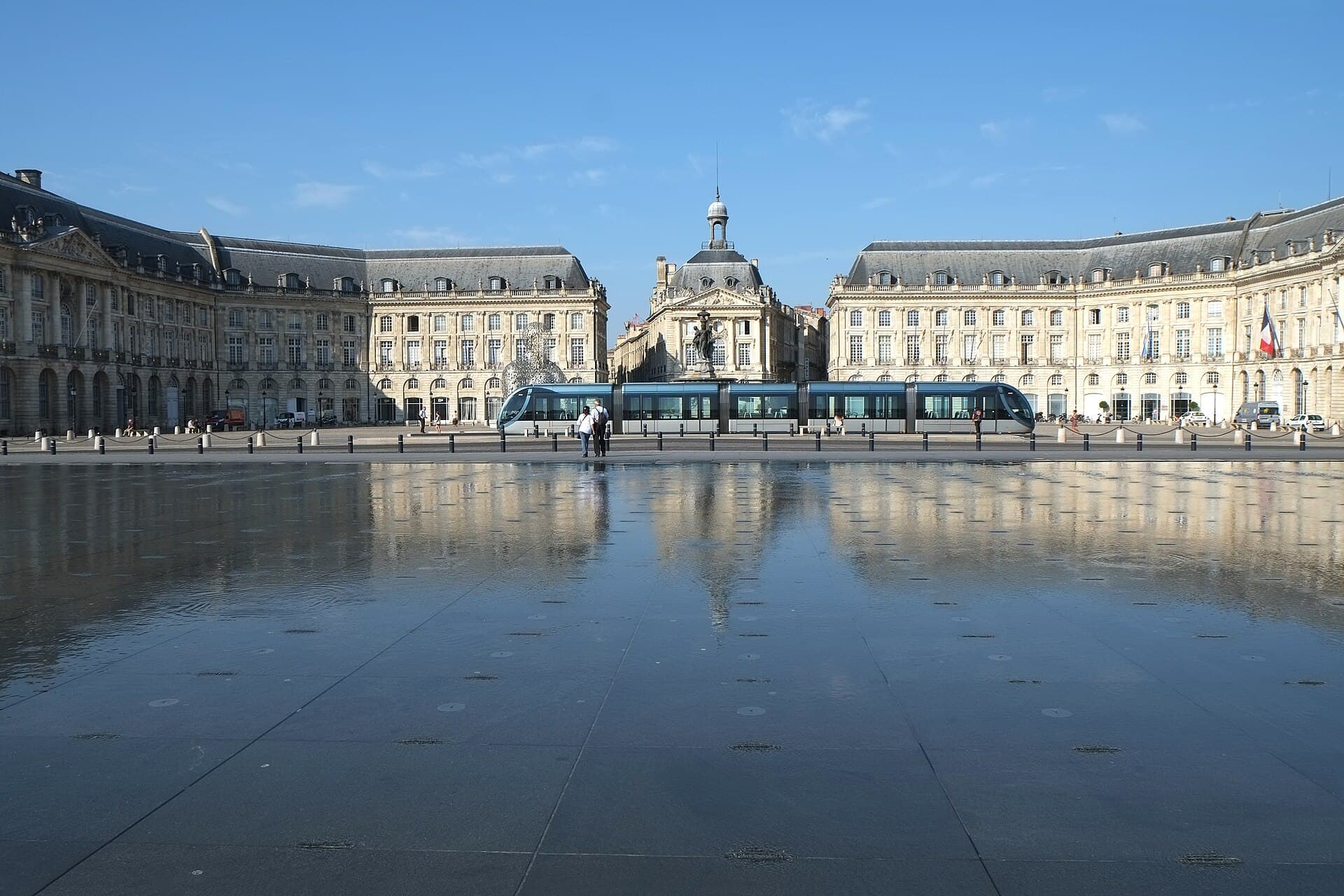 Place de la Bourse & Water MirrorThe Place de la Bourse is Bordeaux's royal face: a half-circle of symmetrical ei4 minutes walk4.6
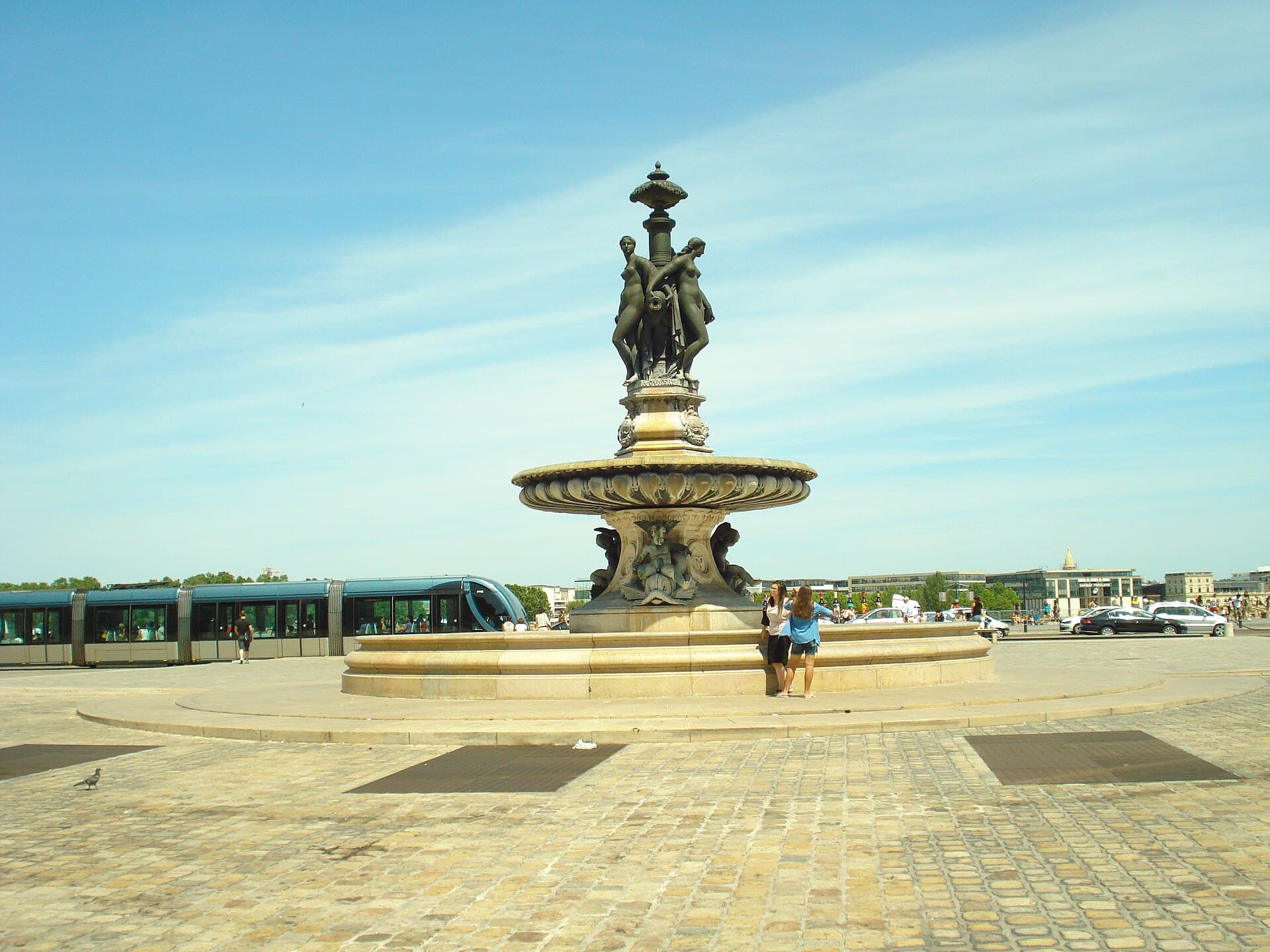 Fontaine des Trois GrâcesA marble fountain at the centre of the Place de la Bourse in Bordeaux, the focal4 minutes walk4.7
Bordeaux is known for its uniform classical eighteenth-century frontages — wide streets, pale stone and strict symmetry, which is what made it World Heritage. Saint-Pierre is older than that: narrow winding lanes and small squares dating to the Middle Ages and before. The difference between the two fabrics is obvious within minutes of walking.
Late afternoon into the evening: the cafés put out their tables and the quarter fills. By day it is quiet and good for seeing the architecture and historic gates without crowds. The two are entirely different and both are worth it.