
Revising the victim account
Austria long presented itself as Hitler's first victim — the museum is part of revising that.
[Stephan Neuhaeuser] — CC BY-SA 4.0 · בר — CC BY-SA 3.0 · [Stephan Neuhaeuser] — CC BY-SA 4.0 · [Stephan Neuhaeuser] — CC BY-SA 4.0
A museum opened in 2018 inside the Neue Burg wing of the Hofburg palace, covering modern Austrian history from 1918 — the collapse of the Austro-Hungarian empire — to the present. That period is the hardest part of the Austrian story: the end of the empire, the First Republic, the brief civil war of 1934, the annexation into Nazi Germany in 1938, Austrian participation in the Nazi era, then occupation and the rebuilding of the state. The museum avoids none of it. The crucial point is that for decades after the war Austria presented itself as Hitler's first victim, a account substantially revised in recent decades. The museum is part of that revision, and shows complicity alongside resistance. The location is symbolic: inside the imperial palace itself, at the balcony from which Hitler proclaimed the annexation in 1938. The museum is modern in presentation and not large, and is seen in about ninety minutes.
Austria long presented itself as Hitler's first victim — the museum is part of revising that.
The location is not incidental: this is where the annexation was proclaimed.
The display does not choose a comfortable account but shows both.
Neue Burg, Hofburg Palace, Vienna
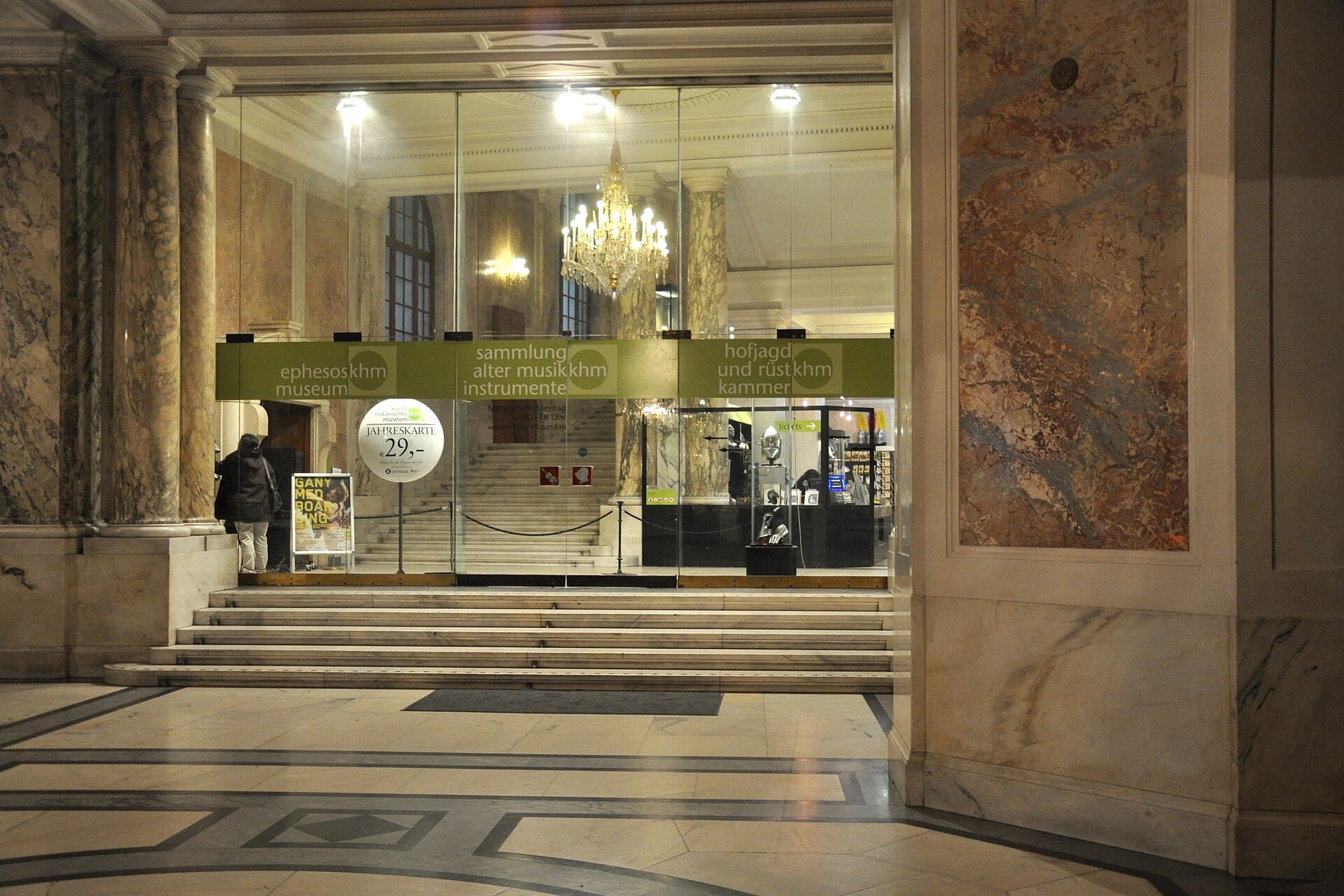 Collection of Historic Musical InstrumentsOne of the world's most important collections of historic musical instruments, i1 minute walk4.5
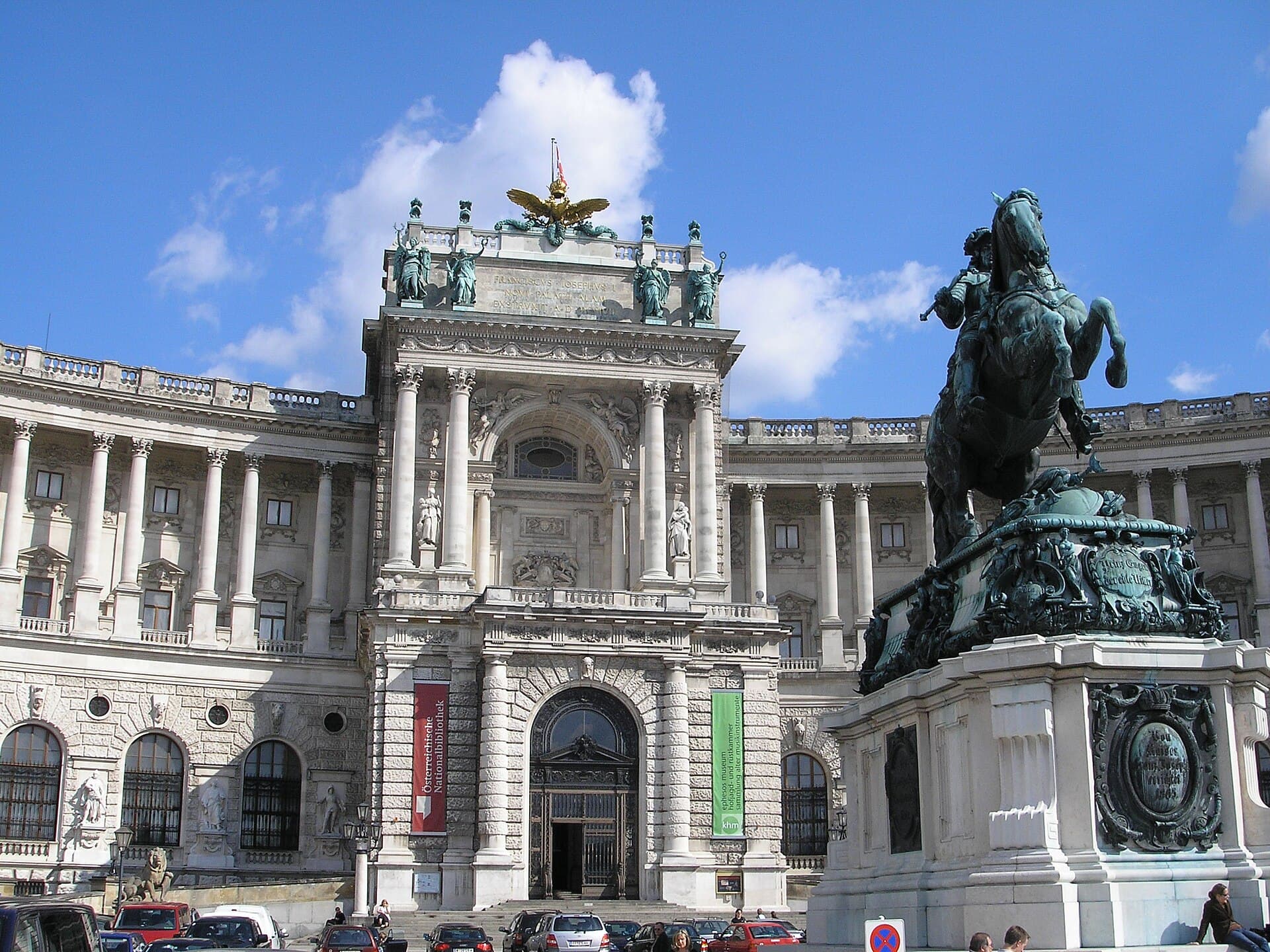 Ephesos MuseumA small museum inside the Hofburg's Neue Burg showing what Austrian expeditions 1 minute walk4.5
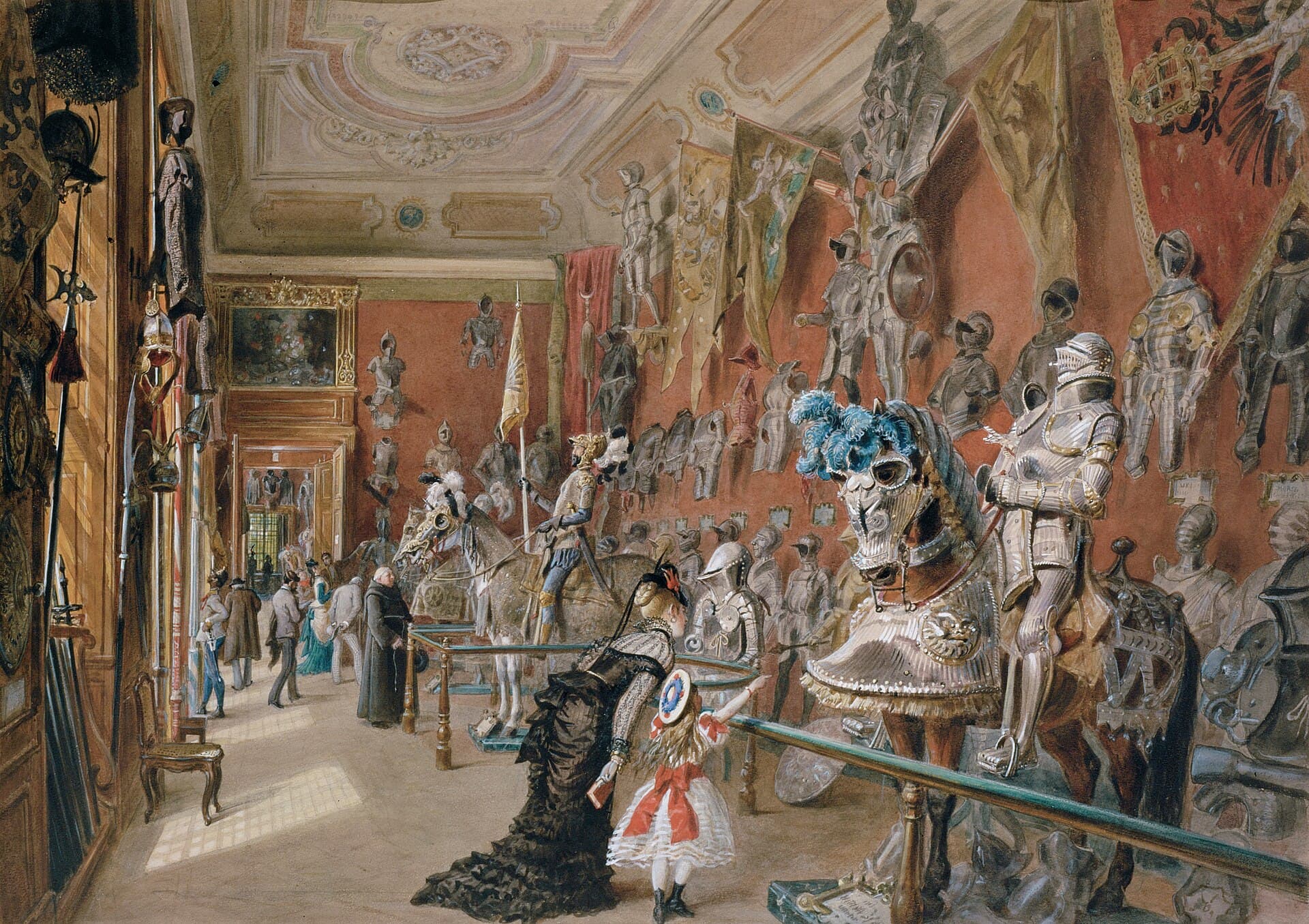 The Imperial ArmouryOne of the world's most important collections of arms and armour, shown in the N1 minute walk4.9
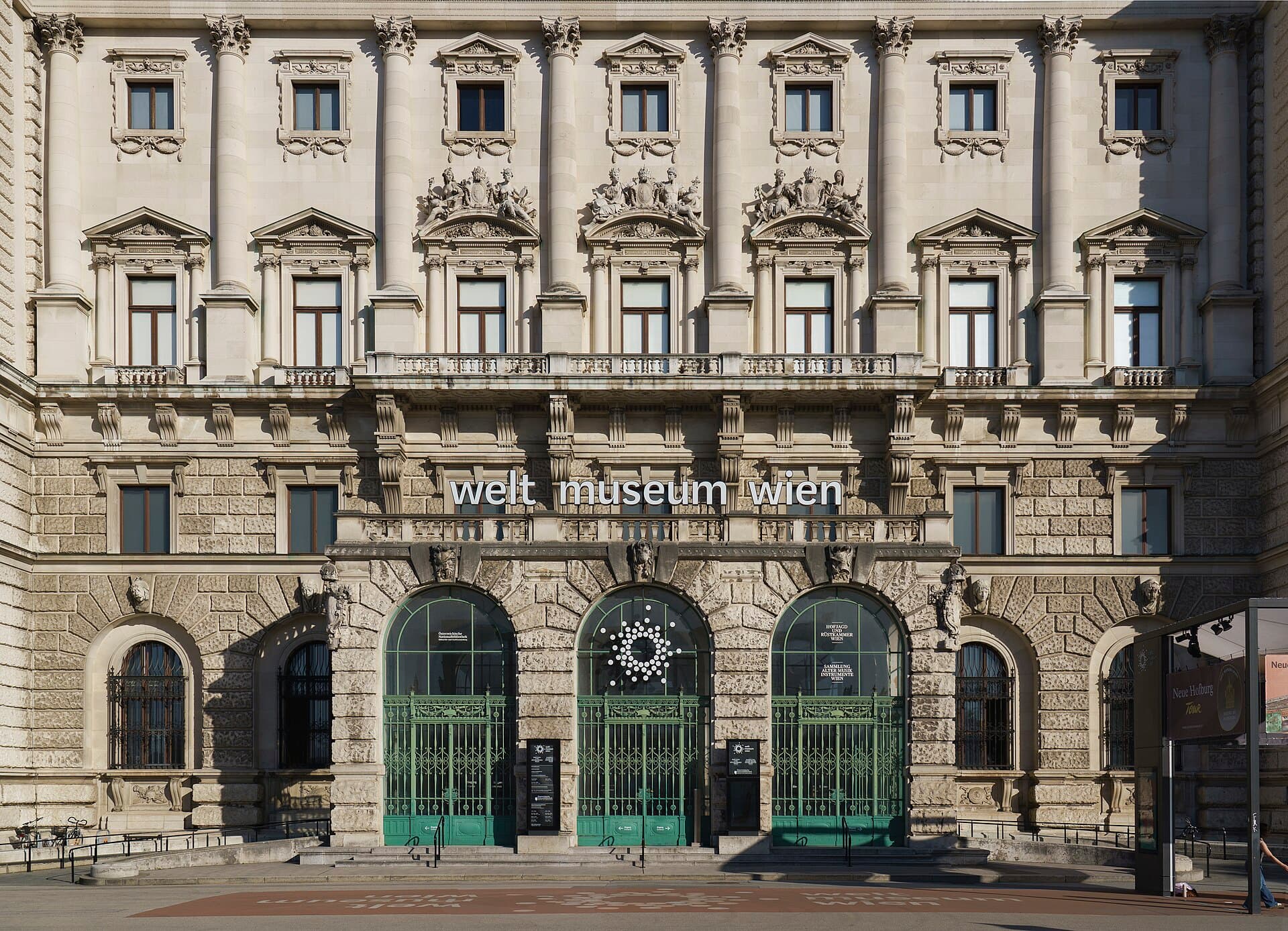 Weltmuseum WienAn ethnographic museum inside the Hofburg's Neue Burg wing, showing what the Hab1 minute walk4.7
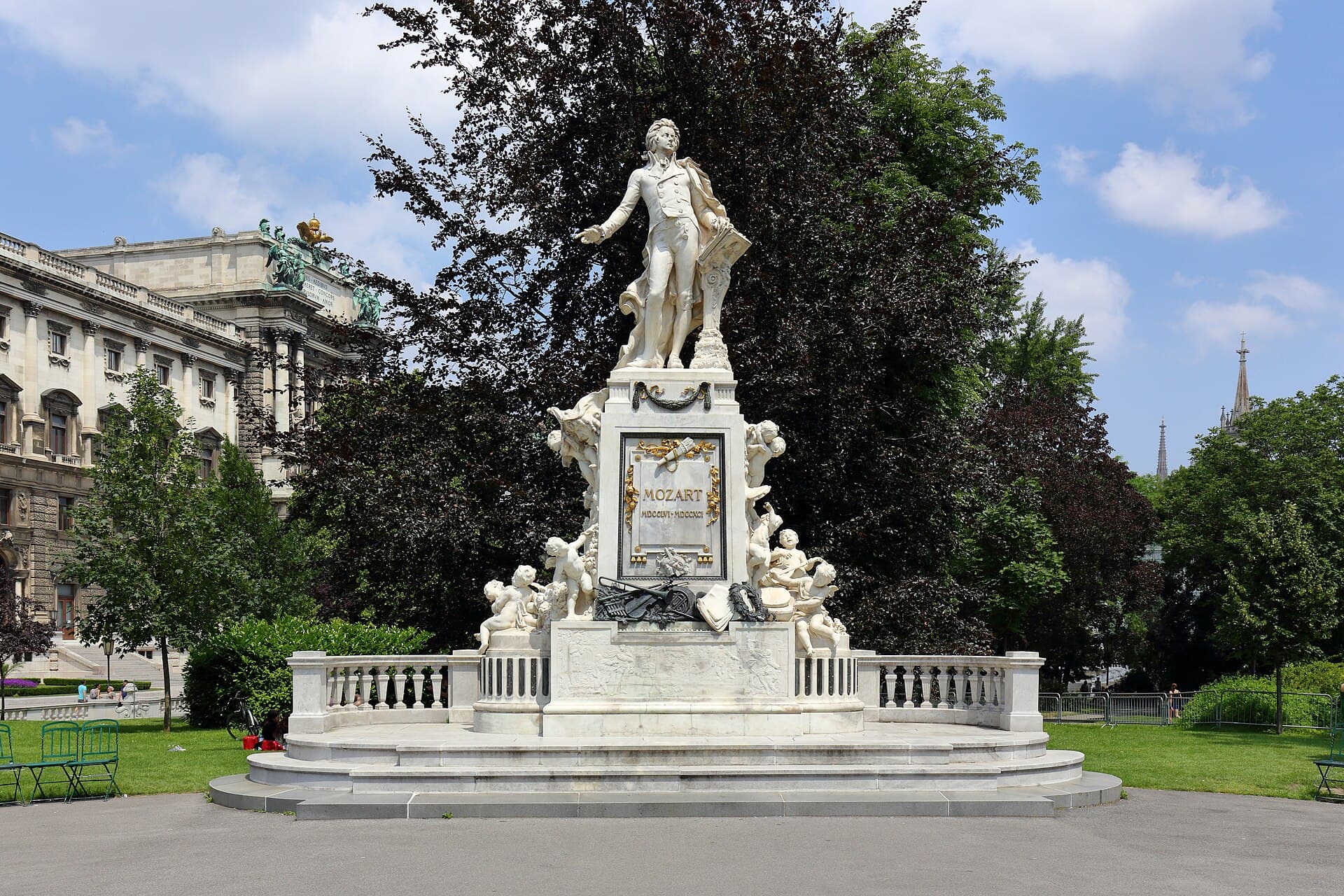 Mozart Monument, ViennaMozart's marble monument in the Burggarten: the composer standing on a tall plin2 minutes walk4.8
Yes, it is designed for that and starts from a clear point in 1918. Interpretation is in English and the presentation is modern. If you know twentieth-century German history, you will find the Austrian side of it here, which is different and less well known.
It is inside the Hofburg, so the palace's other museums — the Imperial Treasury, the Sisi Museum and the imperial apartments — are in the same complex. But note the contrast: those show imperial splendour and this shows what came after its fall. The logical order is those first, then this.