
The original impossibles
His waterfall, hands and stairs in first prints — the tricks at source.
Andrew Crump — CC BY 2.0 · Marc van der Burgt — CC BY-SA 3.0 nl · van Duinen / Anefo — CC0 · Eric Koch for Anefo — CC0
The impossible's magician in a queen's palace: the Maurits Escher museum fills the Lange Voorhout winter palace — Queen Mother Emma's house for decades — with humanity's most famous visual tricks: the waterfall feeding itself, hands drawing each other, stairs climbing forever downward, flocks whose fish become birds. The floors run a complete biography: from his early Italian landscapes where reality trained before its breaking, through the Arab tilings' inspiration — his Alhambra journey at Granada openly turned his art mathematical mosaic — to the great impossibles in original prints. And the top floor is the interactive illusion playground: the Ames room growing and shrinking you in one photo — The Hague's most famous family selfie — with the palace chandeliers themselves swapped for fantastical sculptures: the house faithfully playing its tenant's game.
His waterfall, hands and stairs in first prints — the tricks at source.
Granada's tilings that detonated his art — the inspiration journey documented.
The Queen Mother's house under fantasy chandeliers — venue as game partner.
Lange Voorhout 74, 2514 The Hague
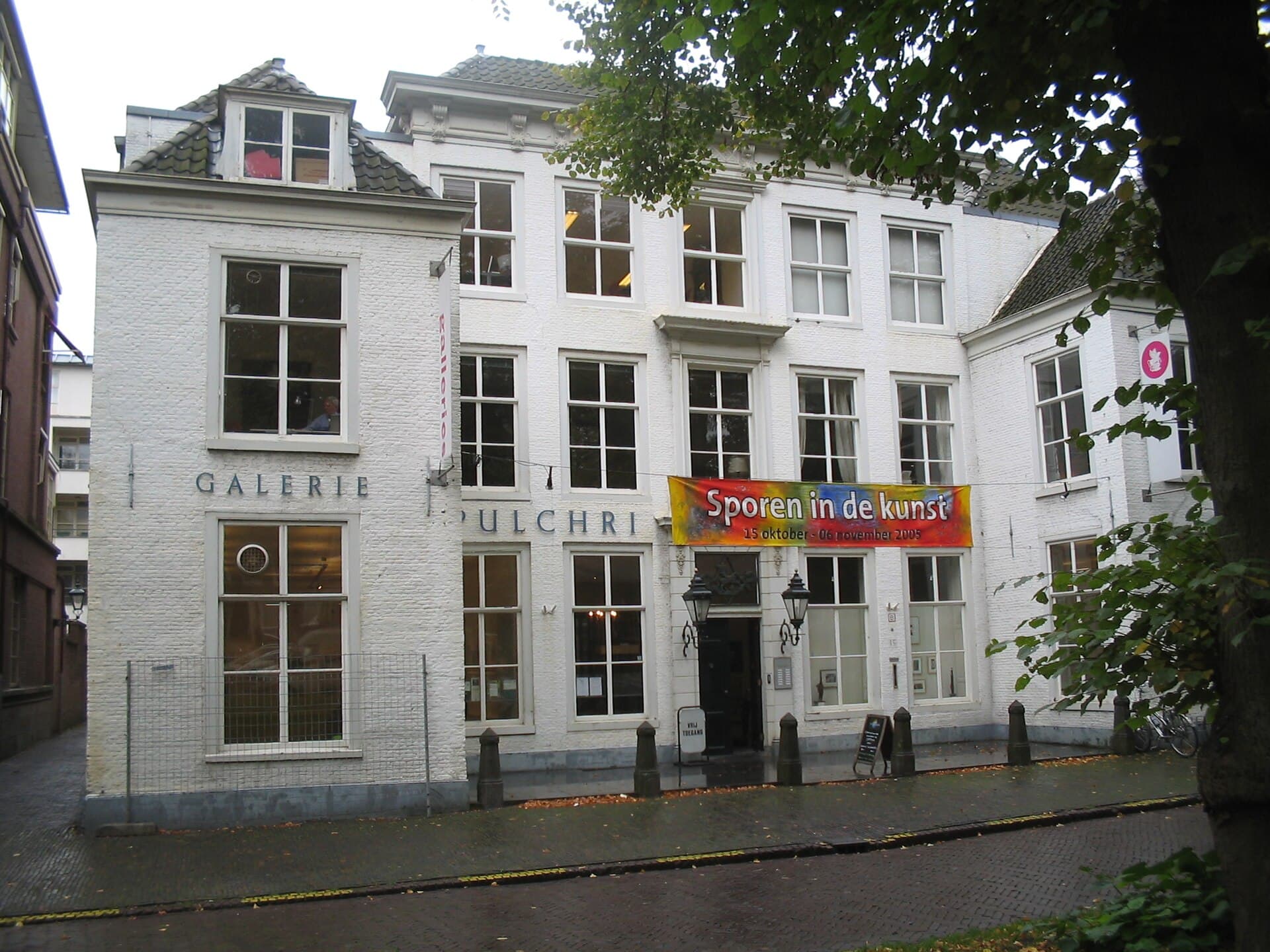 Pulchri StudioAn artists' society and exhibition rooms in an eighteenth-century mansion on the3 minutes walk4.3
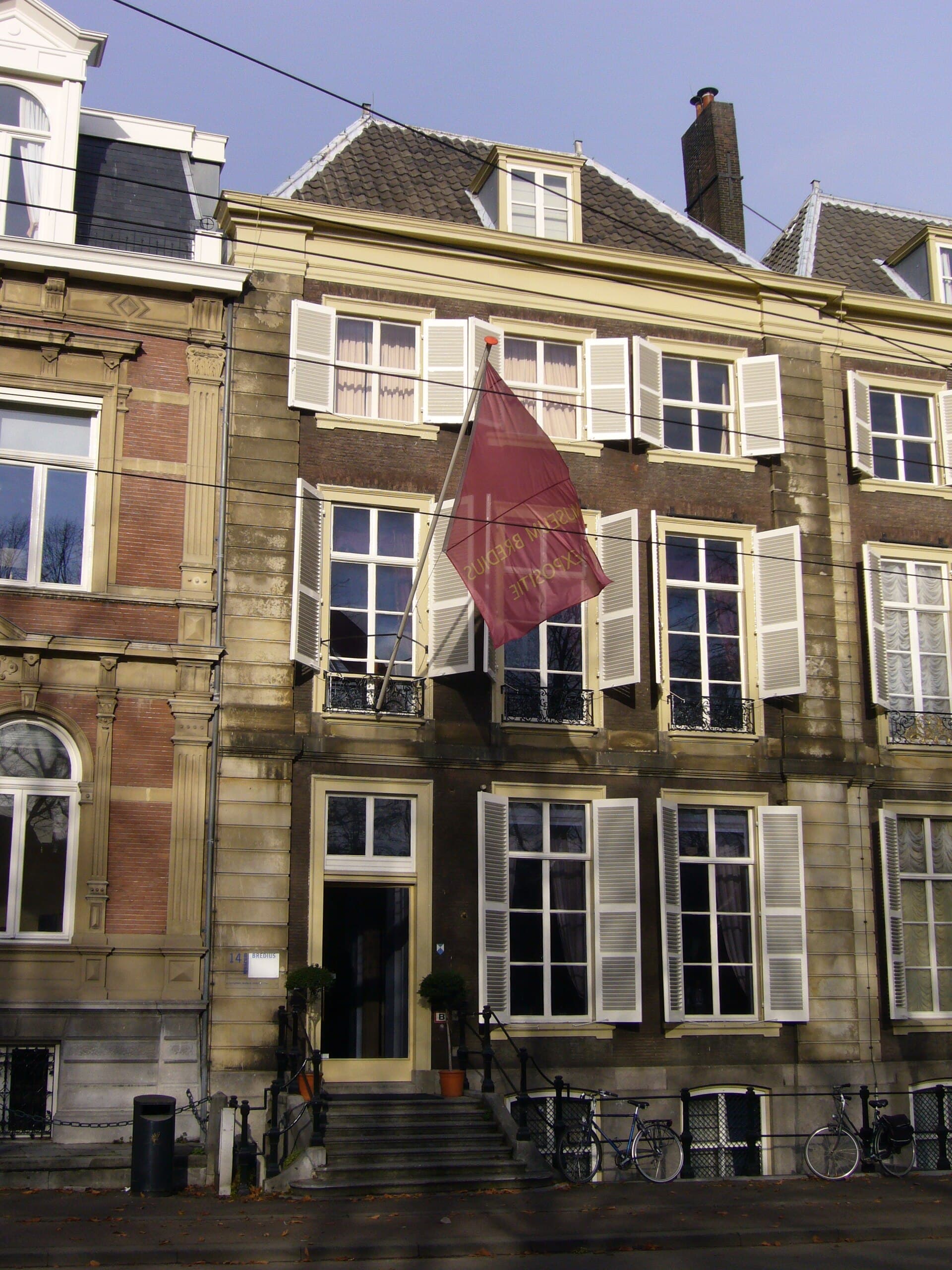 Museum BrediusMuseum Bredius is an eighteenth-century house on a canal near the Binnenhof, hol3 minutes walk4.6
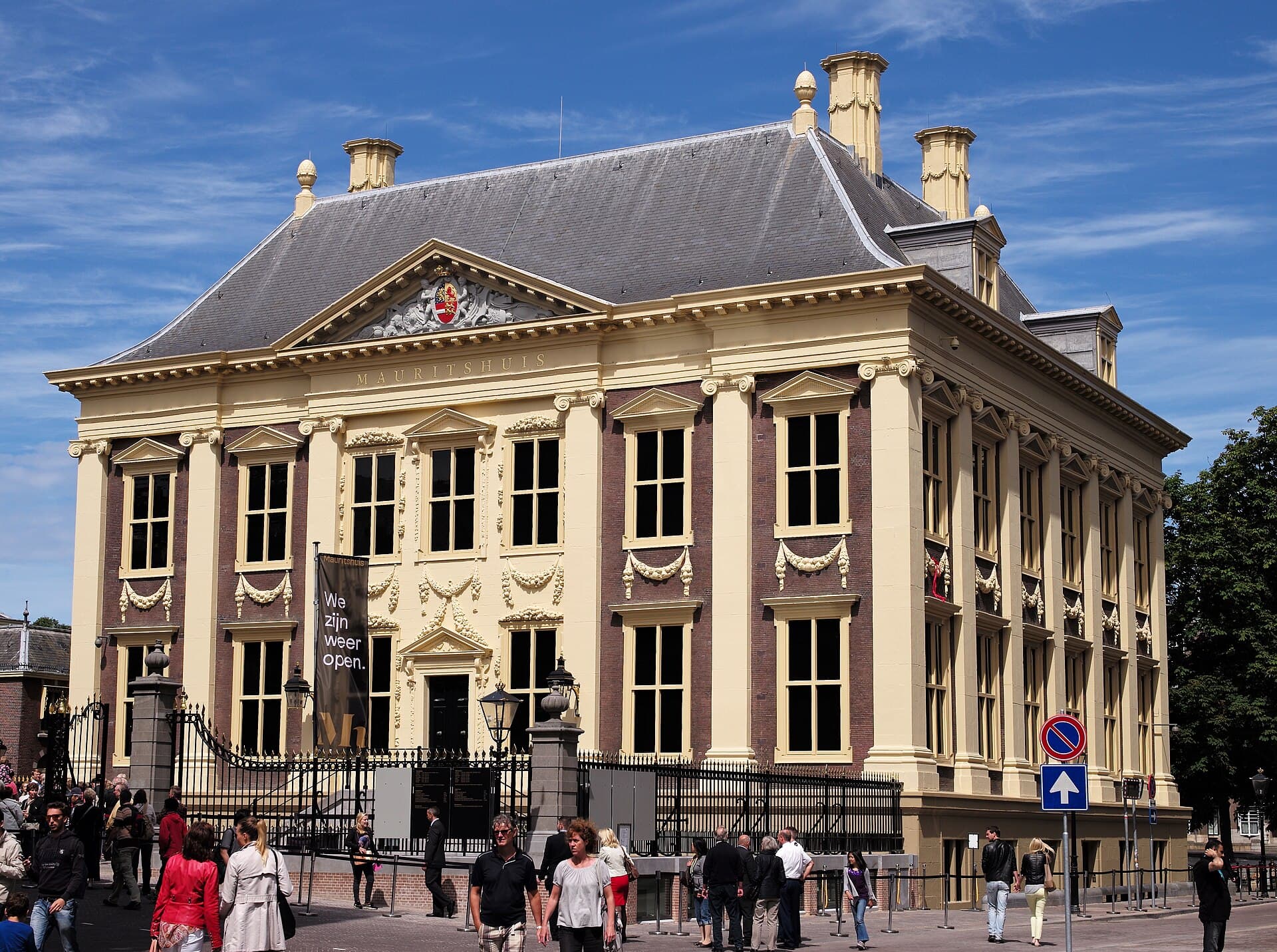 MauritshuisA small seventeenth-century palace in central The Hague, holding one of the fine4 minutes walk4.8
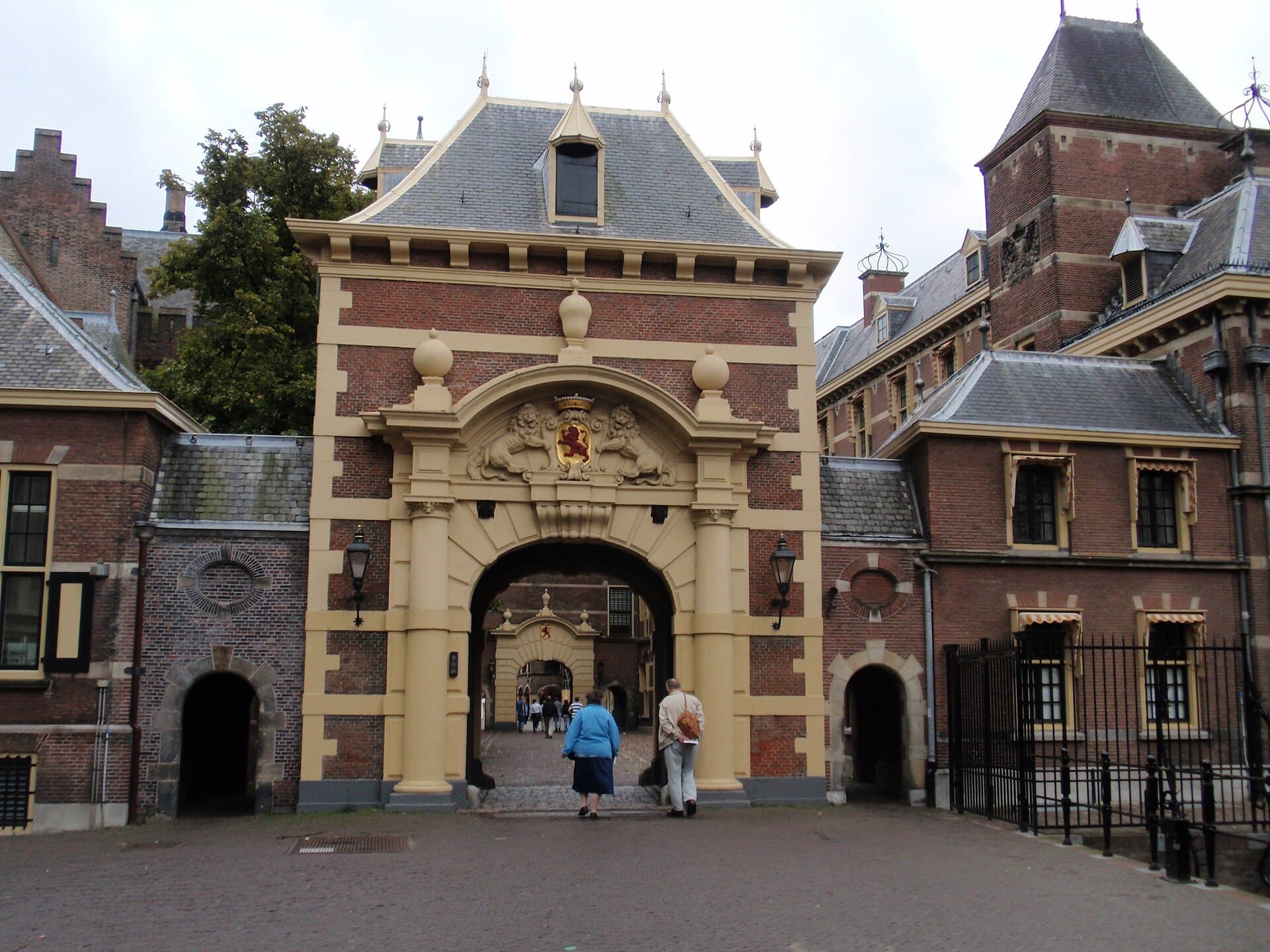 Grenadierspoort (Mauritspoort)A historic gate at the Binnenhof in The Hague, known by two names both in use: t5 minutes walk4.3
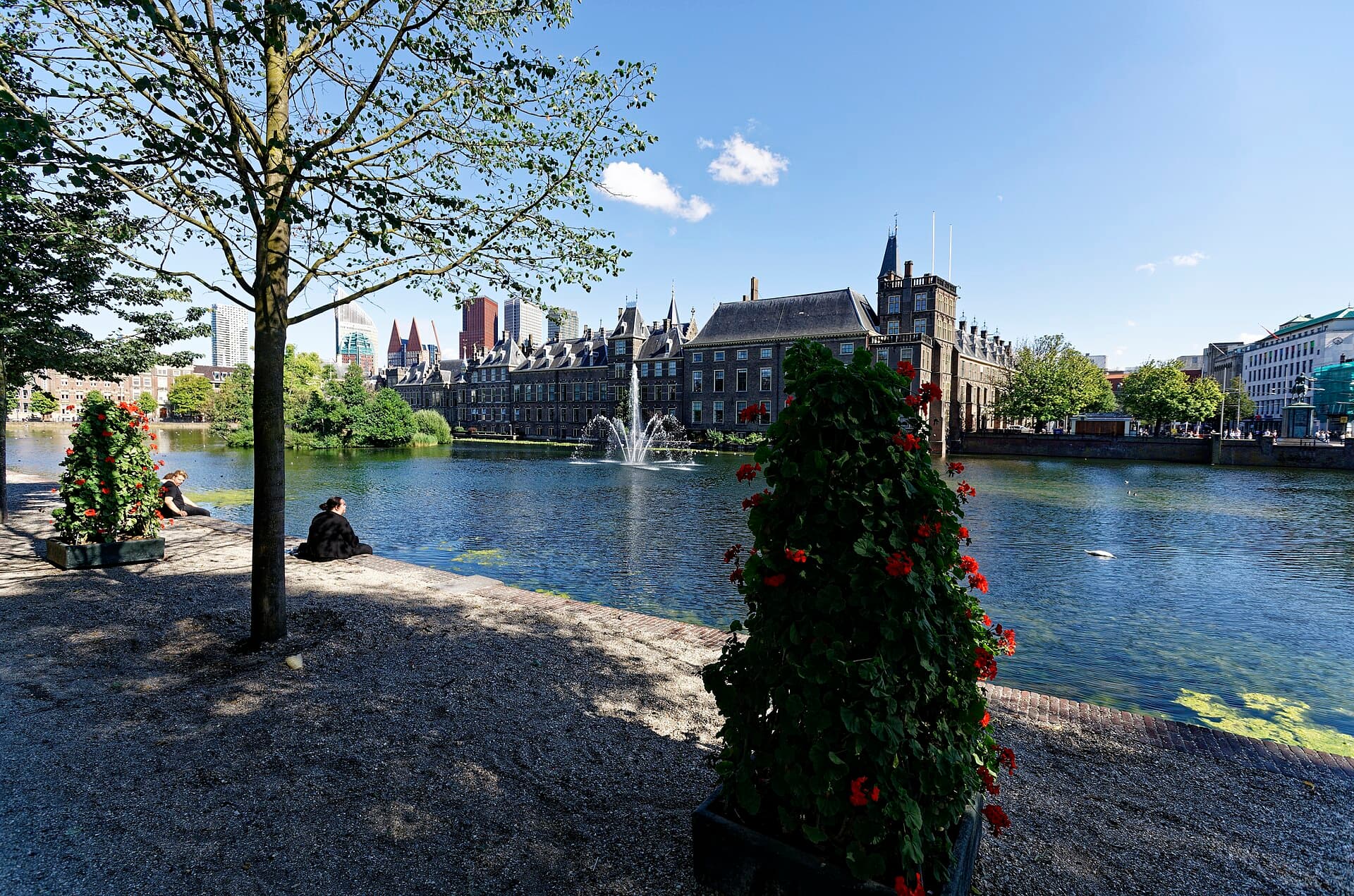 The BinnenhofThe world's oldest working parliament as building: the Binnenhof — 'inner court'5 minutes walk4.6
He visited the Alhambra in 1922, returning 1936 to copy its tilings for obsessed days — writing that 'the regular division of the plane' was the richest mine he ever met: turning arabesque's abstract geometry into interlocking fish and birds. His hall here sets those copies beside his prints — the clearest bridge between Islamic art and Western modernity any museum shows.
Without one studied equation: intuition developed until crystallographers and mathematicians corresponded as peers — Penrose designing his impossible triangle under the influence, Escher re-employing it back. The only artist hung in mathematics departments worldwide — the prints here self-explaining visually, number-terror-free.
The Hague's loveliest: a linden avenue of embassy palaces — summer open-air sculpture shows and venerable shade cafés (the historic Hotel Des Indes neighbouring). Make the museum its stroll's peak — the Binnenhof minutes south: The Hague's whole elegant thread.