
The real golden age
Second-rank painters as the market actually was.
Pvt pauline — CC BY-SA 3.0 · Txllxt TxllxT — CC BY-SA 4.0 · Txllxt TxllxT — CC BY-SA 4.0 · Txllxt TxllxT — CC BY-SA 4.0
Museum Bredius is an eighteenth-century house on a canal near the Binnenhof, holding some two hundred works of the Dutch golden age — paintings, drawings, furniture, silver and porcelain — collected by one man and given to the city. Abraham Bredius was the leading Rembrandt authority of his day and director of the Mauritshuis, credited with attributing dozens of paintings and correcting the attribution of others. His personal collection is not famous masterpieces but works by second-rank painters chosen with a specialist's eye — and that is what makes it interesting: you see the golden age as it actually was rather than as the great museums abbreviate it. The best-known story about him is an embarrassing one: in 1937 he examined a painting called The Supper at Emmaus and declared it an early masterpiece by Vermeer. It was a forgery by Han van Meegeren, which was not exposed until after the war. The episode is now told as the standard cautionary tale in art history — and Bredius died before he could know.
Second-rank painters as the market actually was.
Eighteenth-century rooms near the Binnenhof.
Lange Vijverberg 6, 2513 The Hague
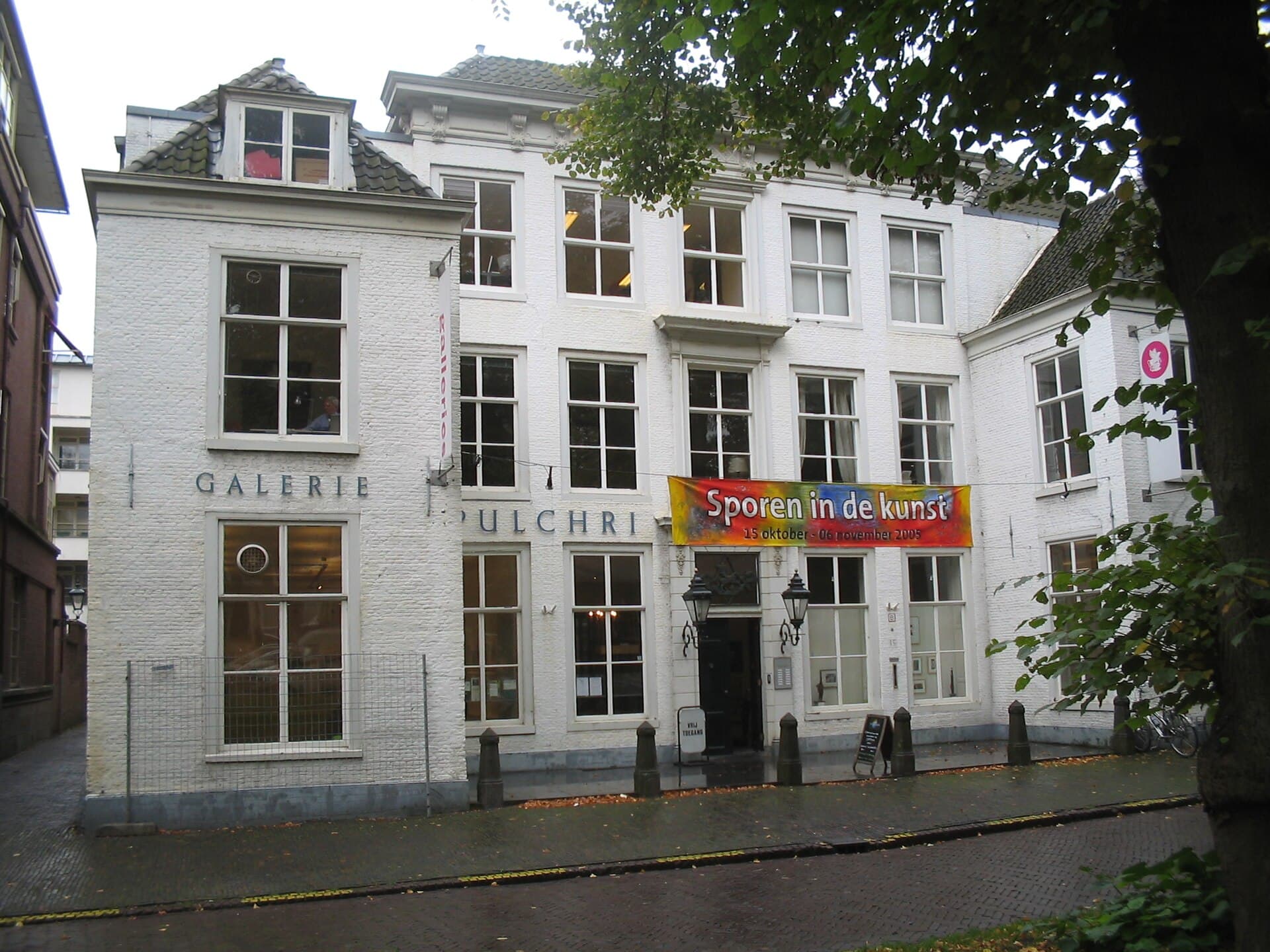 Pulchri StudioAn artists' society and exhibition rooms in an eighteenth-century mansion on the1 minute walk4.3
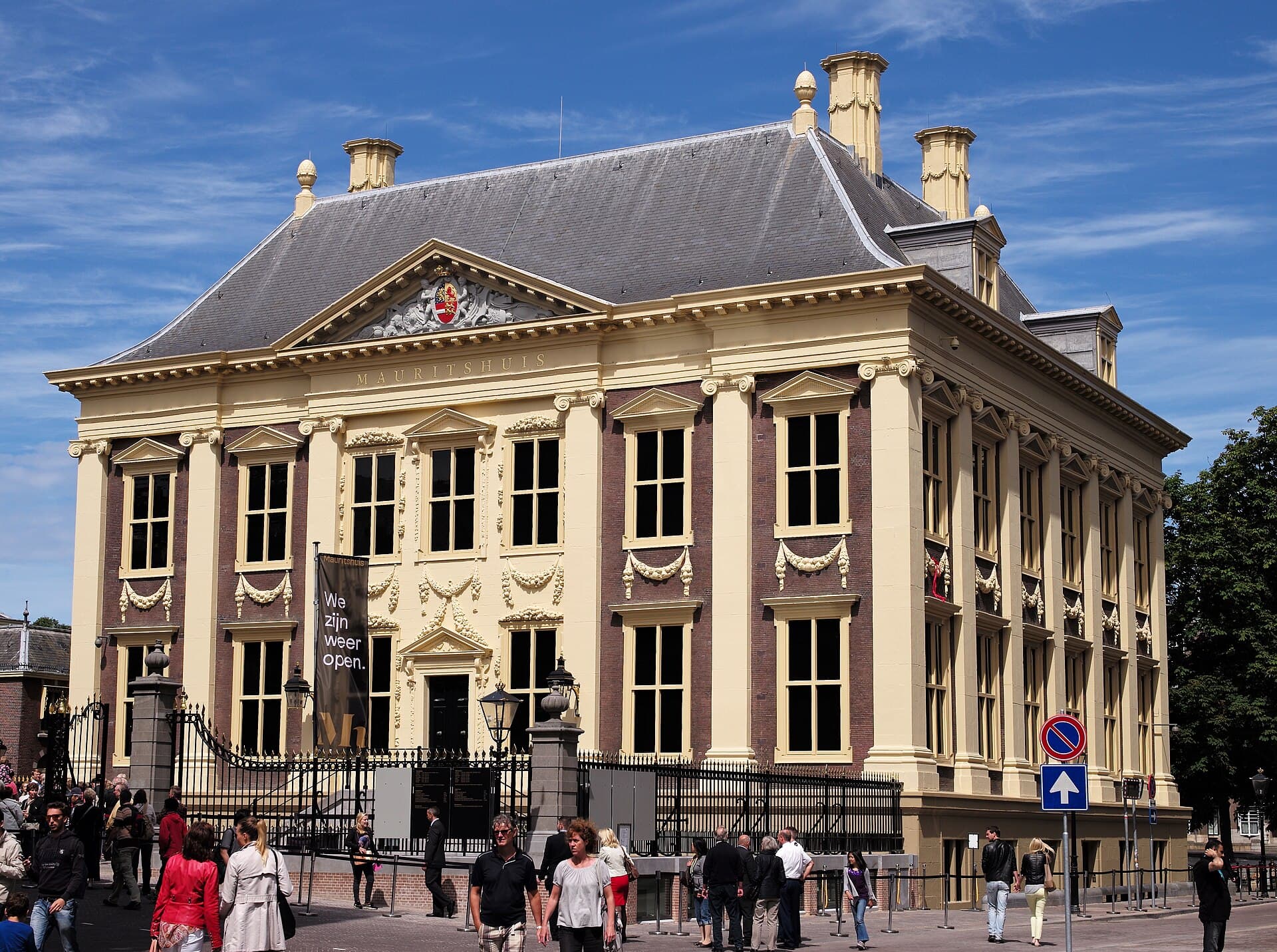 MauritshuisA small seventeenth-century palace in central The Hague, holding one of the fine2 minutes walk4.8
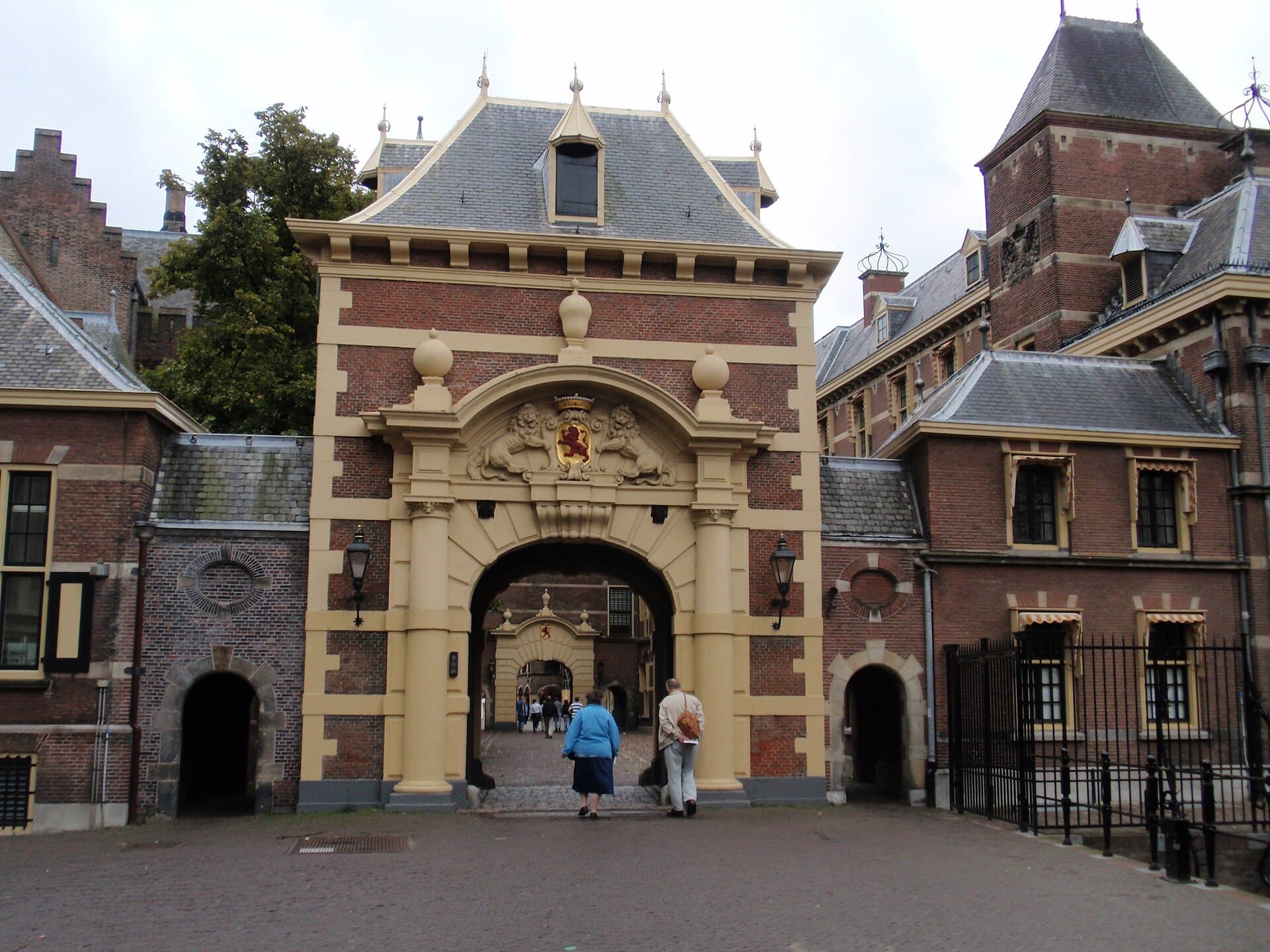 Grenadierspoort (Mauritspoort)A historic gate at the Binnenhof in The Hague, known by two names both in use: t2 minutes walk4.3
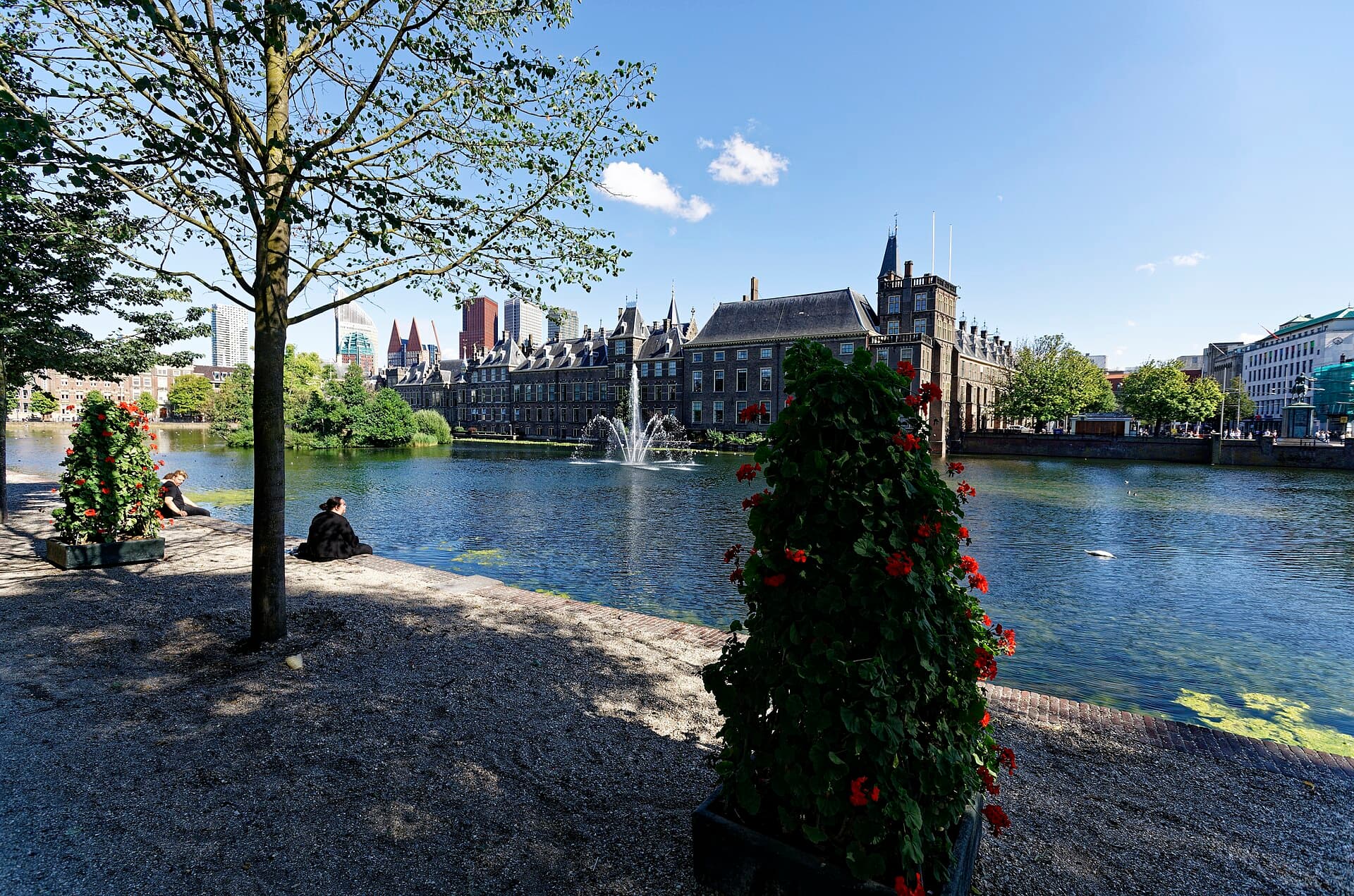 The BinnenhofThe world's oldest working parliament as building: the Binnenhof — 'inner court'2 minutes walk4.6
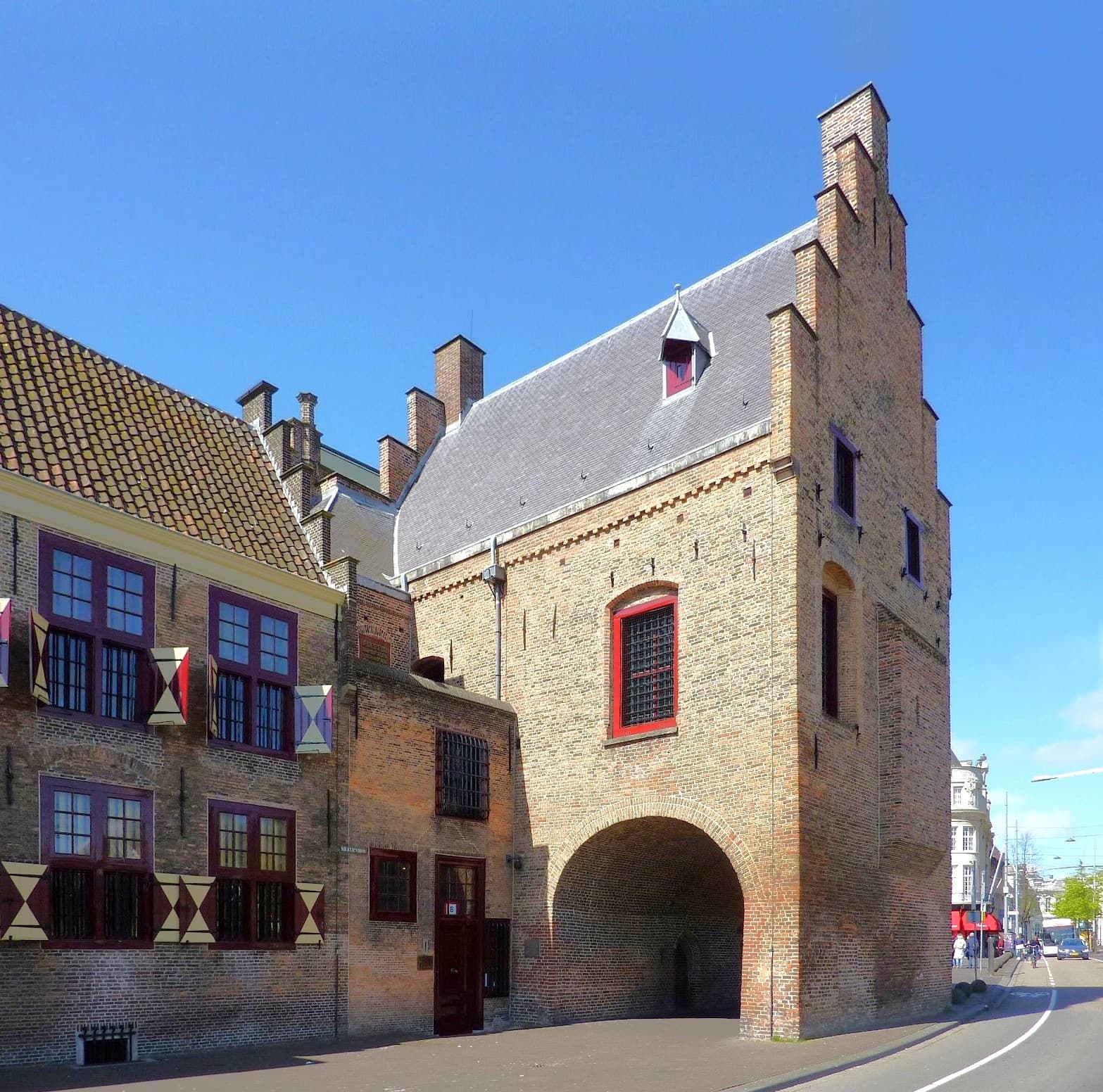 The Prison Gate MuseumA castle gate that became a prison that became a museum: the Gevangenpoort was b3 minutes walk4.3
A Dutch painter who felt the critics had wronged him and set out to prove them wrong by forging paintings he attributed to Vermeer — and succeeded: leading experts accepted them and museums bought them for enormous sums. It came out in a strange way: after the war he was charged with treason for selling a national Vermeer to the Nazi leader Göring, and to defend himself had to confess he was a forger — so the treason charge became forgery, and to many he became a folk hero for having deceived the Nazis.