
Home of the Hague School
The unofficial base of the nineteenth-century Dutch painting movement.
M.Minderhoud — CC BY-SA 3.0 · Rijksmuseum — CC0 · Unknown authorUnknown author — CC BY-SA 4.0 · Unknown authorUnknown author — CC BY-SA 4.0
An artists' society and exhibition rooms in an eighteenth-century mansion on the Lange Voorhout in The Hague, founded in 1847 and still working to the same purpose. Its Latin name means roughly for the love of beauty. It was founded as a club where artists met, drew from the live model and showed their work away from the control of the official academy. That independence is what made it important: Pulchri became the unofficial home of the Hague School, a Dutch painting movement of the later nineteenth century that went out into the landscape and painted peasants, fishermen and grey skies in muted colour. Hendrik Willem Mesdag was among its leading members and its chairman for years, and the young Van Gogh showed early work there at the start of his career, before he left for France. The exhibitions change constantly and show contemporary rather than historical art. Entry is ticketed and the hours are limited.
The unofficial base of the nineteenth-century Dutch painting movement.
Showed early work here before he left for France.
A living society rather than a museum — the exhibitions keep changing.
Lange Voorhout, central The Hague
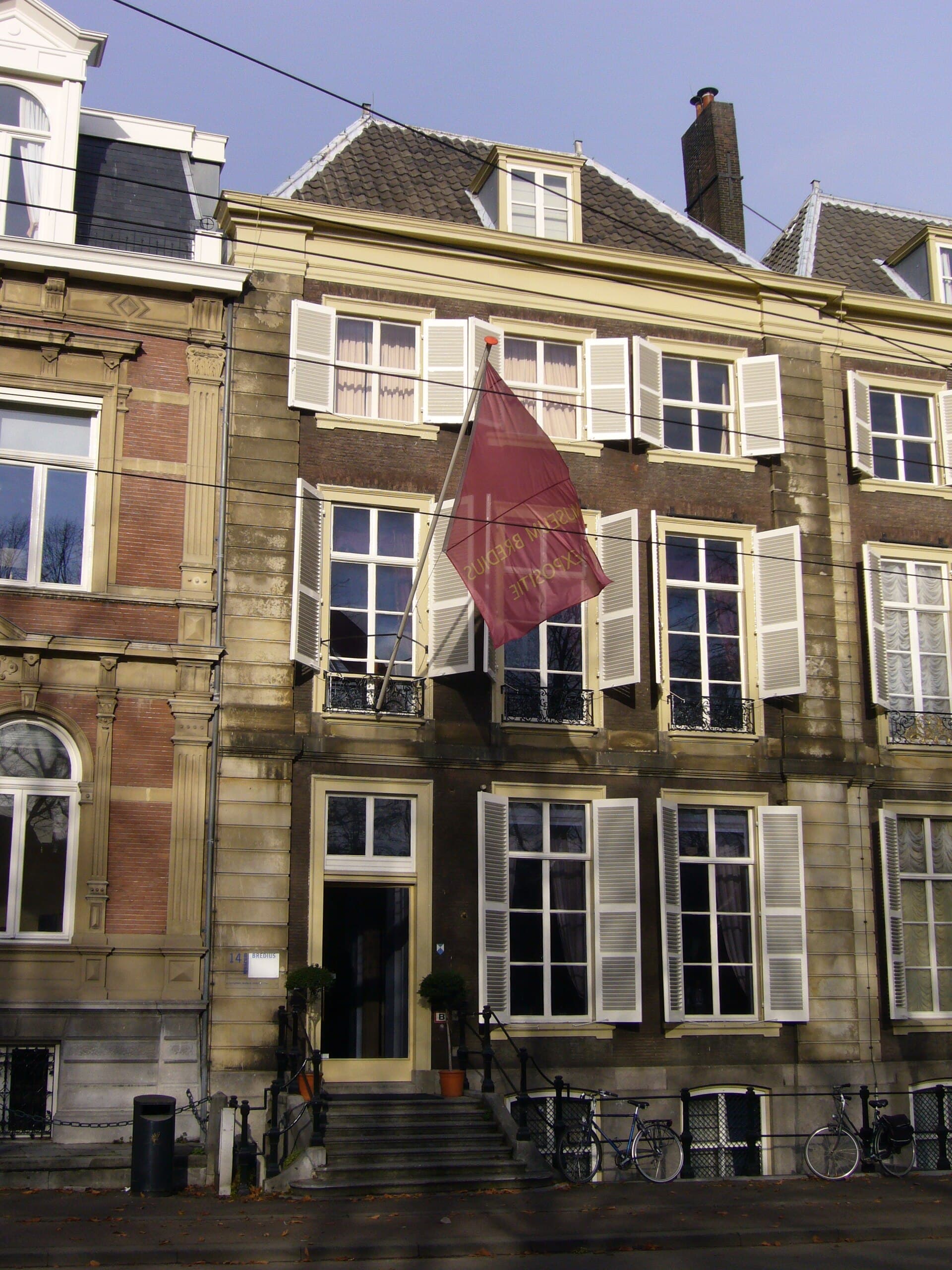 Museum BrediusMuseum Bredius is an eighteenth-century house on a canal near the Binnenhof, hol1 minute walk4.6
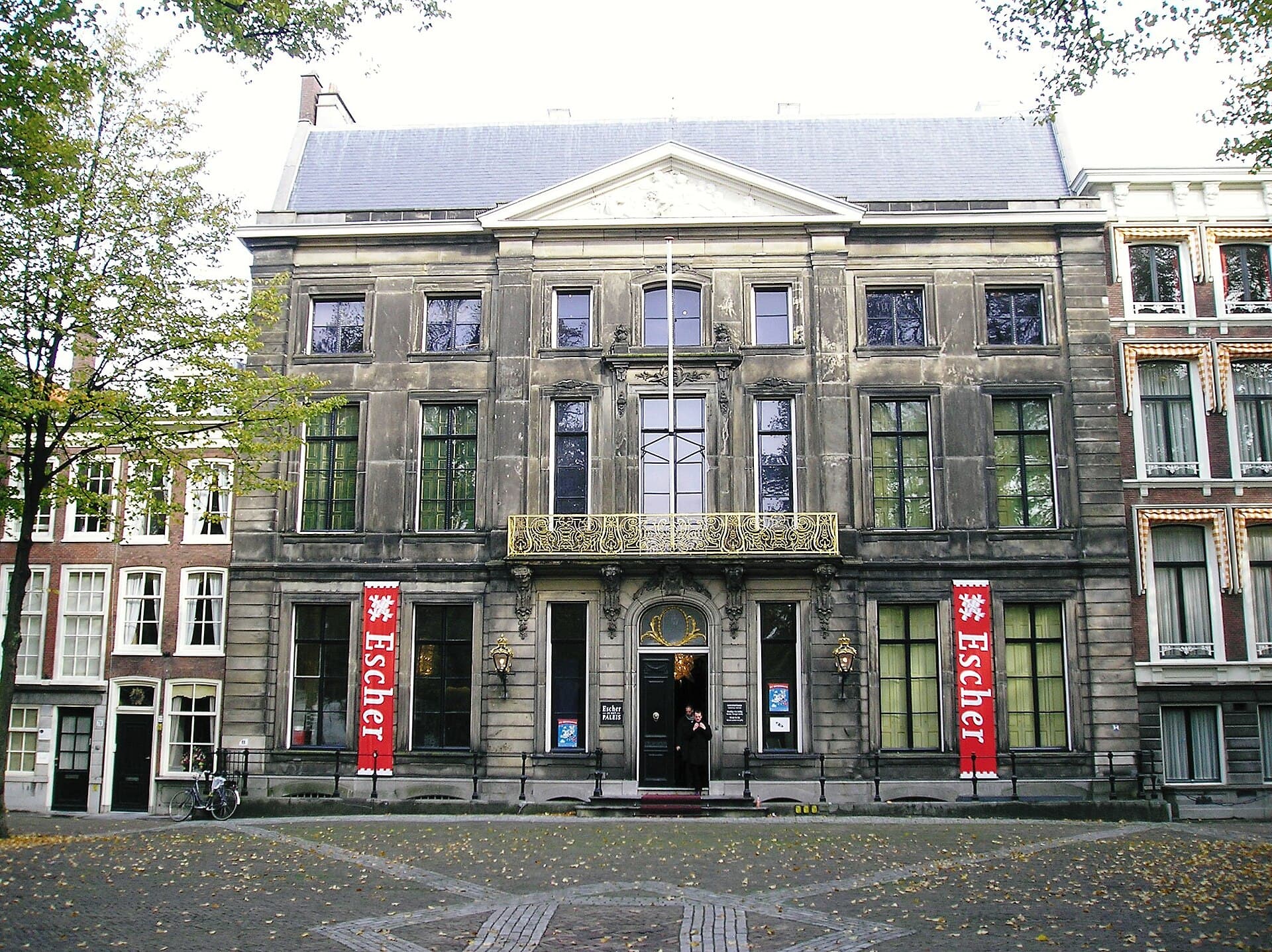 Escher in Het PaleisThe impossible's magician in a queen's palace: the Maurits Escher museum fills t3 minutes walk4.5
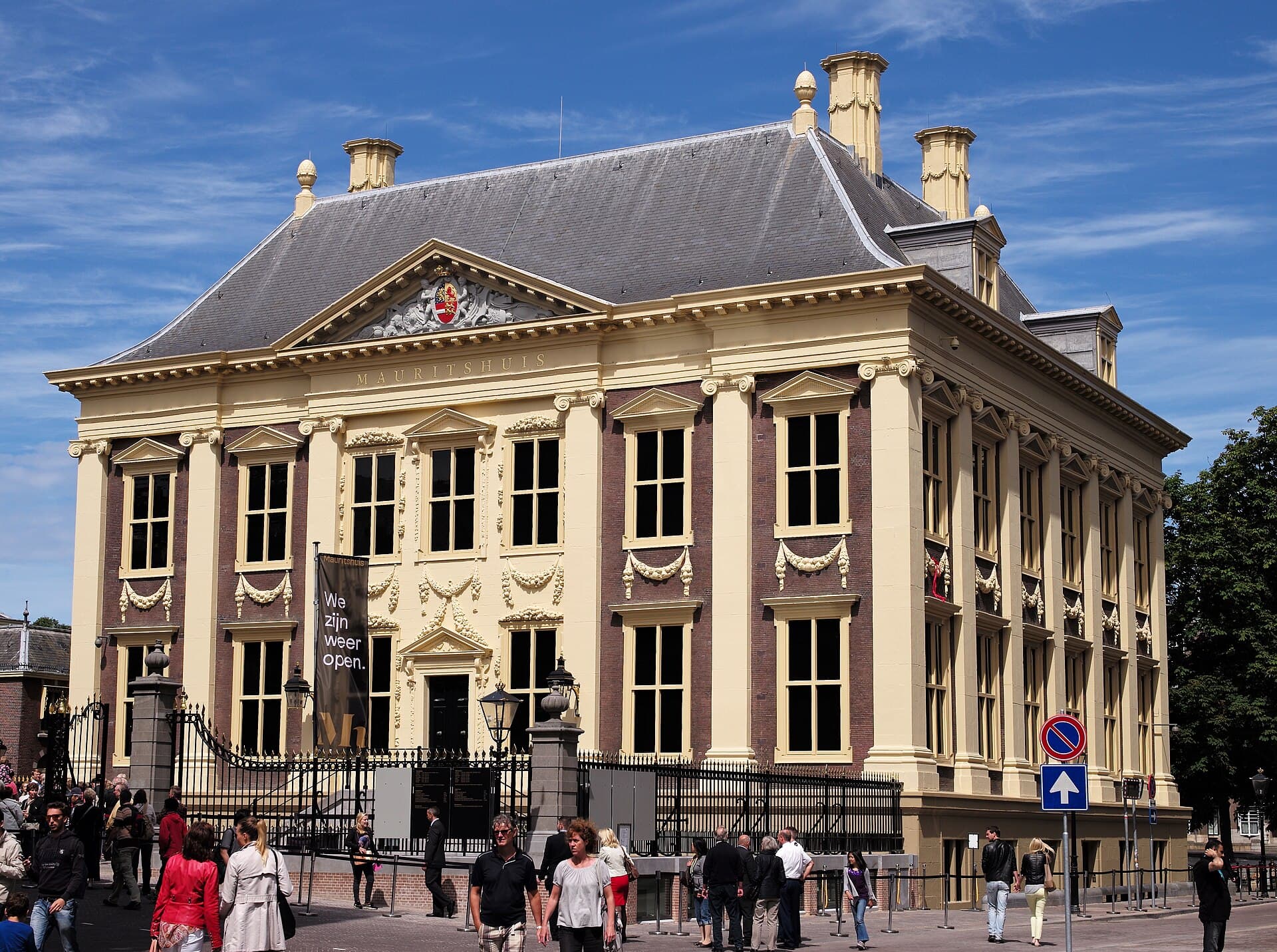 MauritshuisA small seventeenth-century palace in central The Hague, holding one of the fine3 minutes walk4.8
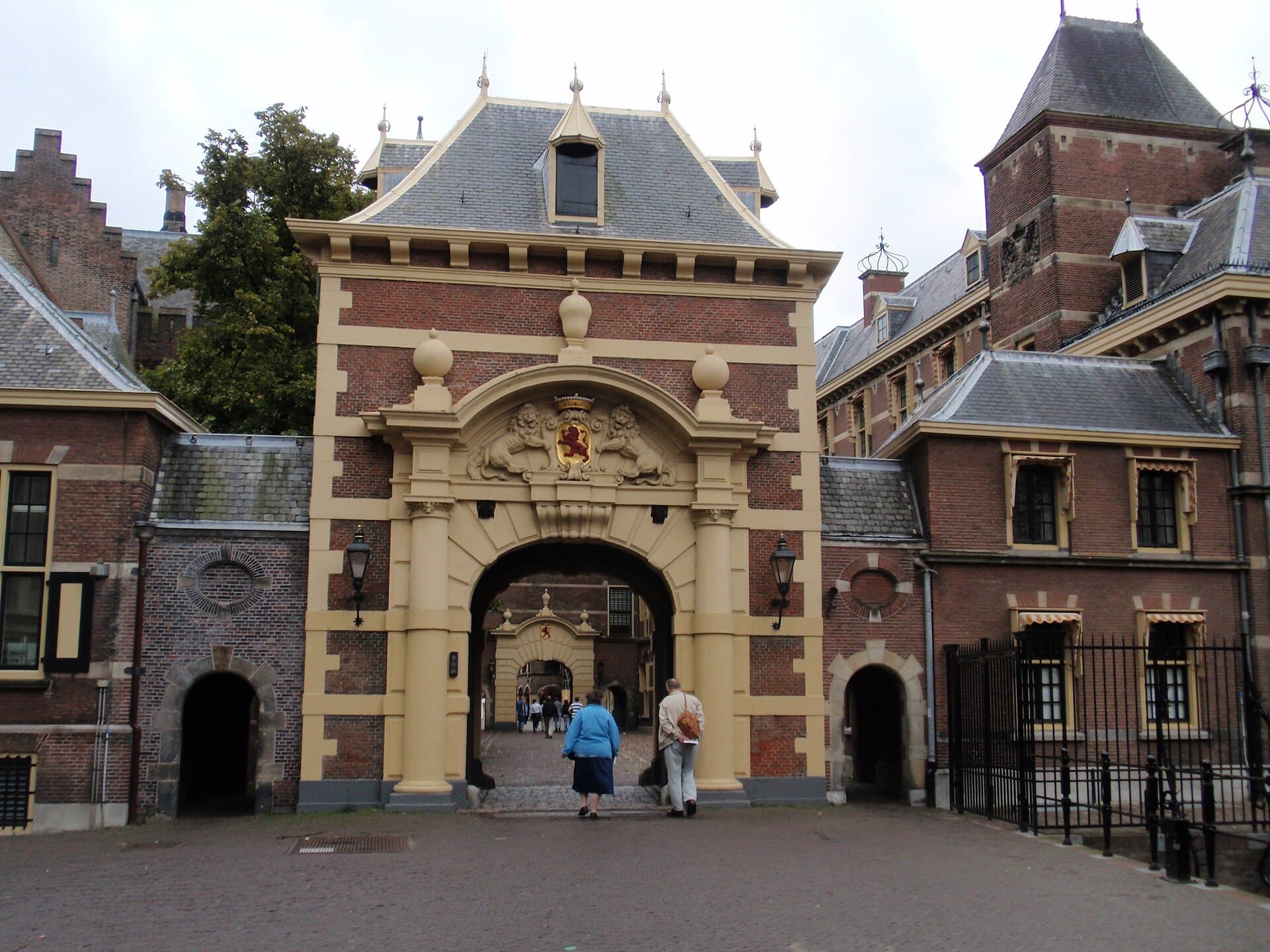 Grenadierspoort (Mauritspoort)A historic gate at the Binnenhof in The Hague, known by two names both in use: t3 minutes walk4.3
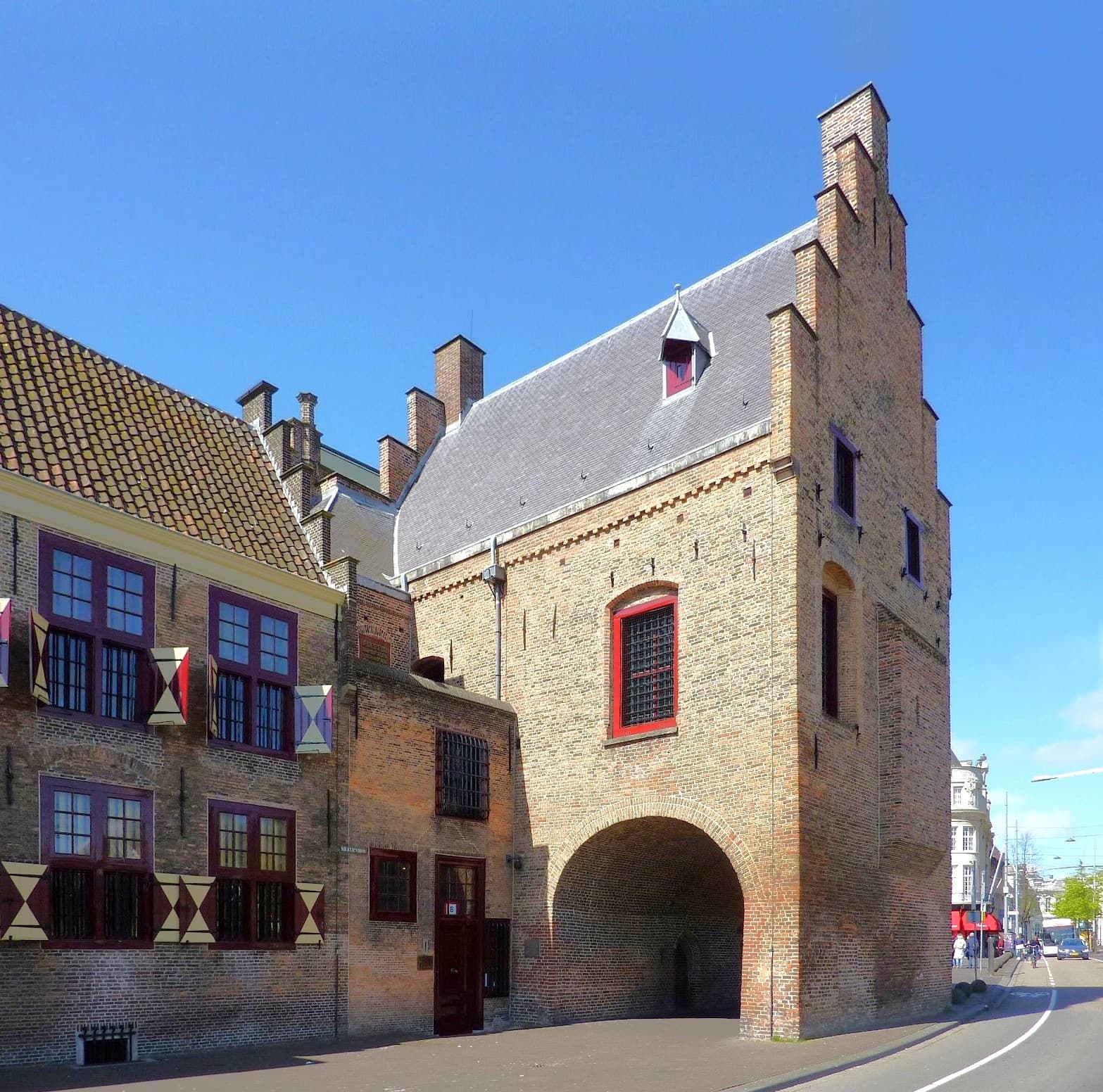 The Prison Gate MuseumA castle gate that became a prison that became a museum: the Gevangenpoort was b3 minutes walk4.3
A Dutch painting movement between about 1860 and 1890, whose members left the studio for the open air and painted what was directly before them: fishing boats on the Scheveningen beach, peasants in the fields, canals under overcast skies. Its colours are deliberately muted grey and brown, which earned it the nickname the Grey School. It was influenced by the French Barbizon painters and in turn shaped the early Van Gogh — his dark Dutch canvases belong to this atmosphere.
The Mesdag Panorama first: a circular painting a hundred and twenty metres long of the Scheveningen beach, made by Mesdag in 1881, which you stand inside so the whole horizon surrounds you — among the largest surviving paintings in the world. Then the municipal art museum for the movement's works, and the Mauritshuis for the old masters. All three are in The Hague and can be combined in a day.