
Ring of columns
A vast round roof.
Agência Brasília — CC BY 2.0 · Sintegrity — CC BY-SA 4.0 · Agência Brasília — CC BY 2.0 · Luis Dantas — Public domain · enioprado — CC BY-SA 3.0
Brasília's national stadium is named after Mané Garrincha (1933-1983), the legendary winger who won the 1958 and 1962 World Cups with Brazil. The original ground, designed by the architect Ícaro de Castro Mello, opened in 1974 and was rebuilt between 2010 and 2013 for the 2013 Confederations Cup and the 2014 World Cup, raising its capacity to 72,788 and making it Brazil's second-largest stadium after the Maracanã. A dense ring of slender columns holds up a vast circular roof around the stands, and the whole picture is best seen from the nearby TV Tower on the Eixo Monumental. The rebuild was among the most expensive in the world, close to US$900 million against a first budget of US$300 million. A private company has run it since 2019, staging matches, big concerts and events. It stands in the Ayrton Senna Sports Complex near the Nilson Nelson arena and can be seen free from outside or from the TV Tower, while matches and concerts are ticketed by programme.
A vast round roof.
The full view.
Or a big concert.
Ayrton Senna Sports Complex, Eixo Monumental, Brasília
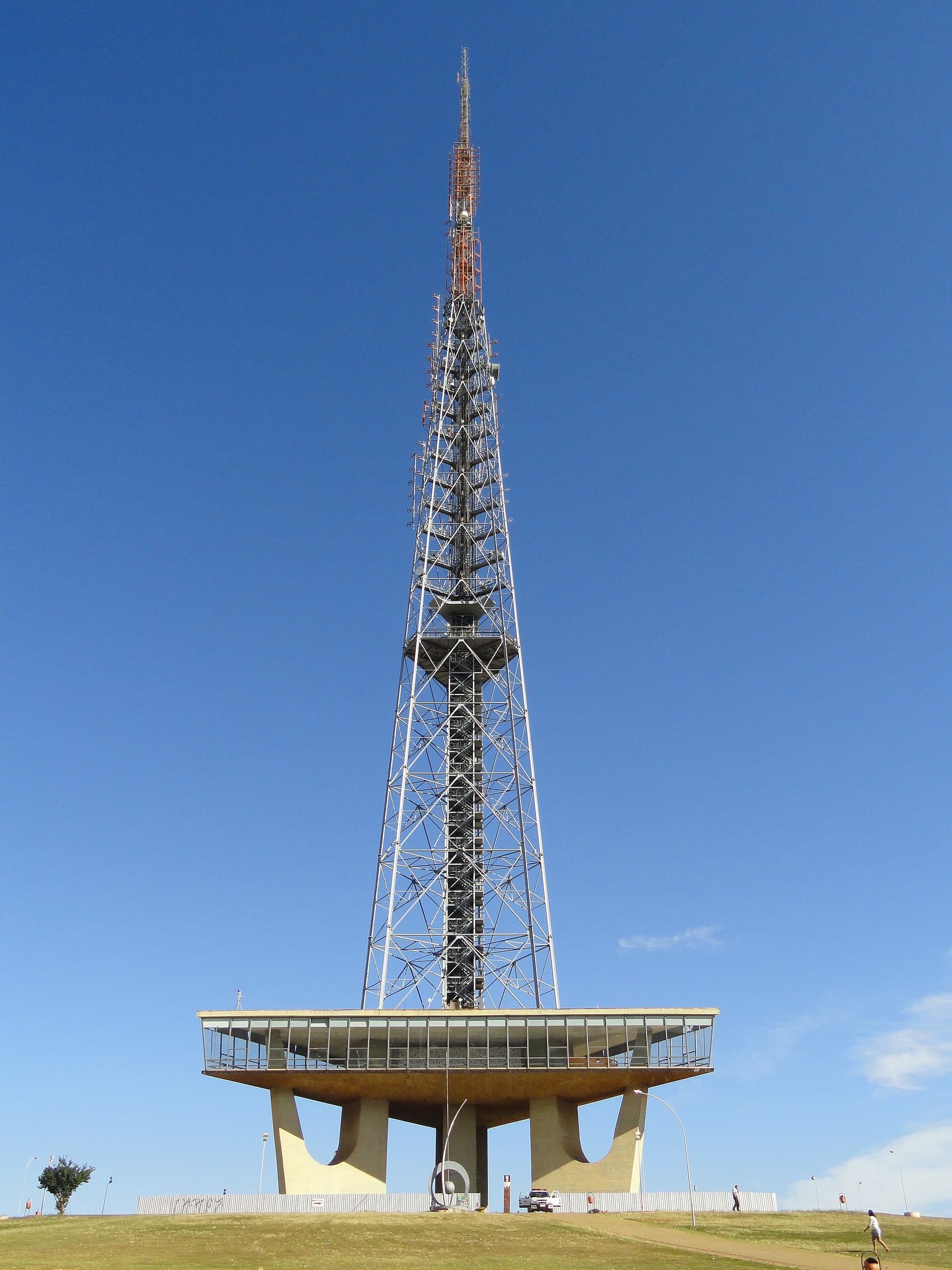 Brasília TV TowerThe Brasília TV Tower is a broadcast tower 224 metres high, opened in 1967 on th13 minutes walk4.6
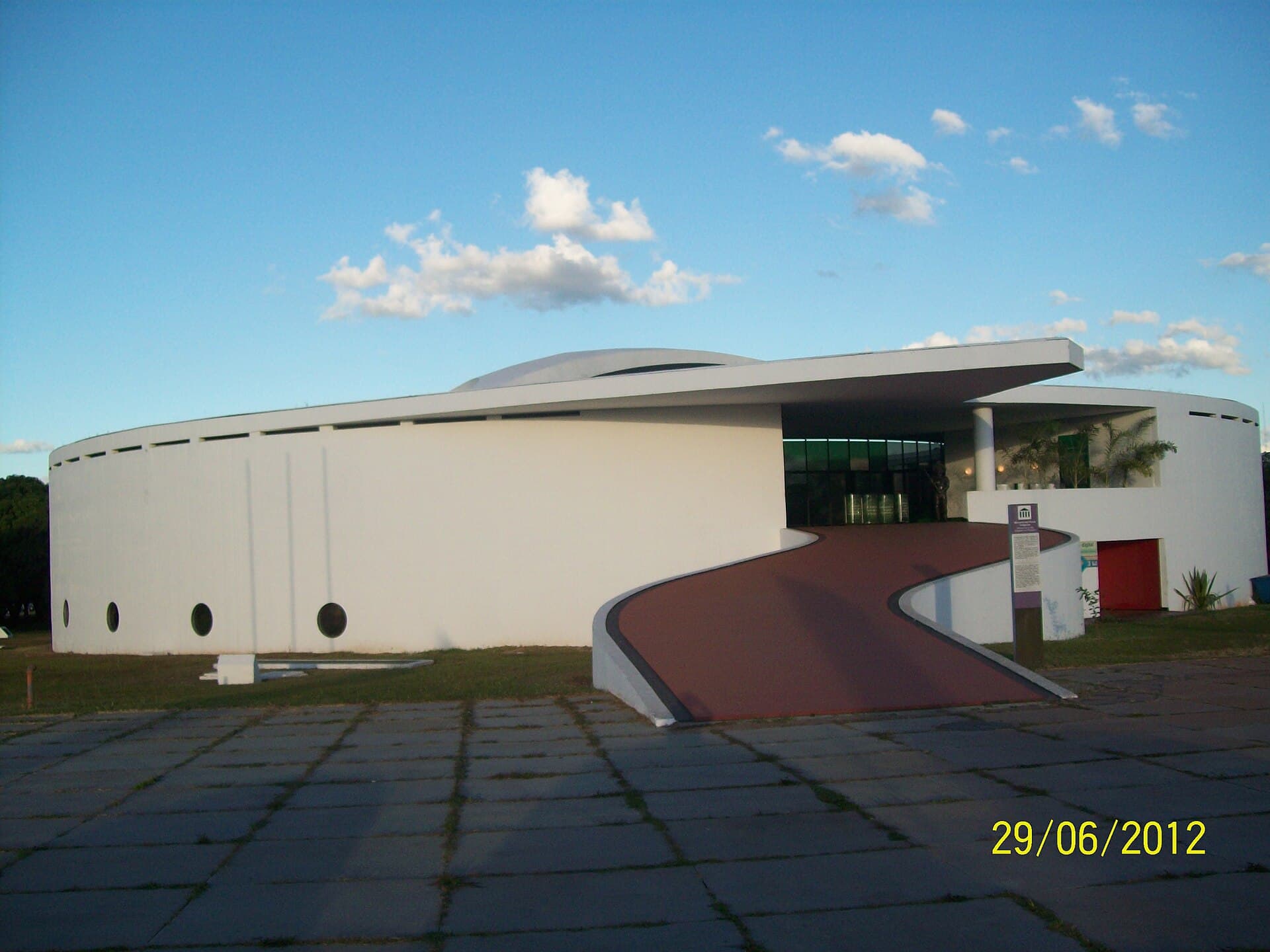 Memorial of Indigenous PeoplesOscar Niemeyer designed the Memorial of Indigenous Peoples after the maloca of t16 minutes walk4.3
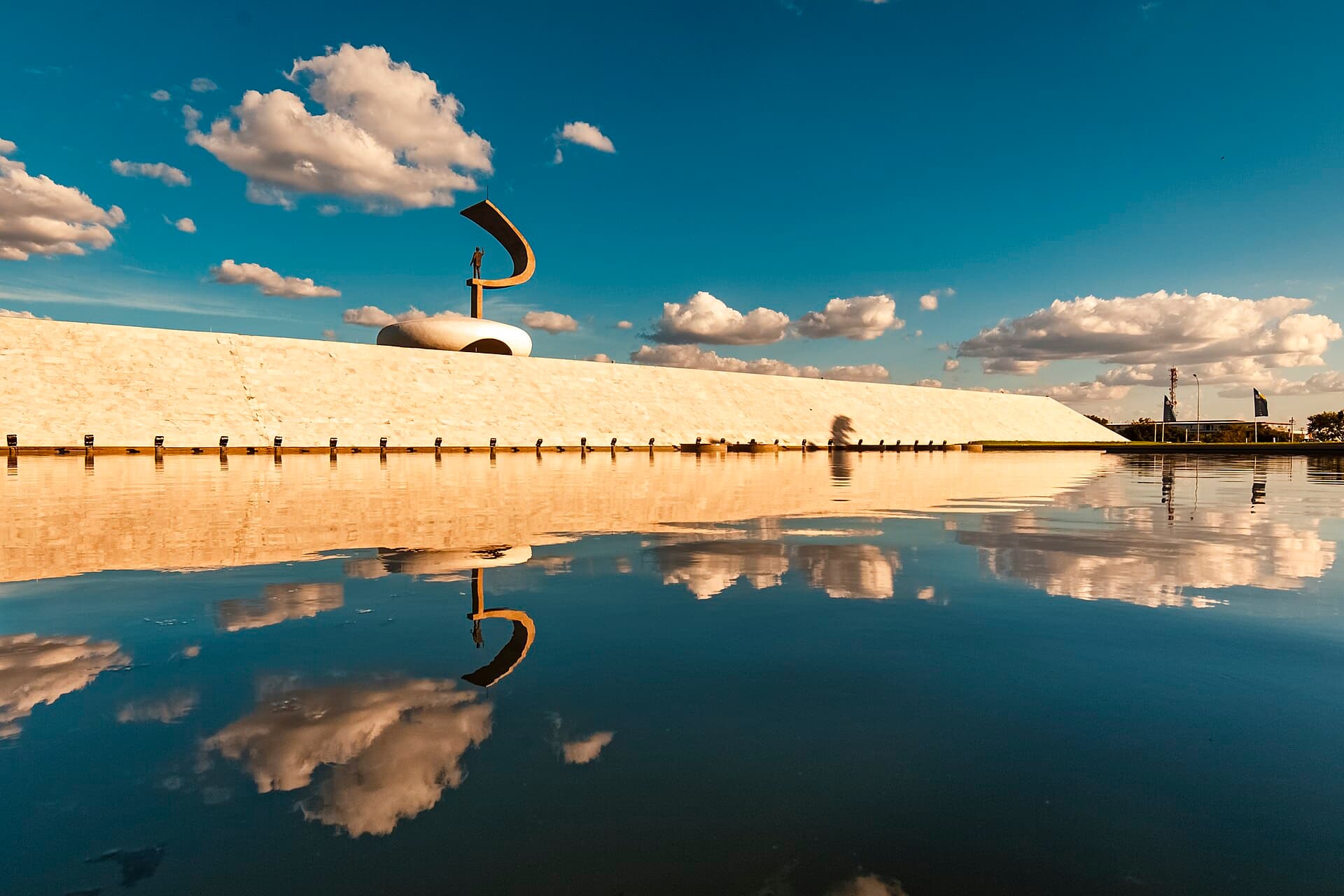 JK MemorialThe JK Memorial is the museum and mausoleum of Juscelino Kubitschek (1902-1976),19 minutes walk4.7
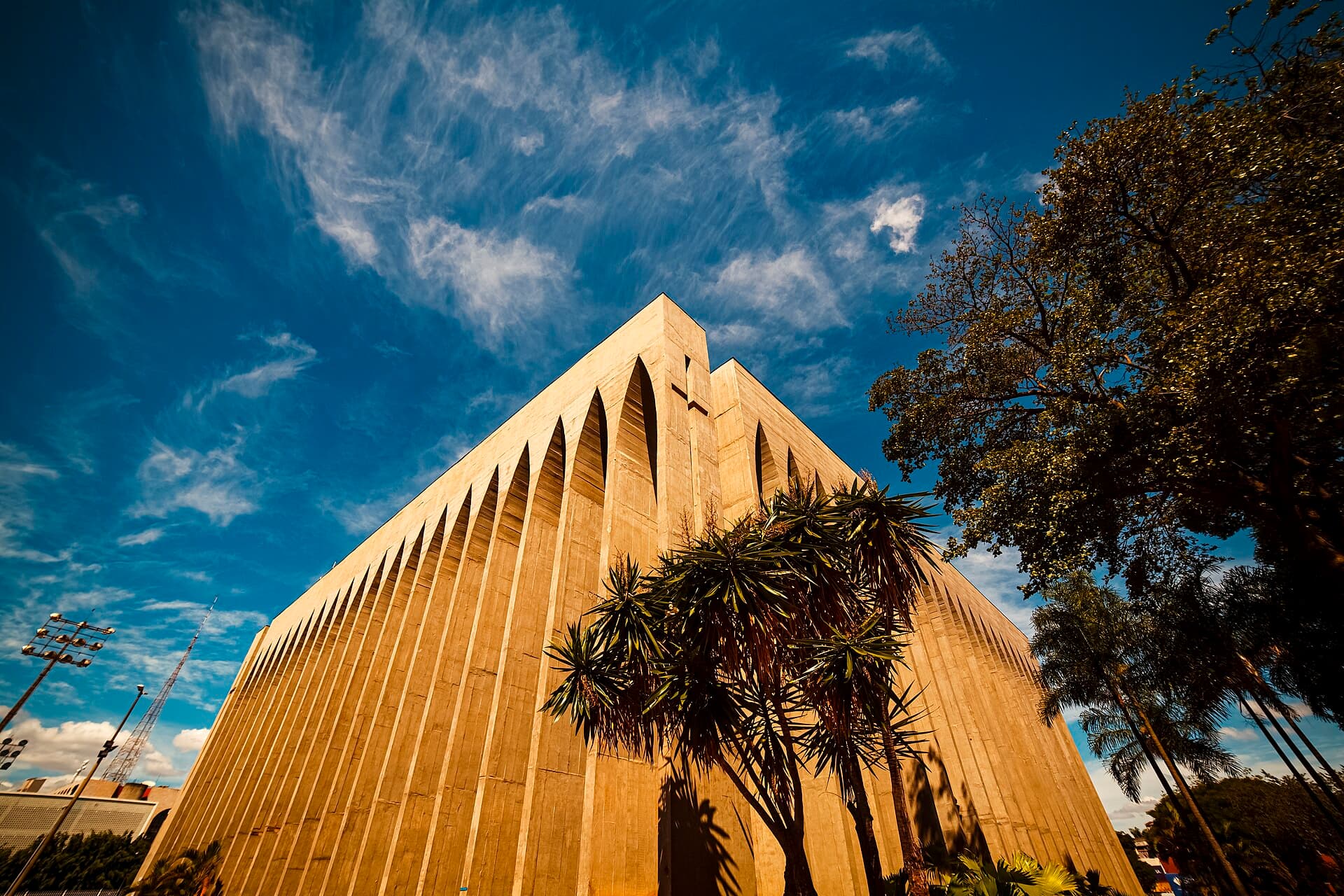 Dom Bosco SanctuaryThe Dom Bosco Sanctuary, a Catholic church in Brasília's Asa Sul, is famous for 24 minutes walk4.8
From the nearby TV Tower on the Eixo Monumental, which shows its round roof and ring of columns in full.