
Gate No. 2
Where Wałęsa leapt and the domino began.
Fallaner — CC BY-SA 4.0 · Photograph by Mike Peel (www.mikepeel.net). — CC BY-SA 4.0 · Photograph by Mike Peel (www.mikepeel.net). — CC BY-SA 4.0 · Photograph by Mike Peel (www.mikepeel.net). — CC BY-SA 4.0
The Solidarity Centre is the fall of the Berlin Wall told from its true door: here — before the surviving Gate No. 2 of the Lenin Shipyard — the electrician Lech Wałęsa leapt the fence (1980) and Solidarity was born, the first free union behind the Iron Curtain with ten million members, beginning the domino that felled European communism within the decade. The building is deliberately rusted steel in ship-hull form — its interior green with hanging inner gardens — the exhibition seven halls from the crane strike (Anna Walentynowicz's own crane displayed) through the UNESCO-listed 21 Demands boards to the Round Table and the Wall's fall — interactive enough to make politics a human story. Facing it stand the three steel crosses of the Fallen Shipyard Workers (1970) — and the whole quarter (the Road to Freedom) walks from monument to yard: the Gdansk that changed Europe without one bullet telling how.
Where Wałęsa leapt and the domino began.
The crane of the woman whose firing lit the strike.
1970's fallen in soaring steel.
Plac Solidarności 1, 80-863 Gdansk
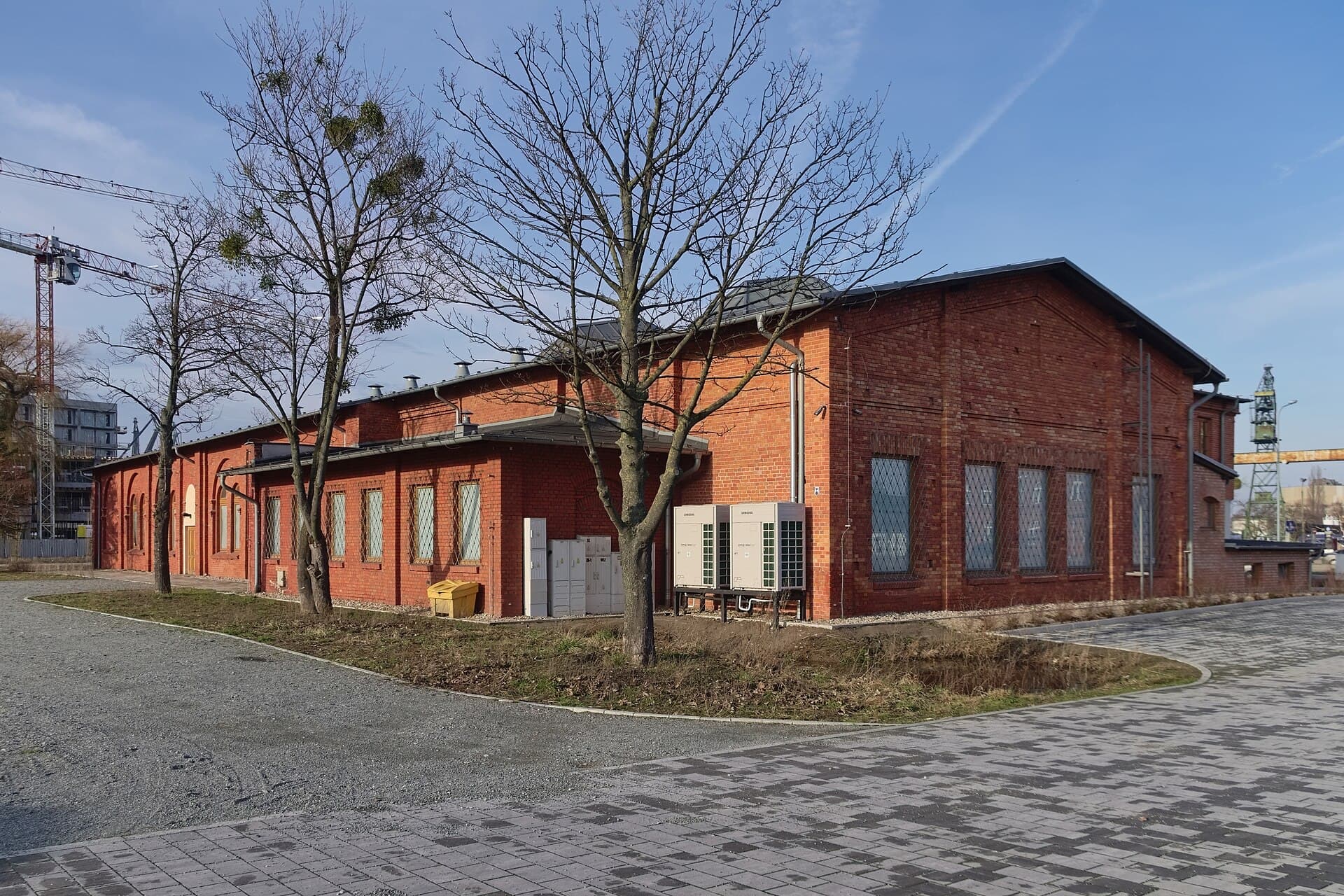 BHP Hall, Gdańsk ShipyardAn ordinary-looking hall inside the Gdańsk shipyard where, on 31 August 1980, an2 minutes walk4.5
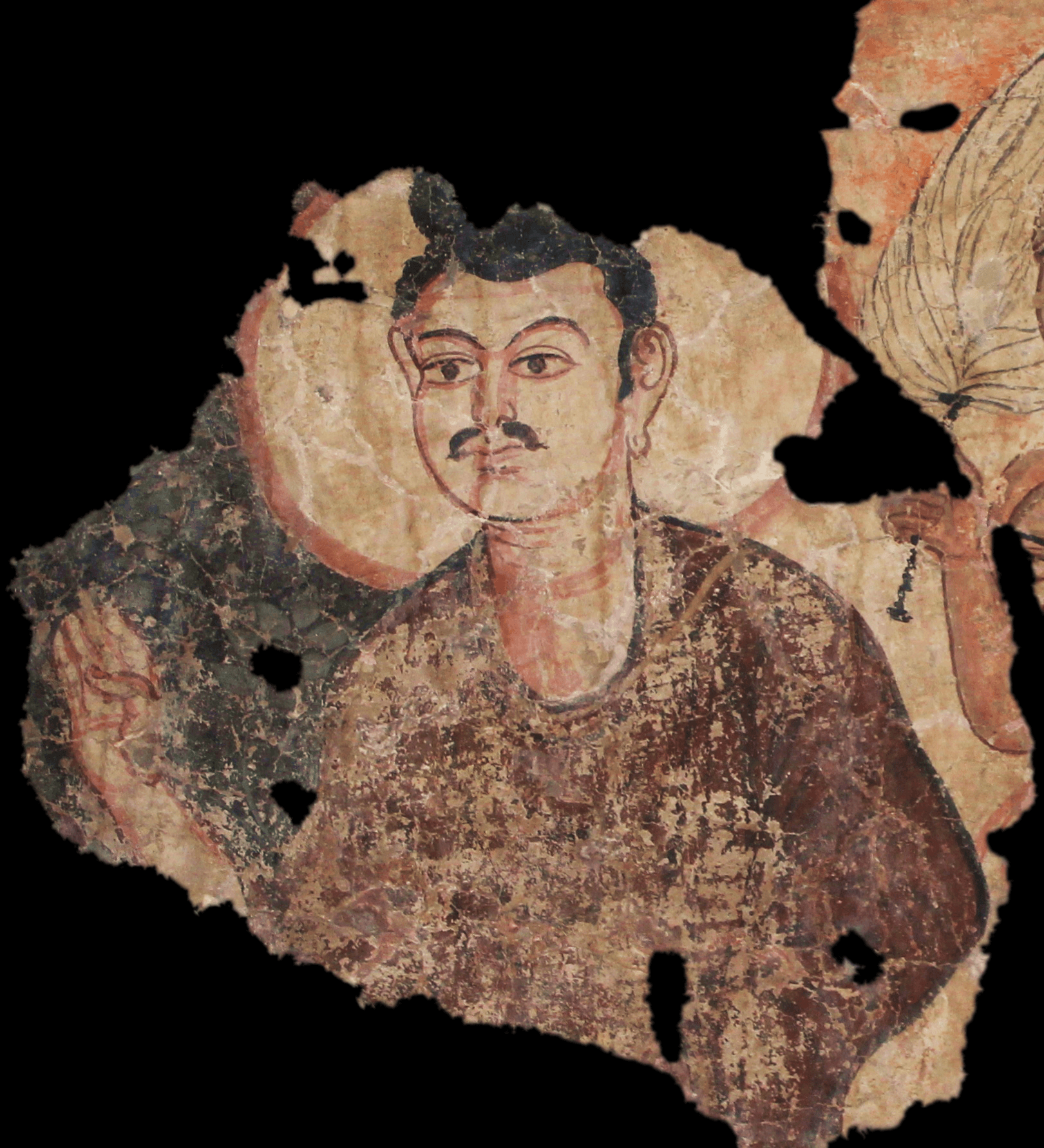 NOMUS New Art MuseumA contemporary art museum in Gdansk's old shipyard district, opened in 2021 insi3 minutes walk4.2
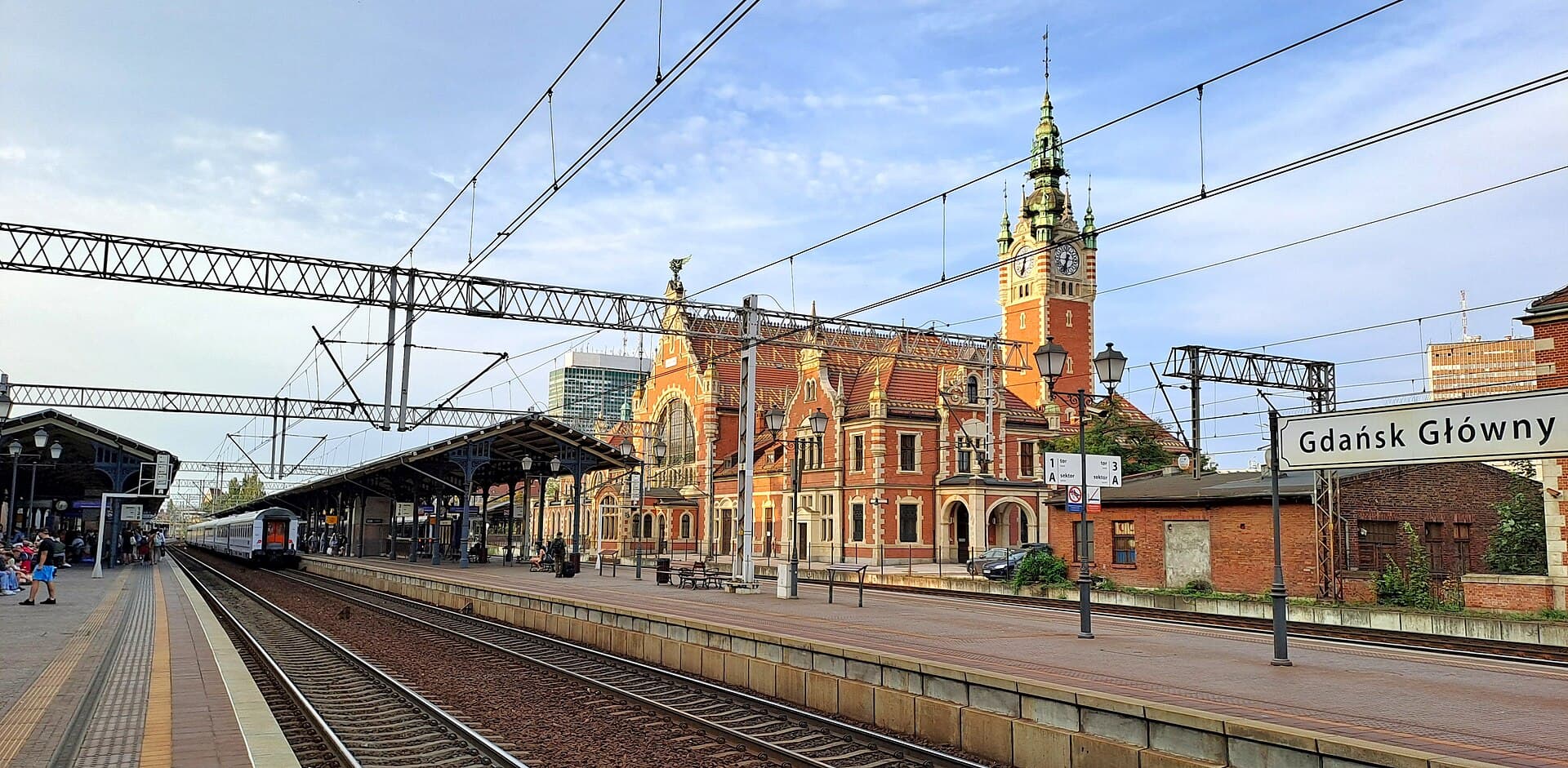 Gdansk Główny StationGdansk's main railway station, whose building is among the most striking put up 9 minutes walk4.3
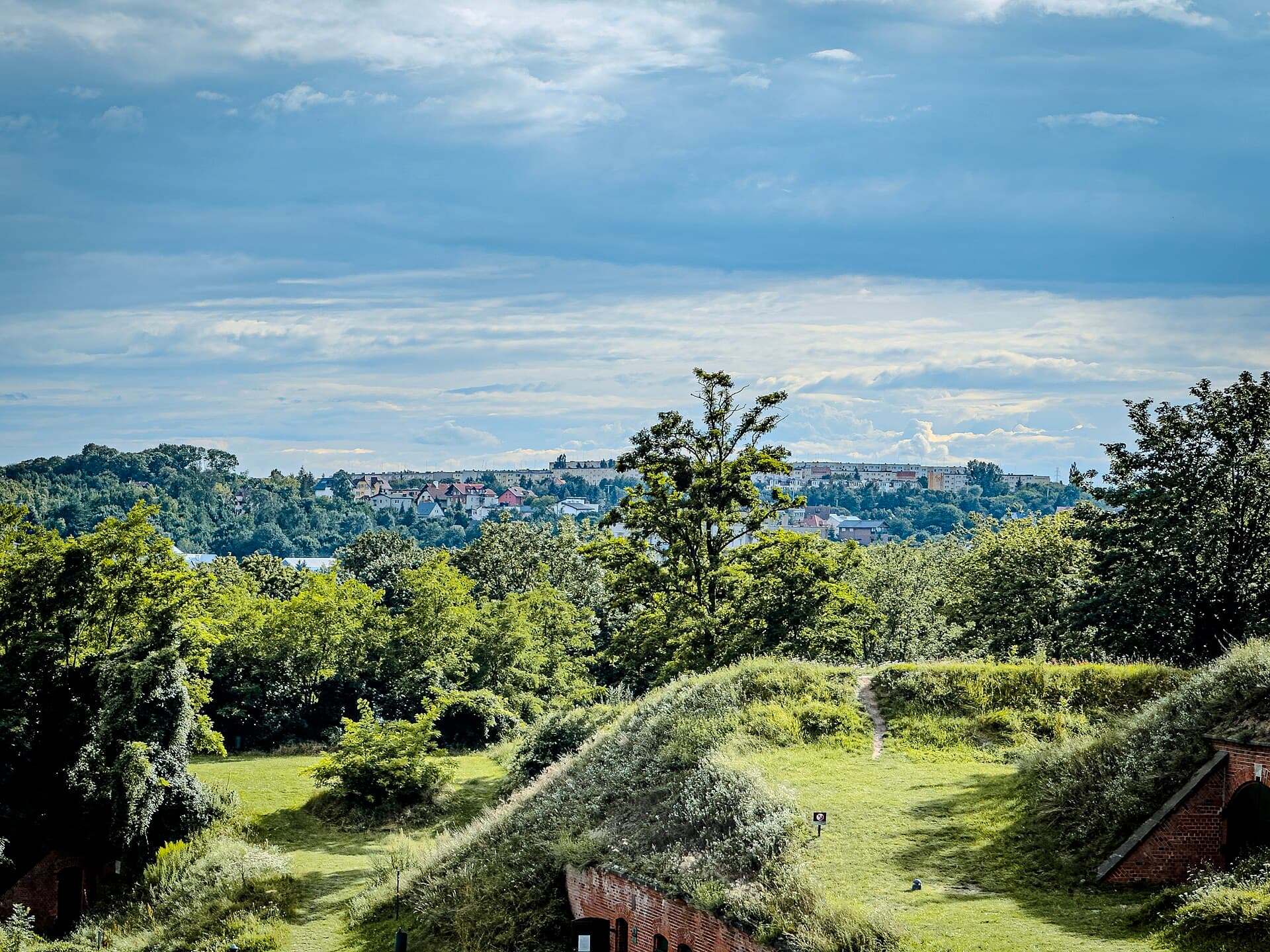 Góra GradowaA hill rising west of Gdańsk's old town, carrying the remains of seventeenth-cen9 minutes walk4.7
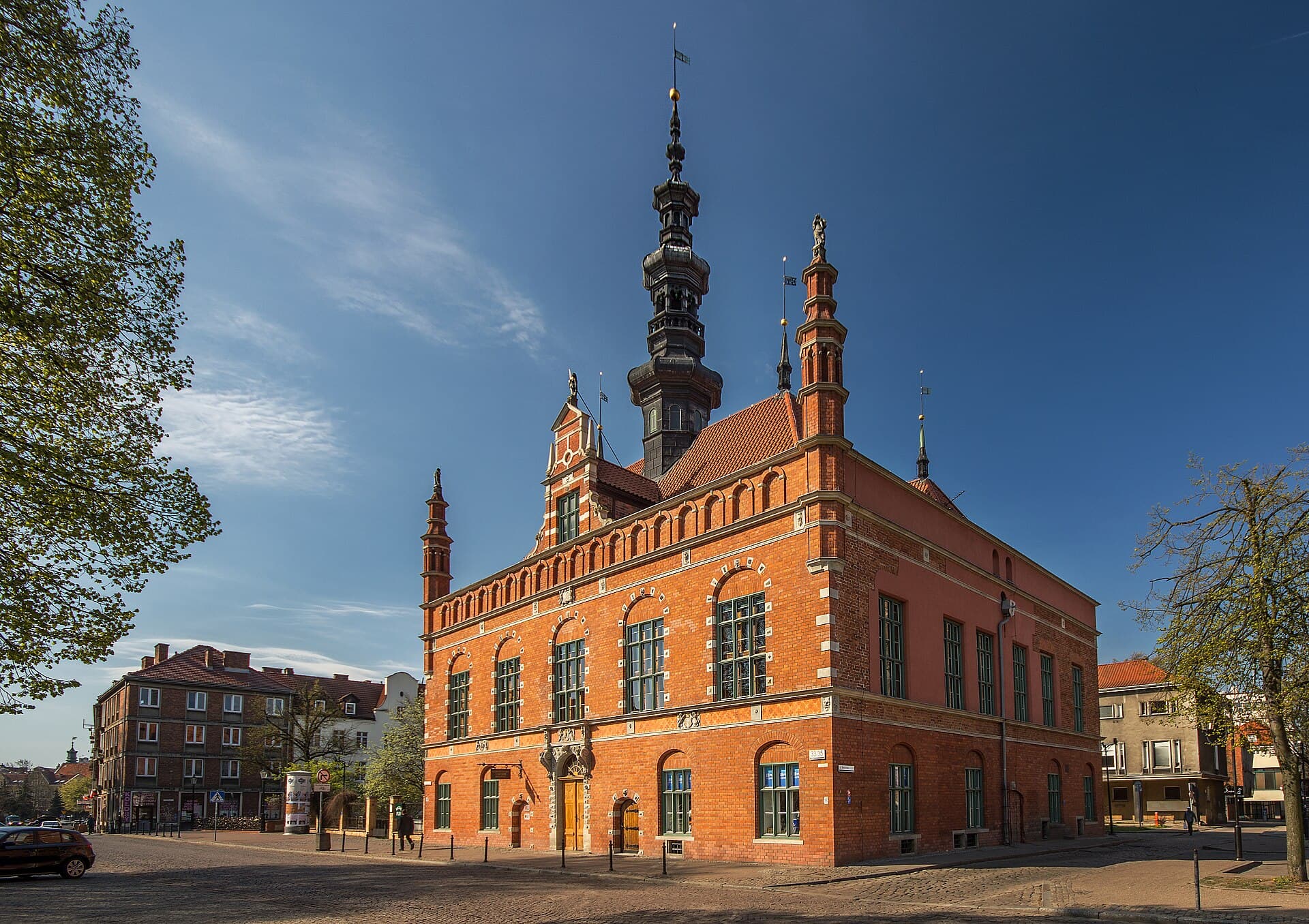 The Old Town HallA late sixteenth-century town hall on the Radunia Canal, built to serve the Old 10 minutes walk4.7
The documented chain: the 1980 strike, then communism's first recognition of a free union — martial law and repression — a stronger return, the near-free 1989 elections, eastern Europe's first non-communist government — then all the walls falling in one autumn. Wałęsa to the presidency and the Nobel — the lesson hung in the halls: small beginnings fell empires.