
The first demand
Not wages, but the right to unions independent of the party.
Adrian Tync — CC BY-SA 4.0 · Photograph by Mike Peel (www.mikepeel.net). — CC BY-SA 4.0 · Andrzej Otrębski — CC BY-SA 4.0 · Artur Andrzej — CC0
An ordinary-looking hall inside the Gdańsk shipyard where, on 31 August 1980, an agreement was signed that changed the course of Europe. The hall was used for workplace safety lectures — hence its name. In August 1980 the shipyard workers struck under the electrician Lech Wałęsa, occupied the yard and raised twenty-one demands. The first was not wages but the right to form trade unions independent of the party. After weeks of negotiation in this very hall, the communist government signed. What resulted was Solidarity — the first independent trade union in the Eastern Bloc, which reached ten million members within months, a quarter of the country's population. What followed is known: martial law in 1981, then negotiations, then the elections of 1989 that ended communist rule in Poland peacefully — and set off a chain that ended the whole Eastern Bloc before the year was out. The hall is preserved with the signing table itself. It is small and unremarkable, and that is part of its effect.
Not wages, but the right to unions independent of the party.
A quarter of Poland's population joined Solidarity within months.
Preserved in place, in a wholly ordinary hall — which is part of its effect.
Shipyard grounds, north of the centre
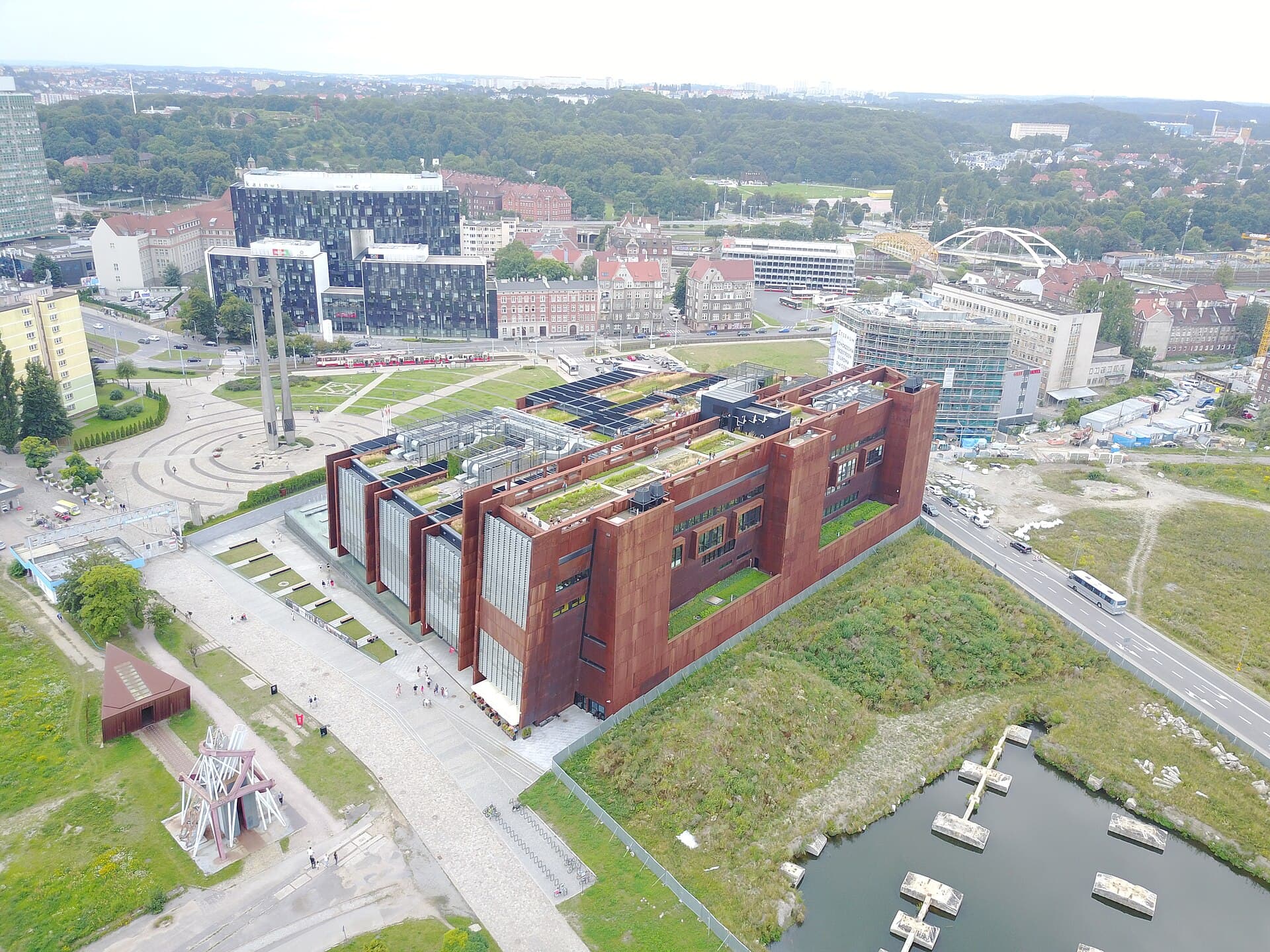 The European Solidarity CentreThe Solidarity Centre is the fall of the Berlin Wall told from its true door: he2 minutes walk4.7
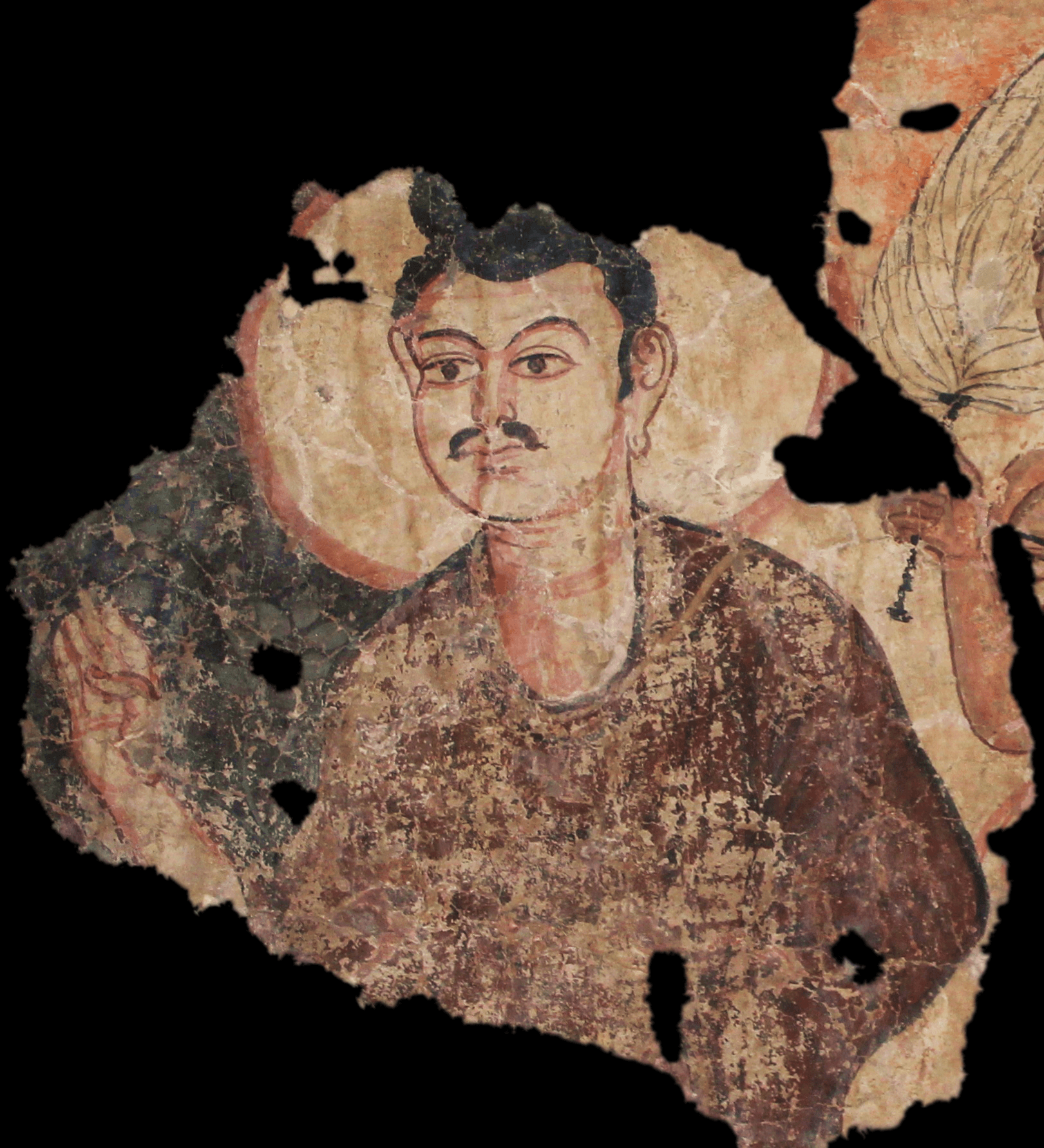 NOMUS New Art MuseumA contemporary art museum in Gdansk's old shipyard district, opened in 2021 insi4 minutes walk4.2
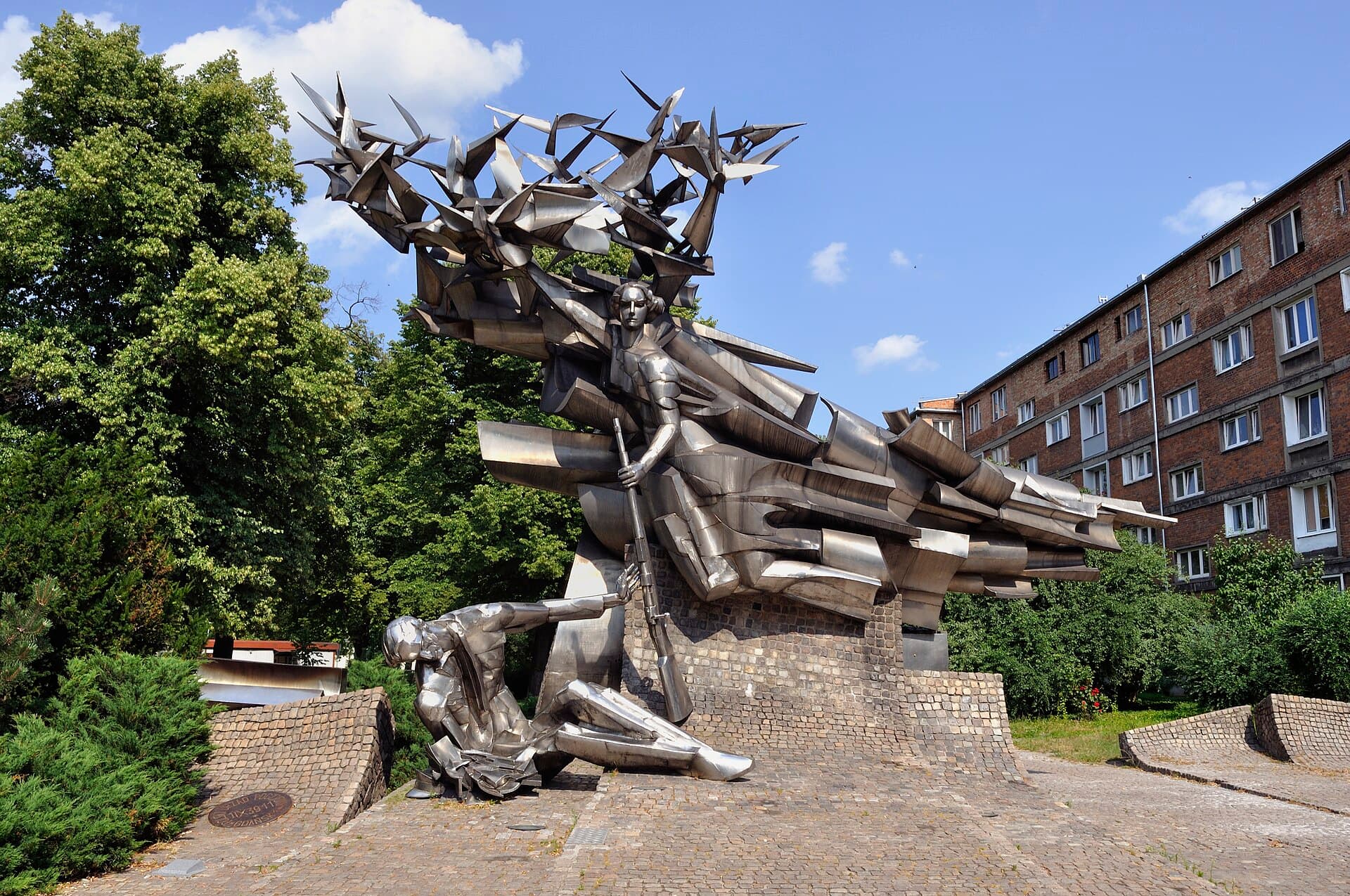 The Monument to the Defenders of the Polish Post OfficeA monument and museum in the Polish Post Office building in Gdańsk, where one of9 minutes walk4.6
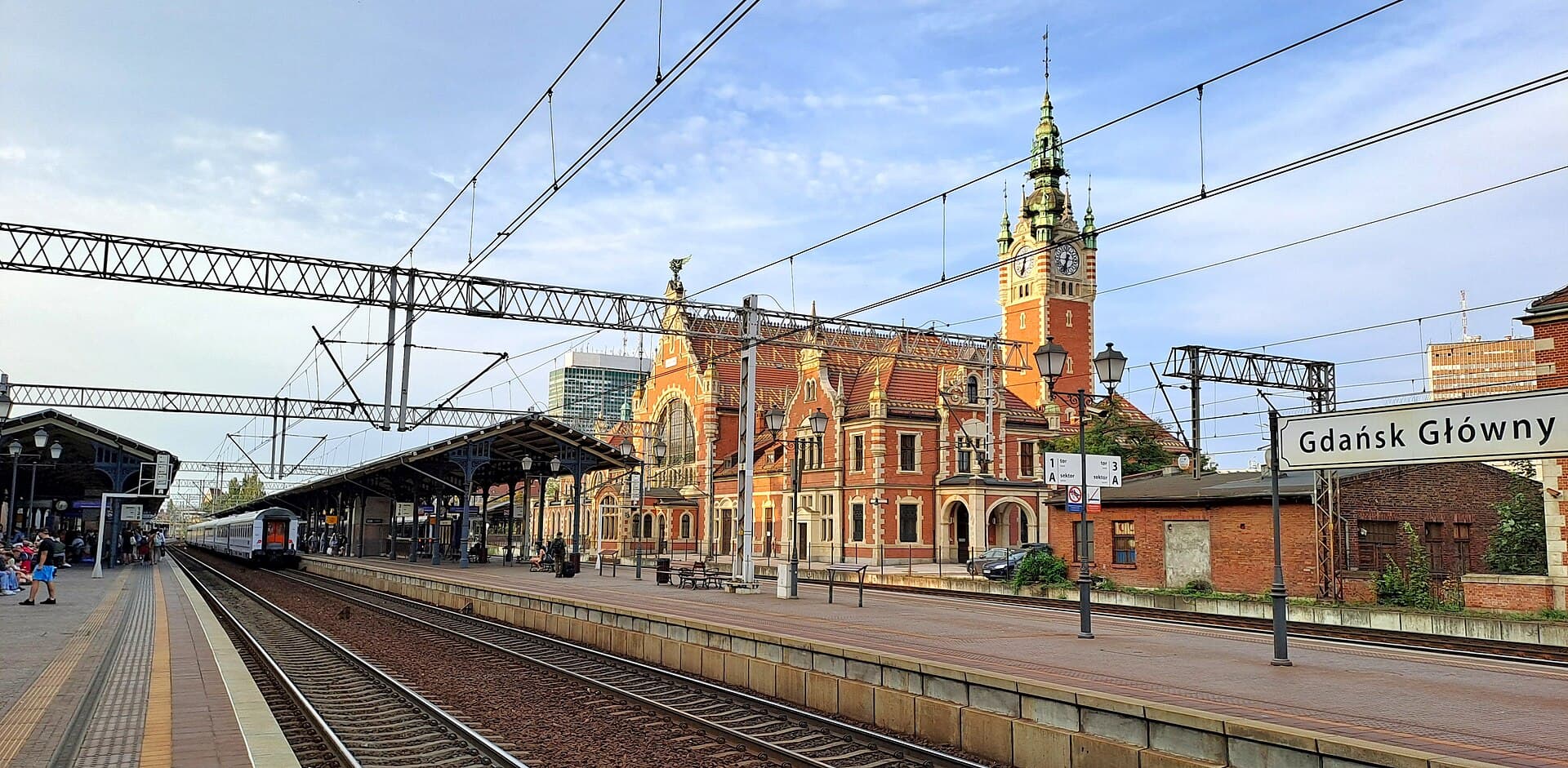 Gdansk Główny StationGdansk's main railway station, whose building is among the most striking put up 10 minutes walk4.3
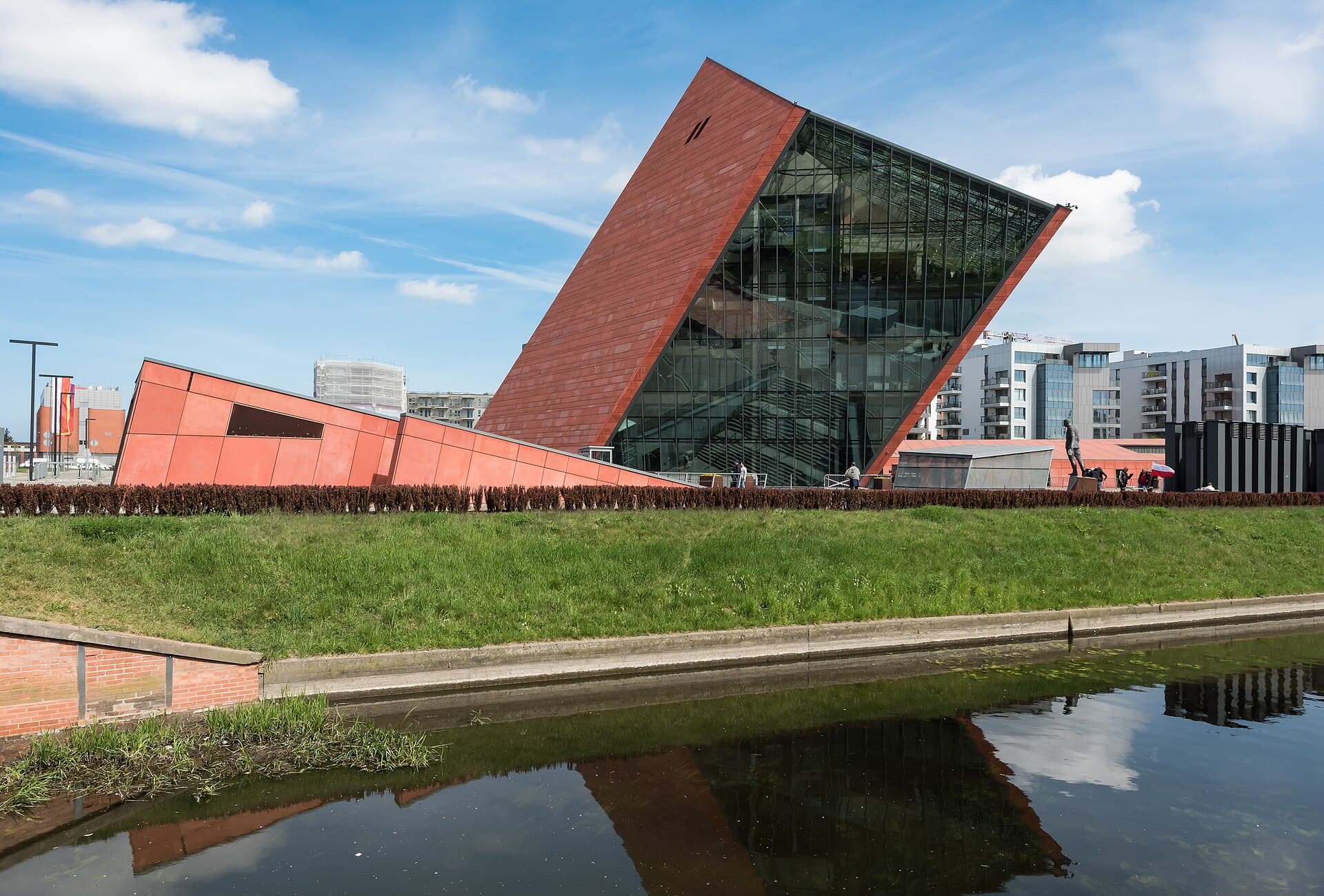 The Museum of the Second World WarThe WWII Museum is Poland's largest museum undertaking: a leaning glass tower wh10 minutes walk4.9
Poland was the first country in the bloc whose communist regime negotiated with the opposition and accepted partly free elections in June 1989. Solidarity's overwhelming win there broke the assumption that these regimes did not fall. In the months that followed, the governments of Hungary, East Germany, Czechoslovakia, Bulgaria and Romania all went. It began in this shipyard.
The centre is a large rusted-steel building opened in 2014, with a big permanent exhibition telling the whole story and needing two to three hours. The BHP Hall is the actual room where the agreement was signed, small and a matter of minutes. Visit both — the centre for the story, the hall for the place.