
A clock tower with a green dome
The copper weathered green and became the station's mark.
Paju~commonswiki — CC BY-SA 4.0 · Paju~commonswiki — CC BY-SA 4.0 · Diego Delso — CC BY-SA 3.0 · Andrzej Otrębski — CC BY-SA 4.0
Gdansk's main railway station, whose building is among the most striking put up in the city at the turn of the twentieth century and still works fully as a station. It opened in 1900 when the city was German and called Danzig, and was designed in the Neo-Renaissance manner drawn from the architecture of northern Germany and the Netherlands: red brick, stepped gables and a tall clock tower with a copper dome long since turned green. The intention was that the station should read as an extension of the city's Hanseatic architecture rather than an alien object in it. The building burned in 1945, leaving little but its walls, and was rebuilt after the war in the same form — as the whole Main Town was. This is a working station, not a museum piece: trains run from here to Warsaw, Krakow, Sopot and Gdynia, along with the fast suburban line linking the three cities. Most visitors to Gdansk will pass through it without planning to. Practical points: passing through is free and always open. The façade reads best from the west side.
The copper weathered green and became the station's mark.
Designed to extend the Hanseatic architecture, not to interrupt it.
Gdansk, Sopot and Gdynia are linked by one fast line.
Podwale Grodzkie, Gdansk
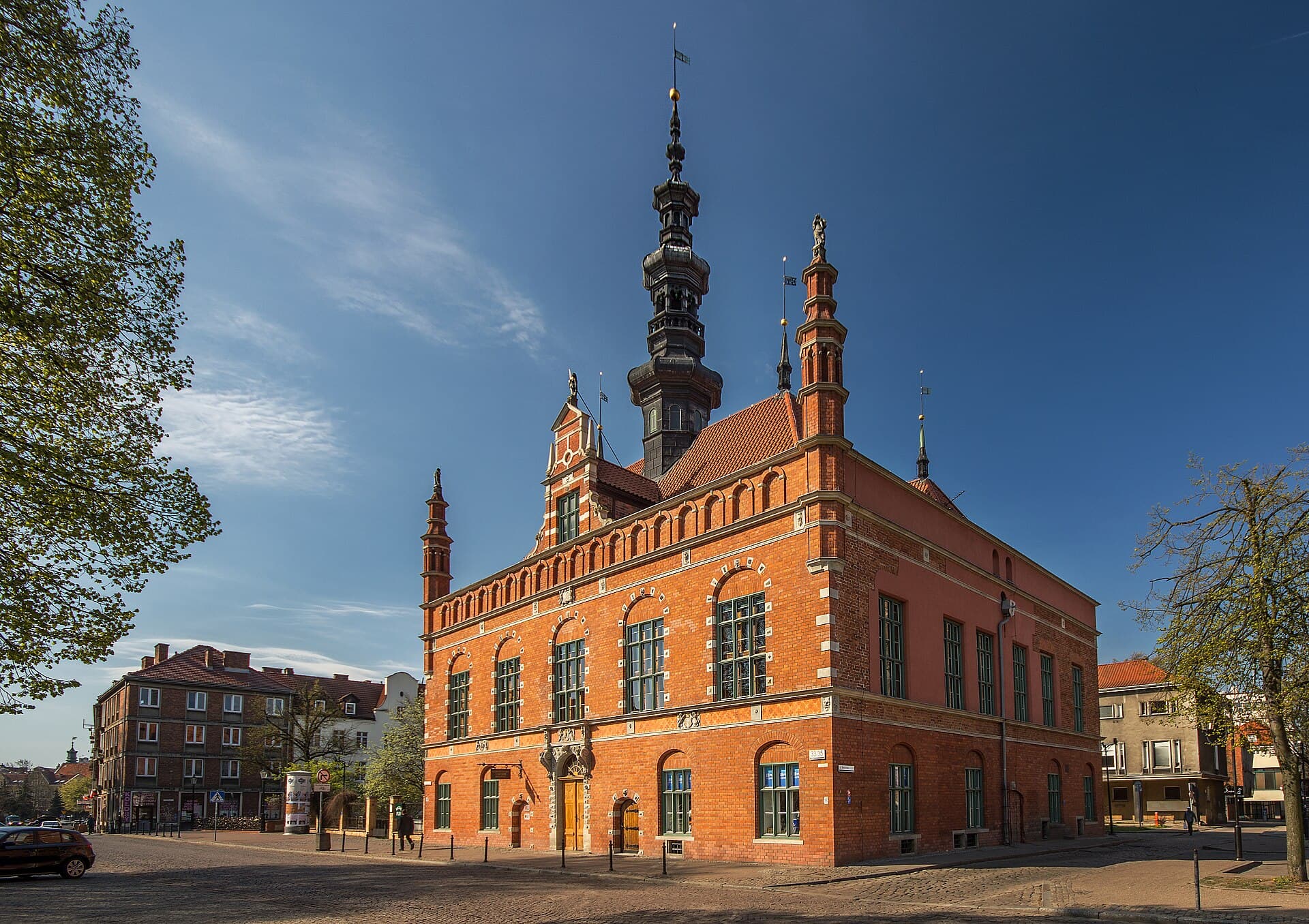 The Old Town HallA late sixteenth-century town hall on the Radunia Canal, built to serve the Old 3 minutes walk4.7
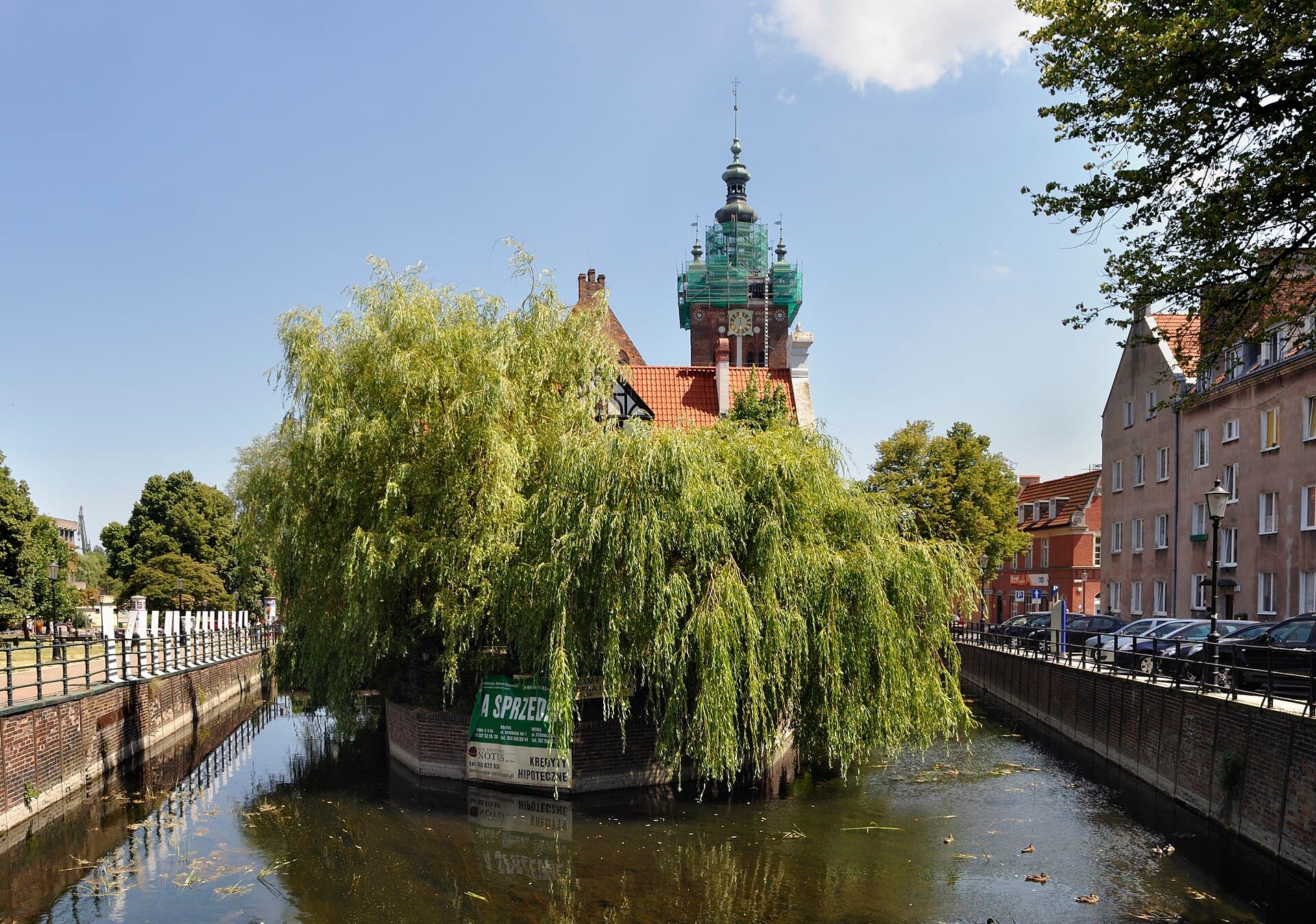 The Radunia CanalAn artificial canal cut in the fourteenth century to bring the water of the Radu4 minutes walk4.9
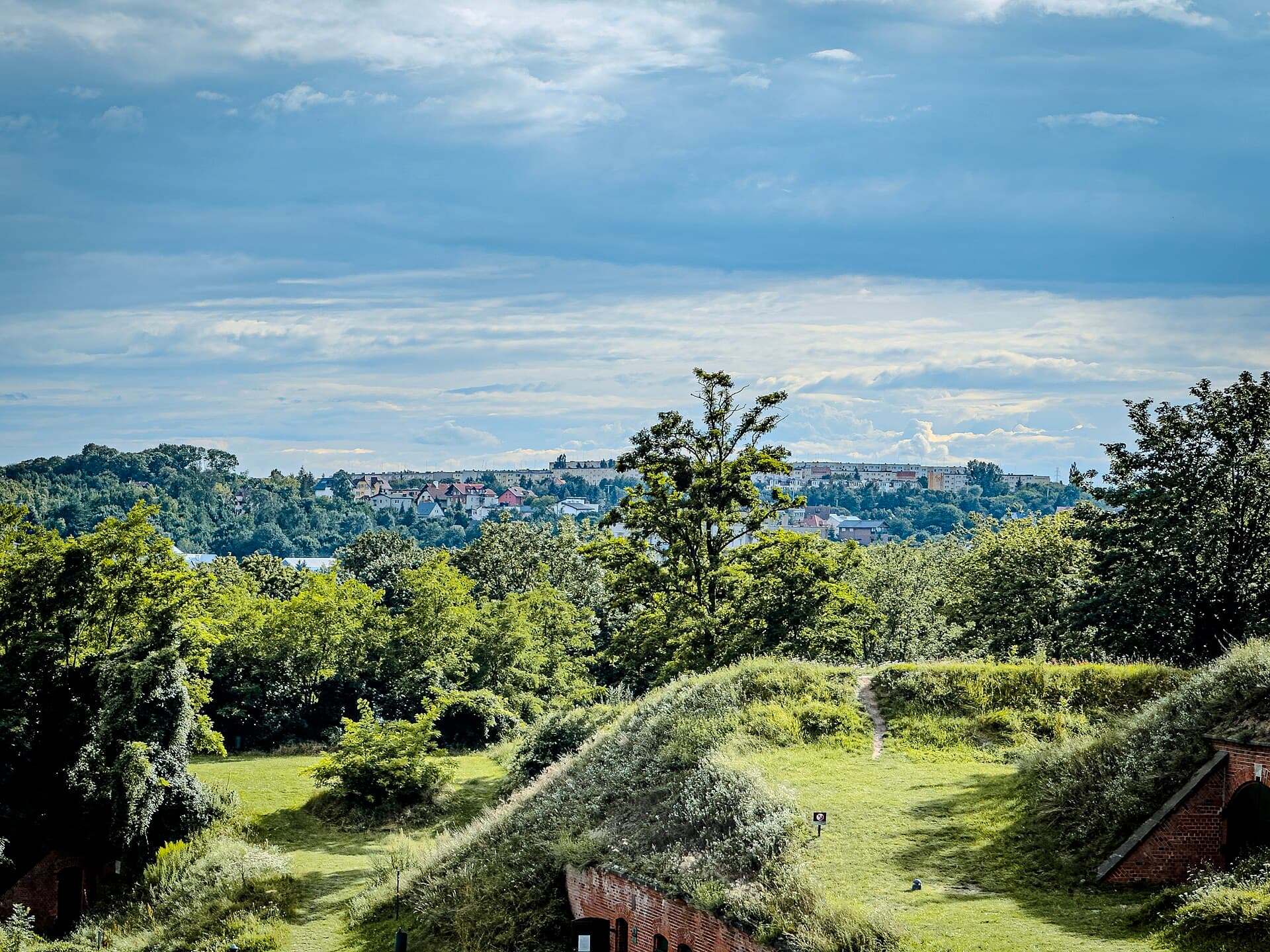 Góra GradowaA hill rising west of Gdańsk's old town, carrying the remains of seventeenth-cen4 minutes walk4.7
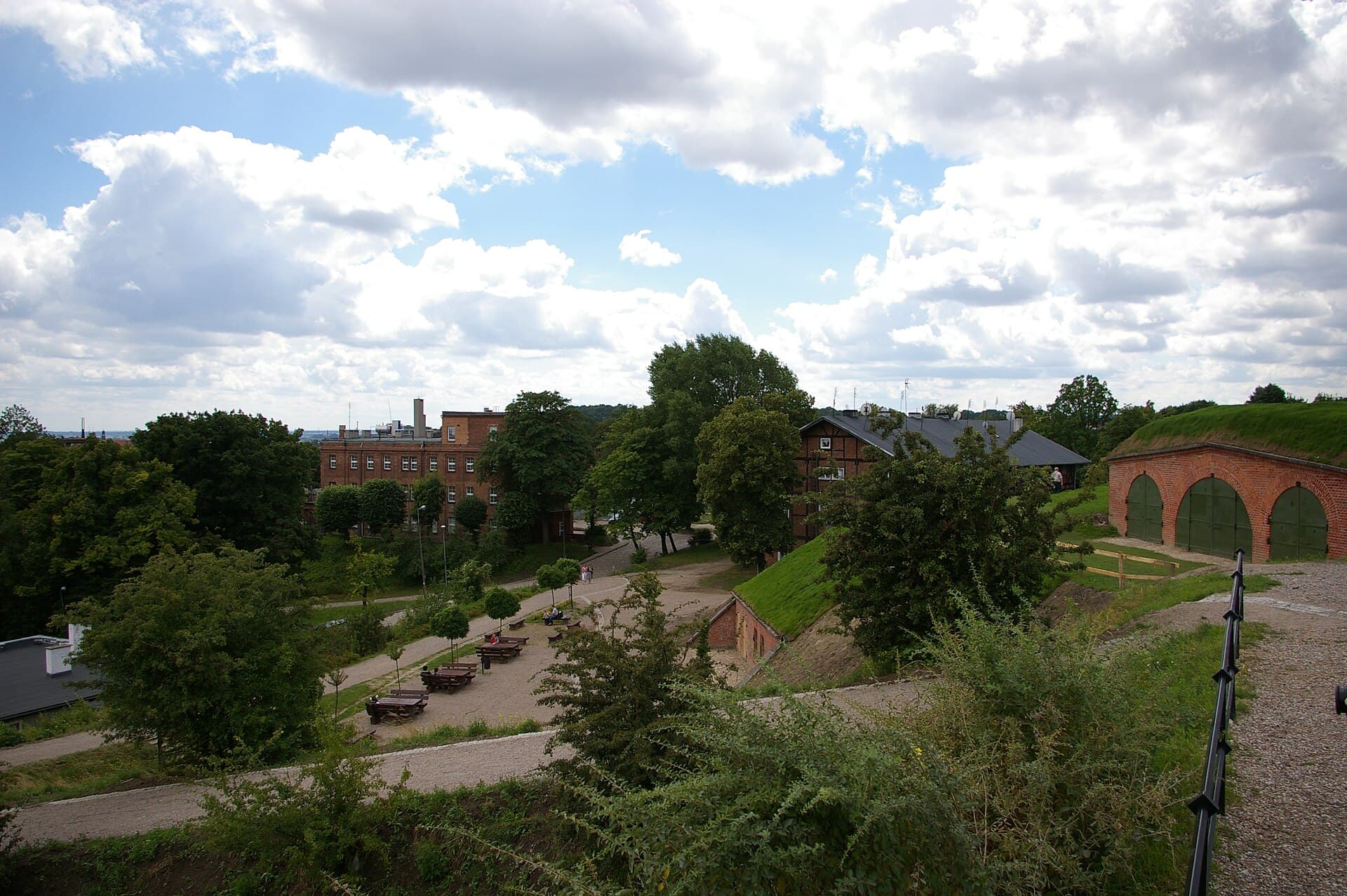 Hevelianum Science CentreAn interactive science centre inside seventeenth-century military fortifications5 minutes walk4.6
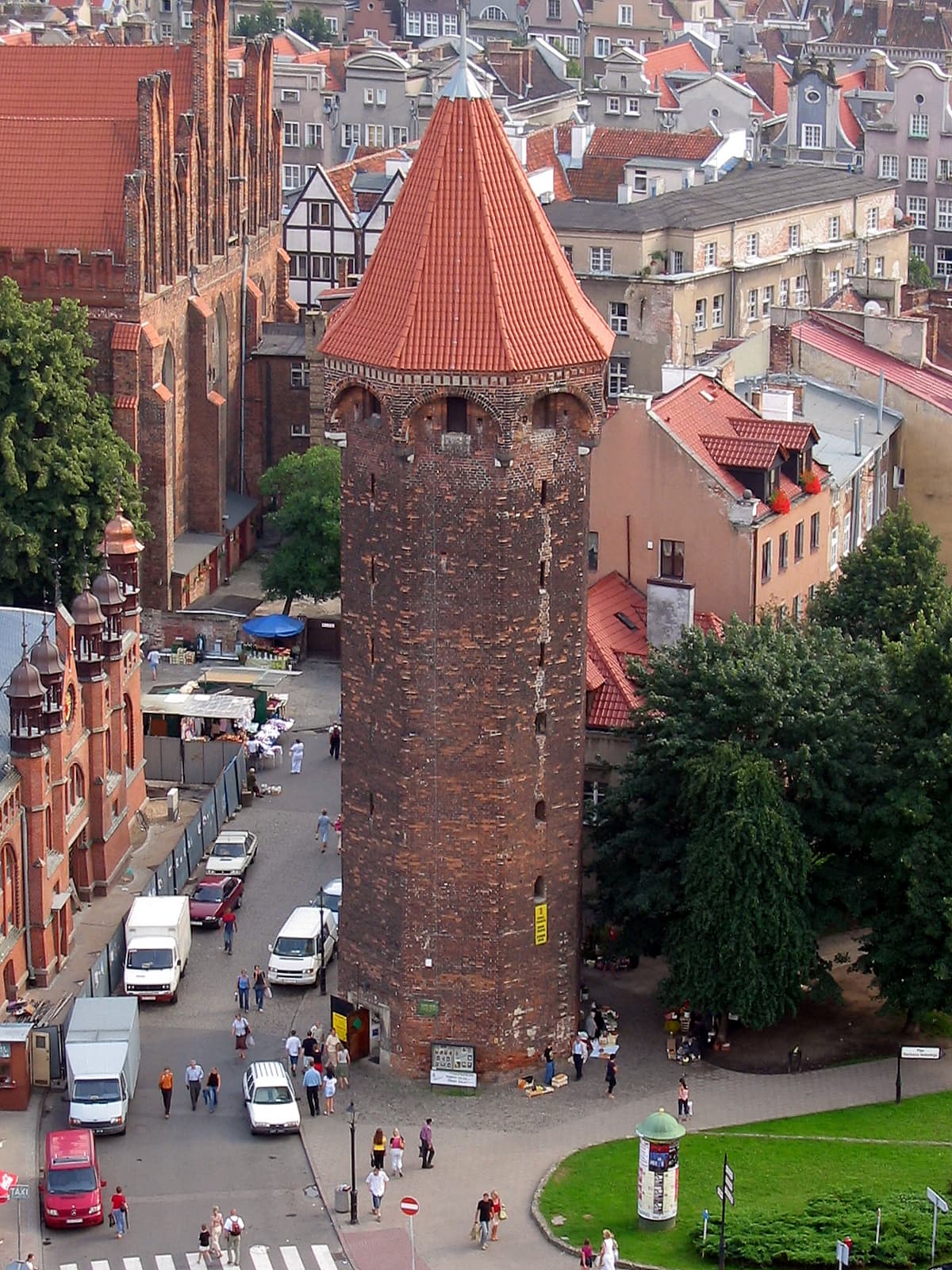 The Jacek TowerA fifteenth-century defensive tower, the largest surviving of Gdańsk's fortifica6 minutes walk4.7
By the SKM fast suburban train from this station: Sopot in about twenty minutes and Gdynia in about thirty-five, with trains every few minutes and cheap tickets. Sopot is a seaside resort with the longest wooden pier in Europe, and Gdynia a modern port built in the 1920s — the three together are known as the Tricity.
Usually yes for anyone heading to the city centre: the journey is about three hours by direct express from this station into the heart of Warsaw, whereas flying adds two airport transfers and waiting. Book ahead — fares rise close to departure.