
The Fabergé eggs
Eggs worked in gold and enamel, each concealing a small surprise inside.
3268zauber — CC BY-SA 3.0 · Gerd Eichmann — CC BY-SA 4.0 · Gerd Eichmann — CC BY-SA 4.0 · Gerd Eichmann — CC BY-SA 4.0
The Fabergé Museum in Baden-Baden was the first museum anywhere devoted to the work of Peter Carl Fabergé, jeweller to the Russian tsars. Fabergé is famous for the decorated eggs he made as Easter gifts for the imperial family, each hiding a small surprise inside. The museum is small but its contents are precious: eggs, jewellery, boxes and small objects in gold, enamel and precious stones, worked so finely you need a lens to see it. Its presence in Baden-Baden is no accident — the town was a favourite of the Russian aristocracy in the nineteenth century, and a Russian church still stands here.
Eggs worked in gold and enamel, each concealing a small surprise inside.
Boxes, jewellery and animals carved from precious stones, thumb-sized and astonishingly precise.
The museum explains why Baden-Baden drew the Russian aristocracy in the nineteenth century.
Sophienstraße 30, 76530 Baden-Baden
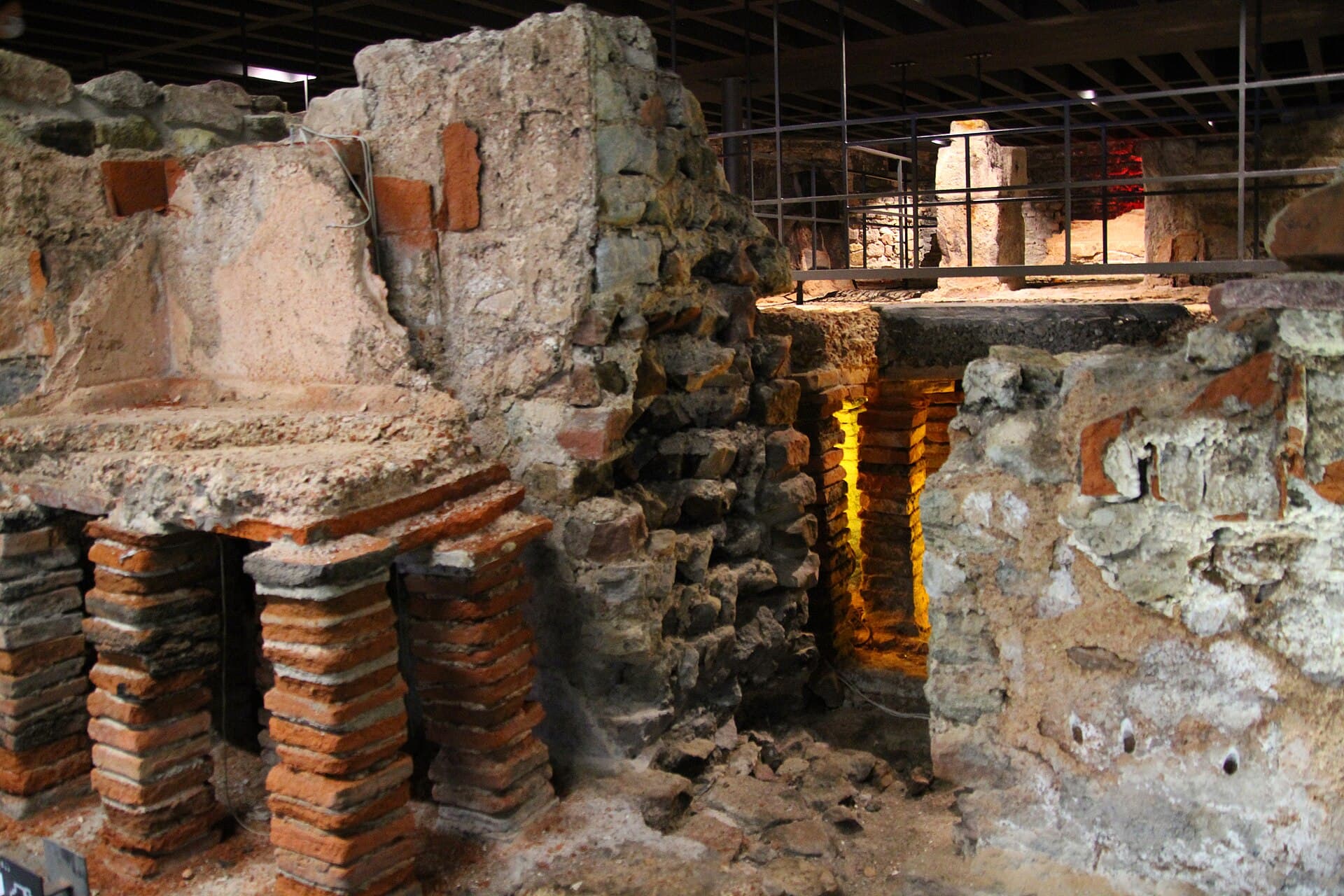 Roman Bath RuinsBeneath a small square in central Baden-Baden lie the remains of Roman baths abo1 minute walk3.9
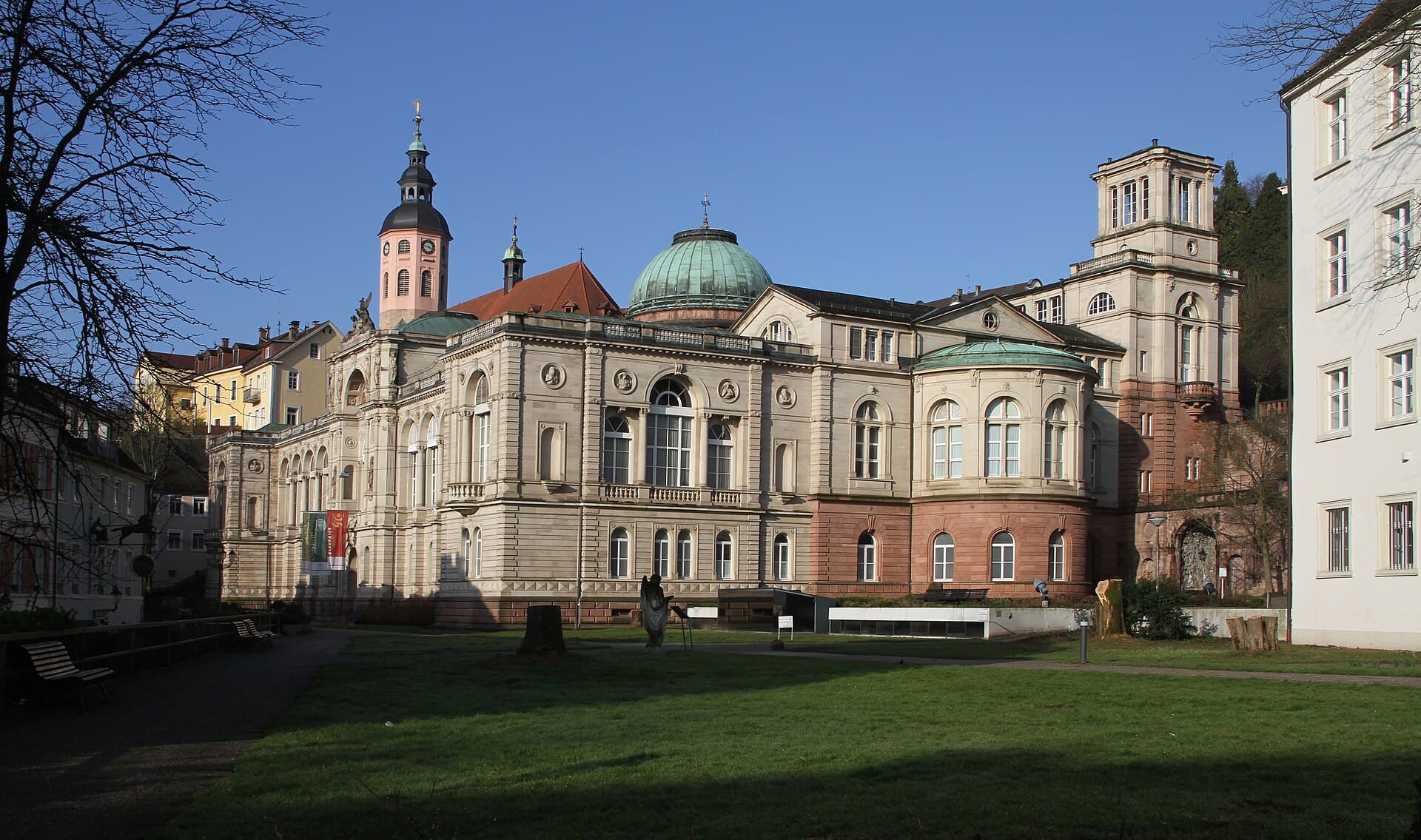 FriedrichsbadThe Friedrichsbad is Baden-Baden's most famous bath, opened in 1877 in a grand, 2 minutes walk4.3
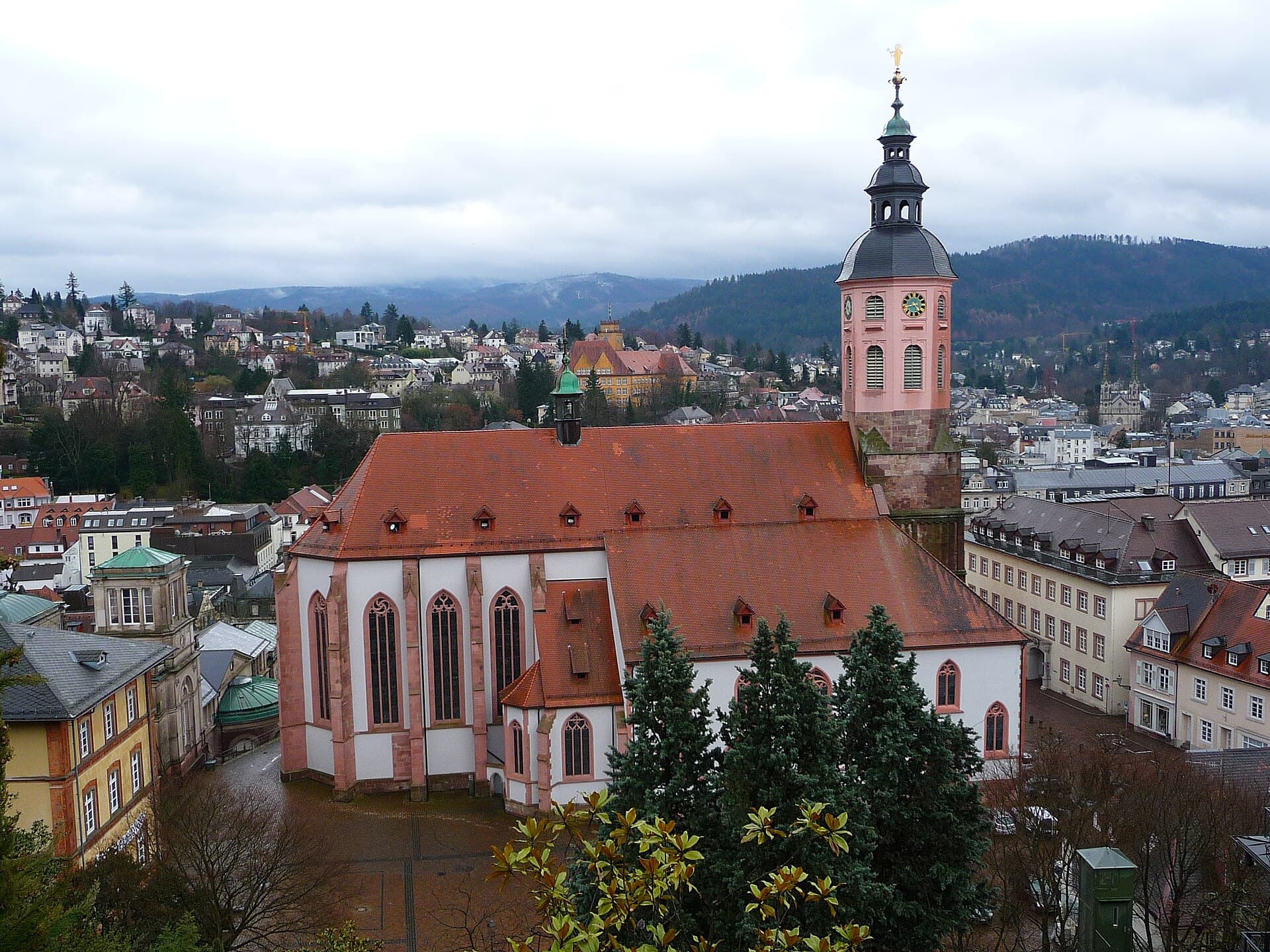 Collegiate ChurchThe Collegiate Church is the oldest important building in Baden-Baden, standing 2 minutes walk4.6
 Society of Friends of Young ArtThe Gesellschaft der Freunde junger Kunst is a small art institution founded in 2 minutes walk4.8
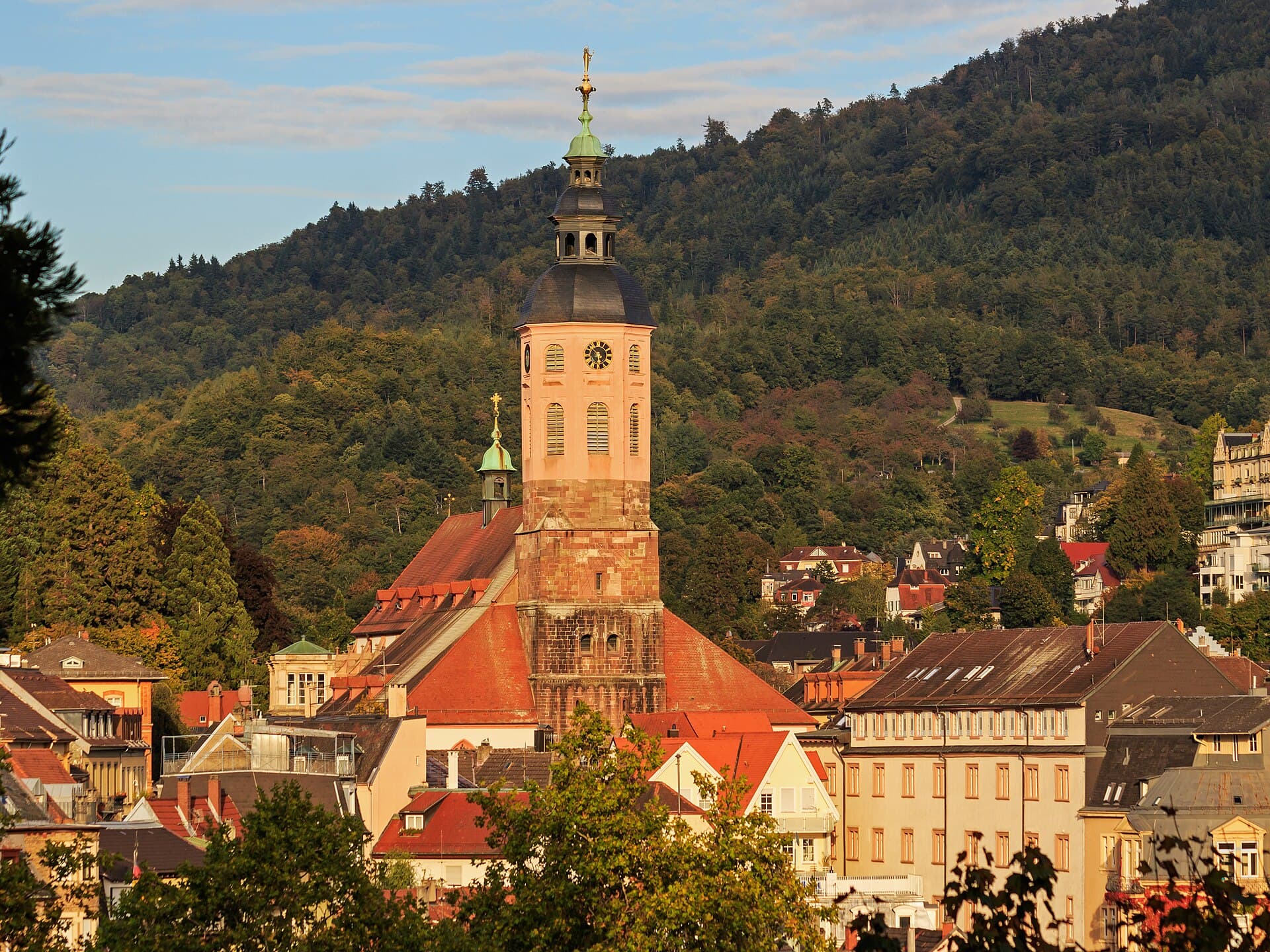 Baden-Baden Old TownBaden-Baden's old town is small as a salon and elegant as two centuries of its g2 minutes walk4.5
If fine jewellery, precise craftsmanship or imperial Russian history interest you, yes. If you want a large museum to spend hours in, no: it is small and the ticket is relatively steep. Read about it before deciding.
About an hour. The pieces are small and need close, unhurried looking, so do not rush despite the size.
The Russian church in Baden-Baden completes the same story, and the Kurhaus and casino are minutes away. The town is small enough to walk between all its sights.