
The founding story
Reconnecting Germany with art after isolation.
Popular Graphic Arts — Public domain · Popular Graphic Arts — Public domain · Creator:Isaac N. Youngs — CC0 · Creator:Isaac N. Youngs — CC0
The Gesellschaft der Freunde junger Kunst is a small art institution founded in 1946 — the year immediately after the Second World War ended, and that timing is the key to understanding it. It was created to show the modern art the Nazi regime had branded degenerate, banned, and seized from German museums for years. Its purpose was to reconnect Germany with contemporary European art after twelve years of enforced cultural isolation. The society began with small exhibitions of German artists who had been banned from working or had emigrated, then broadened to show young artists at the start of their careers — which it has gone on doing ever since. Today it is a modestly sized exhibition space run by a membership society, with a changing programme of contemporary artists, often from the region. The place is very small and the visit takes half an hour, but its story matters more than its floor area — it is a living example of how Germans tried to rebuild their cultural life from nothing.
Reconnecting Germany with art after isolation.
A changing programme of contemporary work.
Baden-Baden, 76530
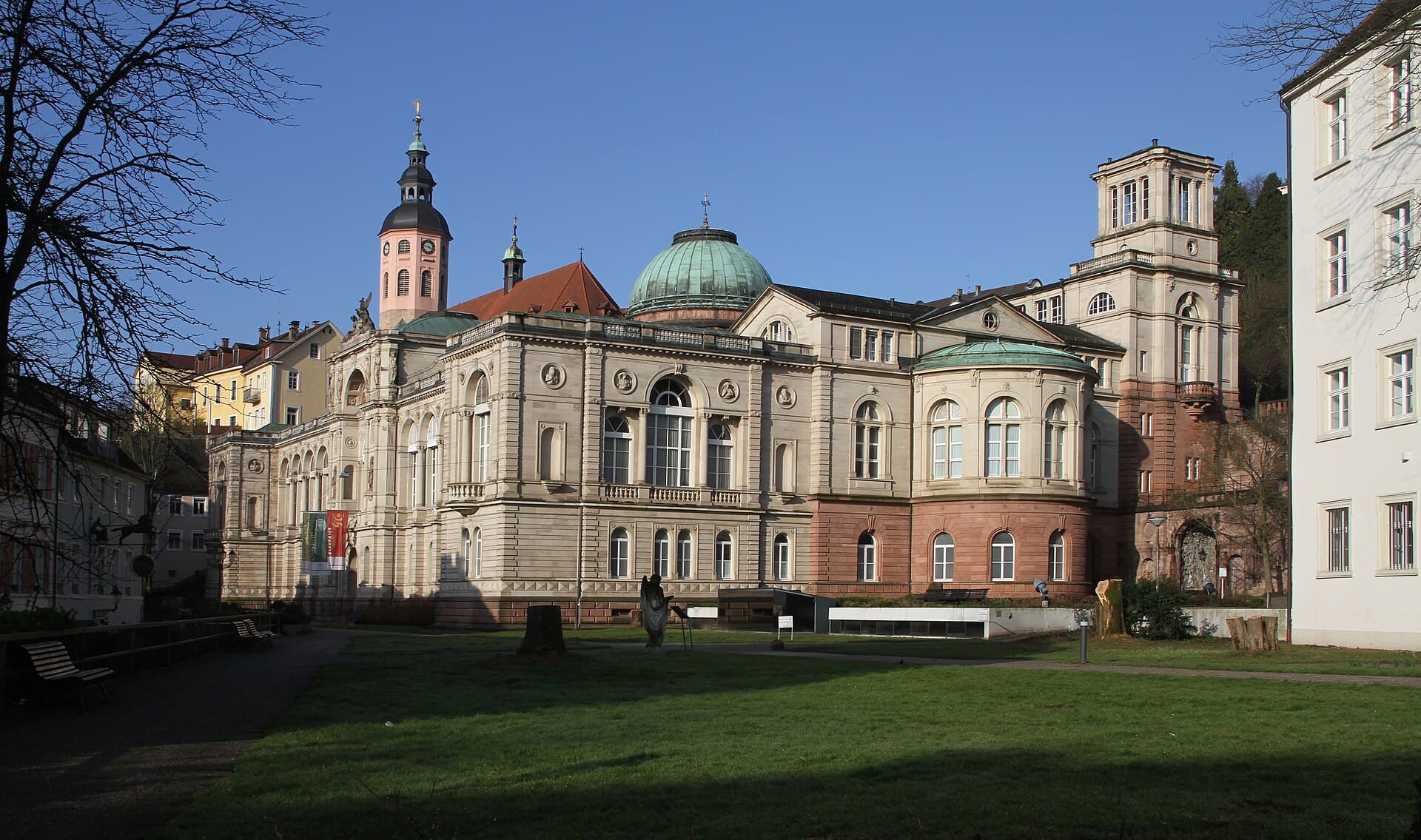 FriedrichsbadThe Friedrichsbad is Baden-Baden's most famous bath, opened in 1877 in a grand, 1 minute walk4.3
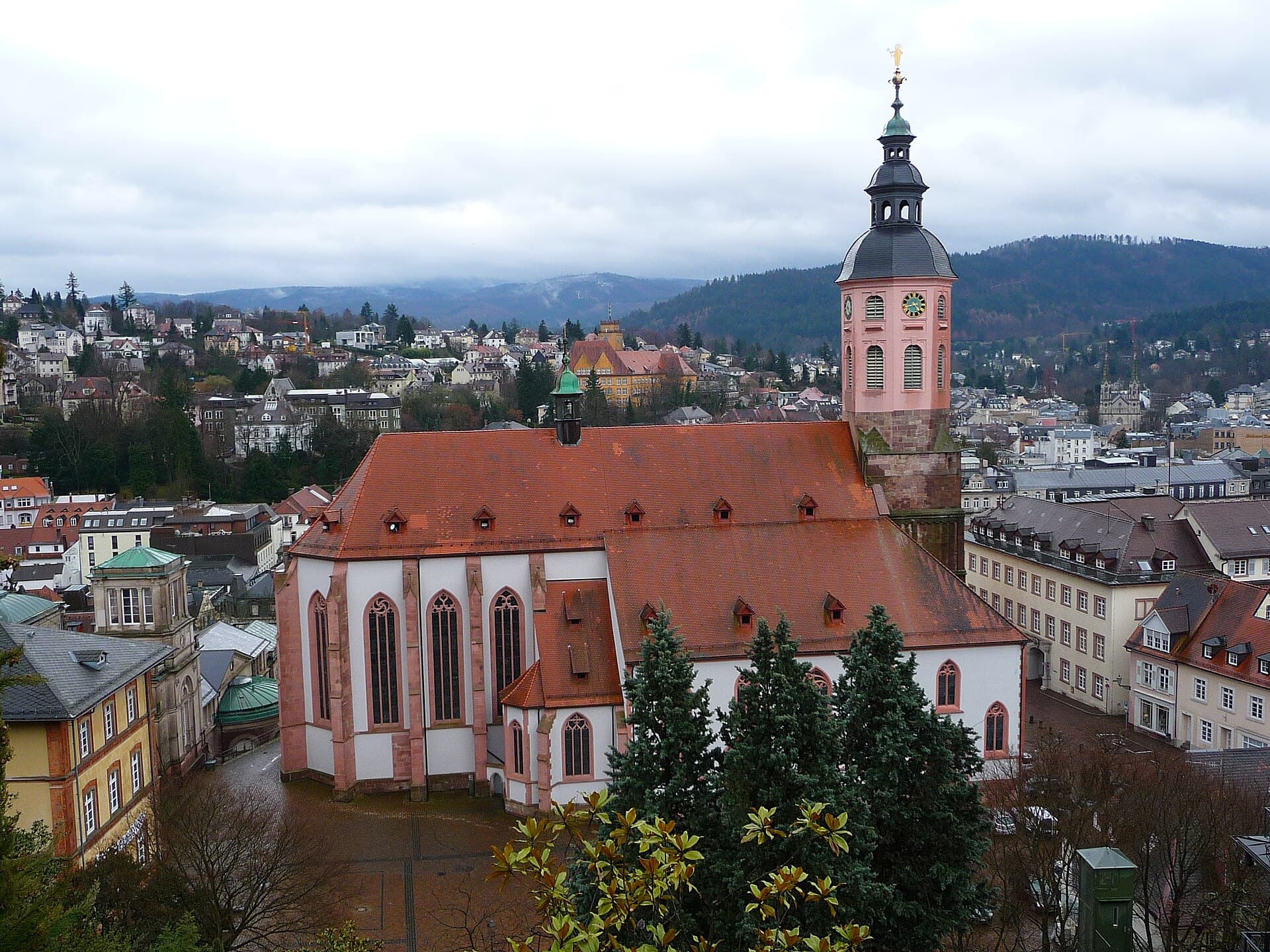 Collegiate ChurchThe Collegiate Church is the oldest important building in Baden-Baden, standing 2 minutes walk4.6
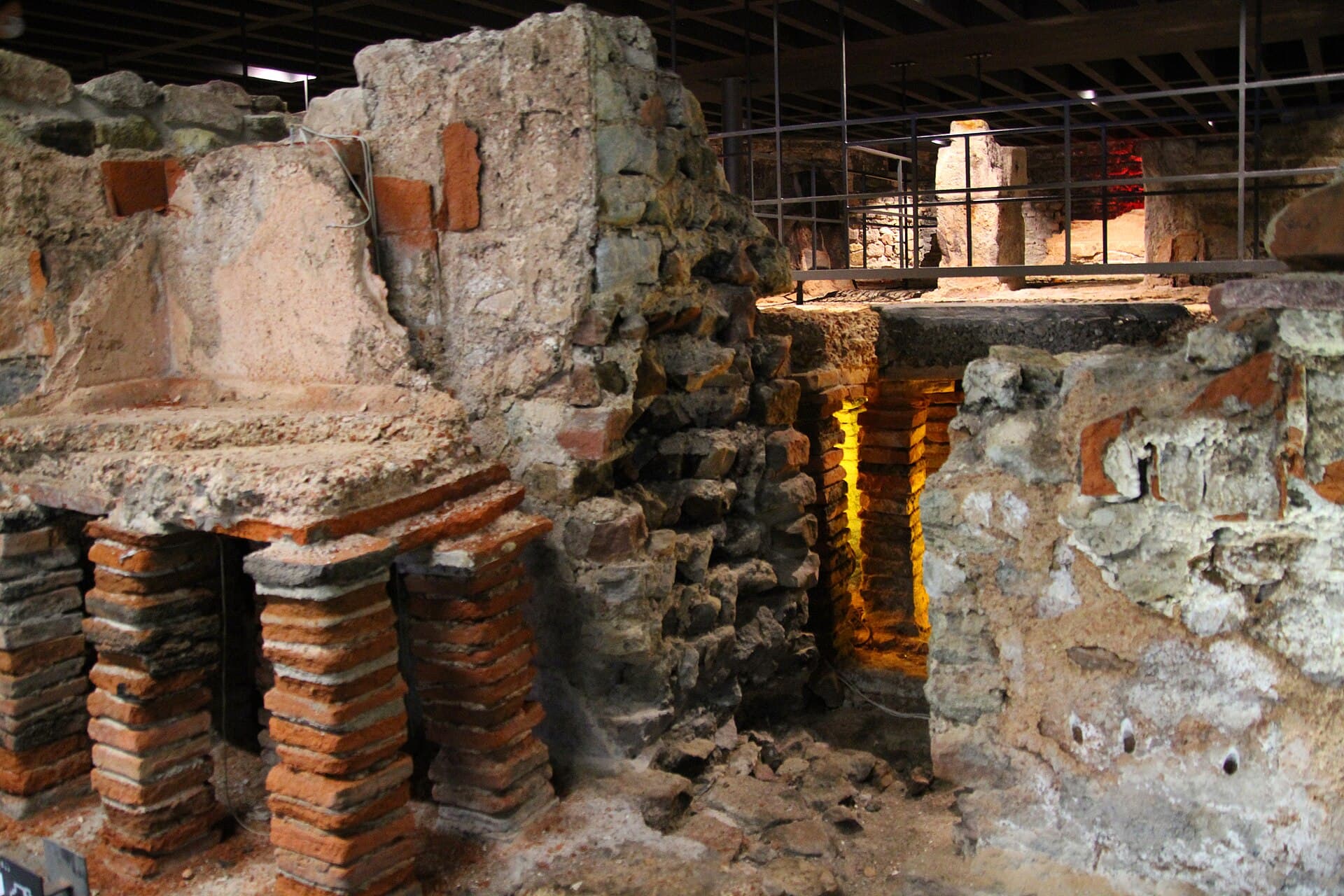 Roman Bath RuinsBeneath a small square in central Baden-Baden lie the remains of Roman baths abo2 minutes walk3.9
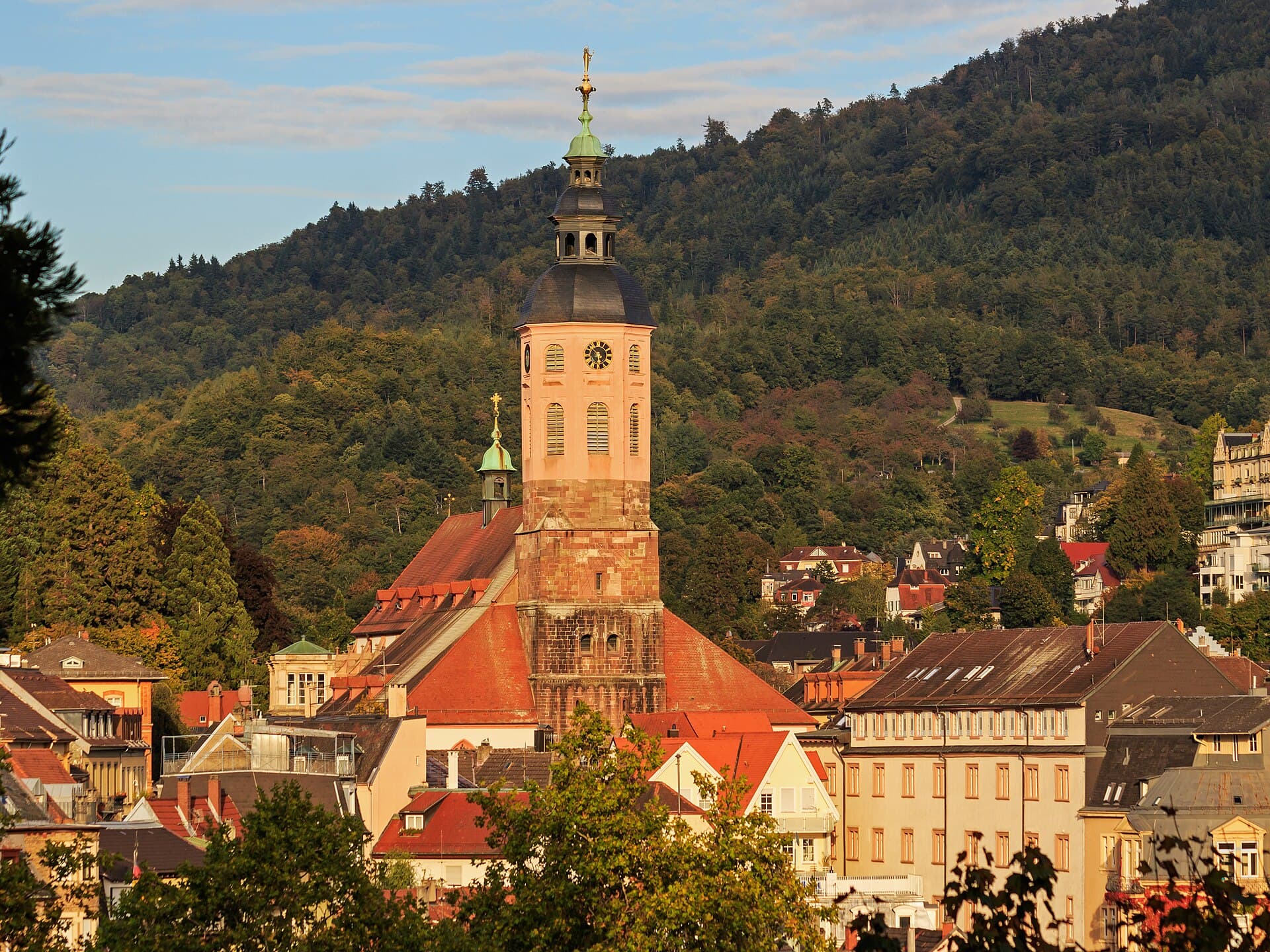 Baden-Baden Old TownBaden-Baden's old town is small as a salon and elegant as two centuries of its g2 minutes walk4.5
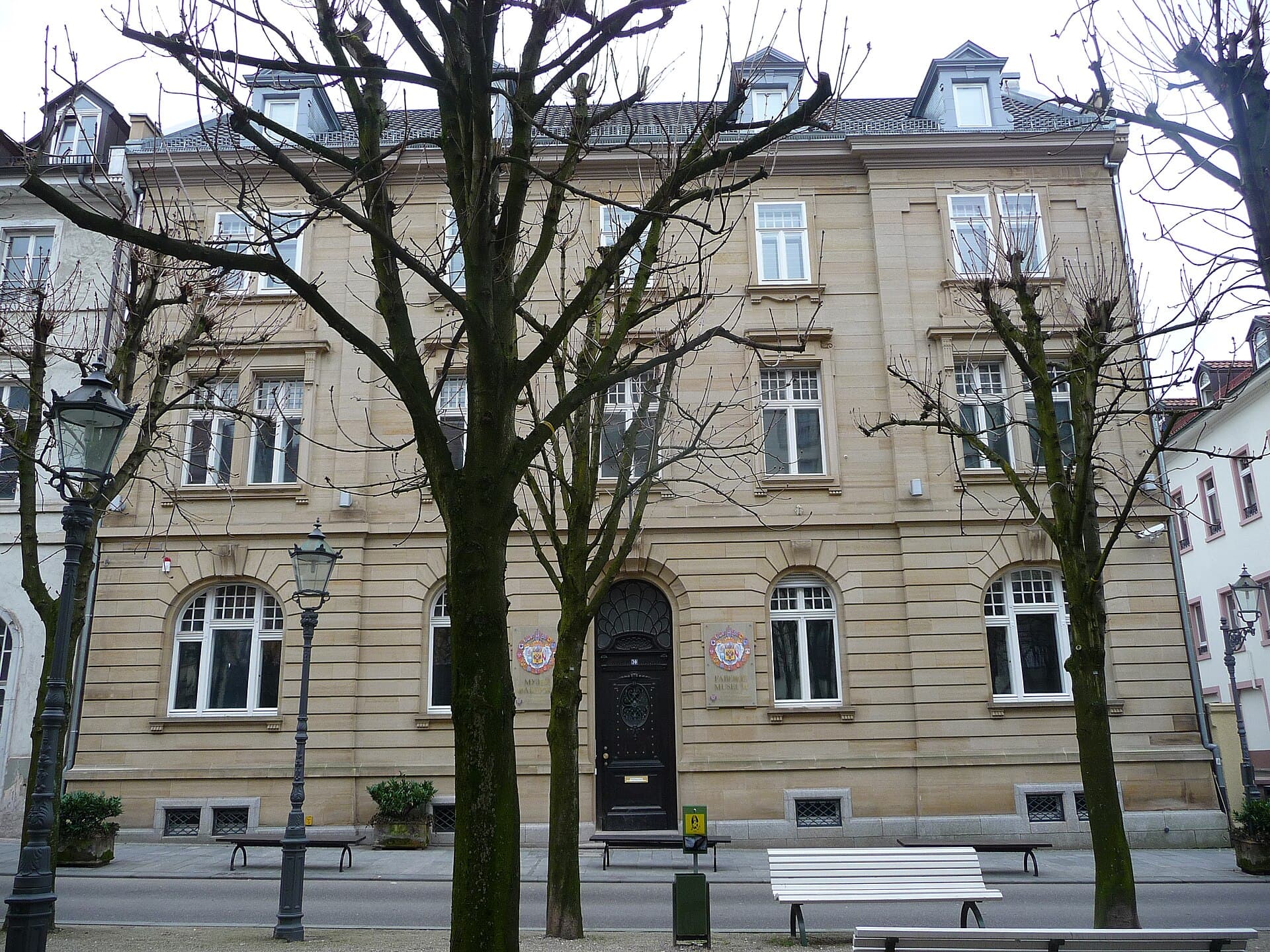 Fabergé MuseumThe Fabergé Museum in Baden-Baden was the first museum anywhere devoted to the w2 minutes walk3.9
It was the term the Nazi regime used for modern art it considered hostile to its official taste — expressionism, Dada, abstraction. Thousands of works were seized from German museums in 1937, some shown in a travelling exhibition of ridicule and then sold or destroyed, and their artists were banned from working or forced to emigrate. Societies like this one were founded after the war precisely to reverse that.