
The deliberate rainbow
Red, yellow, blue on 19th-century façades.
Arne Kvitrud — CC BY-SA 3.0 · Vogler — CC BY-SA 4.0 · Sebastian Wnuk — CC BY-SA 3.0 no · Zairon — CC BY-SA 3.0
Fargegaten — literally the Colour Street — is the former Øvre Holmegate: a modest commercial lane once neglected until one shop owner (2005) decided to paint his façade a bold colour against his grey neighbours — others gradually followed until the whole street became a deliberate rainbow of red, yellow, blue and purple on the same 19th-century façades, no architectural change, just paint. The experiment turned into a spontaneous tourist icon, unplanned originally by any municipality or official art project — rather individual shopkeepers wanting to attract customers with a playful visual touch, succeeding so well the street became one of Stavanger's most Instagram-photographed corners globally. Today cafés, restaurants and small gift shops sit beneath the colours — a pleasant half-hour photo stop falling naturally between the cathedral and the Petroleum Museum's harbour, ticketless and unscheduled.
Red, yellow, blue on 19th-century façades.
Beneath the colours, between cathedral and museum.
Øvre Holmegate, 4006 Stavanger
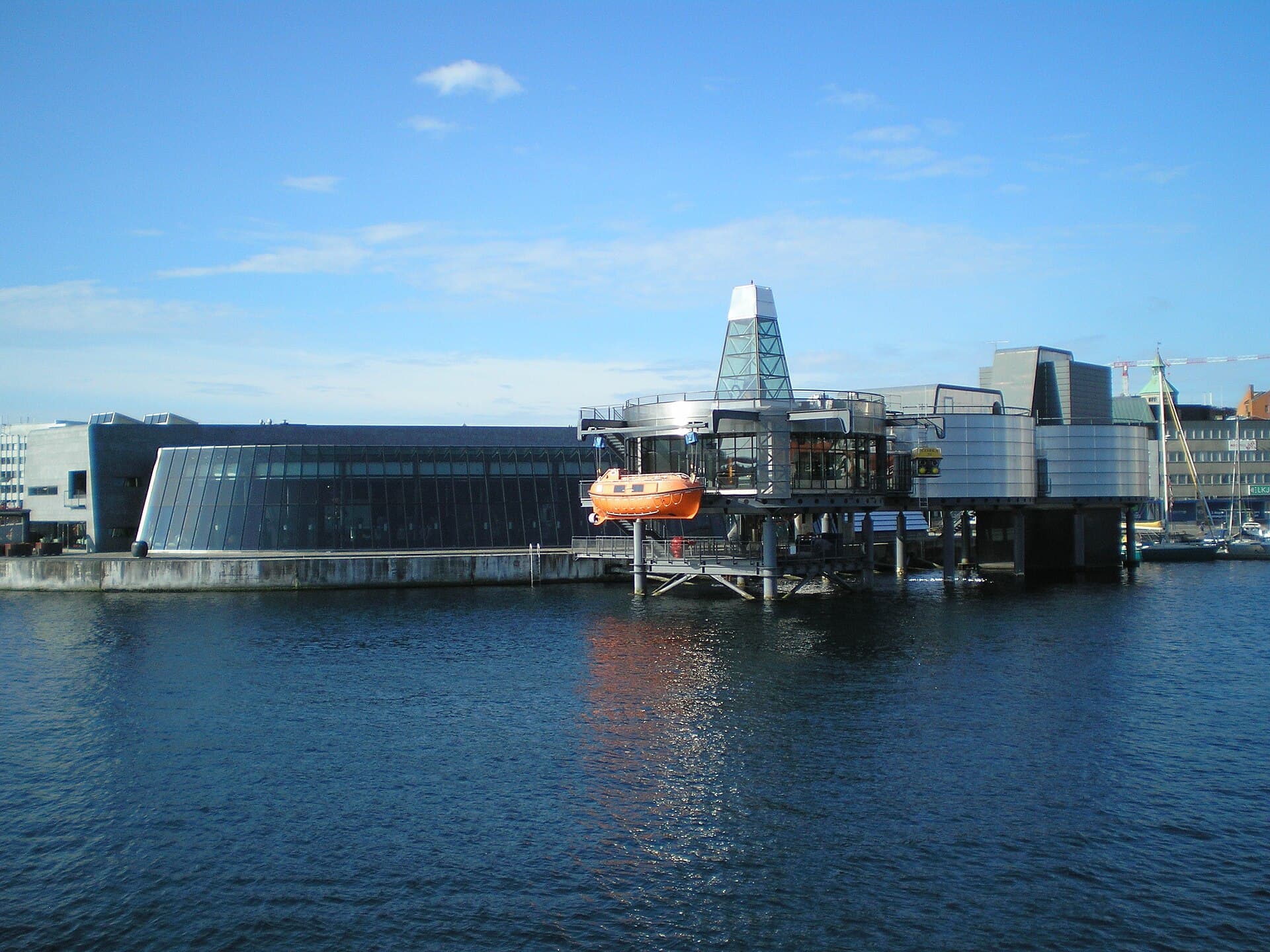 The Norwegian Petroleum MuseumThe Petroleum Museum tells the story of how Norway got rich overnight: a giant m2 minutes walk4.5
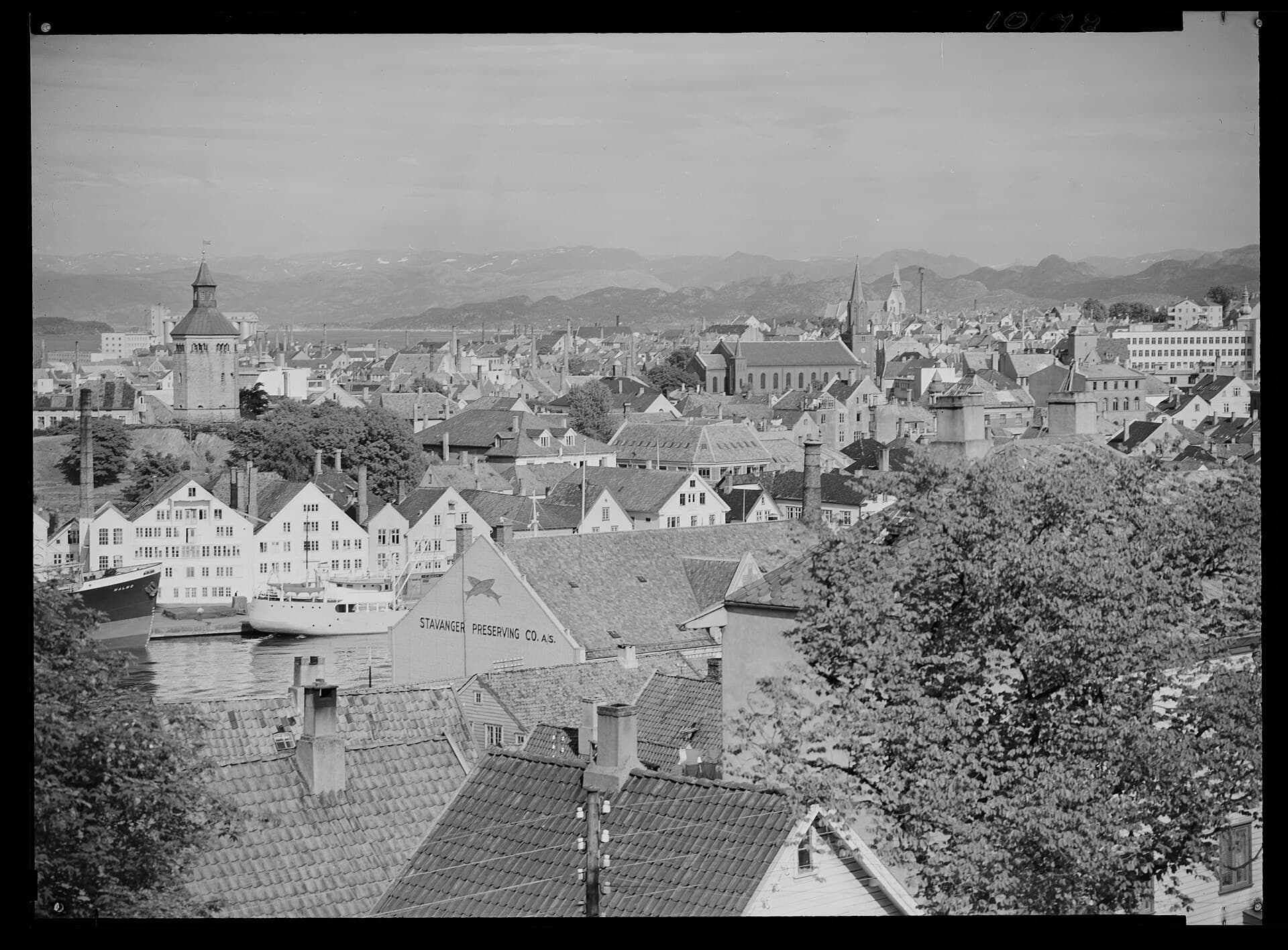 Valberg TowerValberg Tower is Stavanger's tangible fire-watch history: a fire lookout tower (2 minutes walk4.3
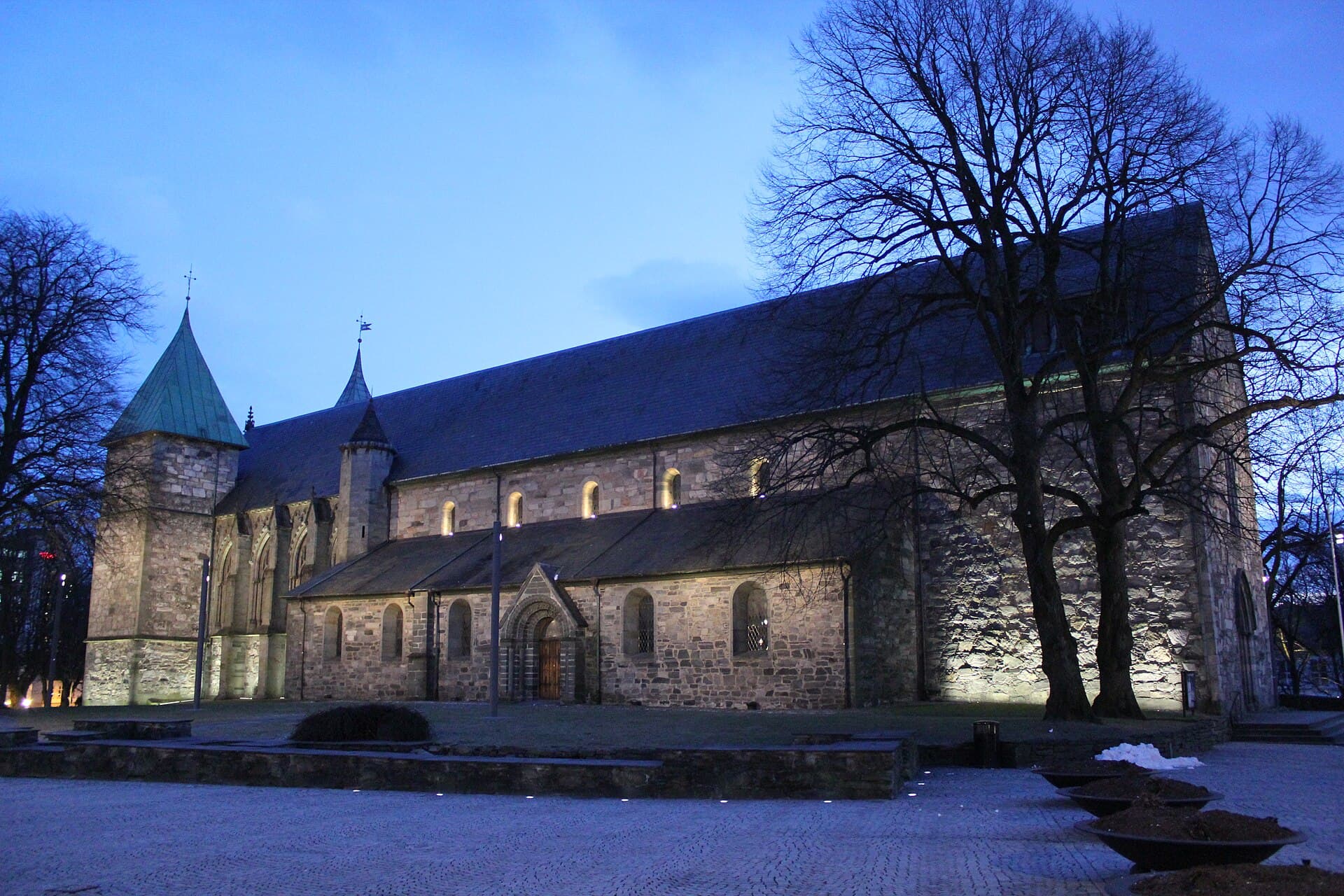 Stavanger CathedralStavanger Cathedral in the city centre, Norway's oldest cathedral and the one th4 minutes walk4.3
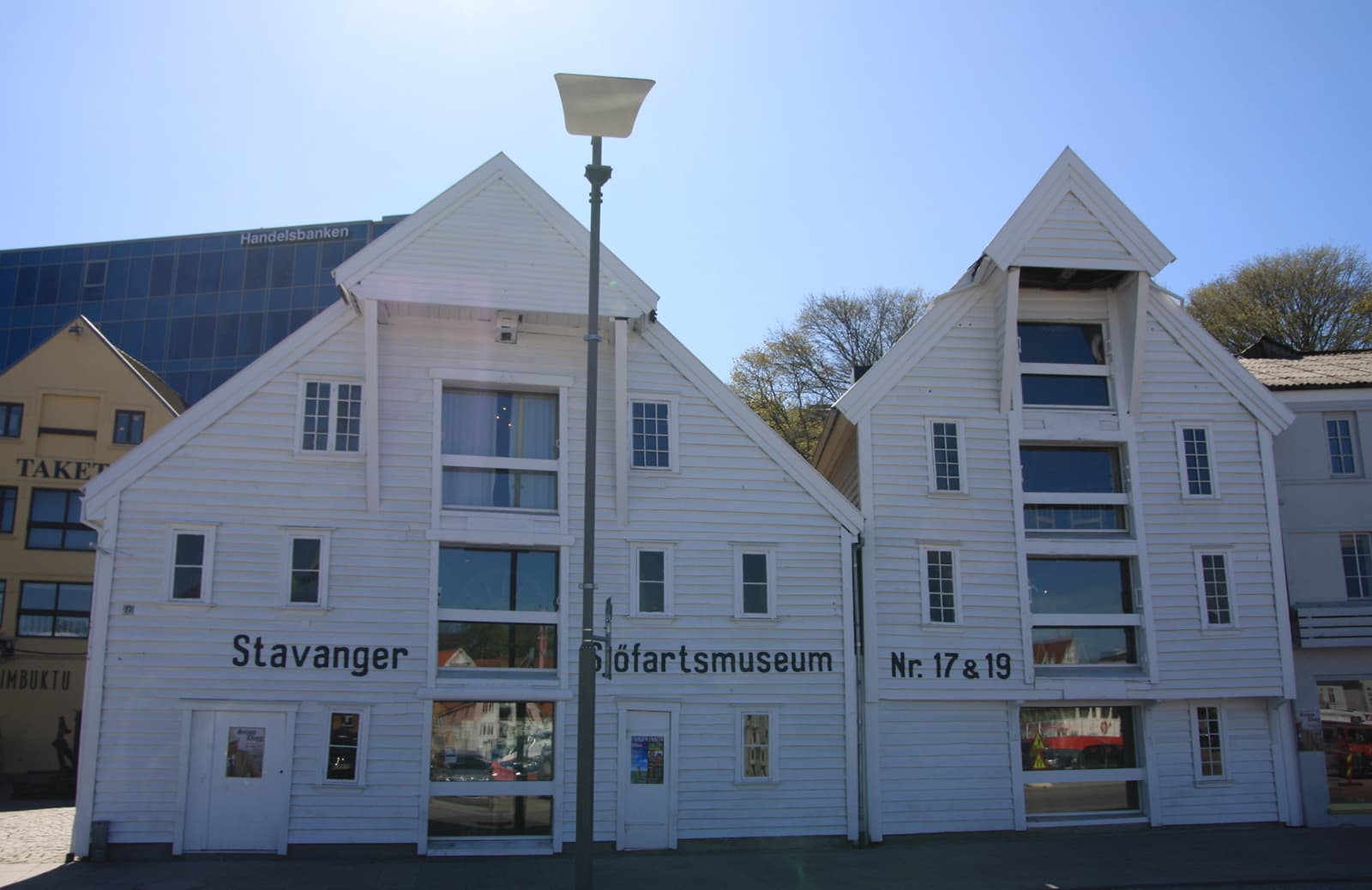 Stavanger Maritime MuseumA museum occupying two old merchant warehouses on the Vågen harbour quay in the 4 minutes walk4.4
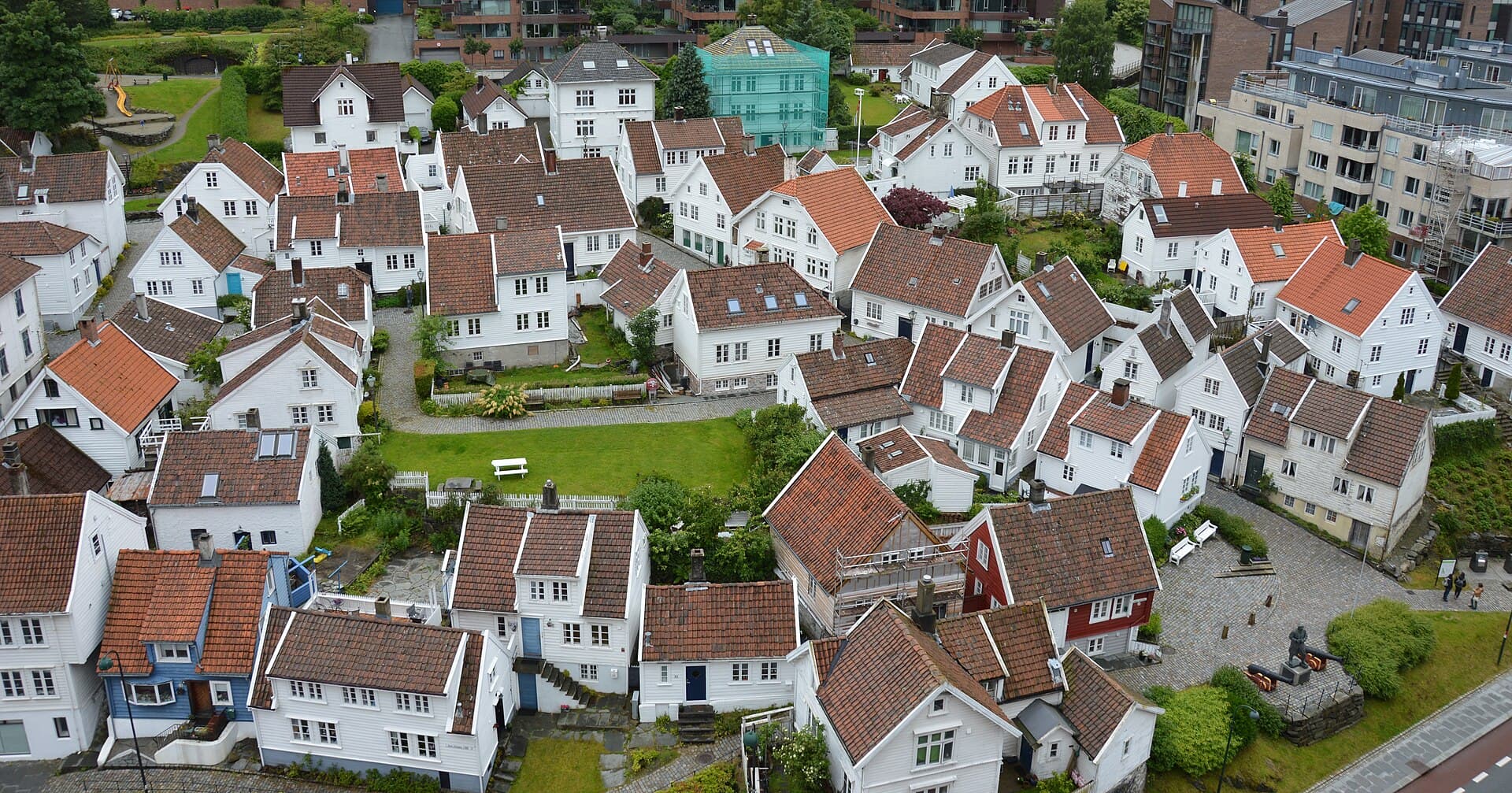 Gamle Stavanger — the Old White TownGamle Stavanger is Northern Europe's largest preserved cluster of white wooden h6 minutes walk4.6
No — the spontaneous commercial story is part of its charm: one clothing shop owner painted his façade bold red (2005) hoping to catch passersby's eyes, neighbours saw it work and painted theirs different colours progressively over years — no central coordination, no official art permit, until the collective effect completed itself. The municipality only later adopted the street for marketing after its organic success.