
The lifeboat capsule
Sit inside as rig workers do.
Carlos Delgado — CC BY-SA 3.0 · Zairon — CC BY-SA 3.0 · This image is a work by Mercy. When reusing, please credit me as: Mercy from Wikimedia Commons. I would appreciate being notified if you use my work outside Wikimedia. Do not copy this image illegally — CC BY-SA 3.0 · Hannes Grobe — CC BY-SA 4.0
The Petroleum Museum tells the story of how Norway got rich overnight: a giant metal structure shaped like a miniature offshore drilling platform on the harbour front, narrating the discovery of North Sea oil (1969) that turned a modest sardine-fishing nation into one of the world's richest countries per capita within a single generation — Stavanger itself becoming Norway's Oil Capital for its geographic closeness to the fields. A real full-size drill rig is displayed, climbable, alongside a simulated offshore control room and a lifeboat capsule you can actually sit inside — and the socially most important story: how Norway decided, unlike many other oil nations, to invest revenues into a giant sovereign wealth fund (today the world's largest such fund) rather than immediate spending, securing future generations' welfare. The museum also discusses with rare openness the environmental tension between oil wealth and the planet's climate — a full hall devoted to energy-transition questions, balancing national pride with future concern.
Sit inside as rig workers do.
Open debate between wealth and climate.
Kjeringholmen, 4006 Stavanger
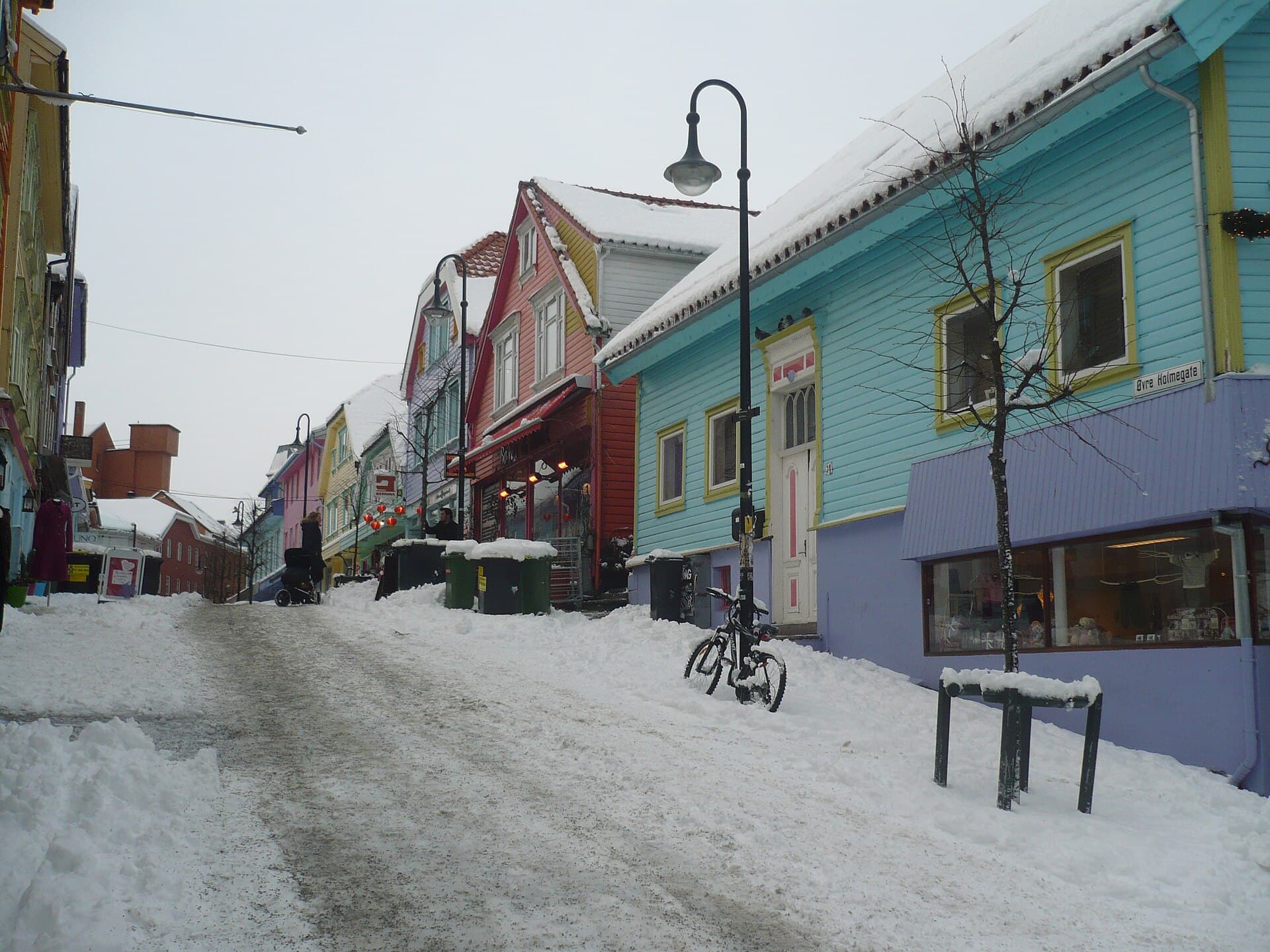 Fargegaten — the Colour StreetFargegaten — literally the Colour Street — is the former Øvre Holmegate: a modes2 minutes walk4.6
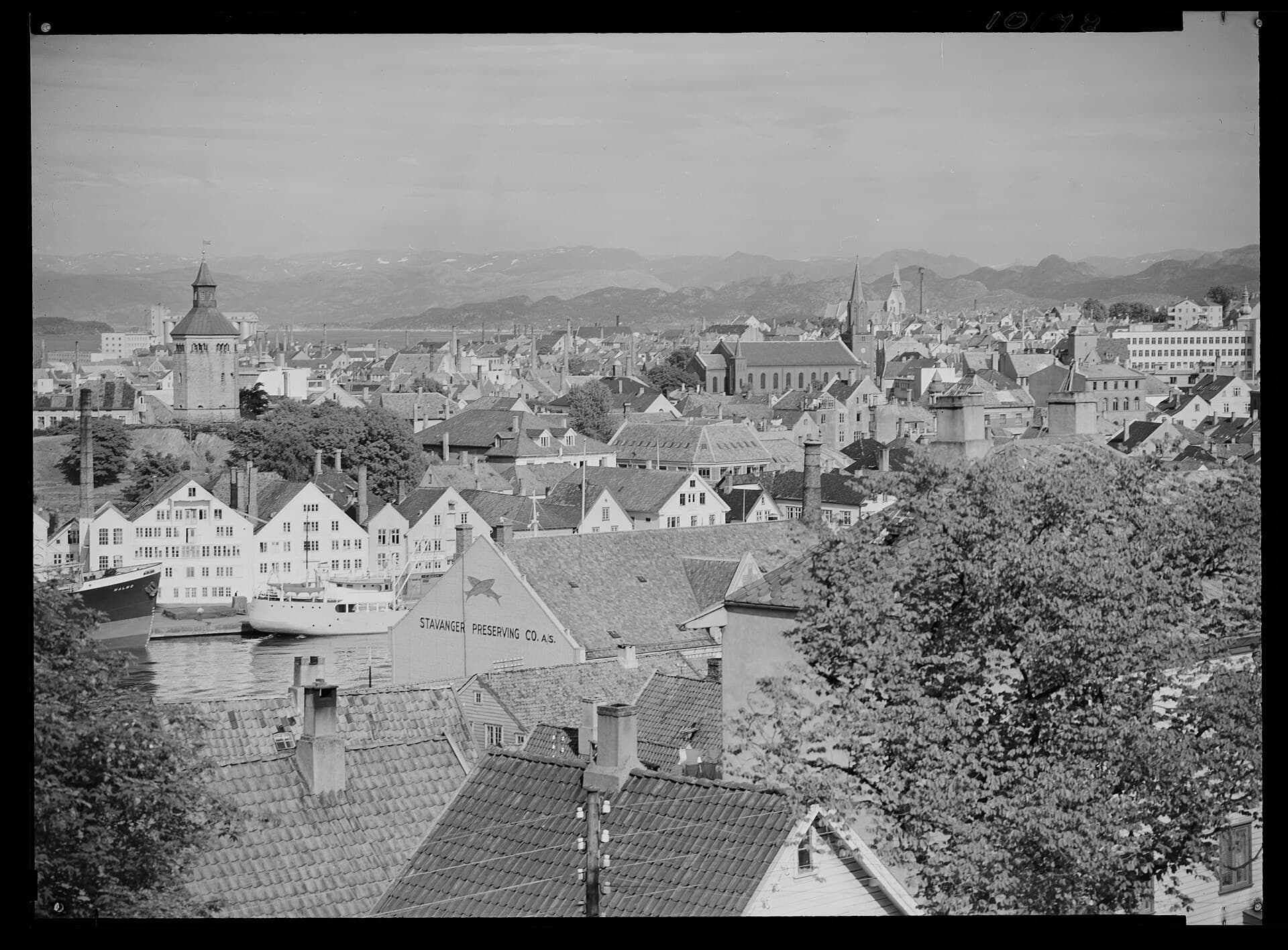 Valberg TowerValberg Tower is Stavanger's tangible fire-watch history: a fire lookout tower (3 minutes walk4.3
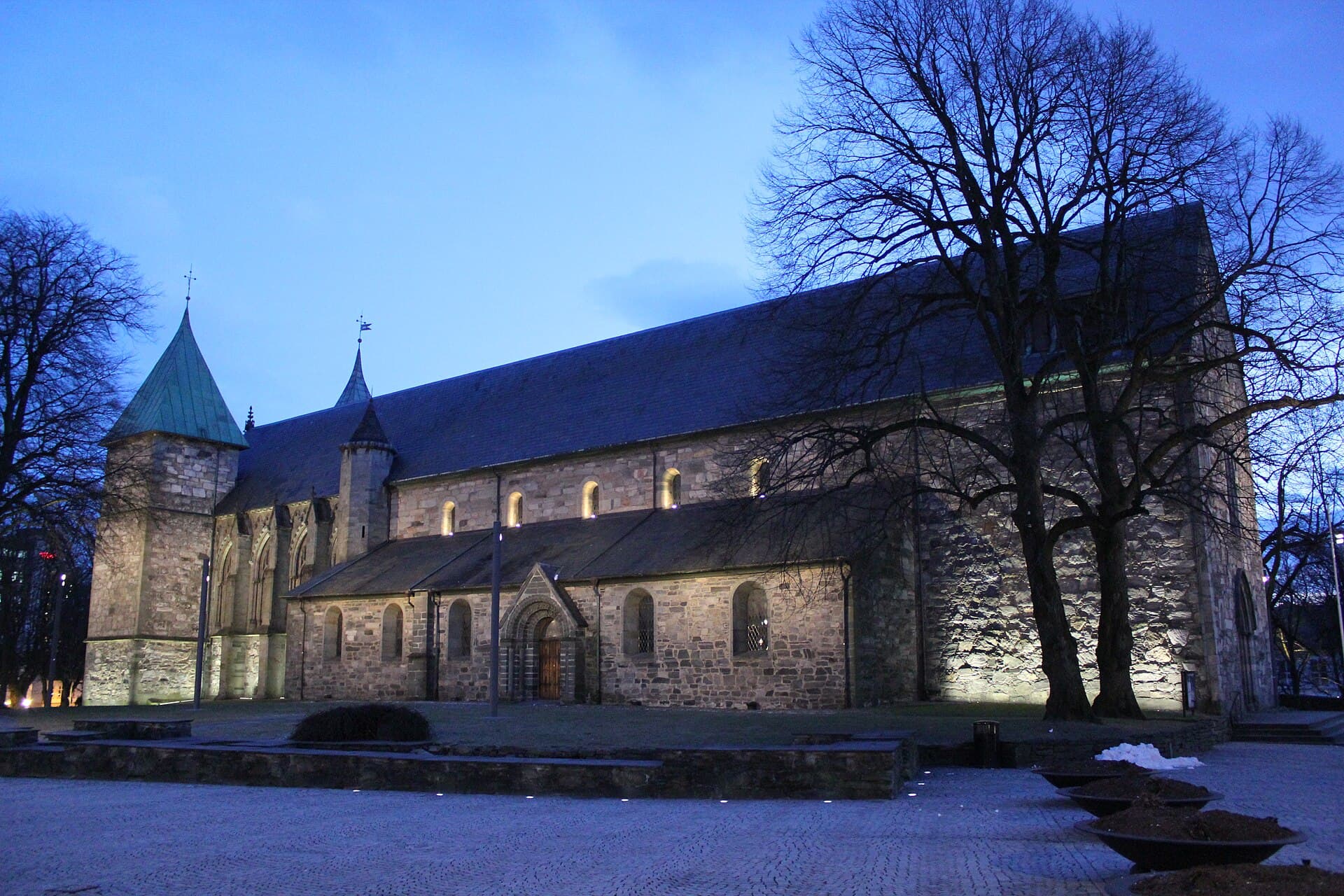 Stavanger CathedralStavanger Cathedral in the city centre, Norway's oldest cathedral and the one th5 minutes walk4.3
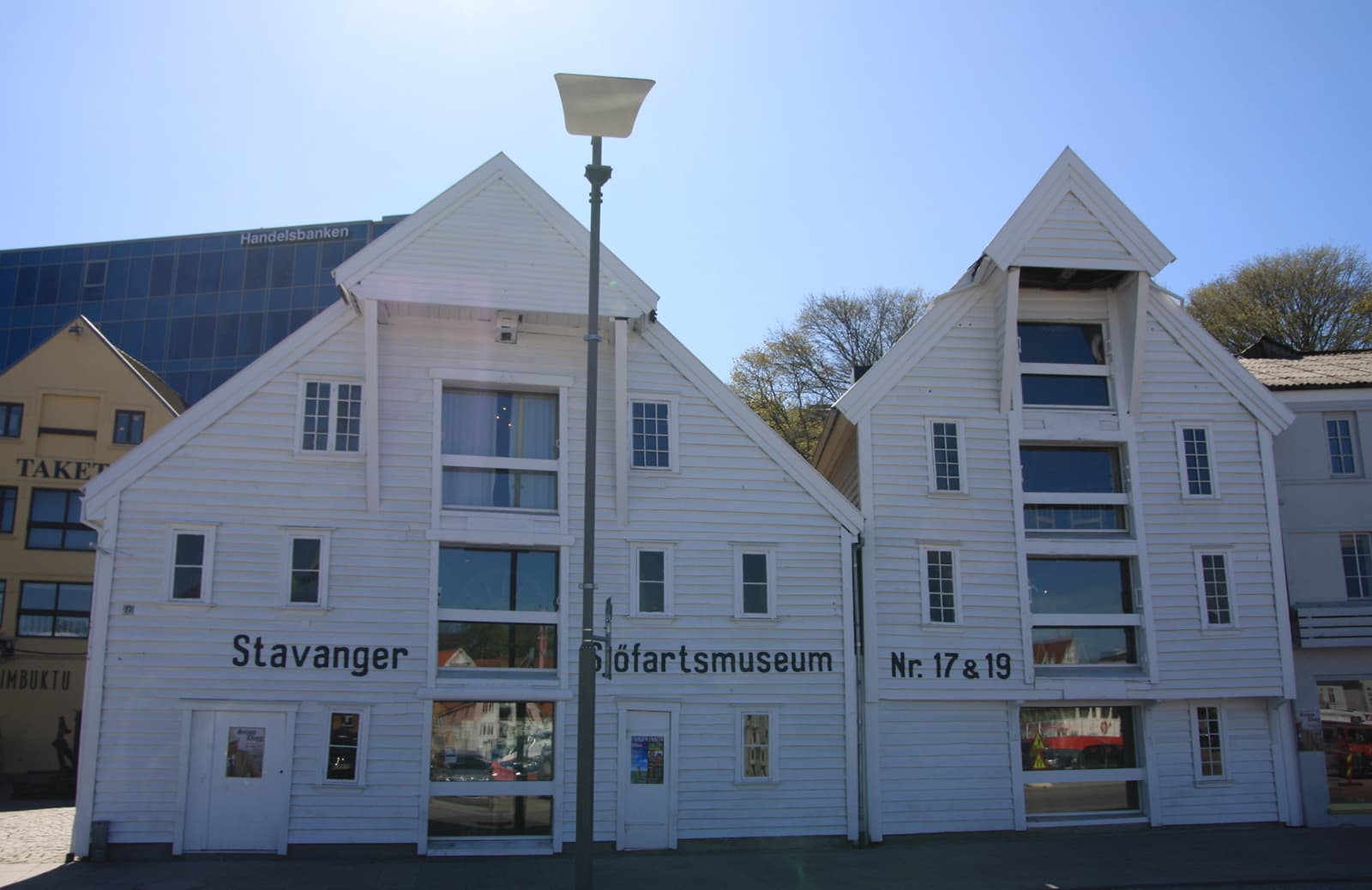 Stavanger Maritime MuseumA museum occupying two old merchant warehouses on the Vågen harbour quay in the 6 minutes walk4.4
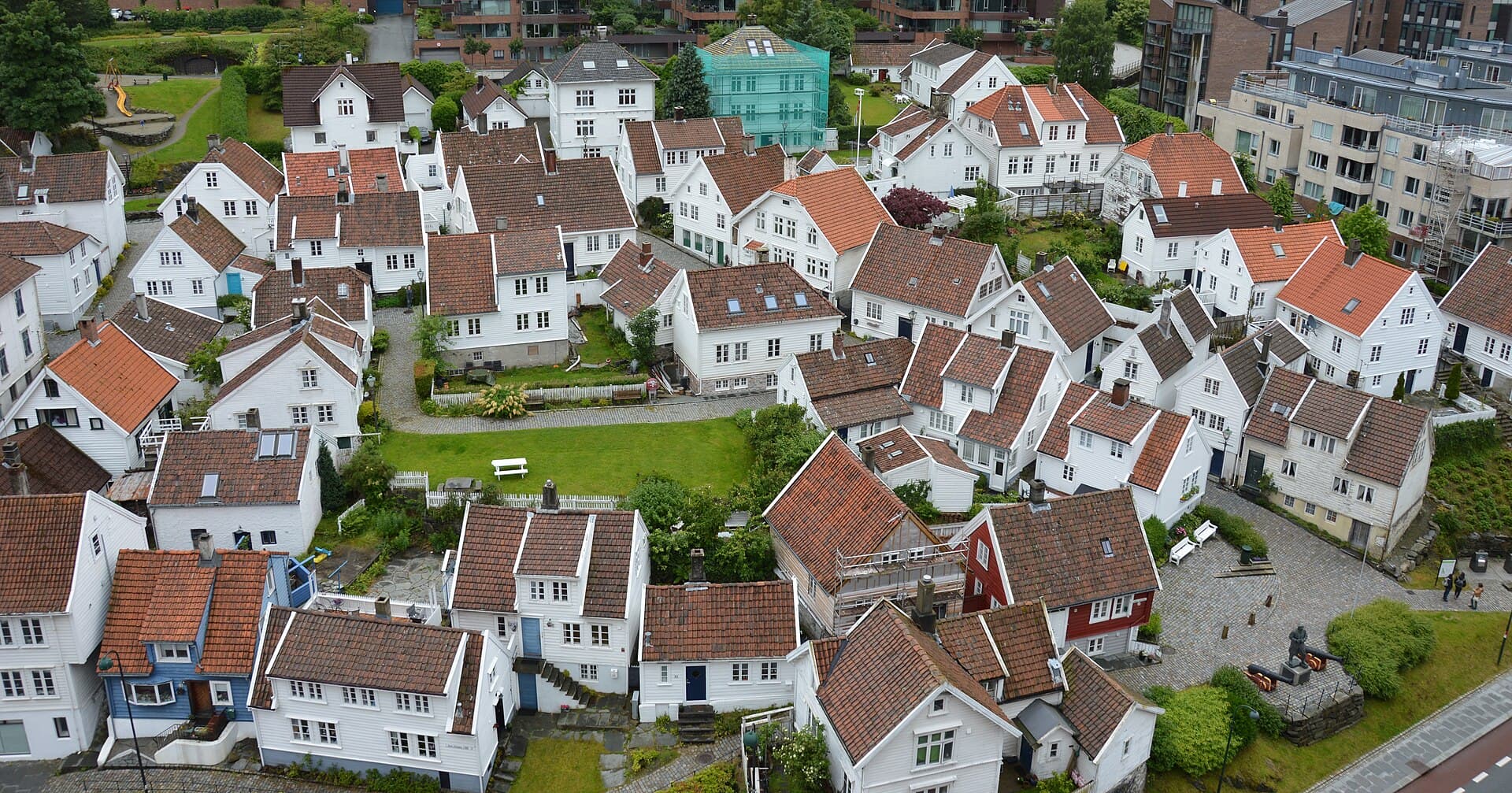 Gamle Stavanger — the Old White TownGamle Stavanger is Northern Europe's largest preserved cluster of white wooden h7 minutes walk4.6
Before 1969 Norway was a relatively modest European farming-and-fishing economy — the offshore Ekofisk field discovery turned it within two decades into an exceptional social welfare state: free education and healthcare, advanced infrastructure, and a sovereign fund holding stakes in thousands of global companies today, exceeding a trillion dollars — every Norwegian citizen theoretically a millionaire by their fund share.