
The cobbled lanes
White, winding, coloured doors.
Olaf Meister — CC BY-SA 4.0 · Maarten Heerlien from Voorschoten, The Netherlands — CC BY 2.0 · Maarten Heerlien from Voorschoten, The Netherlands — CC BY 2.0 · Maarten Heerlien from Voorschoten, The Netherlands — CC BY 2.0
Gamle Stavanger is Northern Europe's largest preserved cluster of white wooden houses: roughly 173 buildings from the 18th and 19th centuries lining narrow winding hillside lanes west of the harbour — sardine-cannery workers' and ship captains' homes the city protected by a rare planning decision (1956) rather than demolishing for modern development as other Norwegian towns did at the time. Its cobbled lanes rise and fall without strict geometric pattern — every house white with coloured doors and small front flower gardens, some still genuinely lived in rather than frozen as museum pieces, giving it a rare liveliness among Europe's fully touristified old towns. The climbing walk toward Pedersgata garden rewards with a view over the harbour and Stavanger bay — and the long summer evening (light until near ten) makes late photography possible in rare golden light.
White, winding, coloured doors.
A living personal touch before each house.
Gamle Stavanger, 4006 Stavanger
 Norwegian Canning MuseumA real sardine cannery in Old Stavanger, kept as it was and opened as a museum e1 minute walk4.5
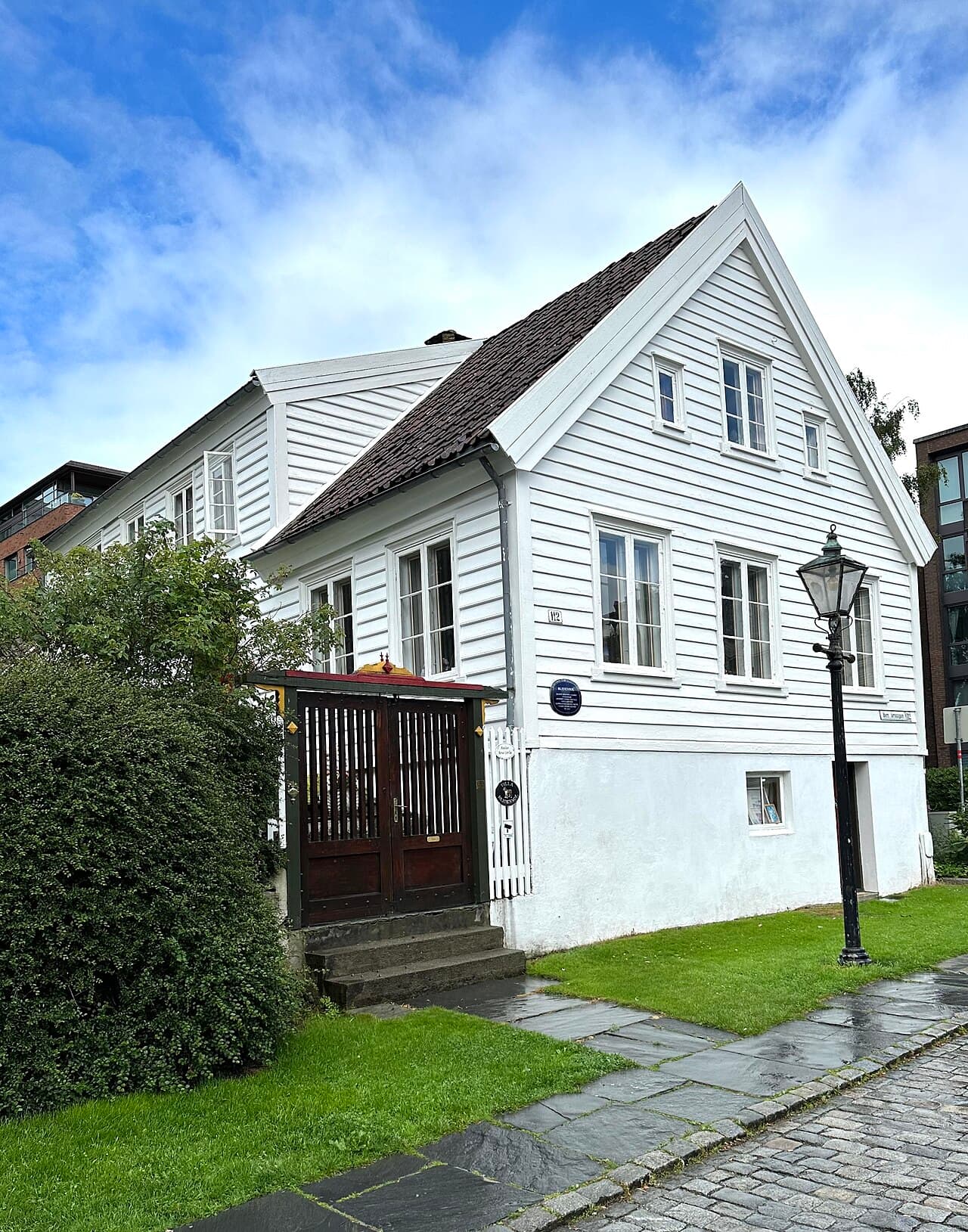 The Blidensol HouseA timber house in Gamle Stavanger regarded as probably the oldest standing woode2 minutes walk4.5
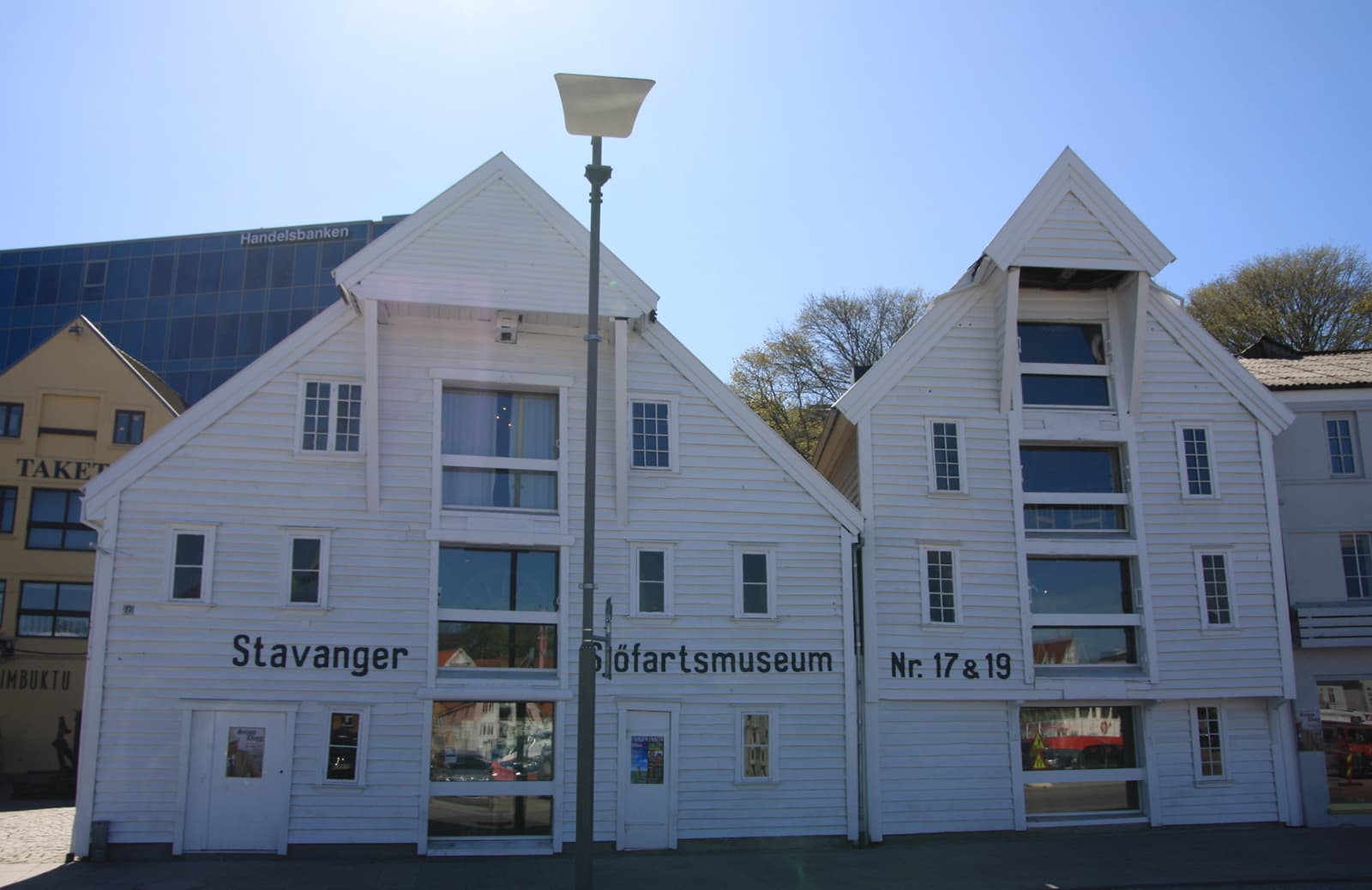 Stavanger Maritime MuseumA museum occupying two old merchant warehouses on the Vågen harbour quay in the 4 minutes walk4.4
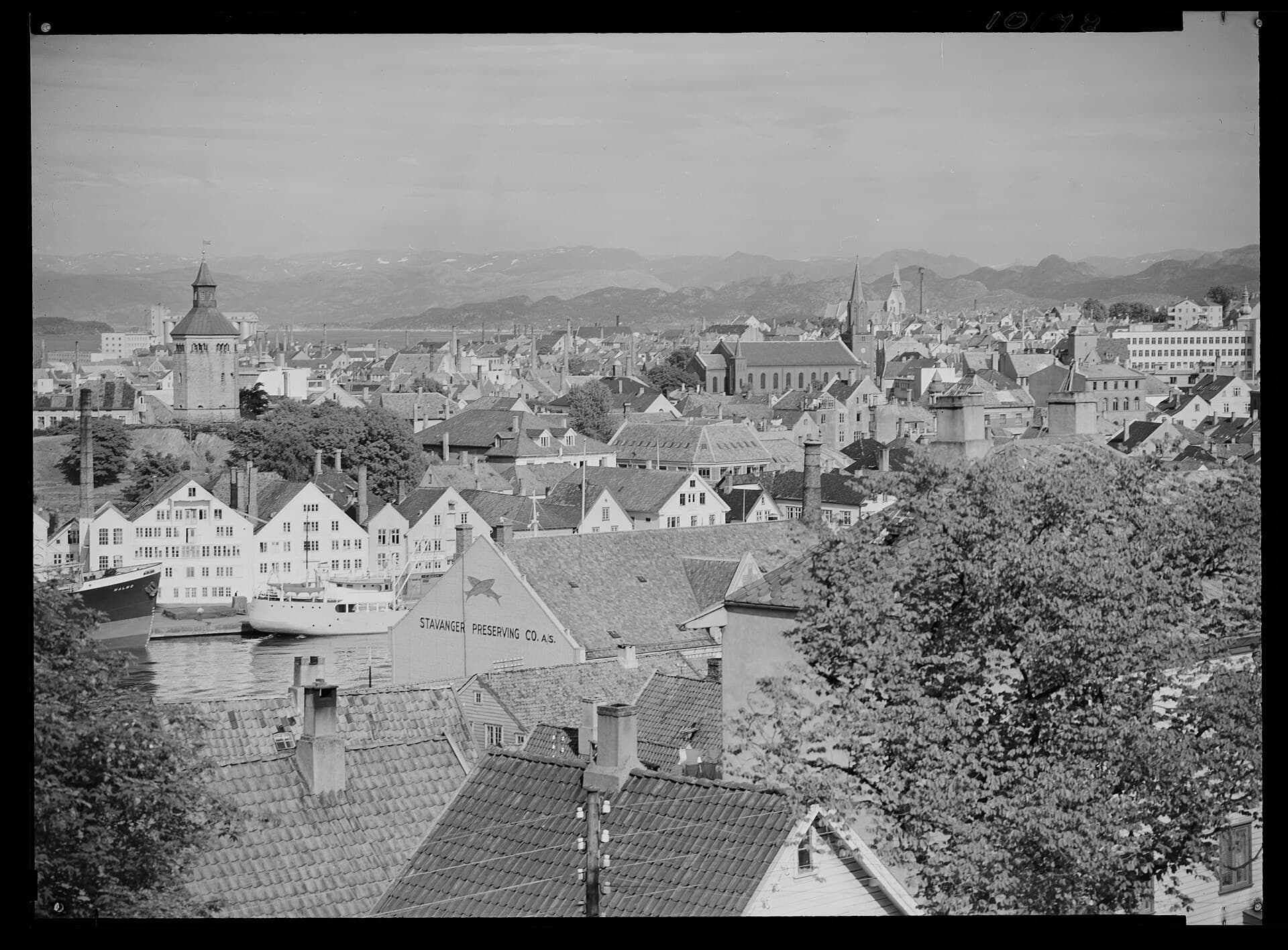 Valberg TowerValberg Tower is Stavanger's tangible fire-watch history: a fire lookout tower (4 minutes walk4.3
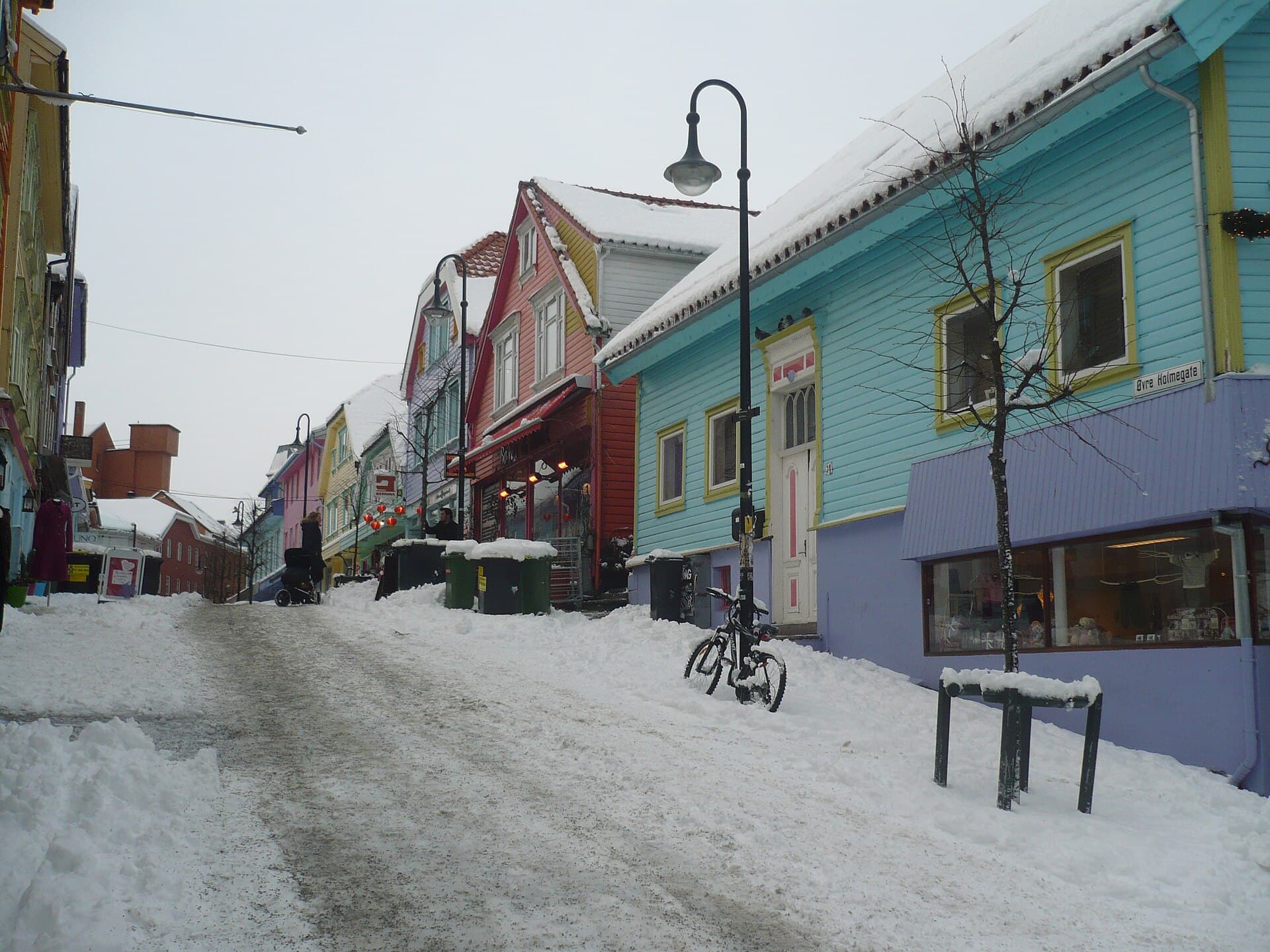 Fargegaten — the Colour StreetFargegaten — literally the Colour Street — is the former Øvre Holmegate: a modes6 minutes walk4.6
Stavanger — like many Norwegian towns in the 1950s — planned to demolish its old wooden quarters for modern post-war housing, but a local campaign led by residents and heritage advocates convinced the municipality to protect the quarter instead (1956) — a decision ahead of its time that later made Stavanger a Norwegian model for urban wooden-heritage preservation.