
The hypogeum beneath the garden
Four chambers of pietra serena by Mario Cucinella — three circular, one elliptical, all domed — summoning the tombs of Cerveteri and holding the Etruscan urns and bronzes in a precisely judged half-light.
Barbaragerosa — CC BY-SA 4.0 · Barbaragerosa — CC BY-SA 4.0 · Giovanni Dall'Orto — CC BY-SA 2.5 it · Giovanni Dall'Orto — CC BY-SA 2.5 it
Walk down a short flight of stairs below Corso Venezia and Milan vanishes above you. What waits underground is a sequence of four curving stone rooms — three circular, one large ellipse — under domes of pietra serena, lit so sparingly that voices drop without anyone asking them to. This lower level — the hypogeum, dug beneath the palazzo garden — is the work of architect Mario Cucinella, and it is not a reconstruction of an Etruscan tomb so much as a summoning of one: the rhythm of the burial chambers at Cerveteri, and their unbothered attitude towards the afterlife, rendered in contemporary terms. The plain truth is that the architecture is the first exhibit here, and the Etruscan pieces inhabit it rather than being displayed in it. Upstairs the story changes completely. The palazzo is 19th-century, and its piano nobile has been restored with its gilded doors, marble fireplaces, tall 18th-century mirrors and boiseries intact, within interiors laid out by the architect Filippo Perego in the 1960s — then filled with funerary urns and small bronzes set beside works by Fontana, Warhol, Giulio Paolini and Luigi Ontani, while Picasso and William Kentridge turn up downstairs among the Etruscans. The intention is unmistakable: no partition between the ancient and the modern, no ranks of identical vitrines. The effect is closer to the house of a rich collector with good taste than to a museum in the usual sense. Let us be honest about the scale. The collection is not vast, and anyone after the definitive Etruscan holdings will find them at Villa Giulia in Rome, not here. Allow an unhurried hour and a quarter to two hours. If neither architecture nor the conversation between old and new interests you, you may leave unconvinced by the ticket price. But if you care about well-made space, this is among the most persuasive things built in Milan in recent years, and it is quiet in a way the city rarely manages. Practically: Corso Venezia 52, a few minutes on foot from Palestro metro and the Montanelli gardens, on one of the handsomest streets in the city. The museum closes Mondays and Tuesdays, and shuts for about four weeks in August for the summer break — check before you set out. The ground-floor garden, bookshop and café need no ticket; the top-floor restaurant is serious fine dining priced for an occasion rather than a passing lunch, and Porta Venezia around you is full of sensible alternatives. It is air-conditioned, calm, and works well with older children who respond to the dark and the domes; very young ones will be bored quickly.
Four chambers of pietra serena by Mario Cucinella — three circular, one elliptical, all domed — summoning the tombs of Cerveteri and holding the Etruscan urns and bronzes in a precisely judged half-light.
Gilded doors, marble fireplaces, 18th-century mirrors and restored boiseries in Filippo Perego's interiors, with Etruscan pieces set directly alongside Fontana, Warhol and Ontani and no partition between them.
Admission costs nothing that day — provided you can live with it being the most crowded day of the month.
Corso Venezia 52, 20121 Milan, Italy
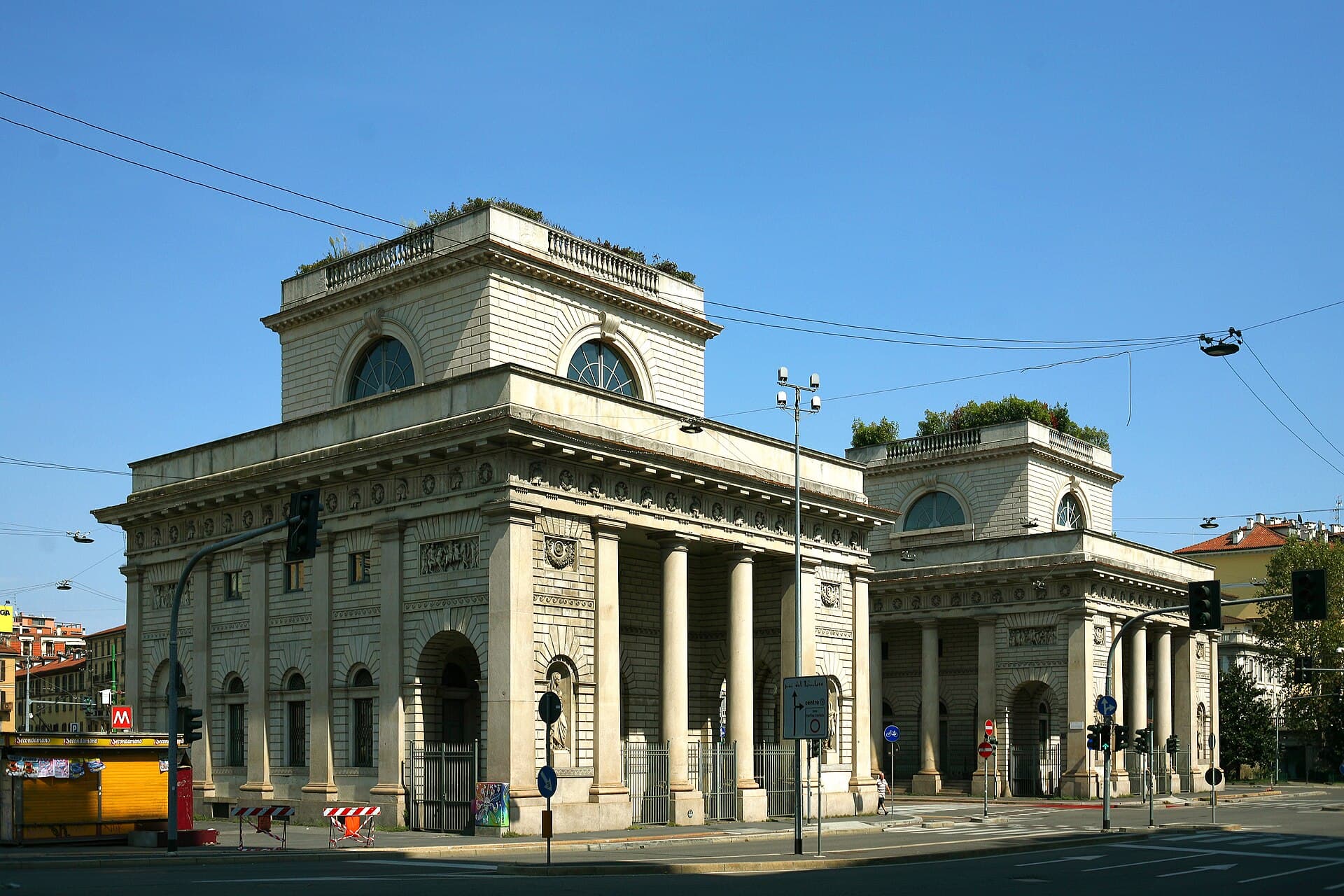 Porta VeneziaAn early nineteenth-century city gate east of central Milan, two facing classica2 minutes walk4.3
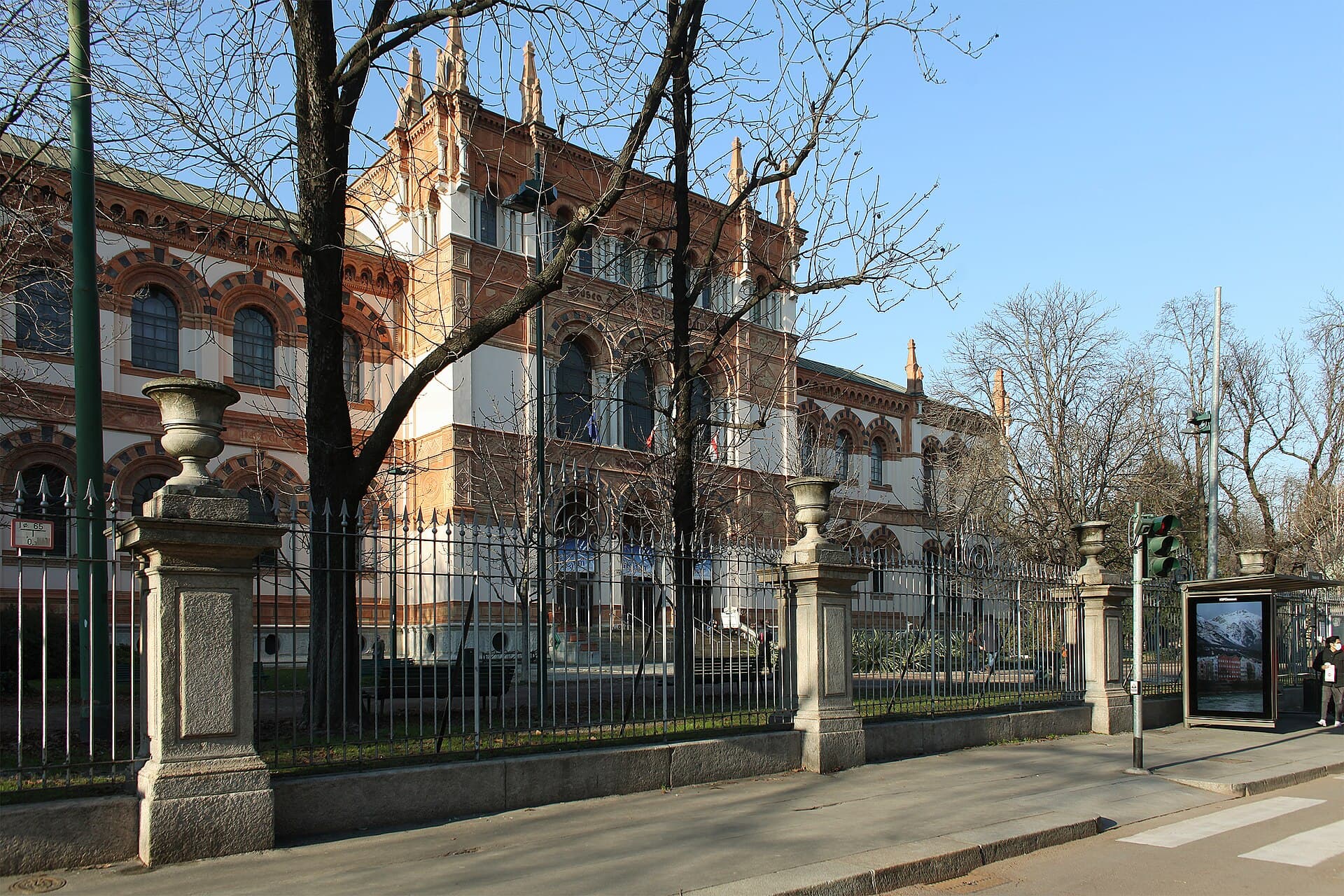 Milan Natural History MuseumIn 1943 a bomb fell on this building and the fire that followed burned for three2 minutes walk4.6
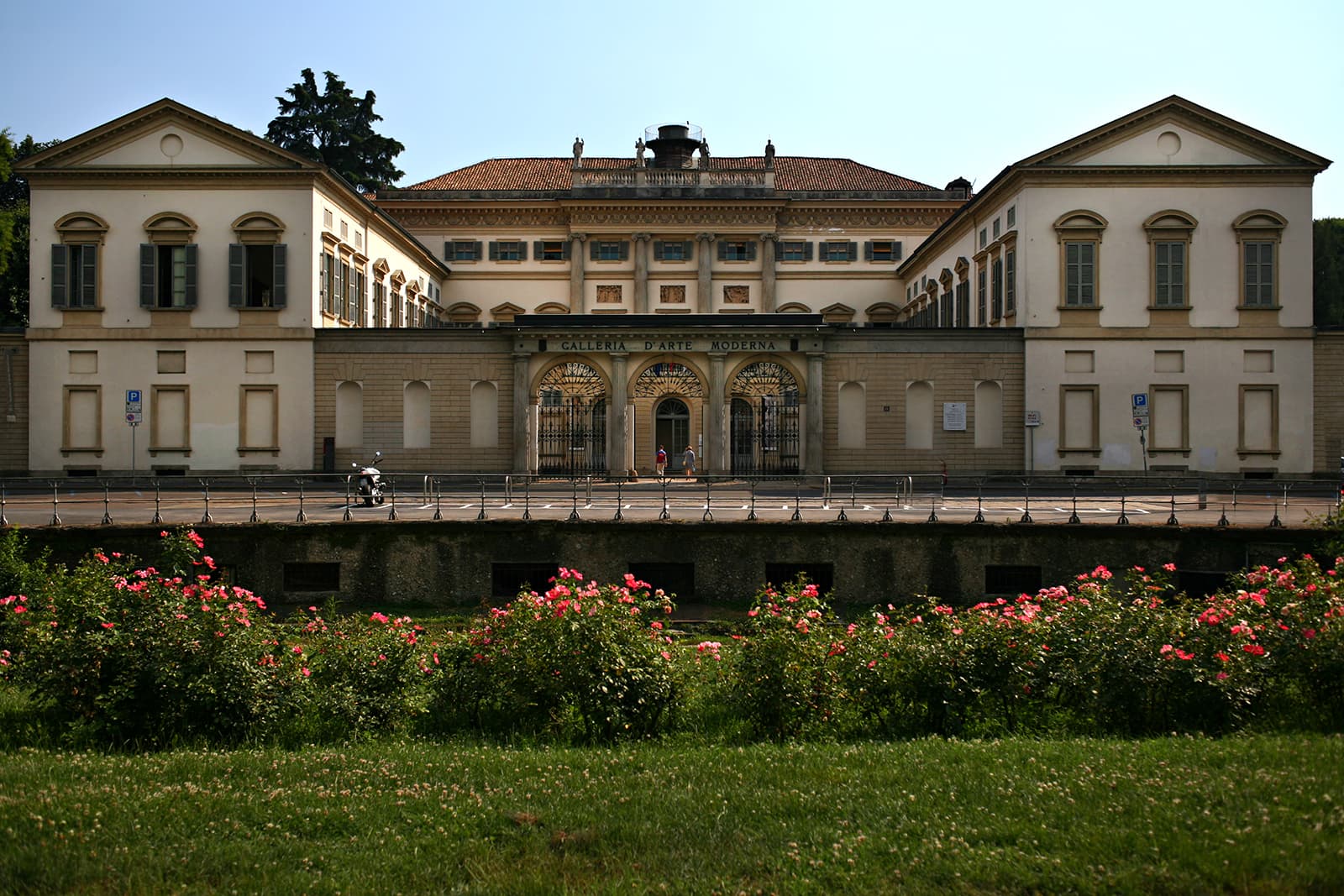 Galleria d'Arte Moderna (GAM), MilanMilan has a public garden that adults are not allowed to enter unless a child br5 minutes walk4.4
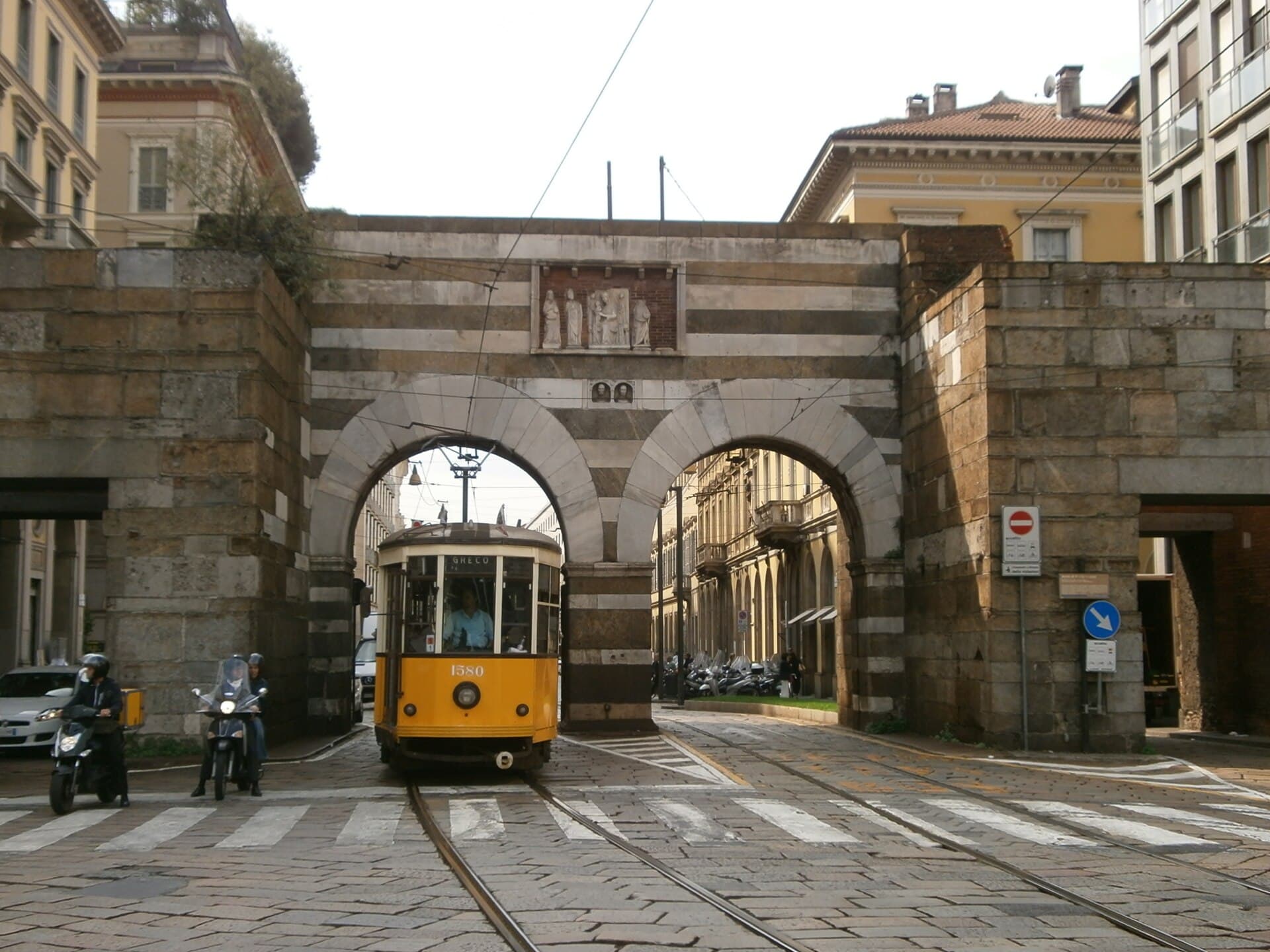 The Arches of the Old Porta NuovaA medieval gate in central Milan, built in 1171 as part of the city wall, and on9 minutes walk4.2
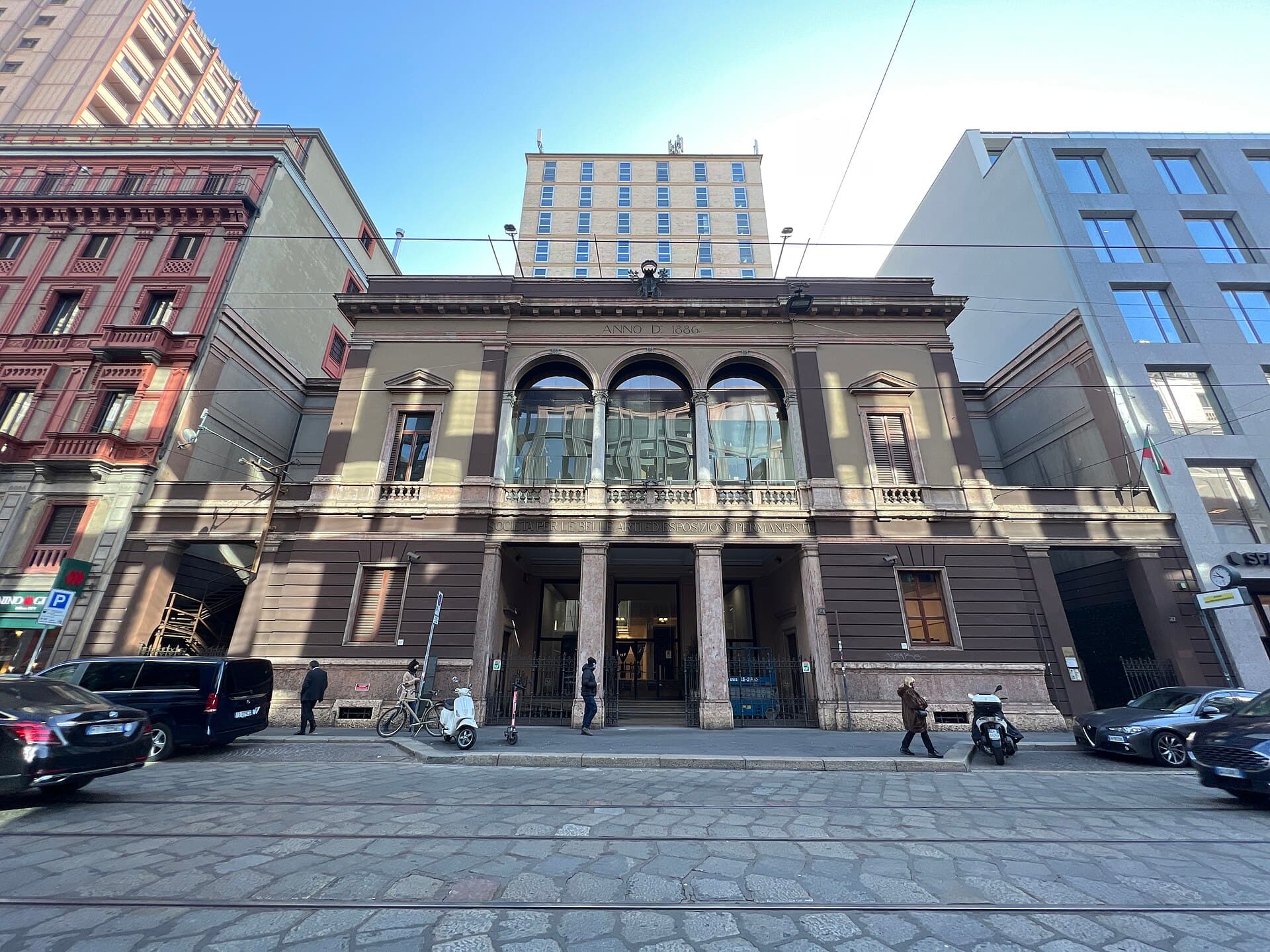 La PermanenteA historic exhibition hall in Milan, run by a fine arts society founded in the n10 minutes walk4.2
If you are counting objects, no: Villa Giulia is far larger and there is no contest. But the two visits are different animals. You come here for the space itself — the domed hypogeum, and the way Etruscan pieces are set in the rooms of a private palazzo next to 20th-century painting. Think of it as an architecture visit with antiquities in it, rather than an antiquities visit in a building.
With children over roughly eight, yes — the dark domed rooms hold their attention better than you would expect, there is a family ticket, and under-10s enter free. With toddlers, less so: the place is hushed and fairly compact, and they will be finished in twenty minutes; the free garden next door is the better answer for them. A lift serves the floors.