
The dinosaur hall
A full-size reconstructed Triceratops, a Tyrannosaurus cast and an Allosaurus skeleton in one room that hooks children the moment they enter.
Paolobon140 — CC BY-SA 4.0 · Bramfab — CC BY-SA 4.0 · Bramfab — CC BY-SA 4.0 · Bramfab — CC BY-SA 4.0
In 1943 a bomb fell on this building and the fire that followed burned for three days, destroying what had taken decades to assemble: Giorgio Jan's reptile and plant collections, fossils that could never be replaced. So what you walk into behind the red-brick facade is not a nineteenth-century museum that survived, but one painstakingly rebuilt from its own ashes until it became the largest natural history museum in Italy. The building is part of the story too, raised by the architect Giovanni Ceruti between 1888 and 1893 in a confident neo-Romanesque style with Gothic touches, and for this purpose alone. Give it a moment from the outside before you go in. The collection began in 1838, when the Milanese collector Giuseppe de Cristoforis and the botanist Giorgio Jan handed their cabinets to the city, and it has grown into five exhibition sections: minerals, fossils, human natural history, invertebrates and vertebrates. Children come for the dinosaur hall, with its full-size reconstructed Triceratops, a cast of a Tyrannosaurus and an Allosaurus skeleton. Adults tend to remember the first floor instead: the big habitat dioramas rebuilding savanna, taiga, tropical forest and the polar ice, made with the craft of an era before screens, when the museum-maker painted the horizon by hand behind the mounted animal. Let us be honest about the rest. The displays are old-fashioned in plenty of rooms, labelling is mostly Italian with uneven English, and there is nothing here of the interactive polish you get in London or Berlin. That is exactly what makes this a pleasant visit rather than a dazzling one. In exchange, ten euros for an adult and free entry for anyone under eighteen make it one of the cheapest good things a family can do in Milan, and the most honest fallback on a wet afternoon. The setting is one of its best features. The museum sits inside the Giardini Indro Montanelli, the first public park Milan ever laid out, a few minutes on foot from Porta Venezia on the red metro line. Pair it with a walk in the park and the planetarium next door, and you will find cafés and restaurants all the way along nearby Corso Buenos Aires. Two hours is comfortably enough, and rather less if you are visiting without children.
A full-size reconstructed Triceratops, a Tyrannosaurus cast and an Allosaurus skeleton in one room that hooks children the moment they enter.
The first floor rebuilds savanna, taiga, tropical forest and the polar regions with the handmade craft of a pre-screen era.
A red-brick palace purpose-built for the museum in the late nineteenth century, set in the first public park Milan ever laid out.
Corso Venezia 55, 20121 Milan
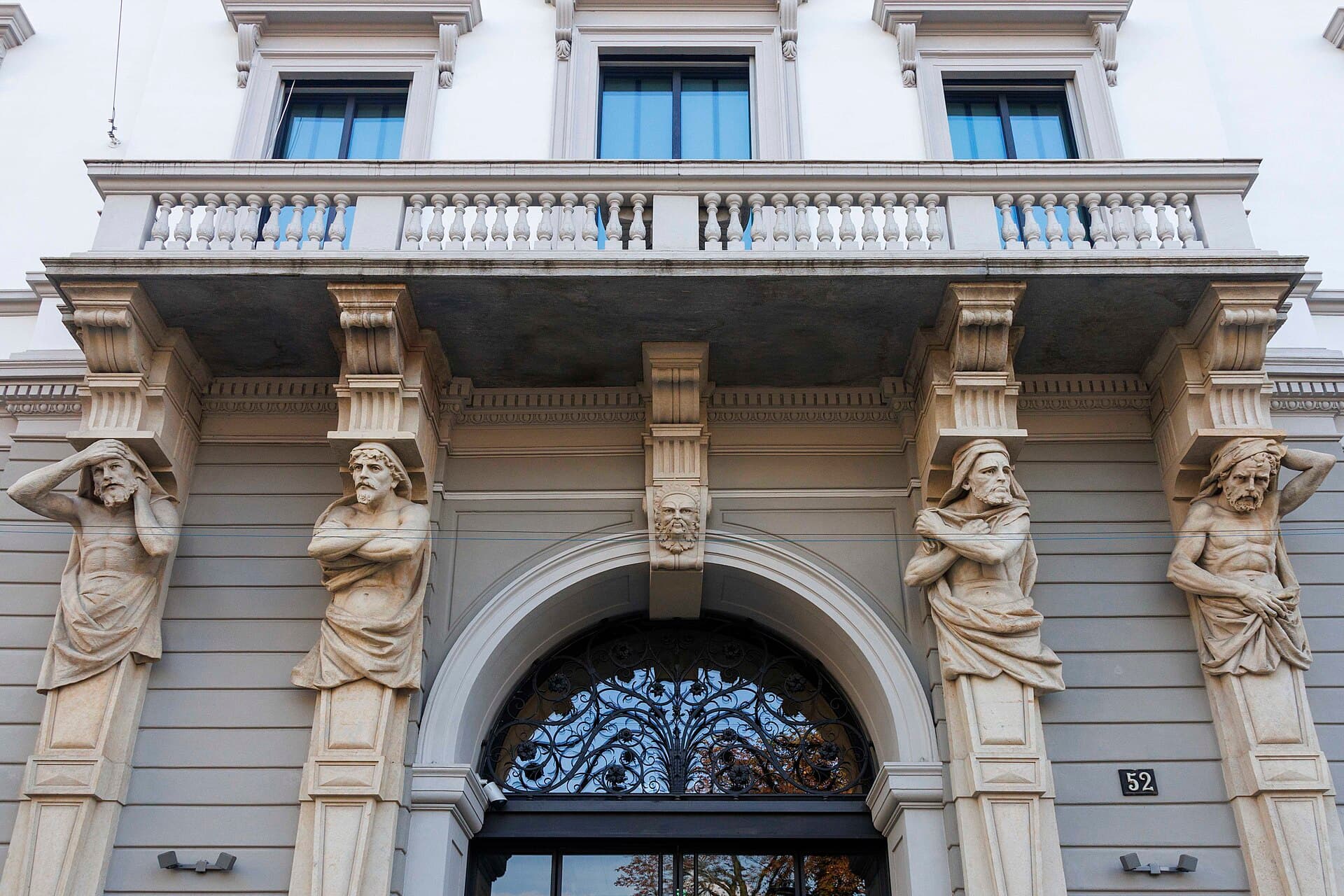 Fondazione Luigi RovatiWalk down a short flight of stairs below Corso Venezia and Milan vanishes above 2 minutes walk4.8
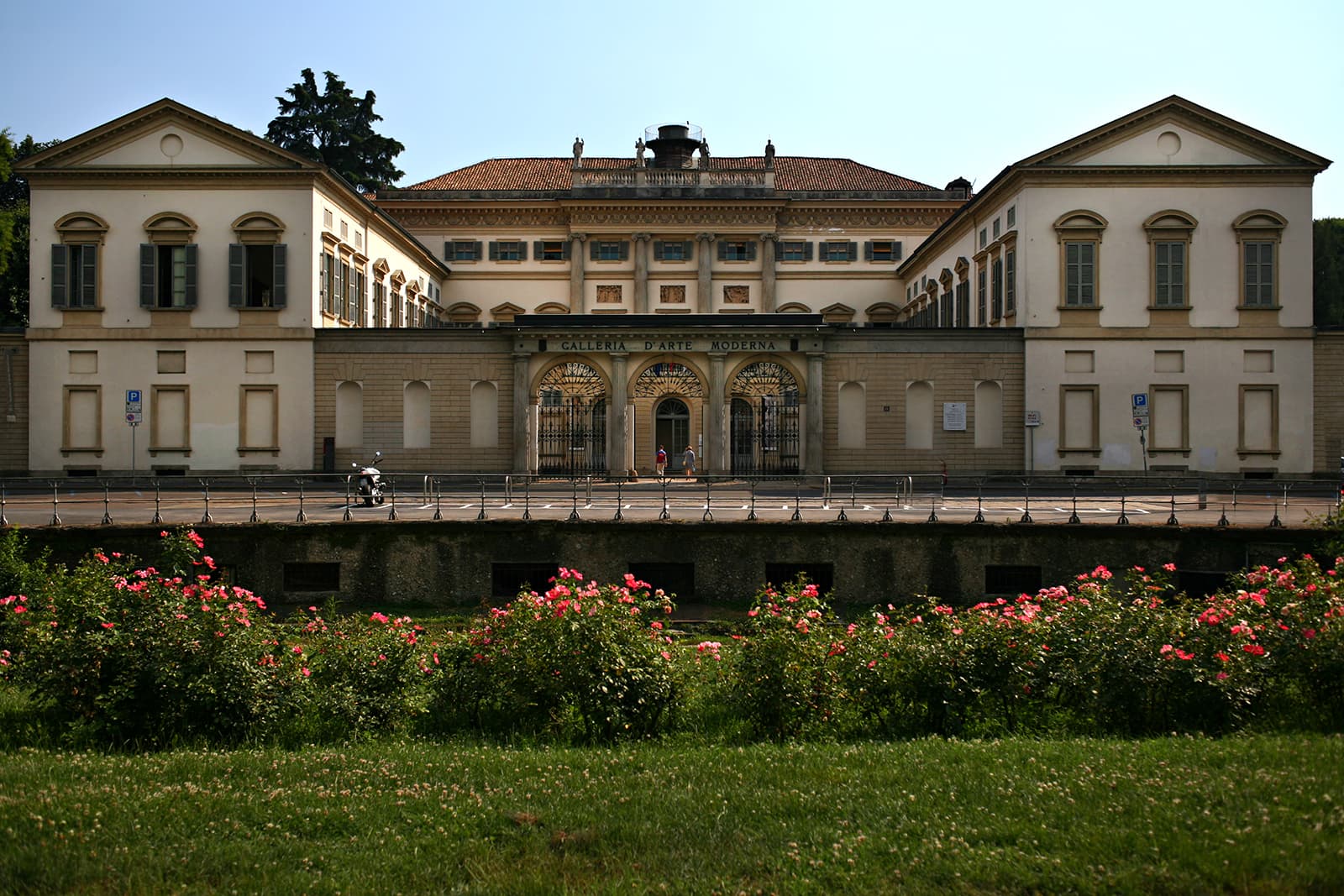 Galleria d'Arte Moderna (GAM), MilanMilan has a public garden that adults are not allowed to enter unless a child br3 minutes walk4.4
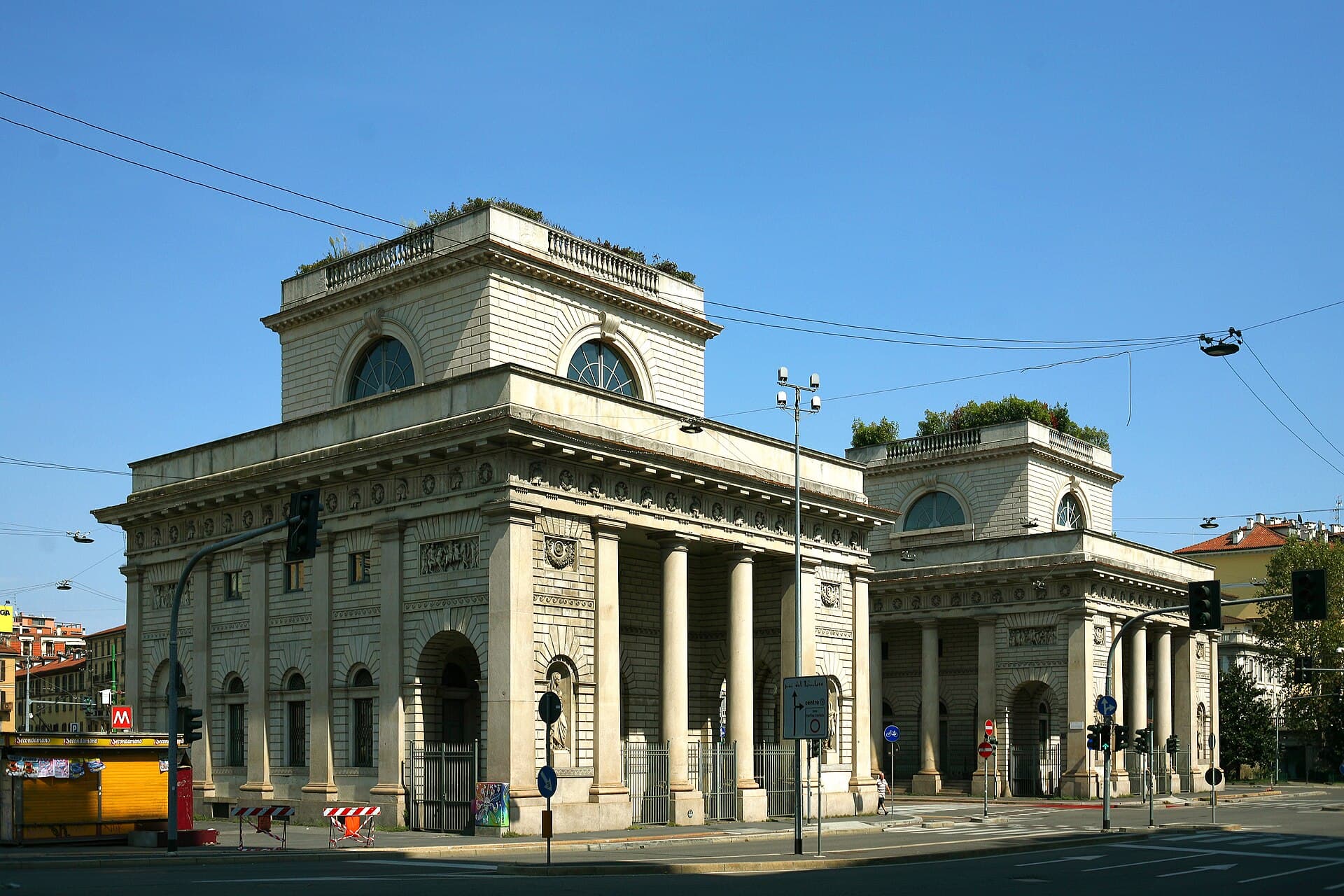 Porta VeneziaAn early nineteenth-century city gate east of central Milan, two facing classica3 minutes walk4.3
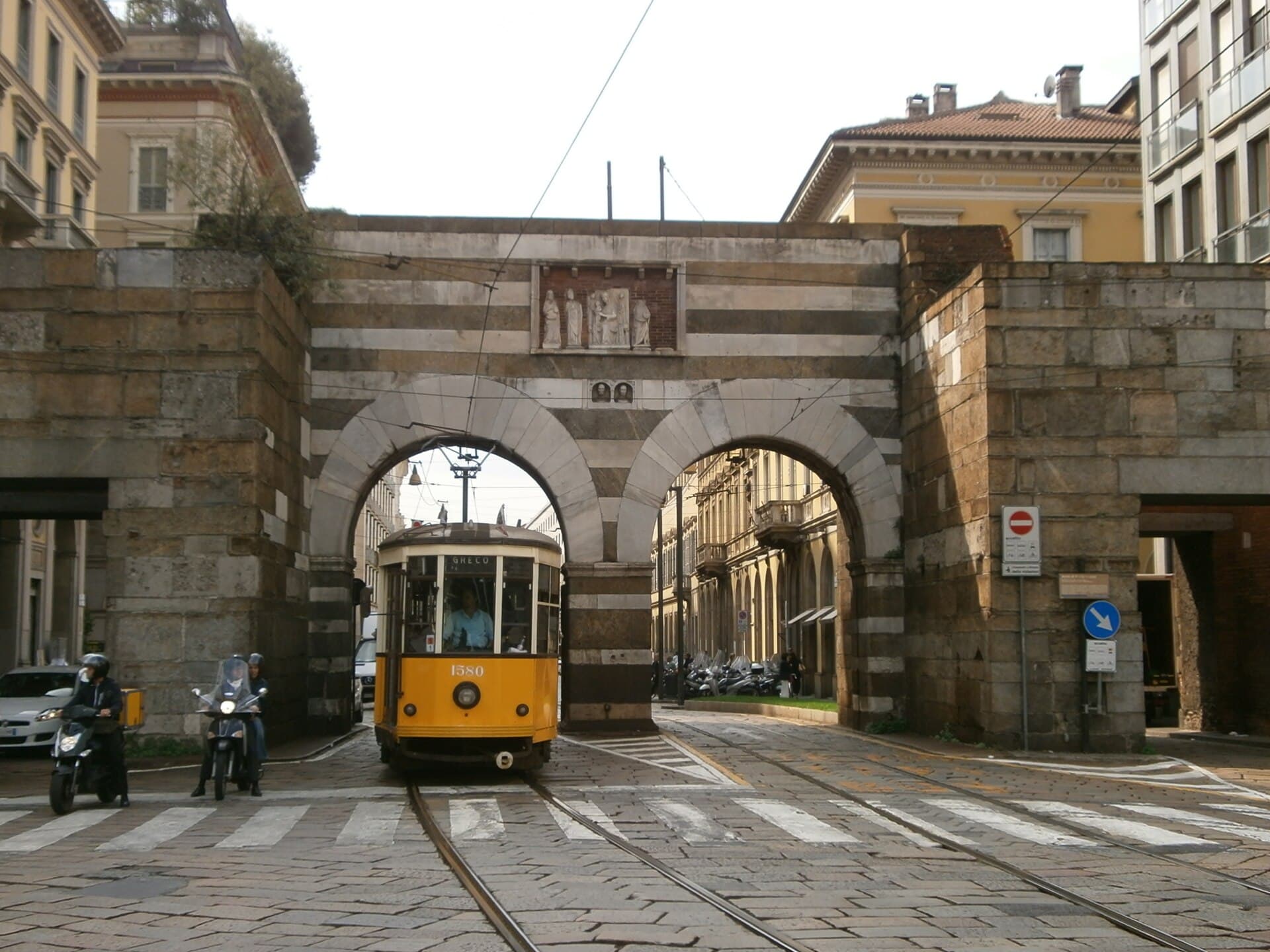 The Arches of the Old Porta NuovaA medieval gate in central Milan, built in 1171 as part of the city wall, and on7 minutes walk4.2
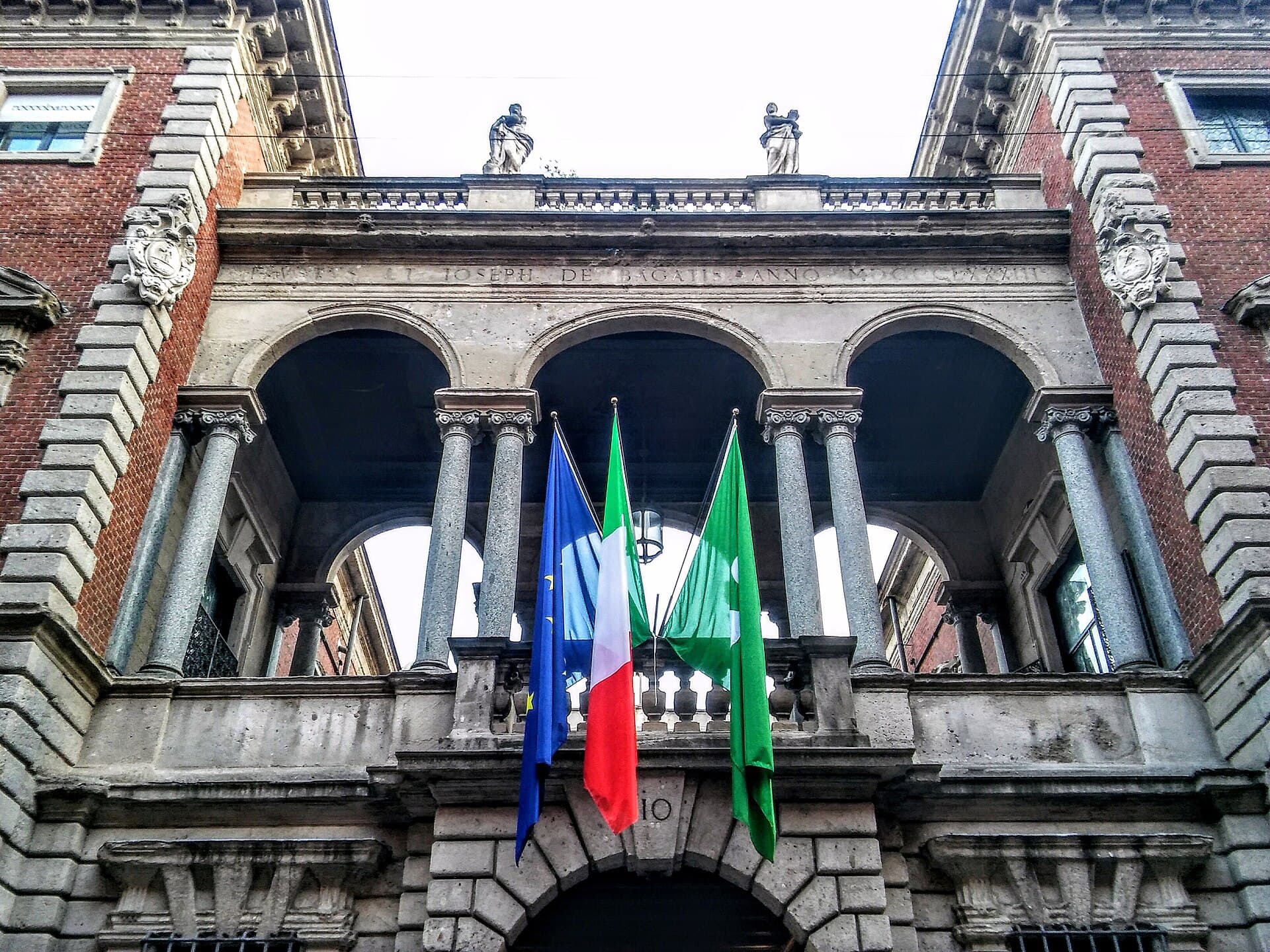 Bagatti Valsecchi MuseumThe house of two brothers who lived as if in the sixteenth century: Fausto and G8 minutes walk4.8
No, not if your time in Milan is short and you are travelling without children. The displays here are older and less interactive, and there is no single world-famous object that justifies the detour; the Duomo, Brera and the Last Supper all come first. With children, on a rainy day, or if you are staying near Porta Venezia, ten euros and two hours is a perfectly fair trade.
Yes, and it is one of the better family options in Milan. The dinosaurs and mounted animals work from about age three, the galleries are wide enough for a pushchair, and under-18s enter free. Do not count on reading the labels together, since most are in Italian, and plan for two hours at most before heading out into the park.