
An endpoint of a water network, not ornament
Each public fountain was where a whole district drew water.
Galzu — Public domain · Giovanni Battista Falda — Public domain · Lalupa — CC BY-SA 4.0 · Galzu — Public domain
A late sixteenth-century fountain in a small square at the heart of Rome's Monti district, also known as the Fountain of the Catechumens for its nearness to an institution that once prepared new converts to Christianity for baptism. The fountain is by Giacomo della Porta, the name behind most Roman fountains of that period: the central fountain of Piazza Navona, the Pantheon fountain and others. It was designed within Pope Gregory XIII's programme to bring water to the districts after the restoration of the Roman Acqua Vergine aqueduct. That is the context that matters. Rome's fountains were not originally ornament but the endpoints of a water network: each public fountain was the point from which a whole district drew. After the Roman aqueducts failed in the Middle Ages the city lived for centuries on river water and wells, and the return of the aqueducts in the sixteenth century was what brought whole districts back to life. The square today is the centre of Monti's evening life: young people sit on the fountain steps, cafés surround it, and the district itself is among Rome's oldest residential quarters with its narrow winding streets. Practical points: always open and free, a visit of minutes. Come in the evening to understand why the district loves it.
Each public fountain was where a whole district drew water.
Restoring the Acqua Vergine in the sixteenth century revived whole districts.
The fountain steps fill with people — that is Monti.
Piazza della Madonna dei Monti, Monti, Rome
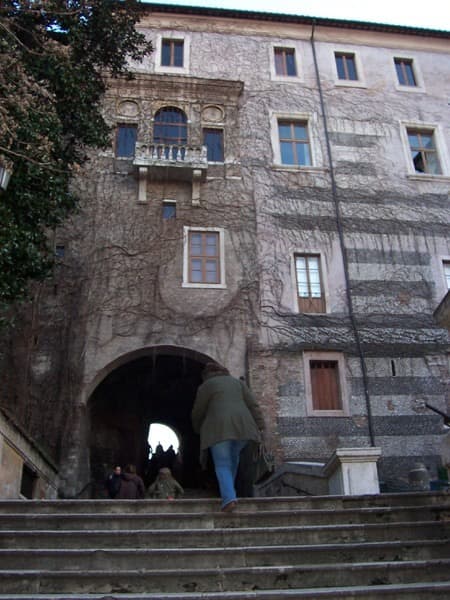 The Borgia Stair and the Vicus SceleratusA vaulted stone stair in the Monti district that passes beneath the old Borgia f2 minutes walk4.2
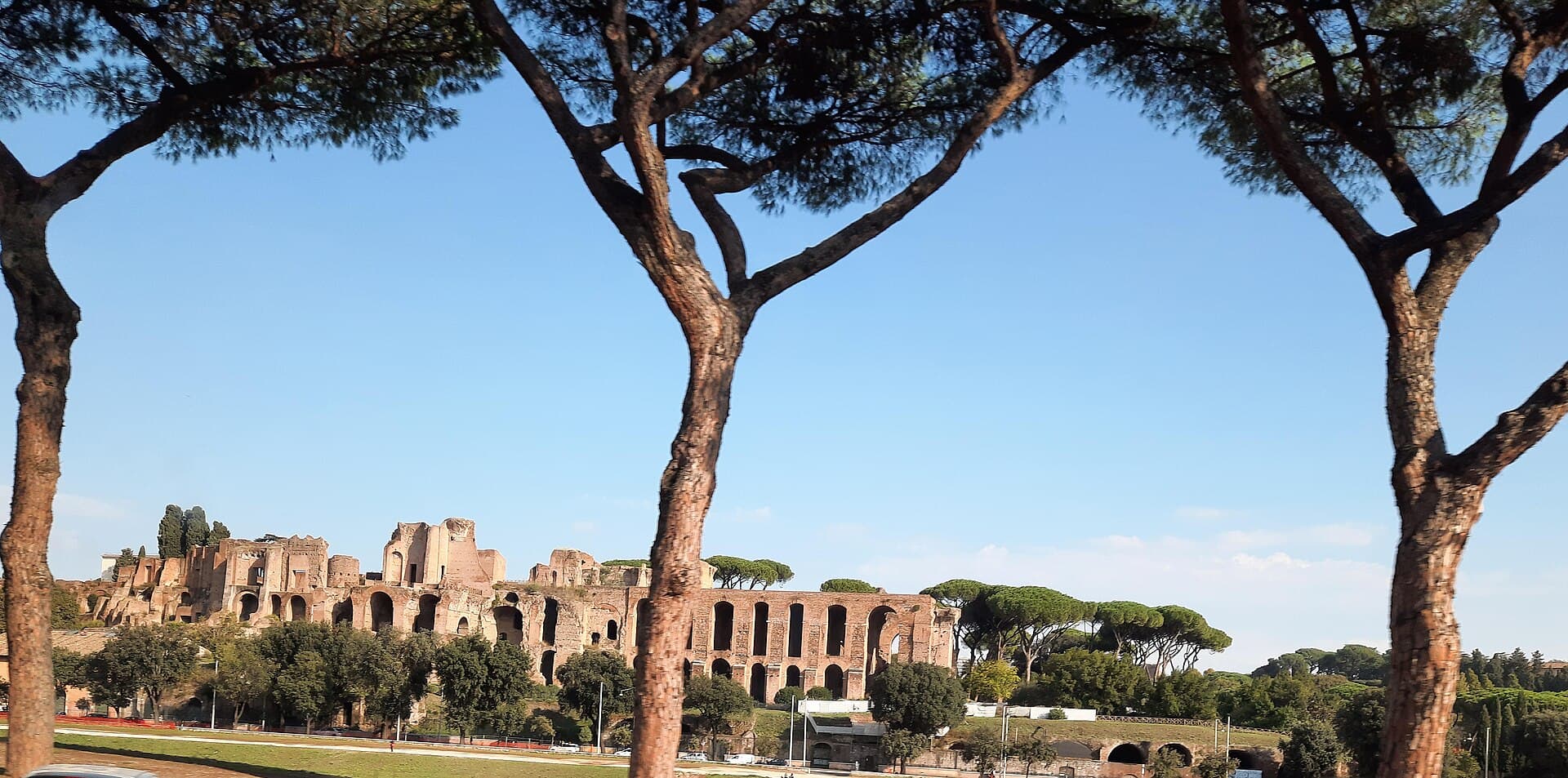 The Basilica of MaxentiusThe largest building in the Roman Forum, of which three enormous vaults of concr5 minutes walk4.6
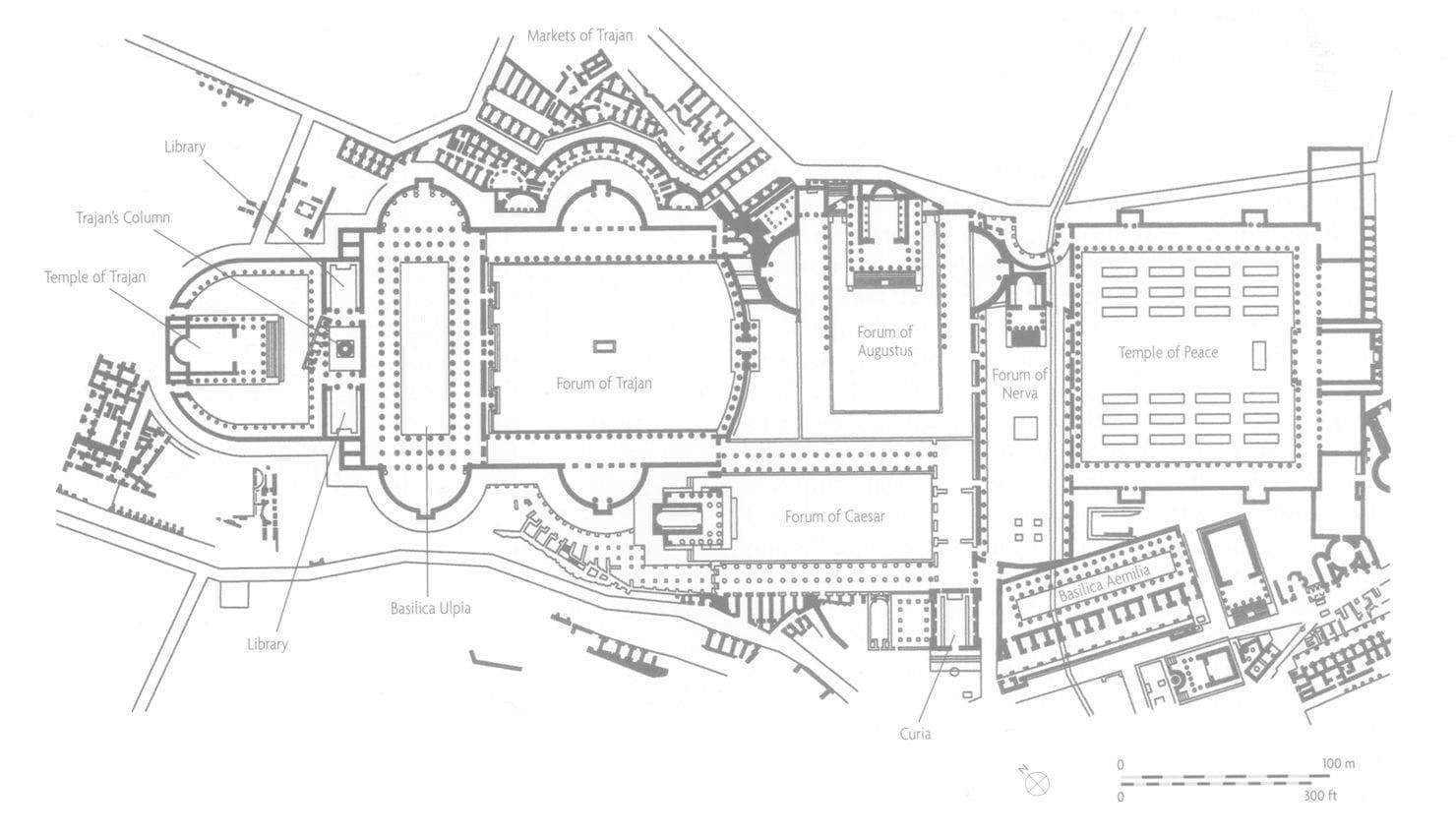 Trajan's ForumThe last, largest and most ambitious of the imperial fora: opened in AD 112 to a5 minutes walk4.6
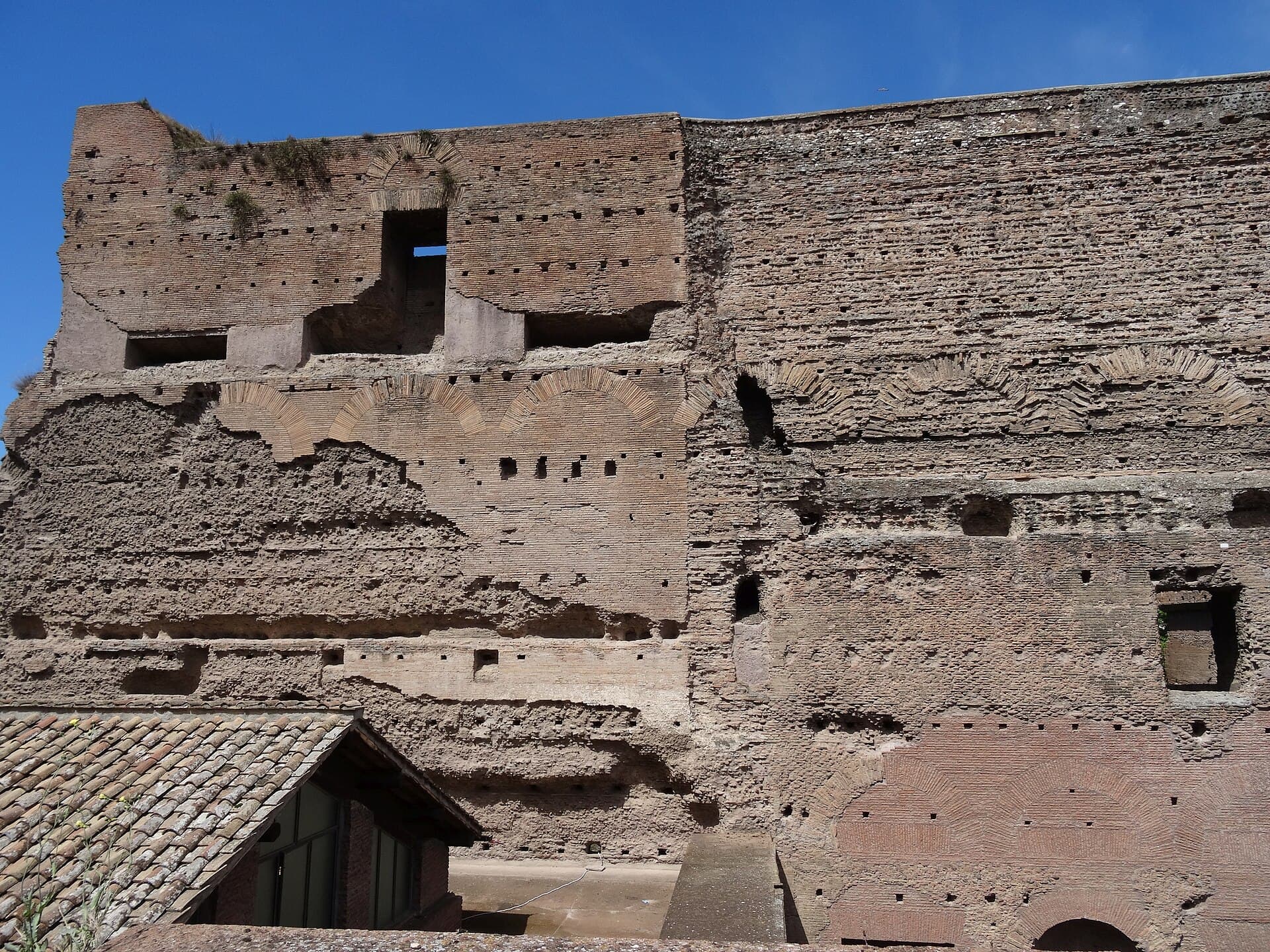 Imperial ForaFive fora built by successive emperors north of the old Roman Forum once the cit6 minutes walk4.6
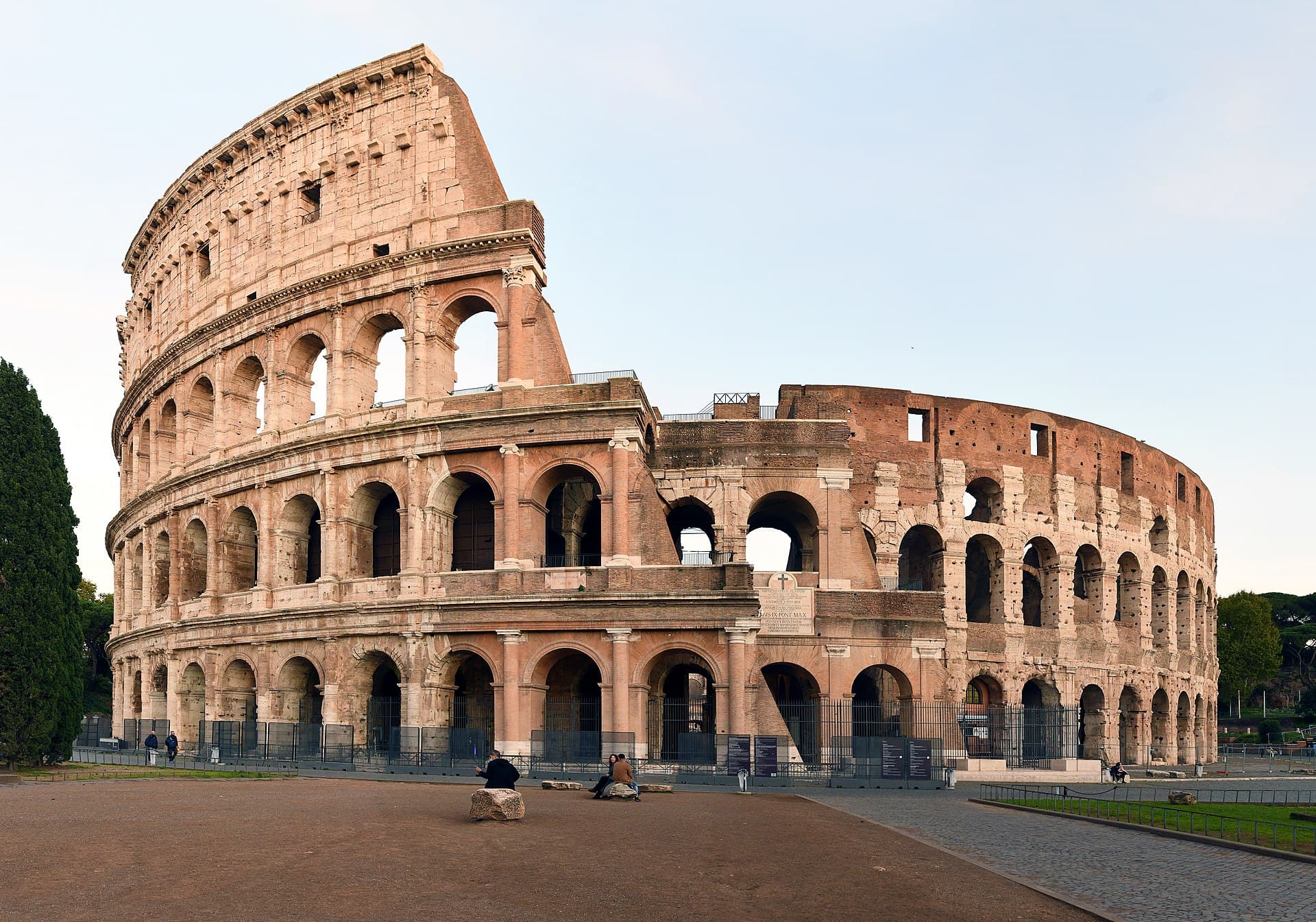 ColosseumNothing prepares you for the first moment: you step out of the metro and the gre7 minutes walk4.7
Looking for halal food near Fountain of Piazza della Madonna dei Monti? There are several options nearby, from Moroccan and Indian kitchens to quick casual spots and places with a view. Confirm the halal status and opening hours before you go — these can change.
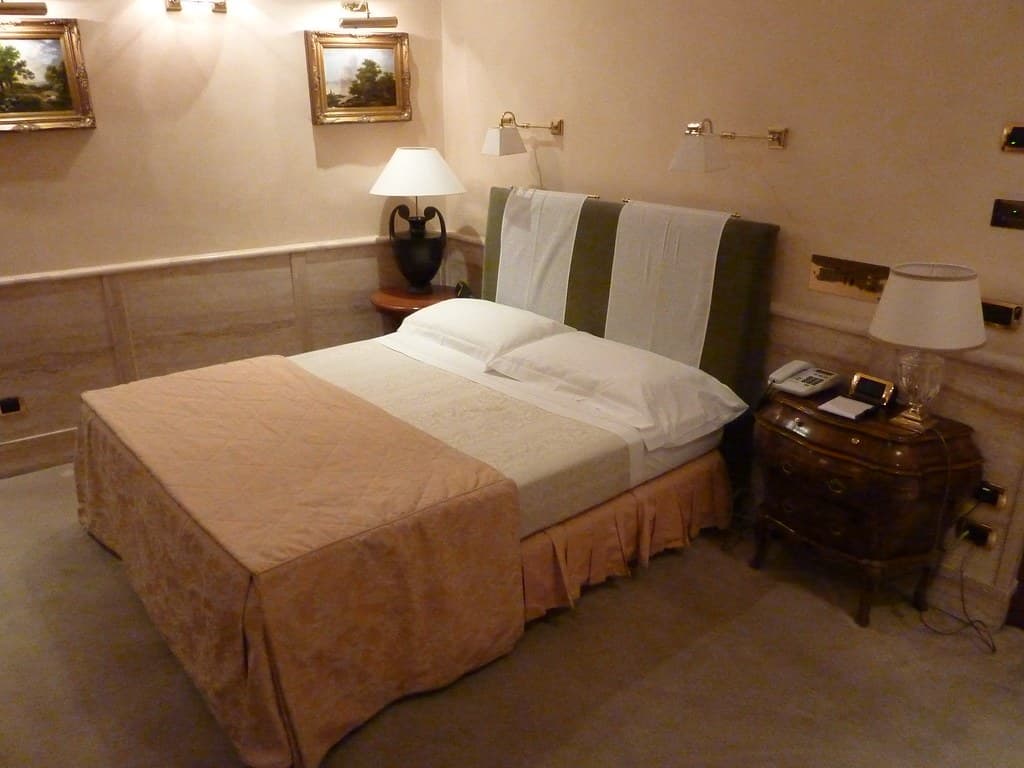 Hotel BaroccoA four-star hotel looking directly onto Piazza Barberini and Bernini's Triton Fo13 minutes walk · $$$$4.9The St. Regis RomeRome's oldest grand hotel and its most historic: opened in January 1894 as the G13 minutes walk · $$$$4.8
Rome's oldest residential district and the first rione in the city's numbering, between the Colosseum and Termini station. In antiquity it was the crowded, poor Subura quarter, and it remained a working-class district until recent decades, when it became among the most appealing parts of Rome for its small shops and restaurants. Its narrow winding streets are nothing like grand Baroque Rome, and that is the secret of its appeal.
A Roman aqueduct built in 19 BC to supply Agrippa's baths, and the only one of ancient Rome's aqueducts never entirely to stop flowing through the centuries. It was restored in the sixteenth century and came to feed the Trevi Fountain, the Piazza Navona fountains, this one and others. The water you see in the Trevi today arrives by a route two thousand years old.