
A carriage over a father's body
Tullia drove over her father the king — and Rome named the street for the deed.
MarkusMark — CC BY-SA 3.0 · user:Lalupa — Public domain · Unknown authorUnknown author — Public domain
A vaulted stone stair in the Monti district that passes beneath the old Borgia family palace and climbs towards the church of San Pietro in Vincoli, and which carries a far older name: the Vicus Sceleratus, the Wicked Street, as the ancient Romans called this route. The legend behind the name is among the oldest stories of Rome. Roman sources tell that Tullia, daughter of King Servius Tullius, conspired with her husband Tarquinius to seize the throne, that the king was killed in the street, and that her carriage drove over her father's body at this spot rather than stopping. The Romans named the street Wicked in memory of the act, and the name lasted two thousand years. Whether the story is historically true is uncertain — it belongs to the accounts of the early Roman monarchy written centuries after the events. Its value is in showing how Rome used place names as moral memory: the street itself became a verdict. The present stair is medieval and Renaissance, and passes beneath a building associated with the Borgia family — hence its other name. Plain practical points: a public passage, always open and free, a visit of two minutes. Do not come for it alone; make it your route from the Colosseum up to San Pietro in Vincoli, home of Michelangelo's Moses.
Tullia drove over her father the king — and Rome named the street for the deed.
Rome fixed the act in a street name for two millennia.
The stair passes under a building tied to the Renaissance's most notorious family.
Near San Pietro in Vincoli, Monti, Rome
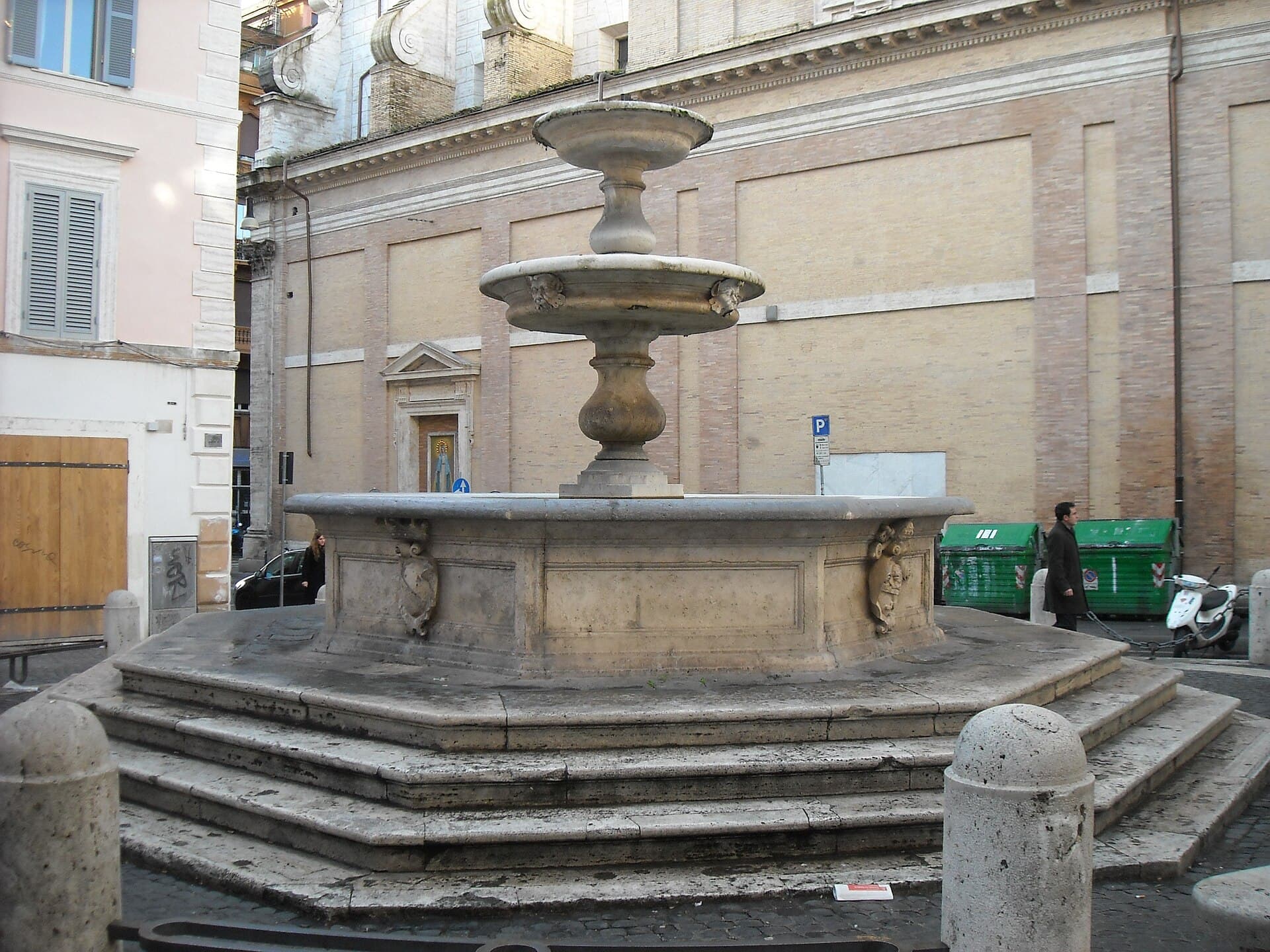 Fountain of Piazza della Madonna dei MontiA late sixteenth-century fountain in a small square at the heart of Rome's Monti2 minutes walk4.6
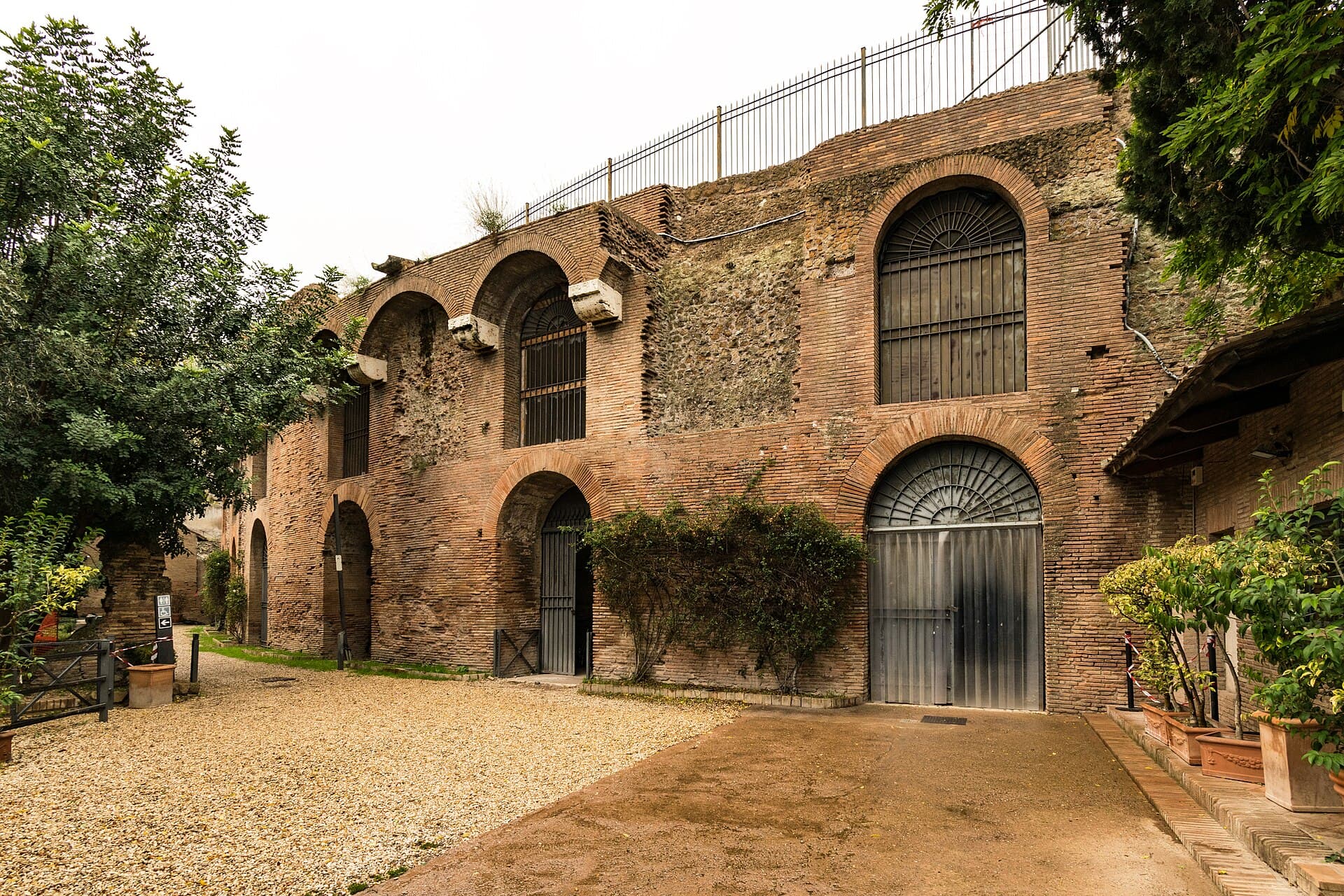 Domus Aurea (Nero's Golden House)After Rome's great fire (64 AD) Nero built himself the Golden House: a colossal 5 minutes walk4.7
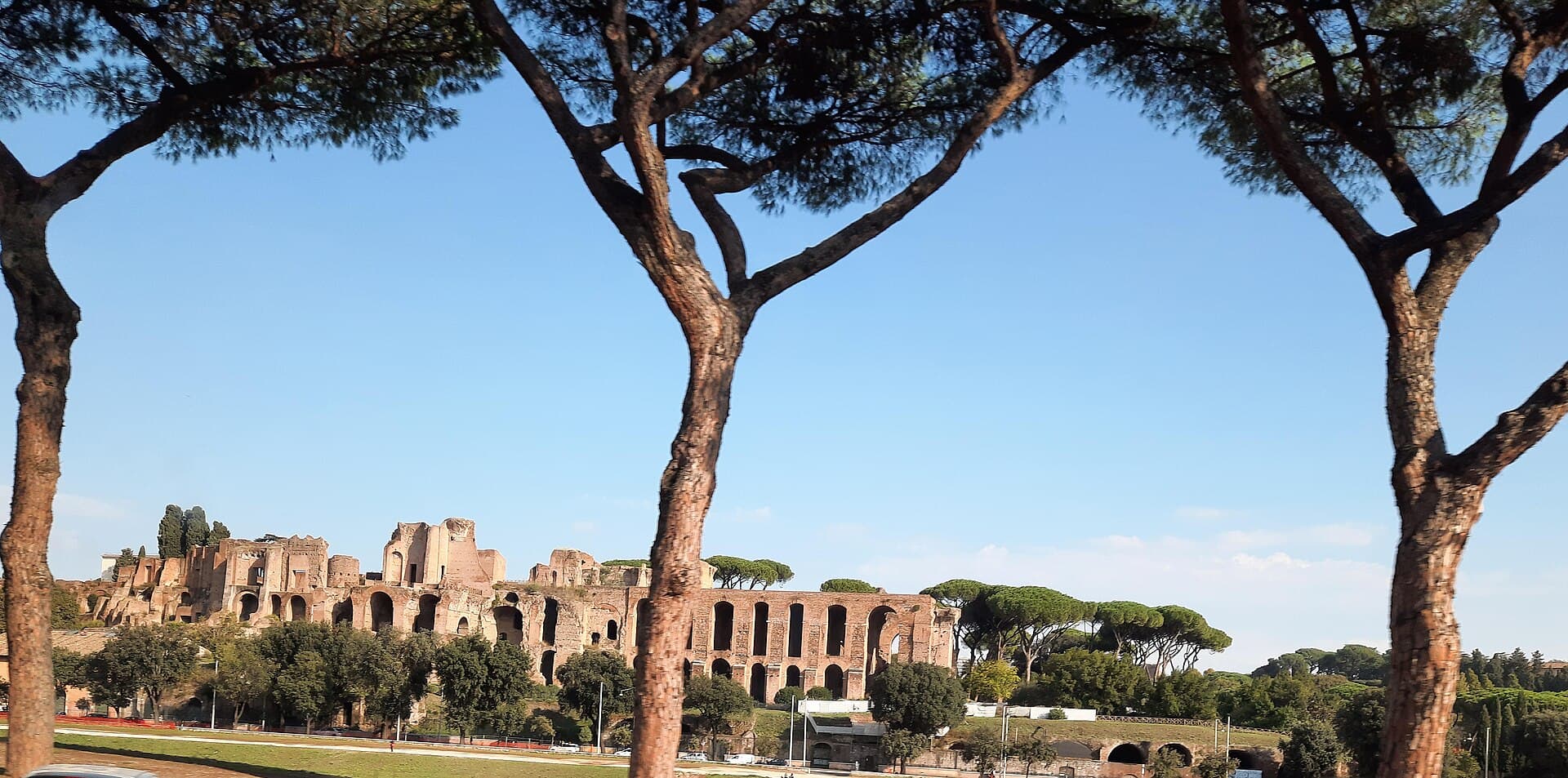 The Basilica of MaxentiusThe largest building in the Roman Forum, of which three enormous vaults of concr5 minutes walk4.6
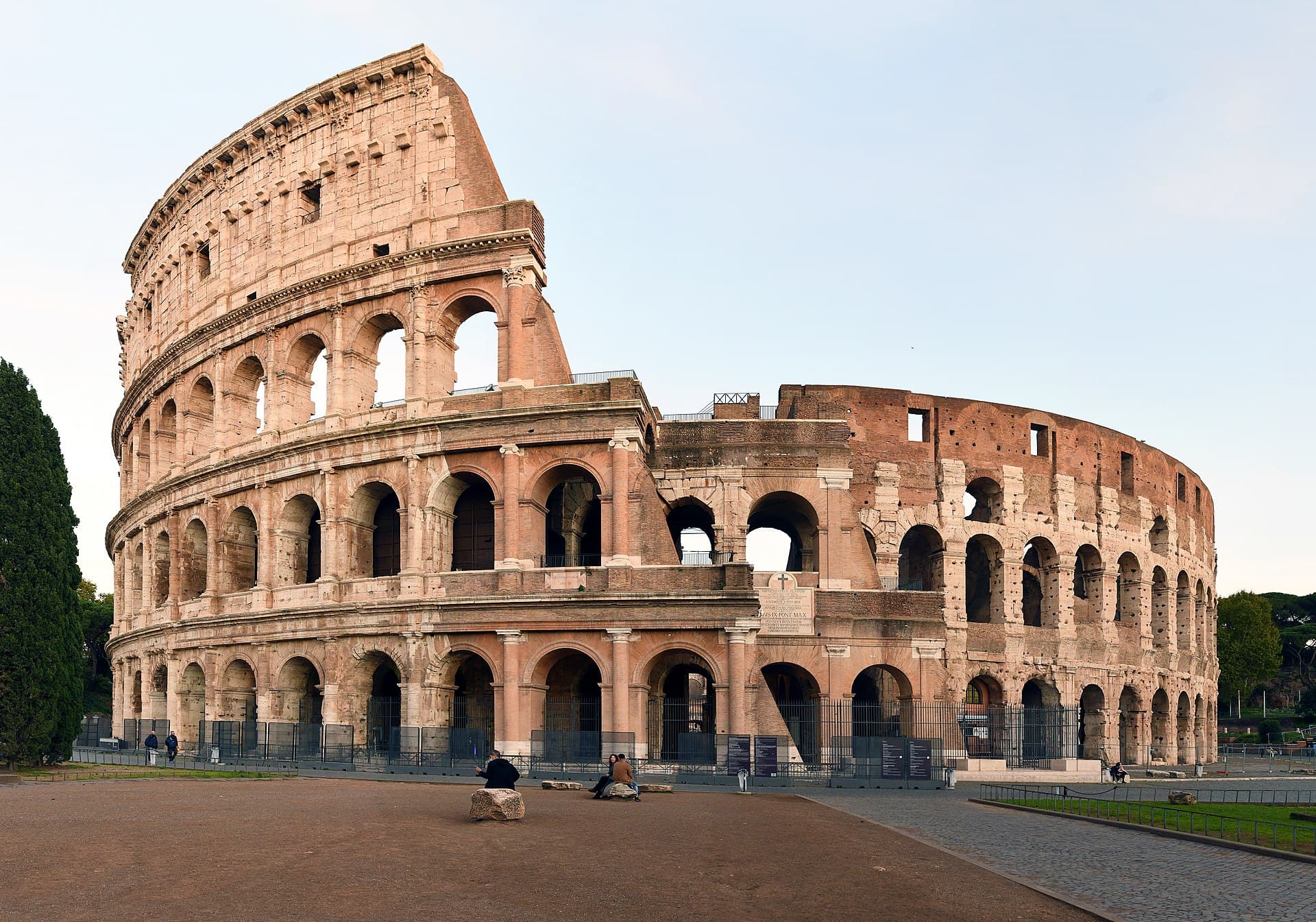 ColosseumNothing prepares you for the first moment: you step out of the metro and the gre6 minutes walk4.7
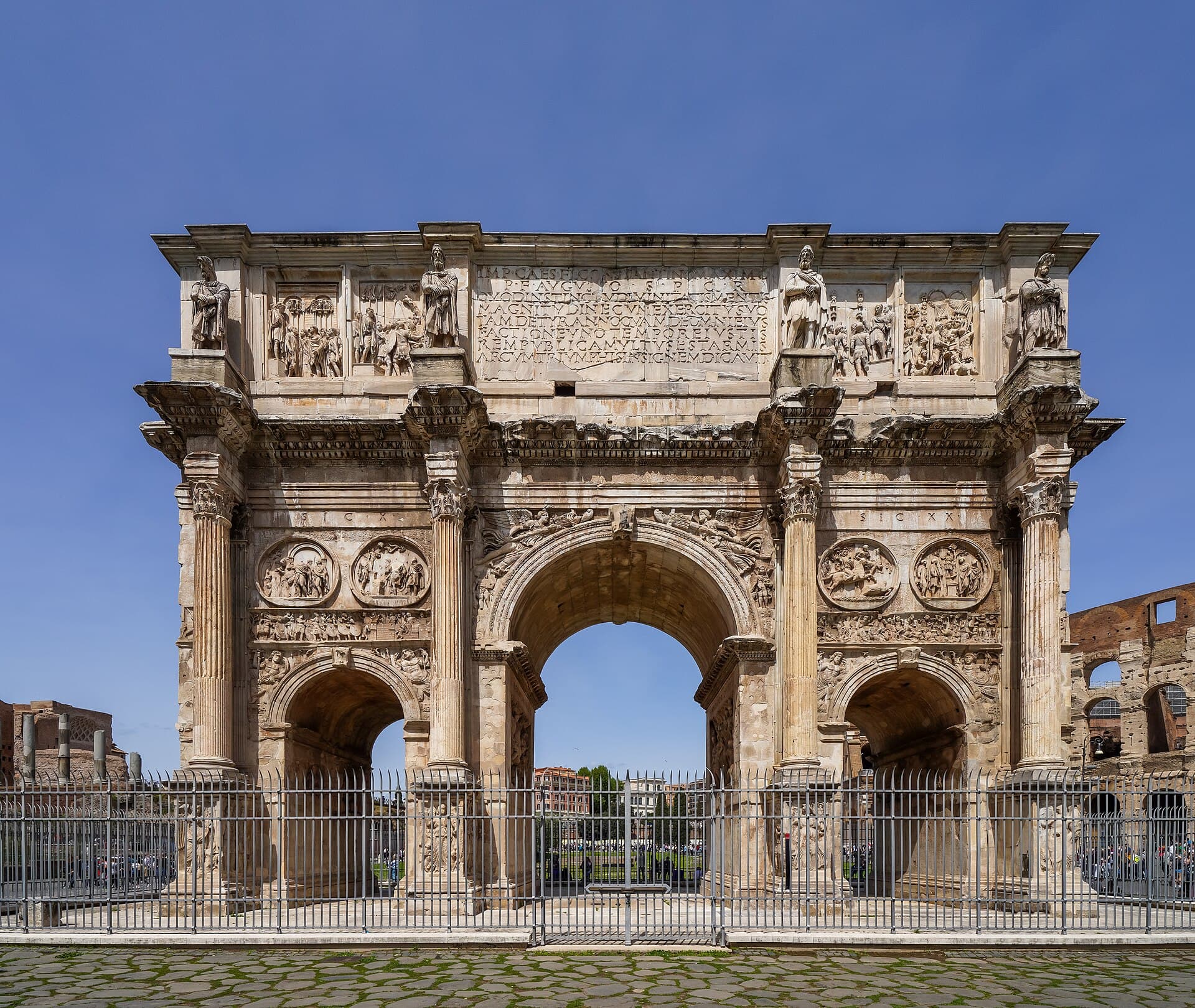 Arch of ConstantineThe largest and most complete surviving Roman triumphal arch: twenty-one metres 6 minutes walk4.7
Looking for halal food near The Borgia Stair and the Vicus Sceleratus? There are several options nearby, from Moroccan and Indian kitchens to quick casual spots and places with a view. Confirm the halal status and opening hours before you go — these can change.
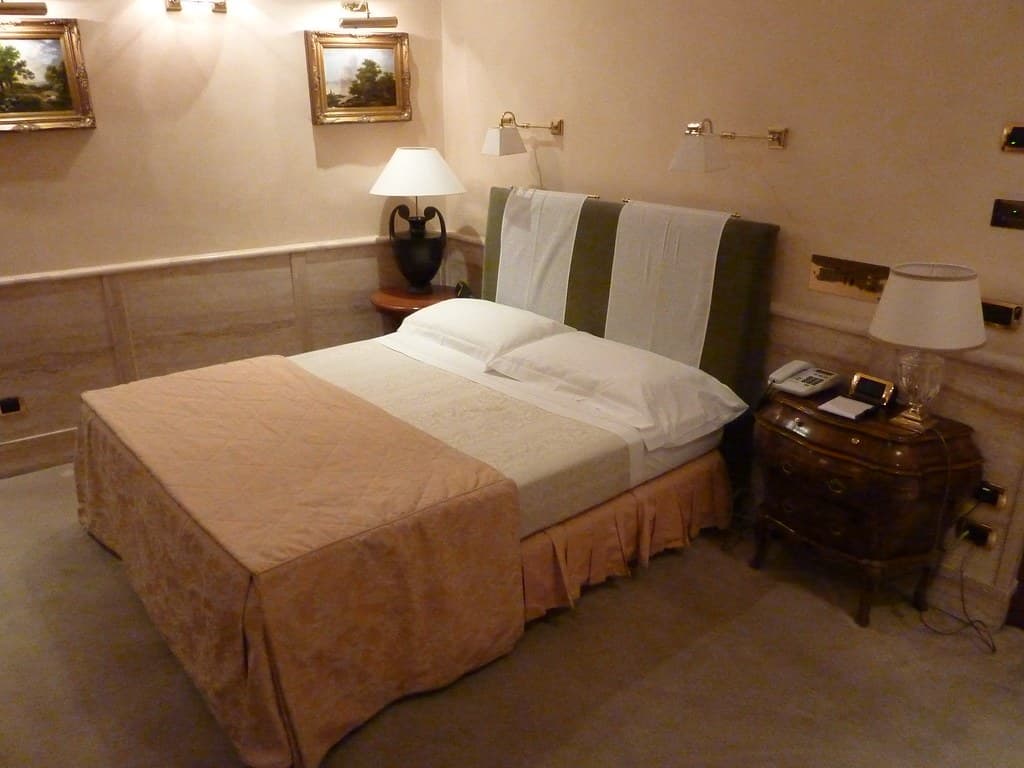 Hotel BaroccoA four-star hotel looking directly onto Piazza Barberini and Bernini's Triton Fo14 minutes walk · $$$$4.9The St. Regis RomeRome's oldest grand hotel and its most historic: opened in January 1894 as the G14 minutes walk · $$$$4.8
Two things: the chains said to have bound Saint Peter in Jerusalem and Rome, displayed beneath the altar, and Michelangelo's Moses, carved for the tomb of Pope Julius II and counted among his greatest works. Entry is free, and note that the church closes for several hours at midday as is common in Rome. The statue is lit by a coin-operated light for a few minutes at a time.
A family of Spanish origin that gave Rome two popes in the fifteenth century, the more famous being Alexander VI, and that became a byword for corruption and cruelty in the Renaissance — both deservedly and with exaggeration. His son Cesare was the model for Machiavelli's Prince, and his daughter Lucrezia the subject of endless legends of poison and conspiracy. Historians today regard much of that as propaganda from their enemies, but enough of it is true.