A British fort
Among England's largest in the East.
sbamueller — CC BY-SA 2.0 · Crisco 1492 — CC BY-SA 4.0 · Crisco 1492 — CC BY-SA 4.0
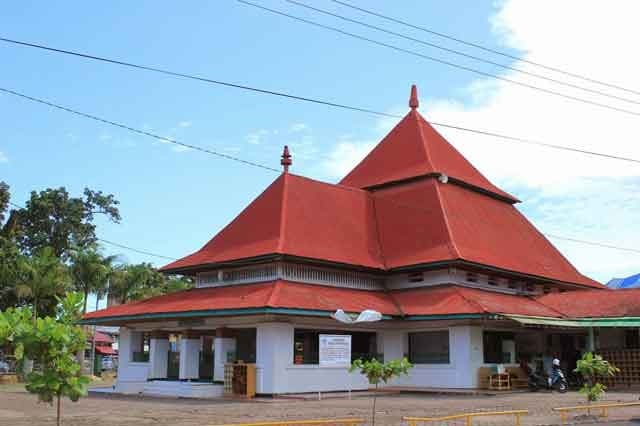
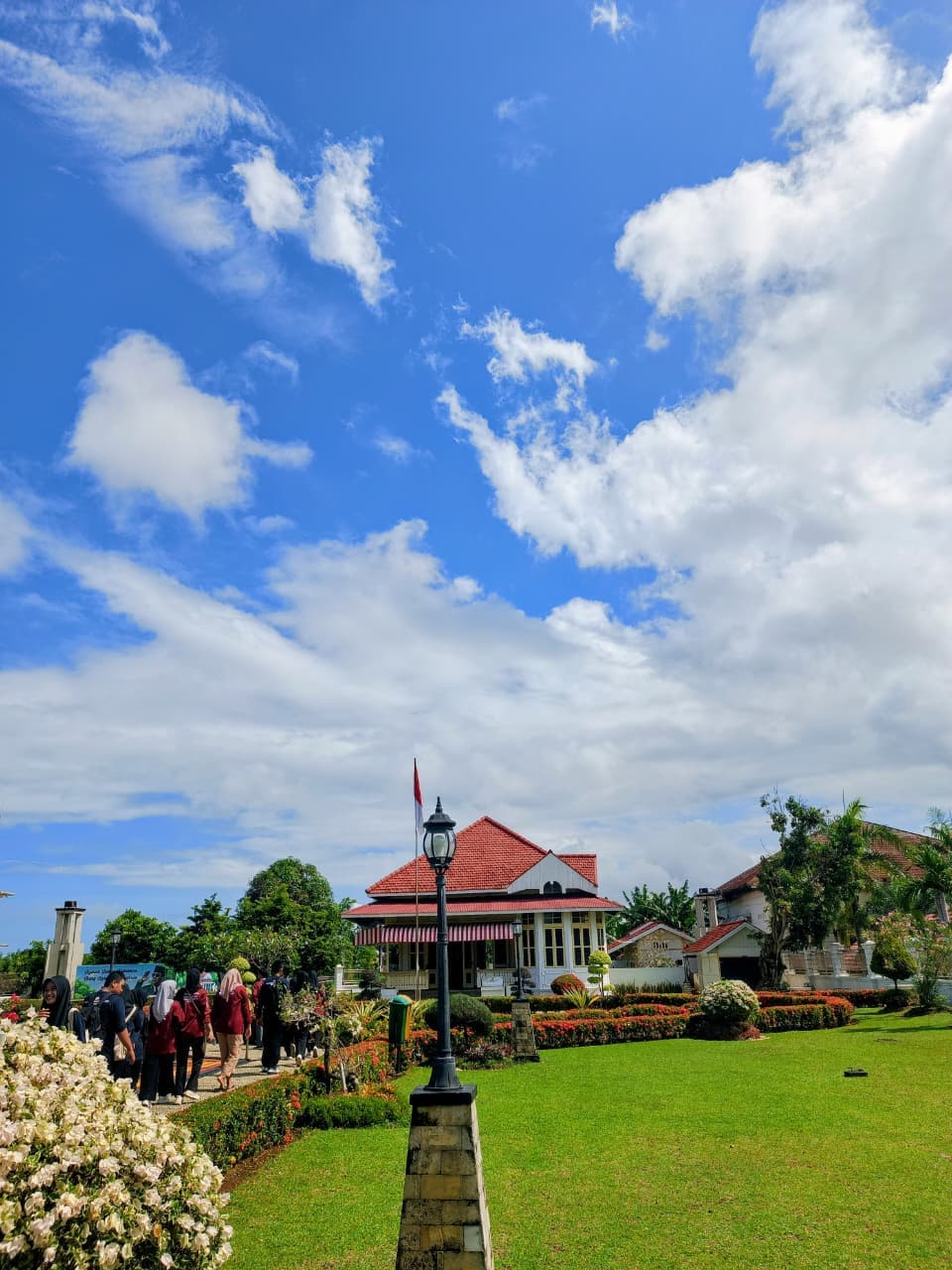
A massive fort on the Indian Ocean coast built by the British East India Company between 1714 and 1719, counted among the largest forts the British built in the East. Bengkulu, or Bencoolen as the English called it, was a British settlement for more than a century, until Britain swapped it with the Dutch for Malacca in 1824. The fort is shaped like a turtle, with thick walls, moats, a main gate and old cannons still on the ramparts, and inside rooms and passages that served as stores and cells. At the gate and in the courtyard are old English gravestones of officers and officials who died here. The ramparts give a view over the sea and the city. Entry is a token few thousand rupiah, and the fort is open in daytime. It is Bengkulu's best-known and most visited sight. An hour is enough; combine it with Sukarno's exile house and the Jamik Mosque he designed, all in the city. The best time is late afternoon, when it cools and the sun sets over the ocean.
Among England's largest in the East.
Swapped by Britain and the Dutch in 1824.
Sea and city from the ramparts.
On the coast, north of central Bengkulu
To secure the pepper trade of Sumatra's west coast after the Dutch drove them from Java. Bengkulu stayed English until it was swapped for Malacca in 1824.