
A president's exile
Four years of Sukarno's life.
AnakSholeh123 — CC0 · Herusutimbul — CC BY-SA 4.0 · Penikmat Senja — CC BY-SA 4.0 · a_rabin — CC BY 2.0
The house to which the Dutch exiled Sukarno, Indonesia's first president, from 1938 to 1942, after moving him from his first exile on the island of Flores. It is an elegant white colonial-style house, once owned by a Chinese merchant, standing in a broad garden in the heart of the city. Sukarno spent four busy years in this city: he taught at the Muhammadiyah school, redesigned the nearby Jamik Mosque, and met Fatimah, daughter of a Bengkulu notable, who became his wife, known as Fatmawati; it was she who sewed by hand the first flag of independent Indonesia in 1945. The house holds Sukarno's personal belongings: his bed and desk, his library of old books, his bicycle, photographs from the exile years, and costumes of a theatre troupe he founded here. The fee is a token amount, and it opens in daytime. Half an hour to an hour is enough; combine it with the Jamik Mosque a few minutes away and the nearby Fatmawati house to complete Sukarno's Bengkulu story.
Four years of Sukarno's life.
His belongings as they were.
She sewed Indonesia's first flag.
Jalan Soekarno-Hatta, central Bengkulu
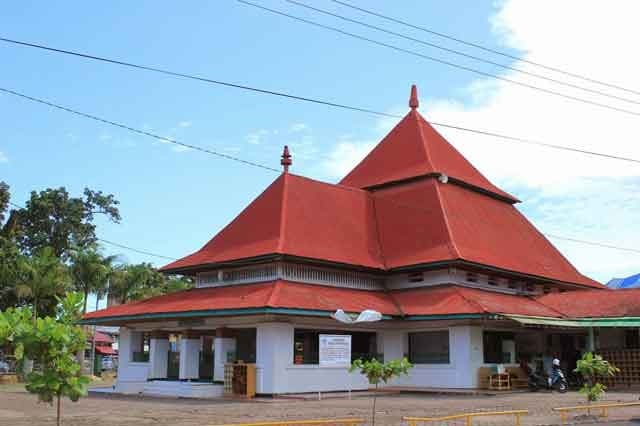 Jamik Mosque, Bengkulu (Sukarno's Mosque)A small historic mosque in the heart of Bengkulu, known as Sukarno's Mosque beca9 minutes walk
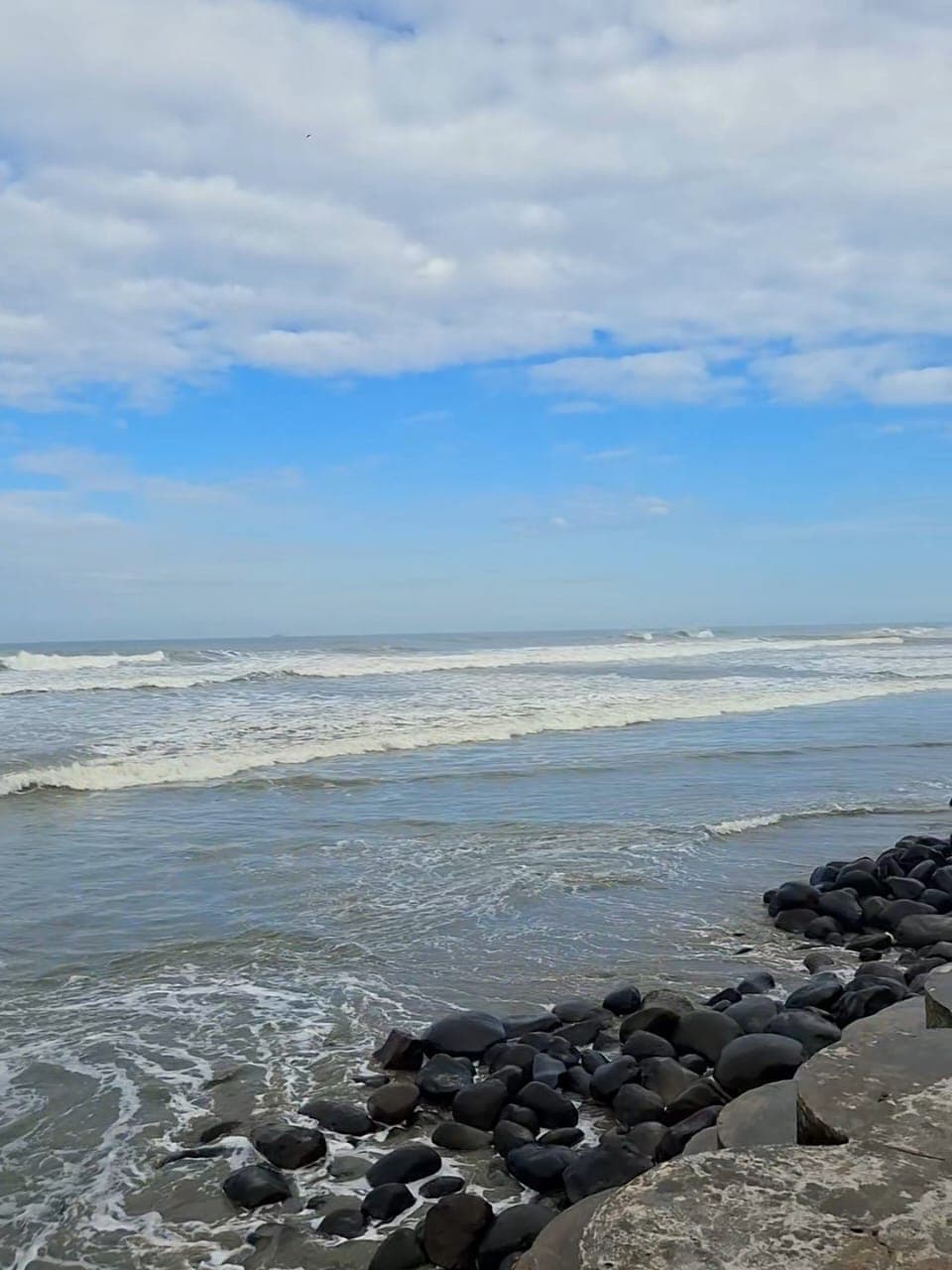 Panjang Beach, BengkuluA long sandy beach stretching some seven kilometres along the Indian Ocean besid20 minutes walk
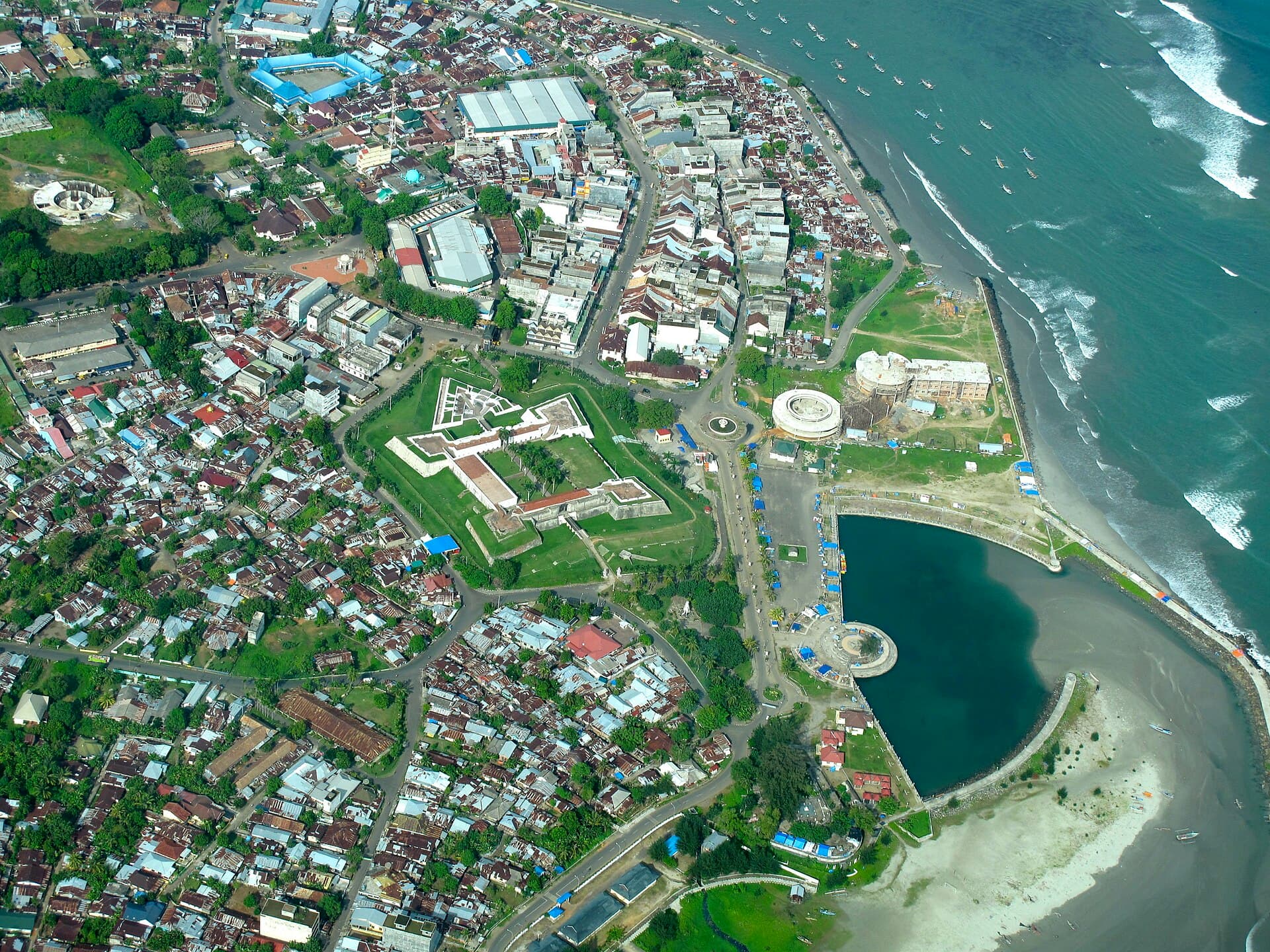 Fort MarlboroughA massive fort on the Indian Ocean coast built by the British East India Company21 minutes walk
Sukarno, an engineer by training, redesigned Bengkulu's Jamik Mosque during his exile, raising its roof and adding columns and carving; the mosque still stands near the house.