Designed by a president
Redesigned by Sukarno in exile.
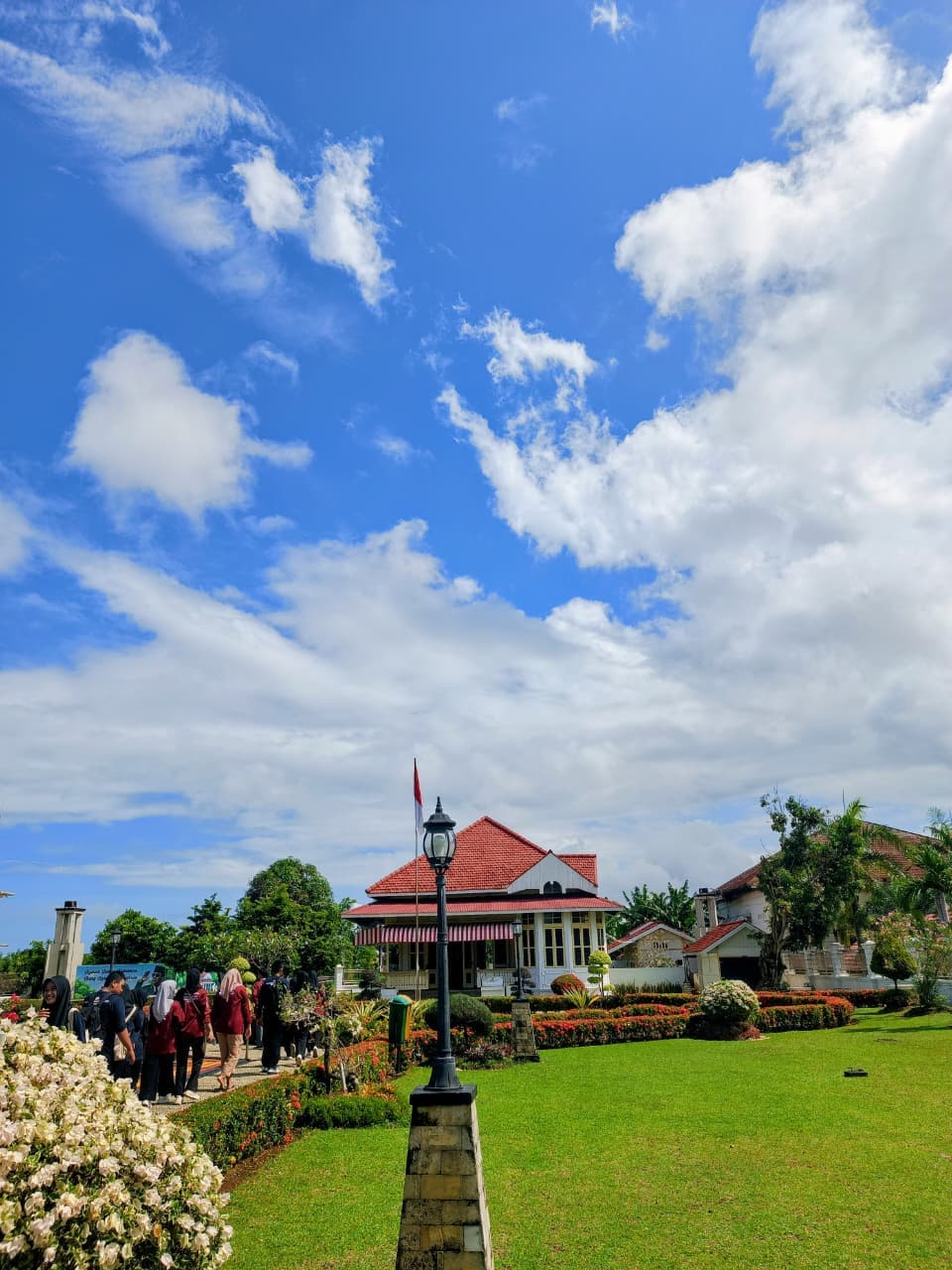
A small historic mosque in the heart of Bengkulu, known as Sukarno's Mosque because Indonesia's first president redesigned it himself while in exile in the city between 1938 and 1942. Sukarno had trained as an architect, and he volunteered with the neighbourhood to renew the old, dilapidated mosque. Sukarno raised the roof into the tiered pyramid of the archipelago's Islamic tradition and added columns, carved ornament and higher walls, so the mosque became a blend of local tradition and touches that were modern for its time. It has been restored several times but keeps Sukarno's design, and is today a protected heritage building. Entry is free; the mosque serves daily and Friday prayers, and non-Muslims visit outside prayer times in modest dress. The visit is short, a quarter to half an hour, a natural stop with Sukarno's exile house nearby; pray here if the time comes, in a mosque designed by a president.
Redesigned by Sukarno in exile.
In the archipelago's mosque style.
It keeps its design.
Central Bengkulu, near Sukarno's exile house
No, it is a small neighbourhood mosque; its value lies in its history and Sukarno's design, not its size.