
Dome and columns
Classical style.
A small monument in the European classical style with a dome and columns, raised by the British in Bengkulu in the early nineteenth century to commemorate Thomas Parr, their resident governor, who was killed on 23 December 1807. Parr was known for his harshness, forcing local people to grow coffee, and his rule ended in his killing. The monument stands in a square near Fort Marlborough, a witness to the British era in Bengkulu, which lasted over a century until Britain swapped it with the Dutch in 1824. A small garden surrounds it in the old town centre. It is seen from outside for free, a visit of a few minutes for photos. Combine it with nearby Fort Marlborough, Sukarno's exile house and the Jamik mosque on one tour of Bengkulu's history.
Classical style.
In Bengkulu.
With the fort and Sukarno's house.
Near Fort Marlborough, central Bengkulu
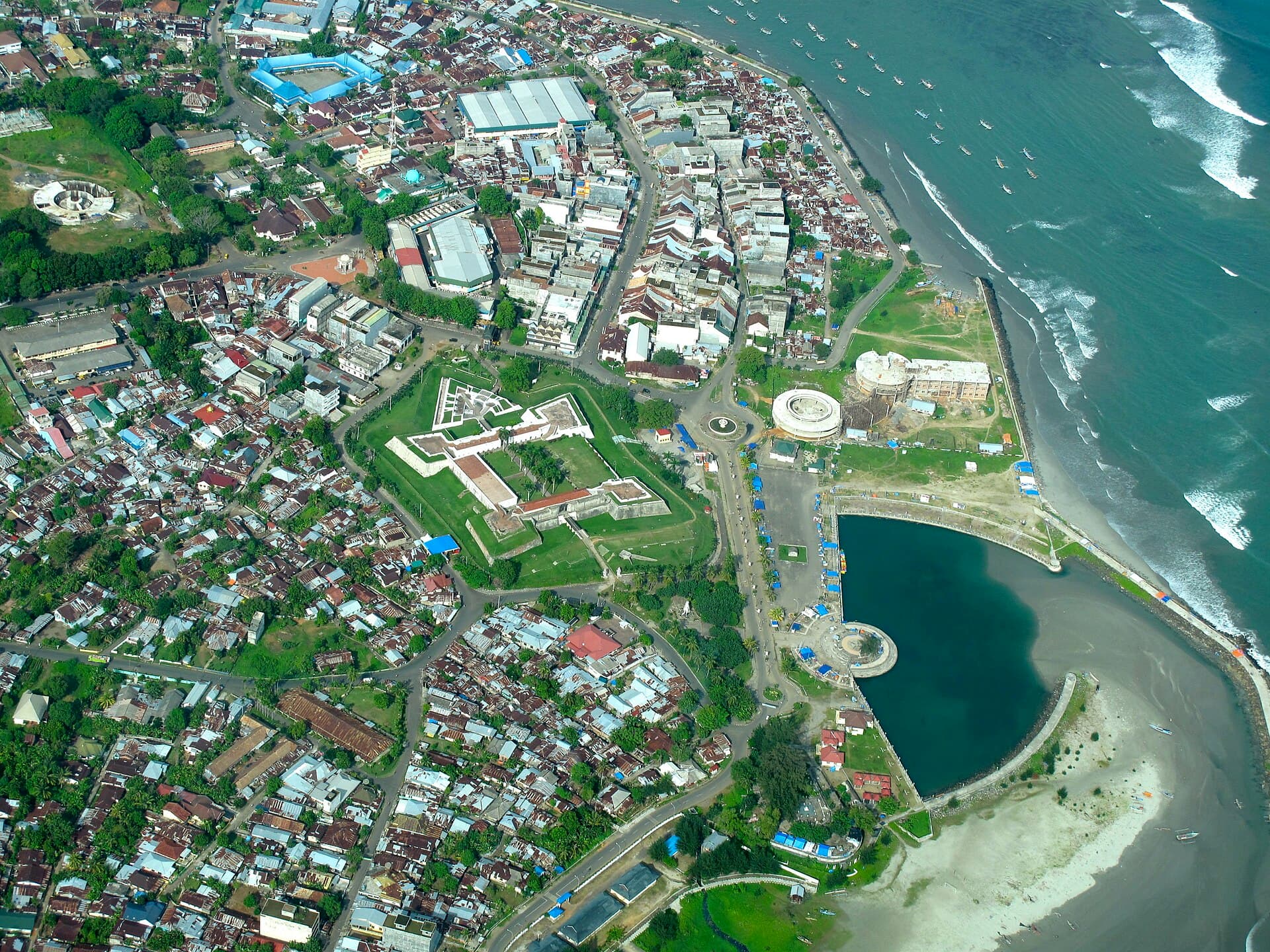 Fort MarlboroughA massive fort on the Indian Ocean coast built by the British East India Company2 minutes walk
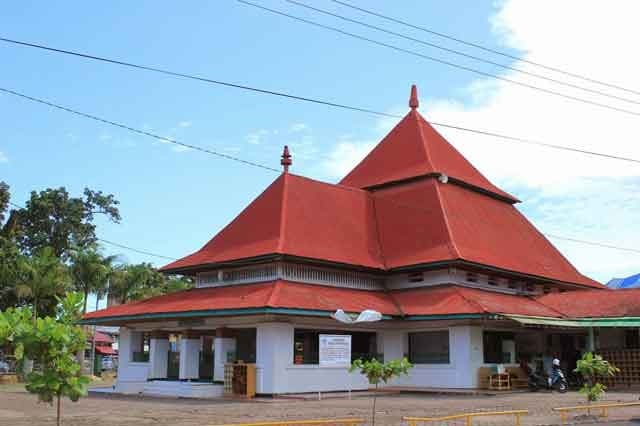 Jamik Mosque, Bengkulu (Sukarno's Mosque)A small historic mosque in the heart of Bengkulu, known as Sukarno's Mosque beca17 minutes walk
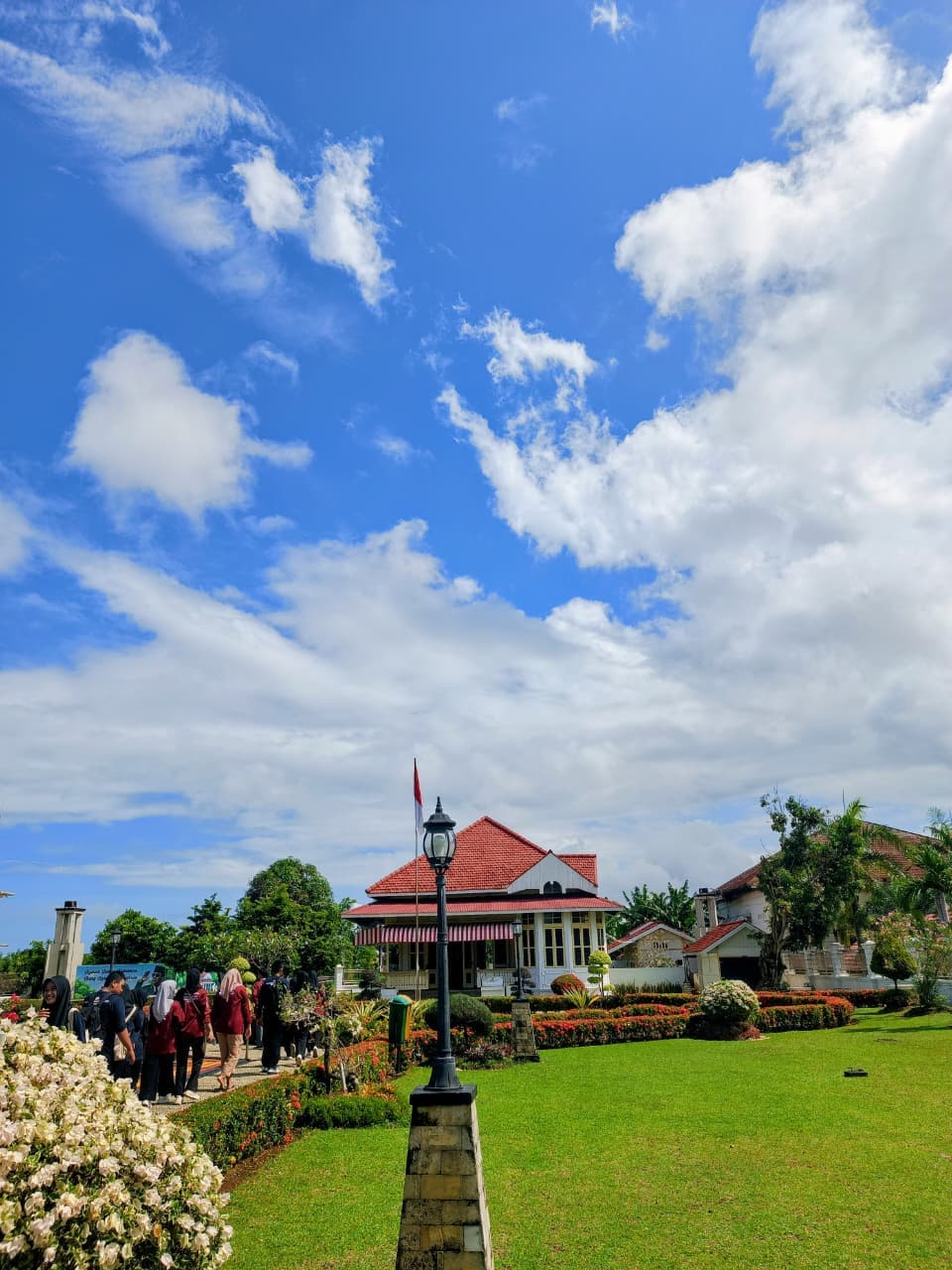 Sukarno's Exile HouseThe house to which the Dutch exiled Sukarno, Indonesia's first president, from 120 minutes walk
He was a harsh governor who imposed forced coffee cultivation and mistreated local people; he was killed in 1807, and accounts differ on who the killers were, though they agree on popular anger at his rule.