
City, harbour and ocean
The view from the walls takes in all of Funchal, the cultivated slopes and the Atlantic.
José Lemos Silva — CC BY-SA 4.0 · Bengt Nyman from Vaxholm, Sweden — CC BY 2.0 · Vitor Oliveira from Torres Vedras, PORTUGAL — CC BY-SA 2.0 · PESP/ Wikimedia — CC BY-SA 4.0
A seventeenth-century fort on a hill above Funchal, built to defend the town and its harbour against pirate raids and rival fleets, and the highest-placed of the city's fortifications. The fort itself is plain: stone walls, a courtyard and service buildings, without much on display or a museum route. It served military purposes for centuries and then as a naval communications station for the Portuguese navy before opening to visitors. The real reason to climb is the view: from the walls you see the whole of Funchal, the harbour, the cultivated slopes behind and the Atlantic, wider than anything from within the city. The scene is better before sunset, when the light shifts across the waterfront. The climb is hard work: steps and steep streets from the old town taking about twenty minutes, though a taxi can get you close. Entry is normally free, which makes it among the best additions to a day in Funchal at no cost.
The view from the walls takes in all of Funchal, the cultivated slopes and the Atlantic.
Walls and a courtyard with little on display — the view is the point, not the building.
The light shifts across the waterfront, the best hour to climb and photograph.
Pico hill, above the old town, Funchal
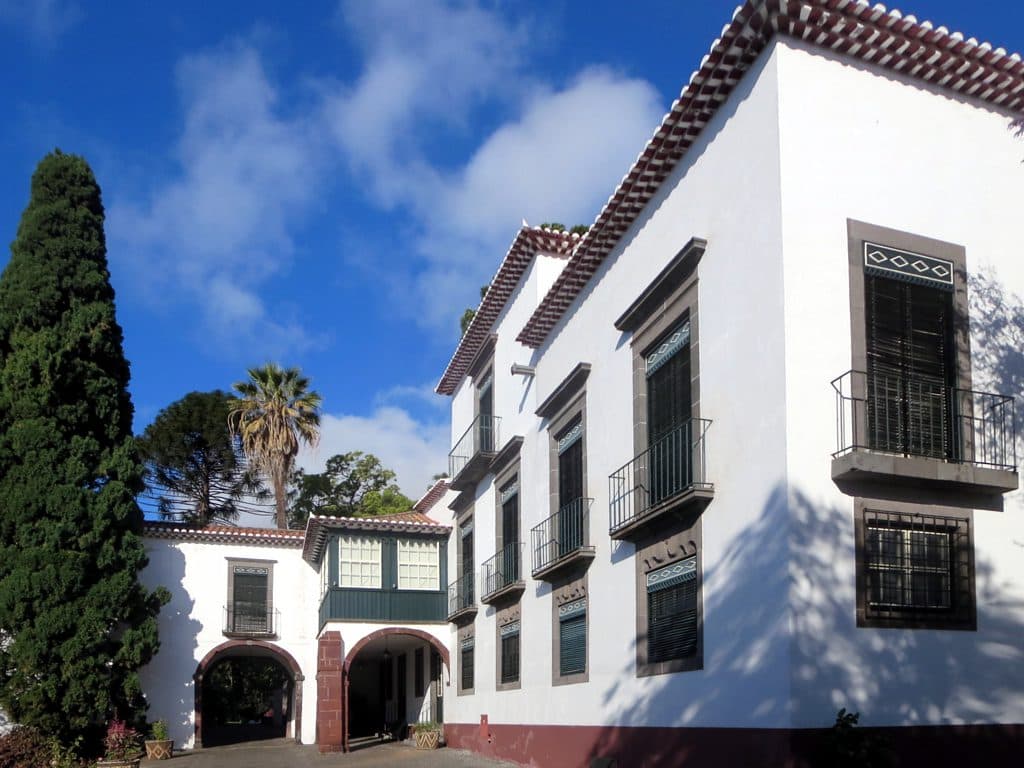 Quinta das Cruzes MuseumAn aristocratic country house above central Funchal, converted into a museum of 3 minutes walk4.4
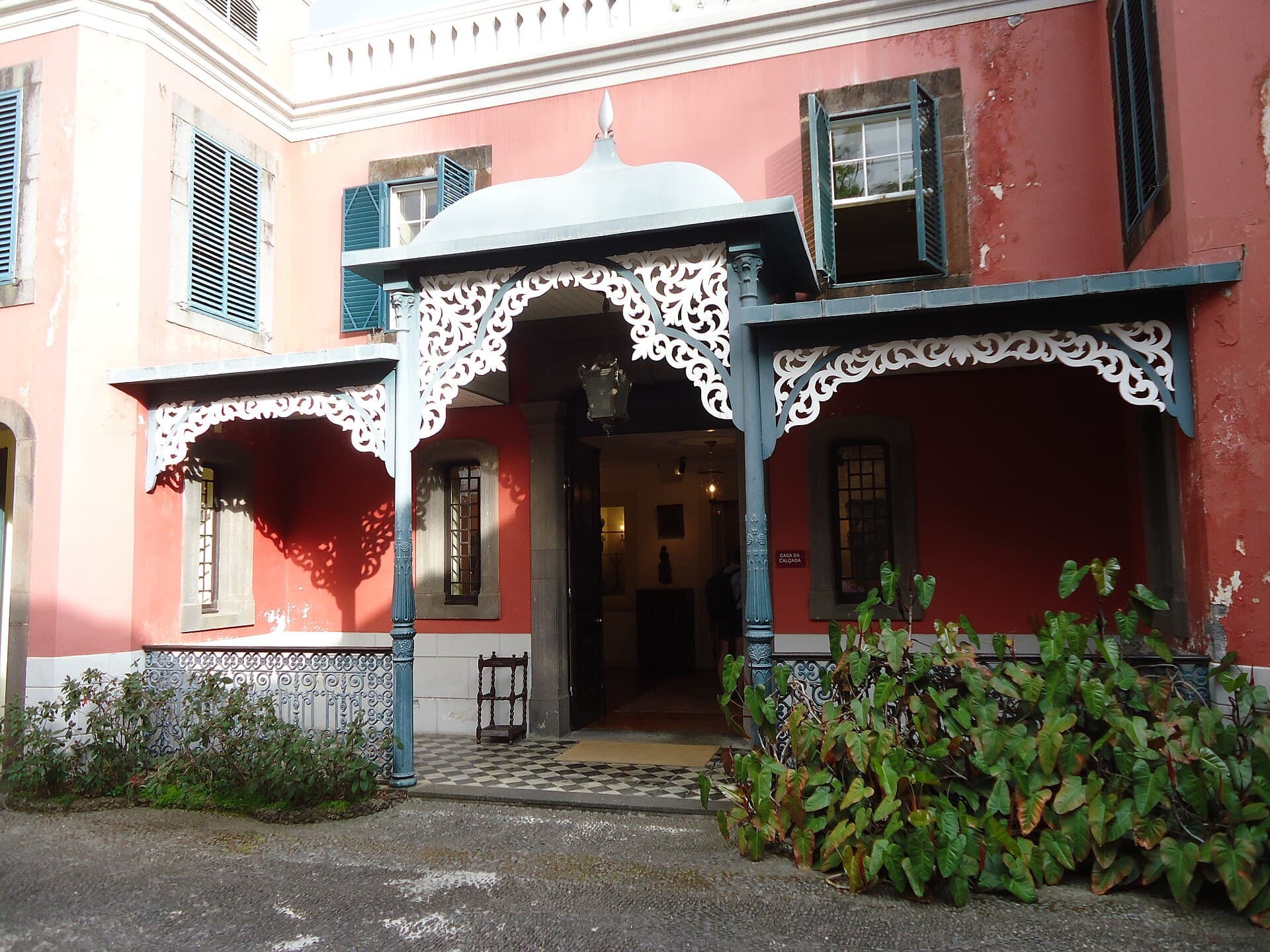 Casa-Museu Frederico de FreitasA seventeenth-century house in the upper part of Funchal, home to the lawyer and5 minutes walk4.5
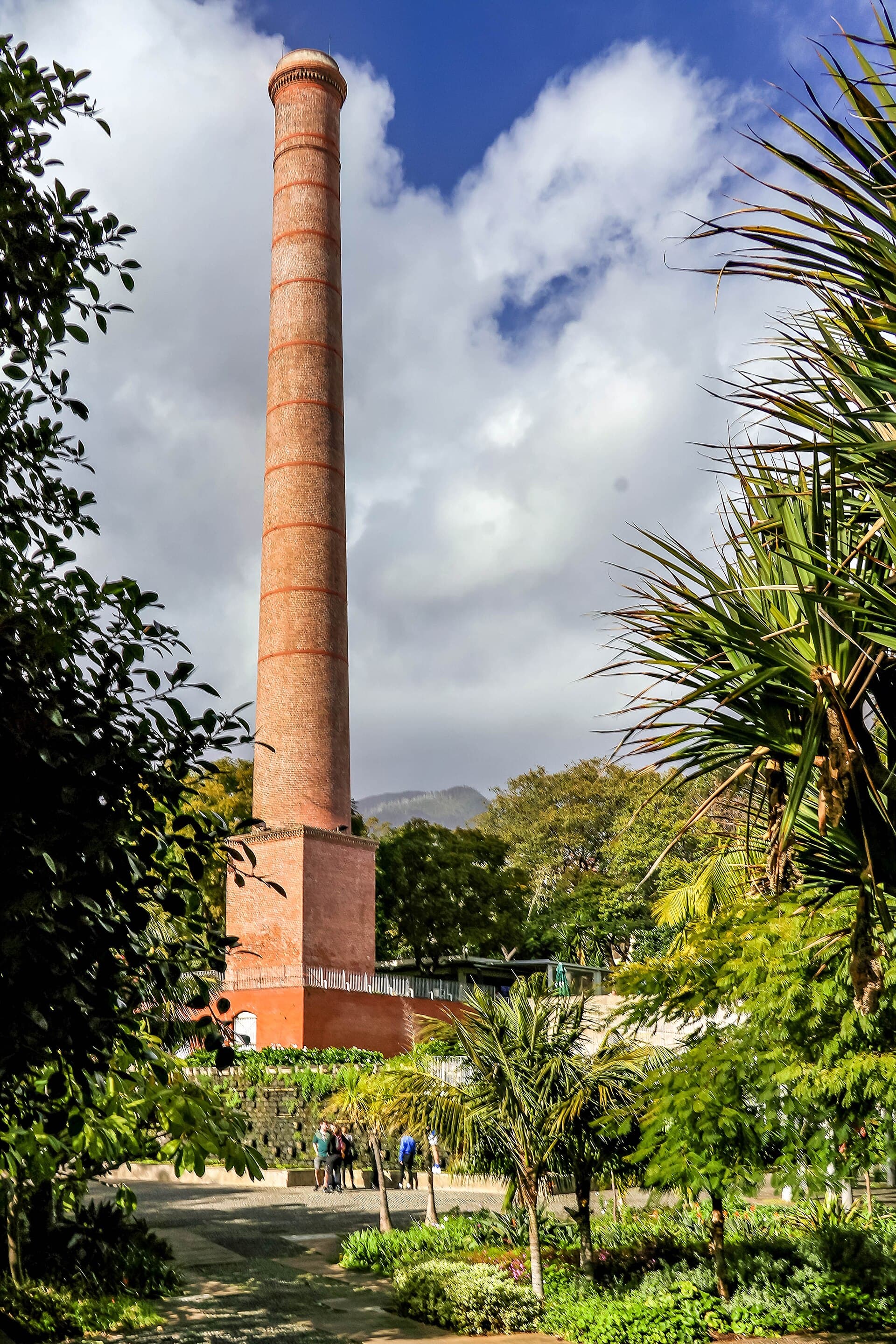 Jardim de Santa LuziaA public garden in Funchal laid out on the site of an old sugar factory, part of7 minutes walk4.3
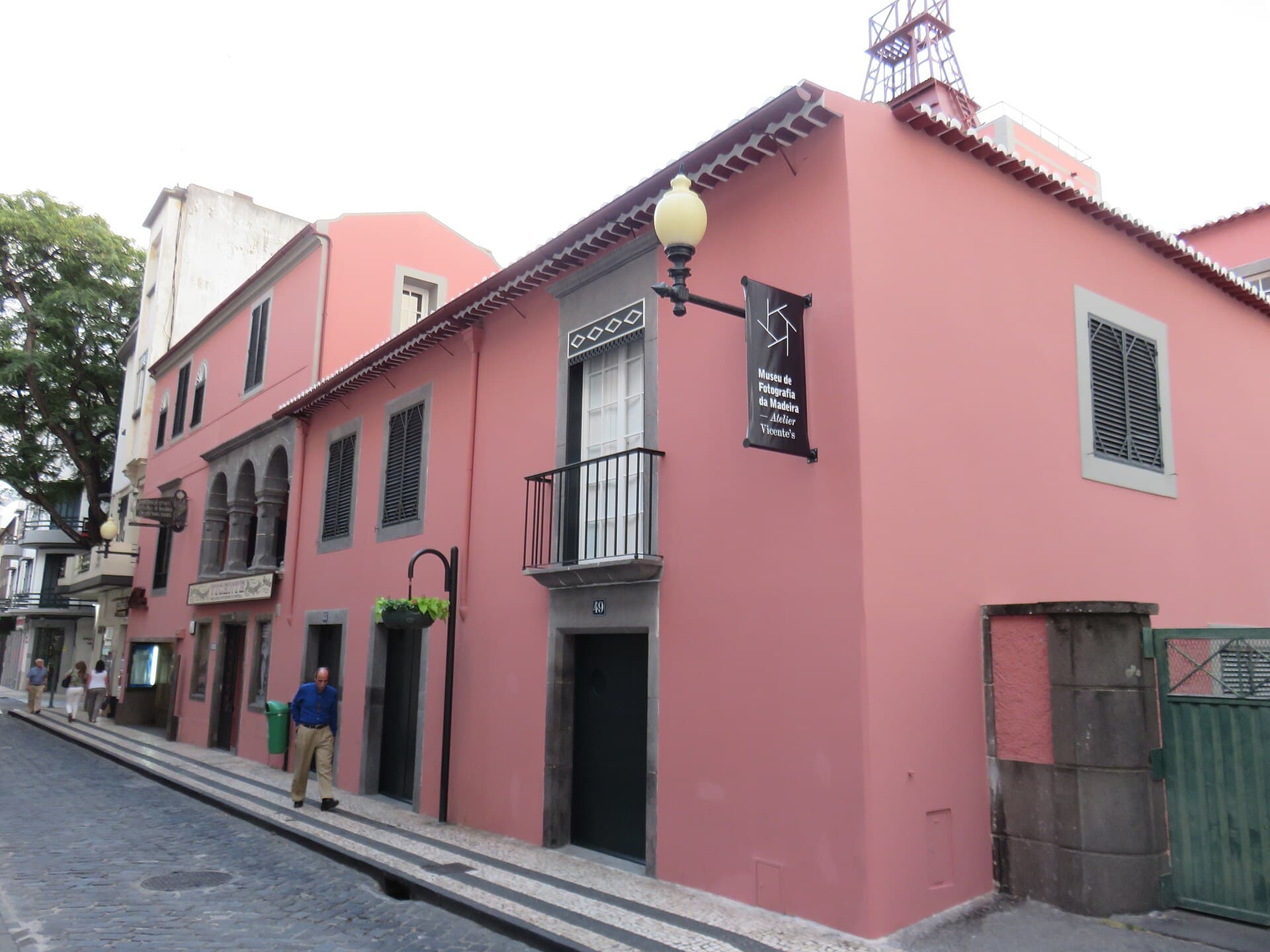 Photographia Museu VicentesA museum in a photographic studio that operated in Funchal continuously from 1868 minutes walk4.6
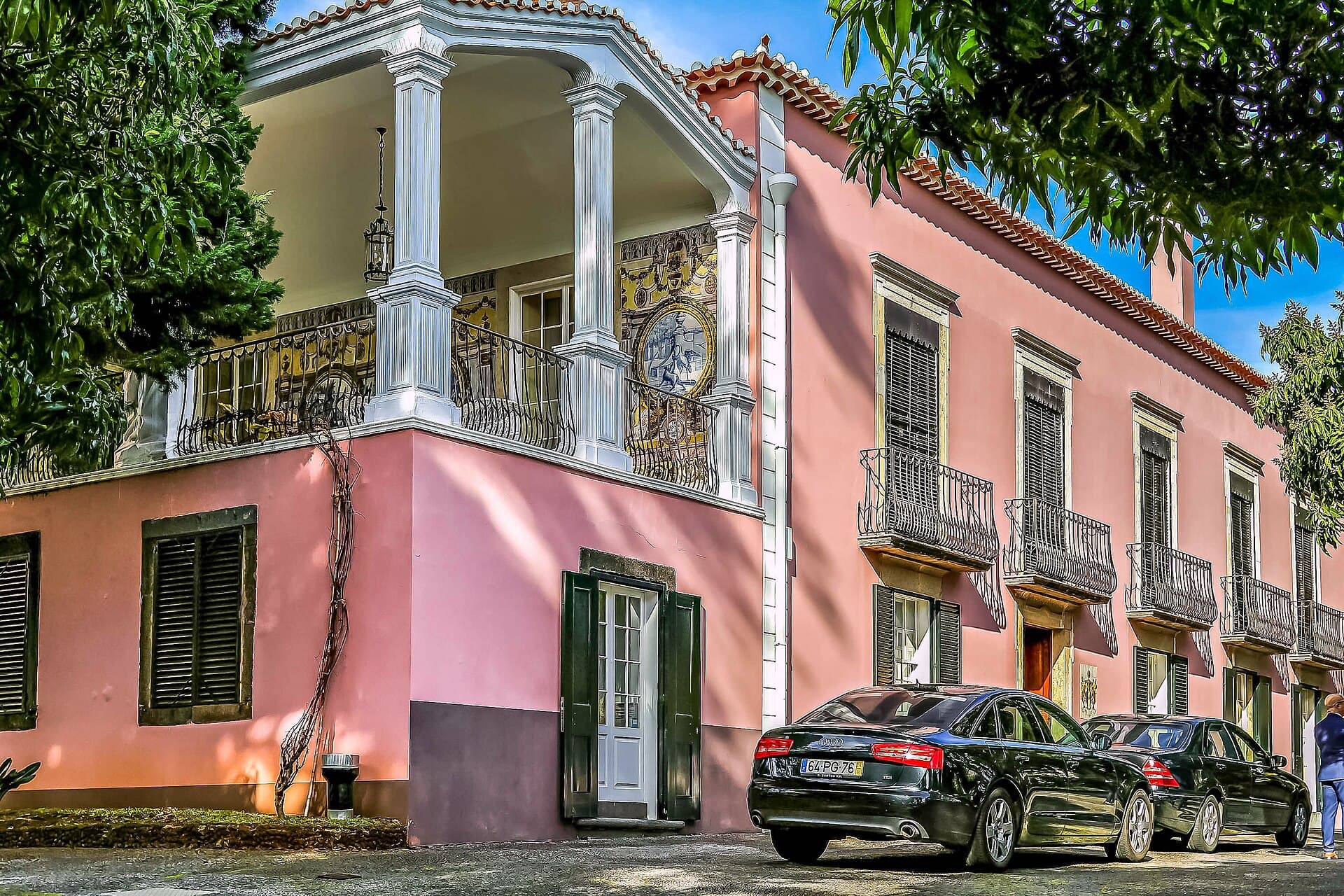 Quinta VigiaA historic country house and its gardens above Funchal harbour, today the offici8 minutes walk4.4
Somewhat: about twenty minutes on steps and very steep streets from the old town, and Funchal is a hilly city by nature. Anyone who finds that difficult can take a taxi to a point near the gate and walk a short distance.
They differ. The cable car climbs to the town of Monte far higher up and gives a wider but more distant view, and it is paid. The fort is closer to the city, so you see its detail and harbour clearly, and it is free. The two complement each other on a longer stay.