
The factory chimney
Left standing in the middle of the garden rather than demolished — Funchal's clearest industrial trace.
Dr. Thomas Liptak — CC BY-SA 4.0 · Dr. Thomas Liptak — CC BY-SA 4.0 · Dr. Thomas Liptak — CC BY-SA 4.0 · Dr. Thomas Liptak — CC BY-SA 4.0
A public garden in Funchal laid out on the site of an old sugar factory, part of which still stands inside it. That is what separates it from any other garden in the city: the tall brick chimney and pieces of heavy machinery were left in place and set among the greenery rather than demolished. The result is a garden carrying the trace of the industry that was Madeira's economic base for centuries — sugar cane, before wine and bananas replaced it. The space itself is quiet and shaded, with a fountain, paths and benches, and it is a neighbourhood garden used more by people from Funchal than by visitors. So it is a stop rather than a trip: it does not merit a large detour, but if you are walking in this part of Funchal it is the best place to sit, and the chimney gives you a line of the island's history you will not find in the other planted gardens.
Left standing in the middle of the garden rather than demolished — Funchal's clearest industrial trace.
Cane was Madeira's economic base before wine and bananas; this is what remains of it.
Used more by people from Funchal than by visitors, so it stays quiet at peak times.
Santa Luzia, Funchal
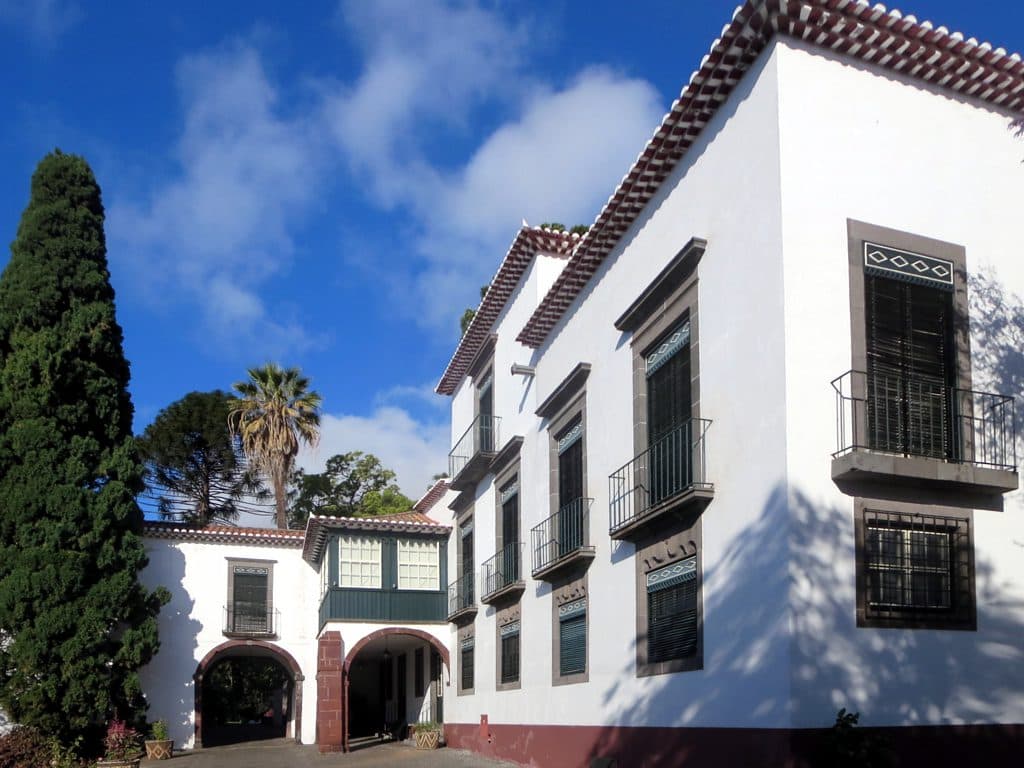 Quinta das Cruzes MuseumAn aristocratic country house above central Funchal, converted into a museum of 4 minutes walk4.4
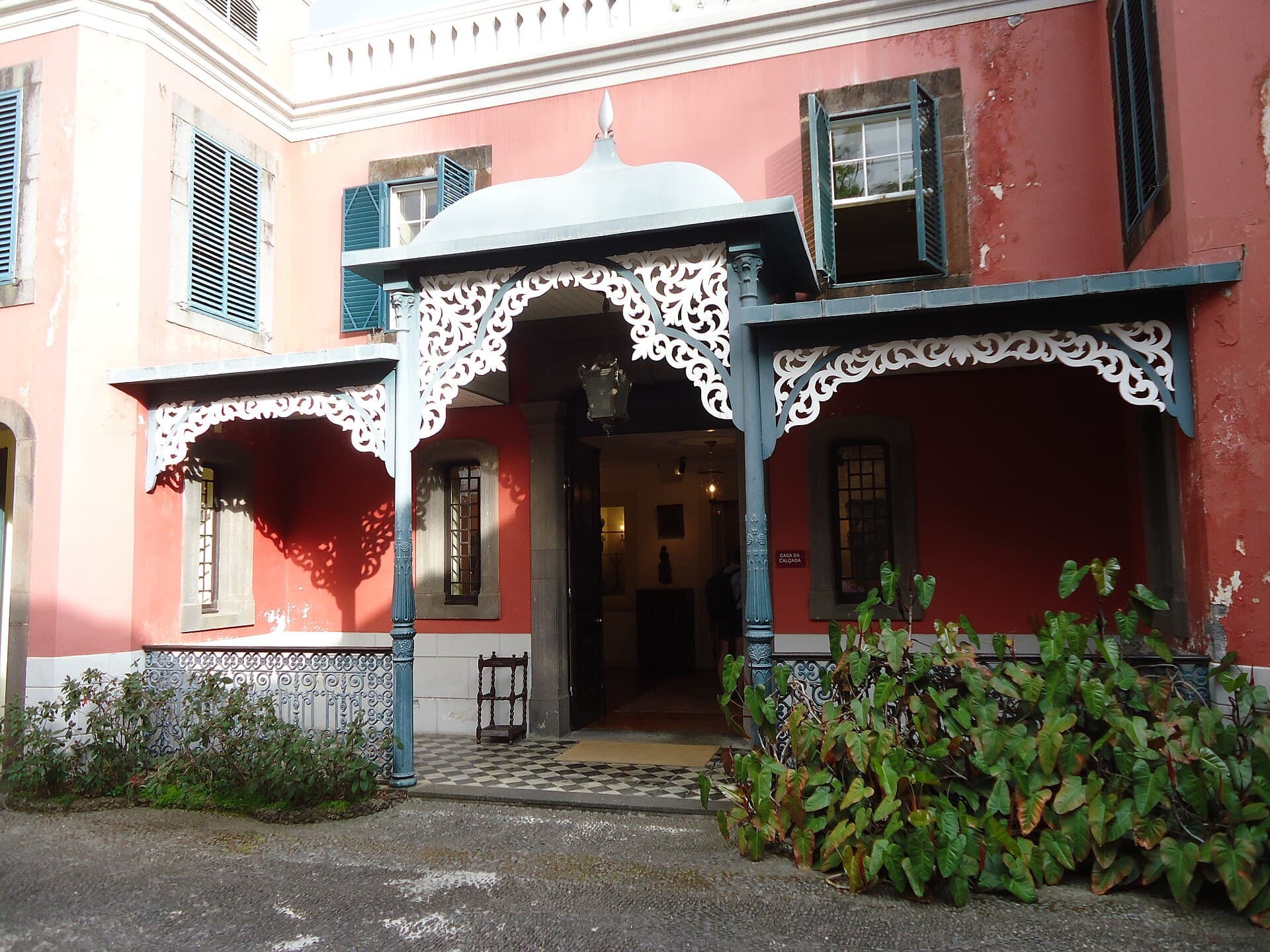 Casa-Museu Frederico de FreitasA seventeenth-century house in the upper part of Funchal, home to the lawyer and5 minutes walk4.5
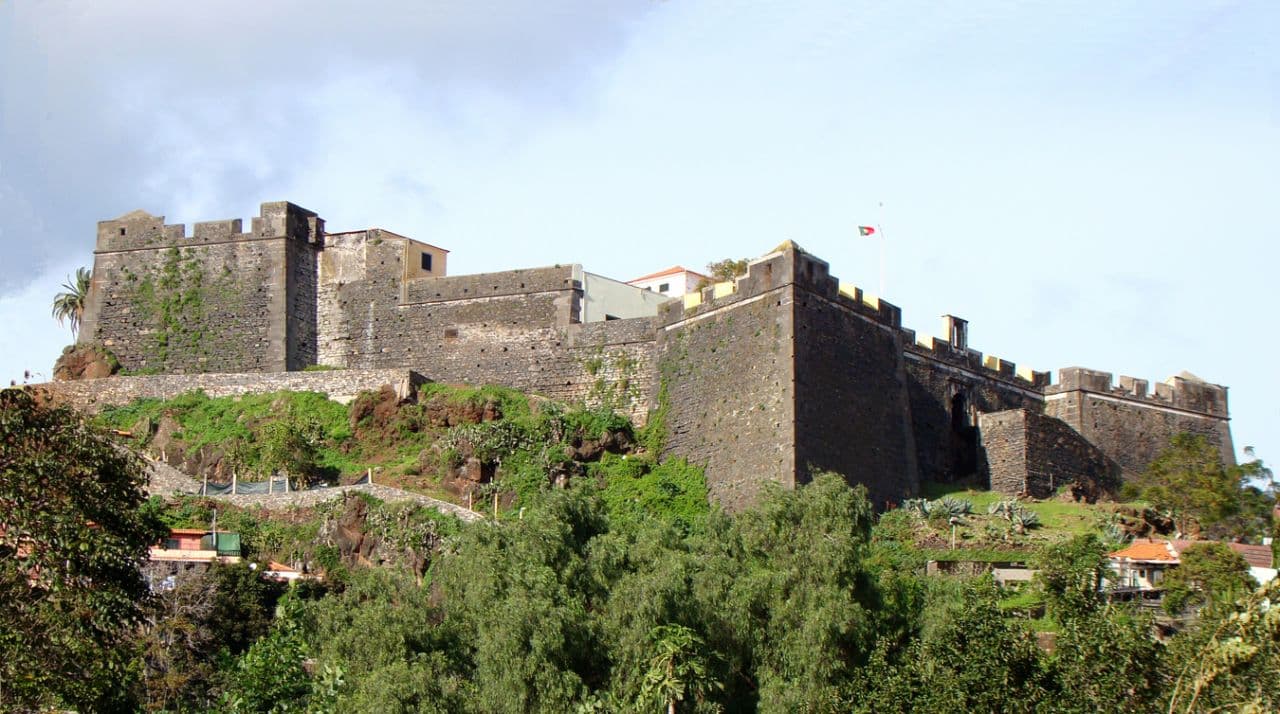 Fortaleza do PicoA seventeenth-century fort on a hill above Funchal, built to defend the town and7 minutes walk4.2
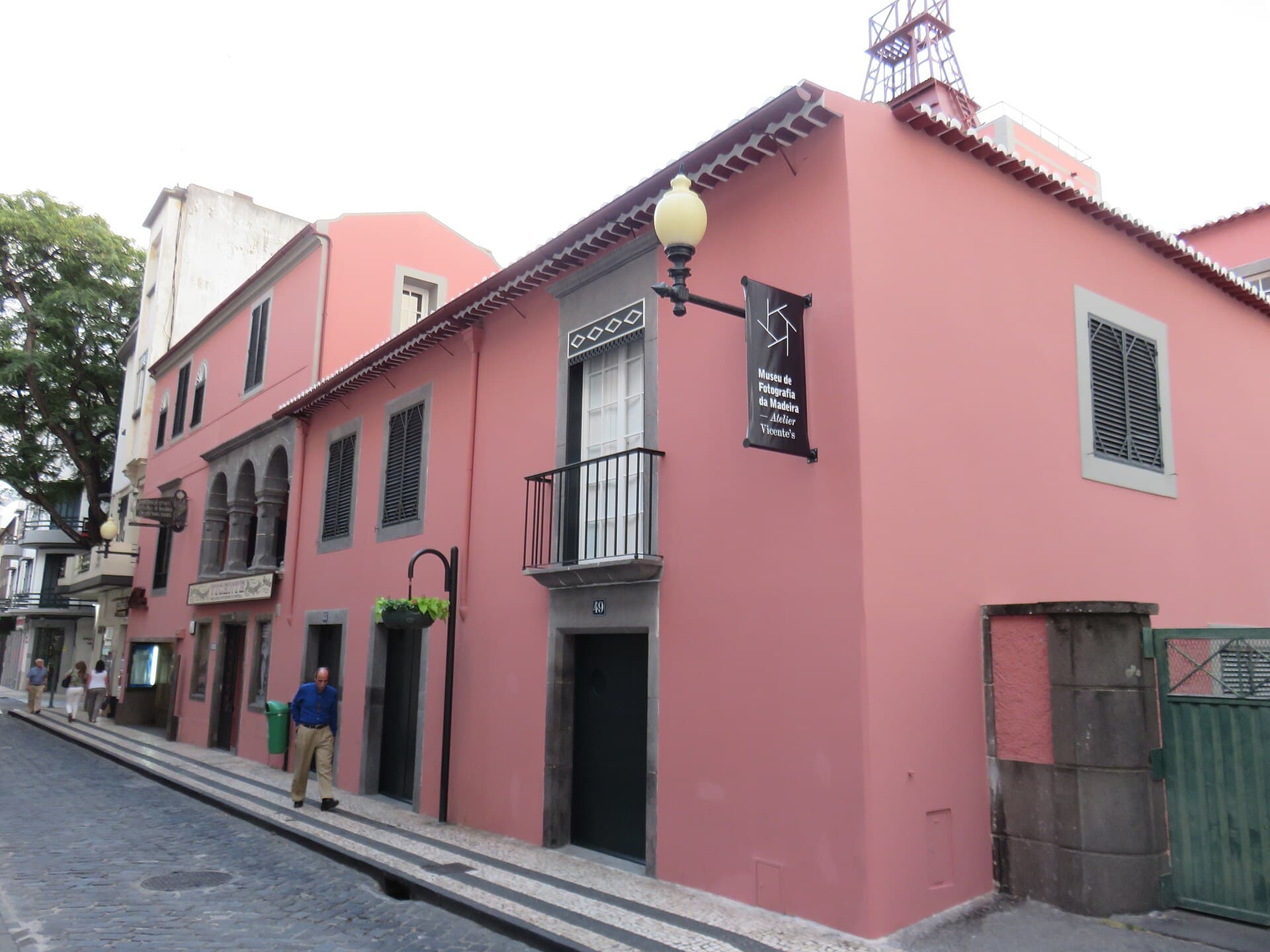 Photographia Museu VicentesA museum in a photographic studio that operated in Funchal continuously from 1867 minutes walk4.6
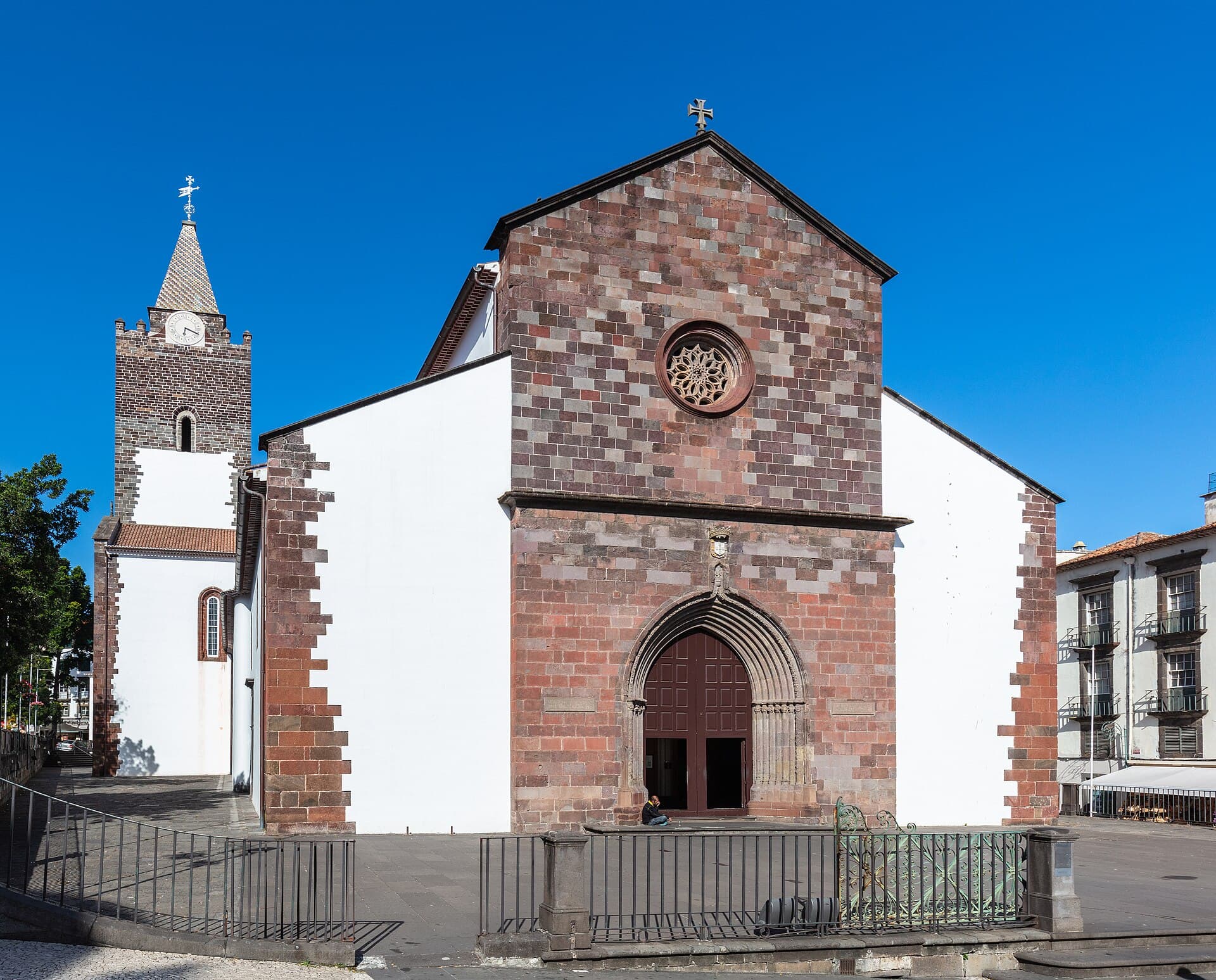 Funchal Cathedral (the Sé)Funchal's Sé is the Age of Discoveries' oldest surviving daughter: a 1514 cathed9 minutes walk4.7
It is the smallest and simplest. The Monte Palace gardens and the Madeira Botanical Garden are far larger, hold real plant collections, and merit a ticket and half a day. Santa Luzia is free and small, and its only advantage over those is the sugar factory remains.
Yes, and the clearest examples are not here. There are sites in the city that set out the history of cane, and mills producing cane syrup still operate on the island. The garden gives you the physical trace and the chimney, not a full account of the industry.