
The garden and carved windows
Manueline stonework rescued from demolished Funchal buildings, set among the trees.
D-Stanley — CC BY 2.0 · PESP/ Wikimedia — CC BY-SA 4.0 · PESP/ Wikimedia — CC BY-SA 4.0 · PESP/ Wikimedia — CC BY-SA 4.0
An aristocratic country house above central Funchal, converted into a museum of decorative arts. The building stands on a site once occupied by João Gonçalves Zarco, one of the navigators who reached Madeira in the fifteenth century and began its settlement. The collection is furniture, ceramics, silver and textiles across several centuries, and what distinguishes it are the pieces that reached the island through maritime trade: Chinese porcelain, Indian furniture, Portuguese-Asian hybrids. Madeira sat on the trade routes between Europe, Asia and the Americas, and the holdings show that more clearly than any explanation. The surrounding garden deserves as much time as the house: tropical trees and plants gathered from around the world, along with carved stonework rescued from buildings demolished in Funchal, including Manueline windows. The site is in the upper part of the old town, an uphill walk from the centre, near the cathedral and the Pico fortress.
Manueline stonework rescued from demolished Funchal buildings, set among the trees.
The house stands where one of the navigators who began Madeira's settlement lived.
Chinese porcelain and Indian furniture explain the island's place on the trade routes.
Calçada do Pico, Funchal
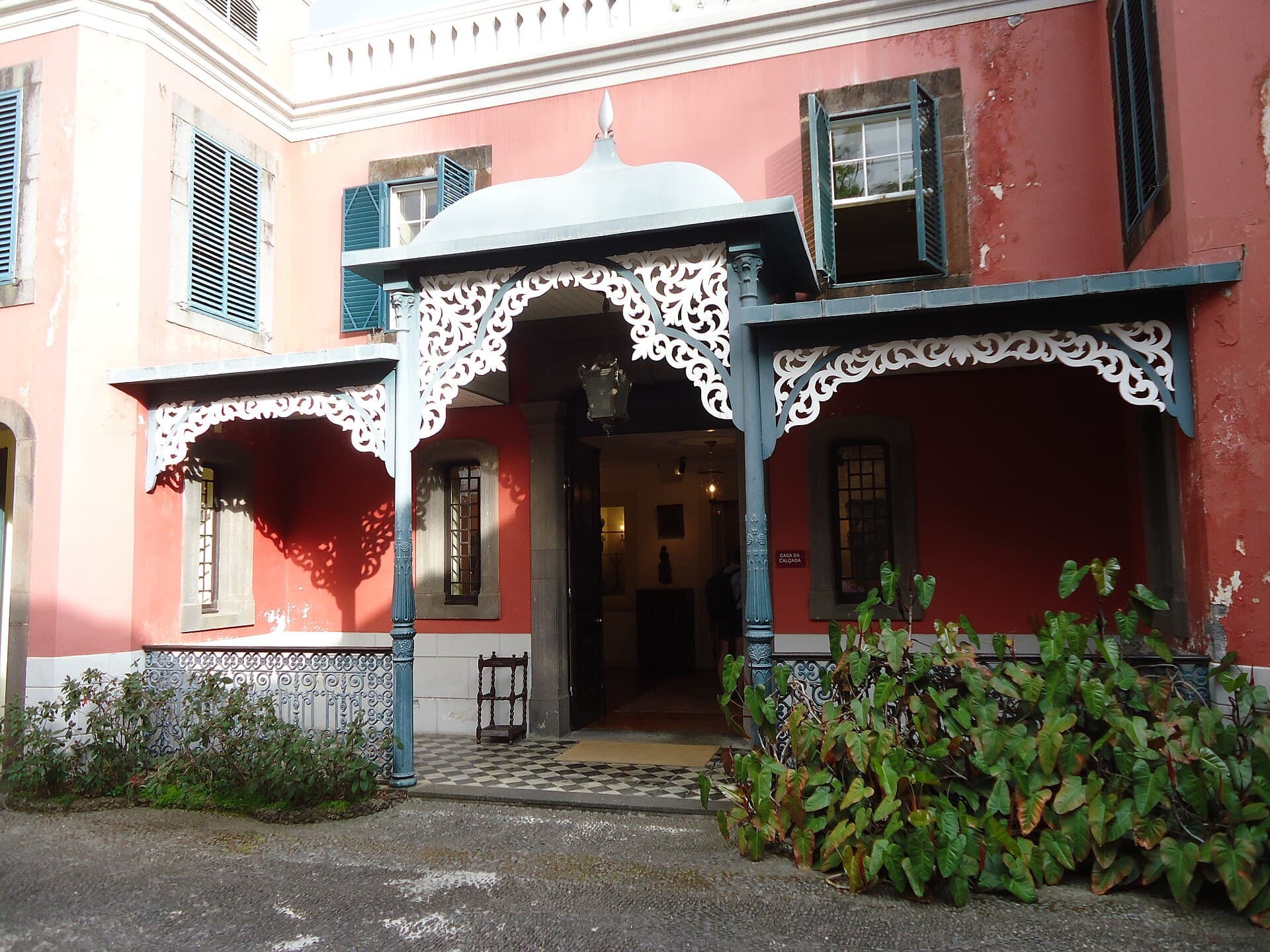 Casa-Museu Frederico de FreitasA seventeenth-century house in the upper part of Funchal, home to the lawyer and2 minutes walk4.5
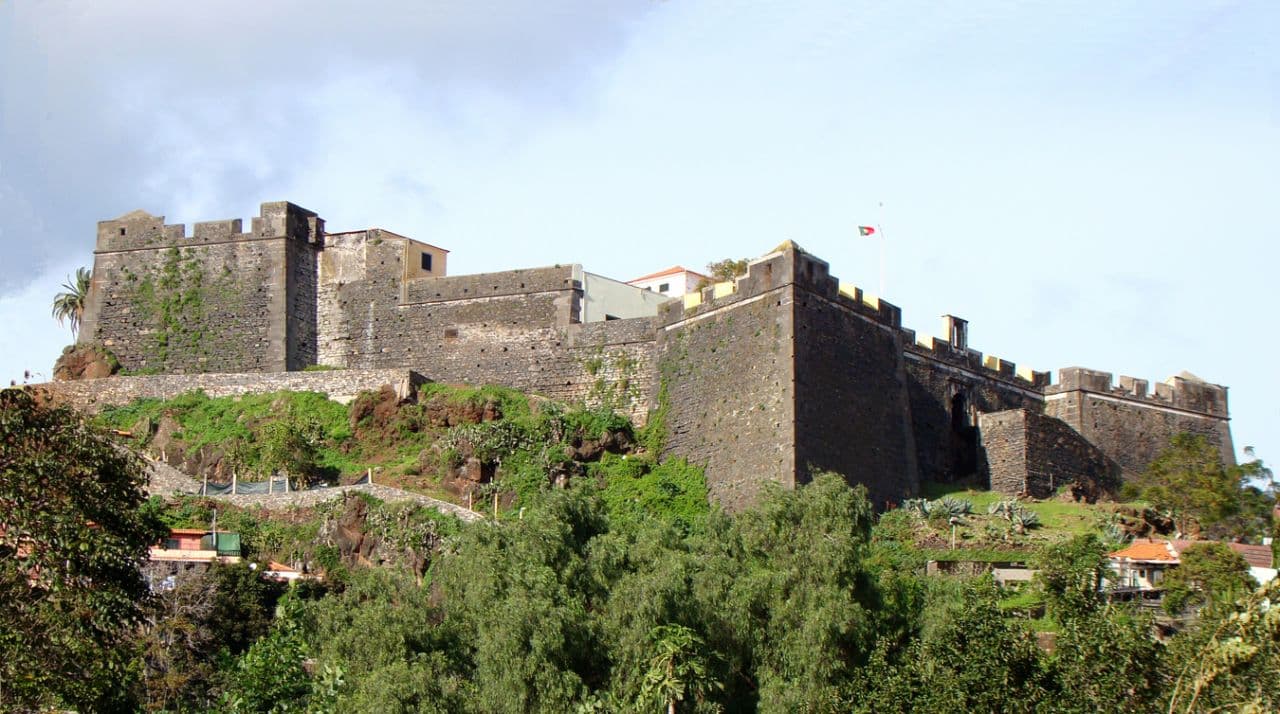 Fortaleza do PicoA seventeenth-century fort on a hill above Funchal, built to defend the town and3 minutes walk4.2
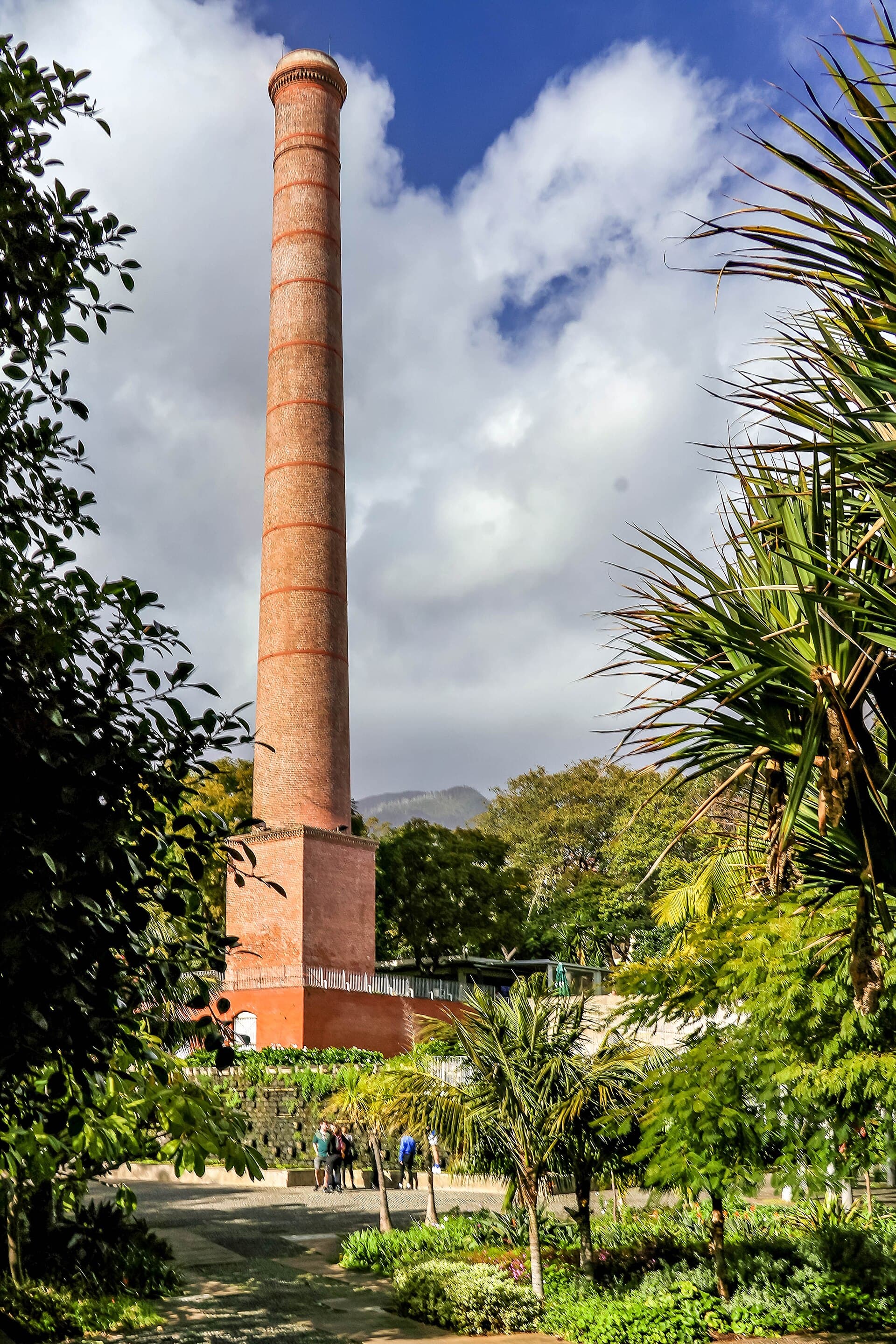 Jardim de Santa LuziaA public garden in Funchal laid out on the site of an old sugar factory, part of4 minutes walk4.3
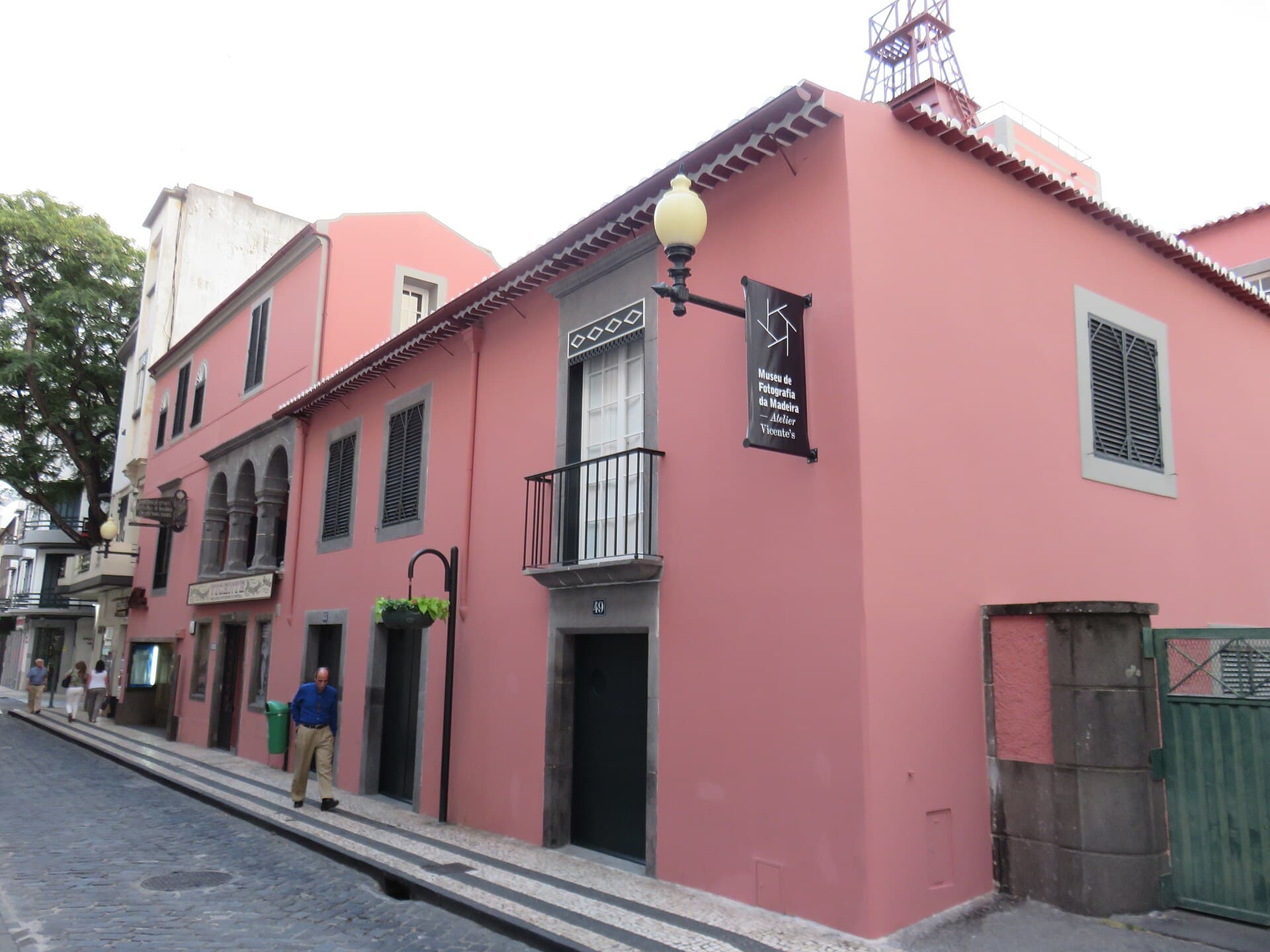 Photographia Museu VicentesA museum in a photographic studio that operated in Funchal continuously from 1865 minutes walk4.6
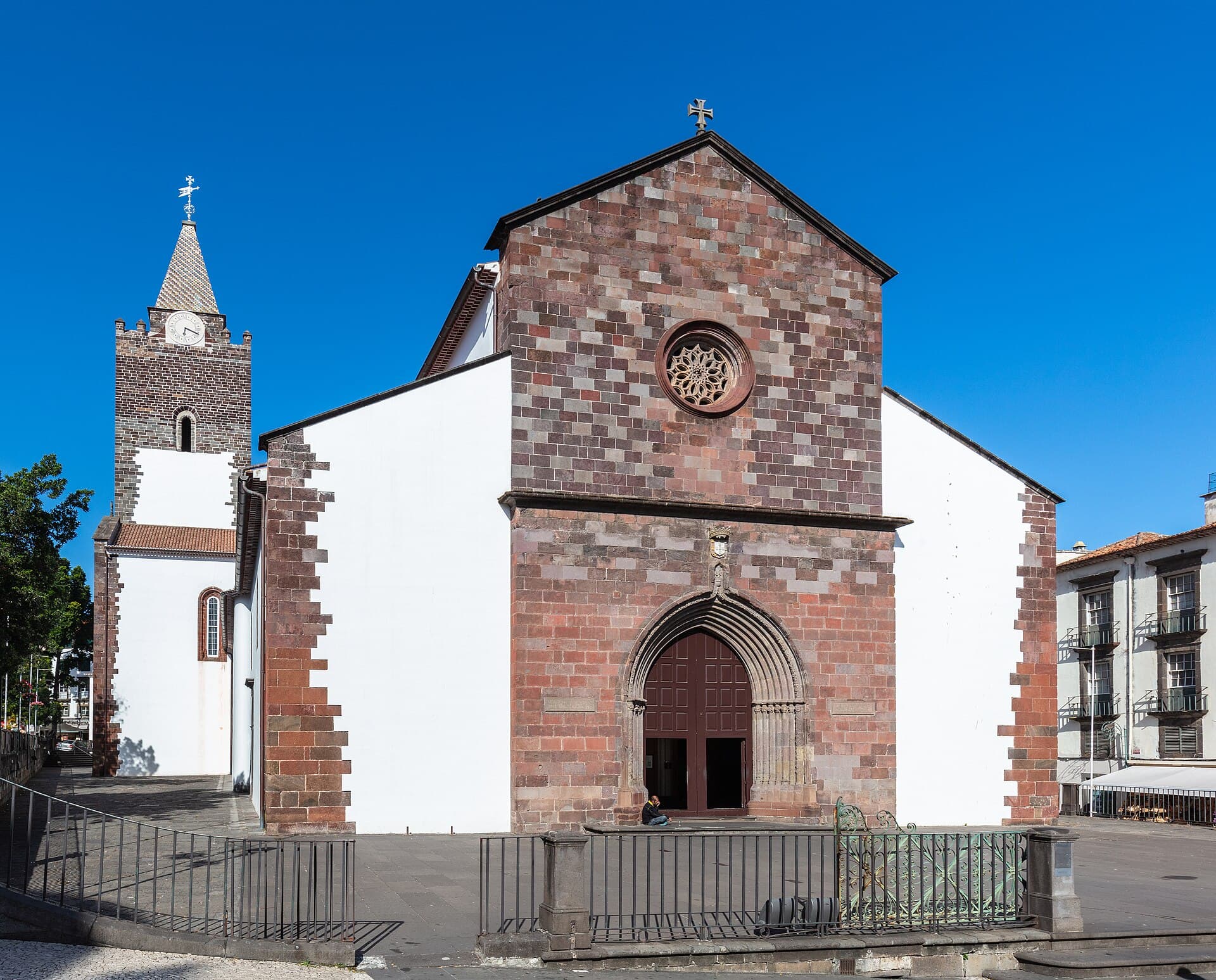 Funchal Cathedral (the Sé)Funchal's Sé is the Age of Discoveries' oldest surviving daughter: a 1514 cathed7 minutes walk4.7
Normally yes, and it is a core part of the visit rather than an extra. The carved stonework set among the trees deserves as much time as the interior, so do not confine yourself to the house.
It sits in the upper old town near the cathedral and the Pico fortress, so the natural arrangement is to climb here and continue to the fortress, which gives the widest view over Funchal and the harbour.