
Abakanowicz and Kantor
Among the major names of Polish twentieth-century art, represented in the collection.
Pudelek — CC BY-SA 4.0 · Poire12 — CC BY 3.0 · Poire12 — CC BY 3.0 · Poire12 — CC BY 3.0
A museum of modern art in a building of 1913, beside the UNESCO-listed Centennial Hall east of Wrocław. The building is itself part of the architectural ensemble designed by Max Berg and Hans Poelzig for the great exhibition of 1913: four adjoining domes of equal span around an inner courtyard, built in reinforced concrete when the material was new. It later served as a film studio, then was restored and opened as a branch of the National Museum in 2016. The collection is the most important display of Polish contemporary art since 1945 outside Warsaw, holding works by Magdalena Abakanowicz, Tadeusz Kantor, Alina Szapocznikow and others — artists who worked under communist censorship and developed an oblique visual language to deal with it. Directly adjoining is the Centennial Hall itself, whose concrete dome of sixty-five metres span was the largest in the world when built. Around it are a large fountain and gardens. The two make one visit.
Among the major names of Polish twentieth-century art, represented in the collection.
From a time when reinforced concrete was a new, experimental material.
The adjoining Centennial Hall had the world's largest concrete dome when built.
Beside the Centennial Hall, eastern Wrocław
 The Centennial Hall & its GardensThe Centennial Hall is the Colosseum of concrete: Max Berg's dome (1913), 65 met2 minutes walk4.6
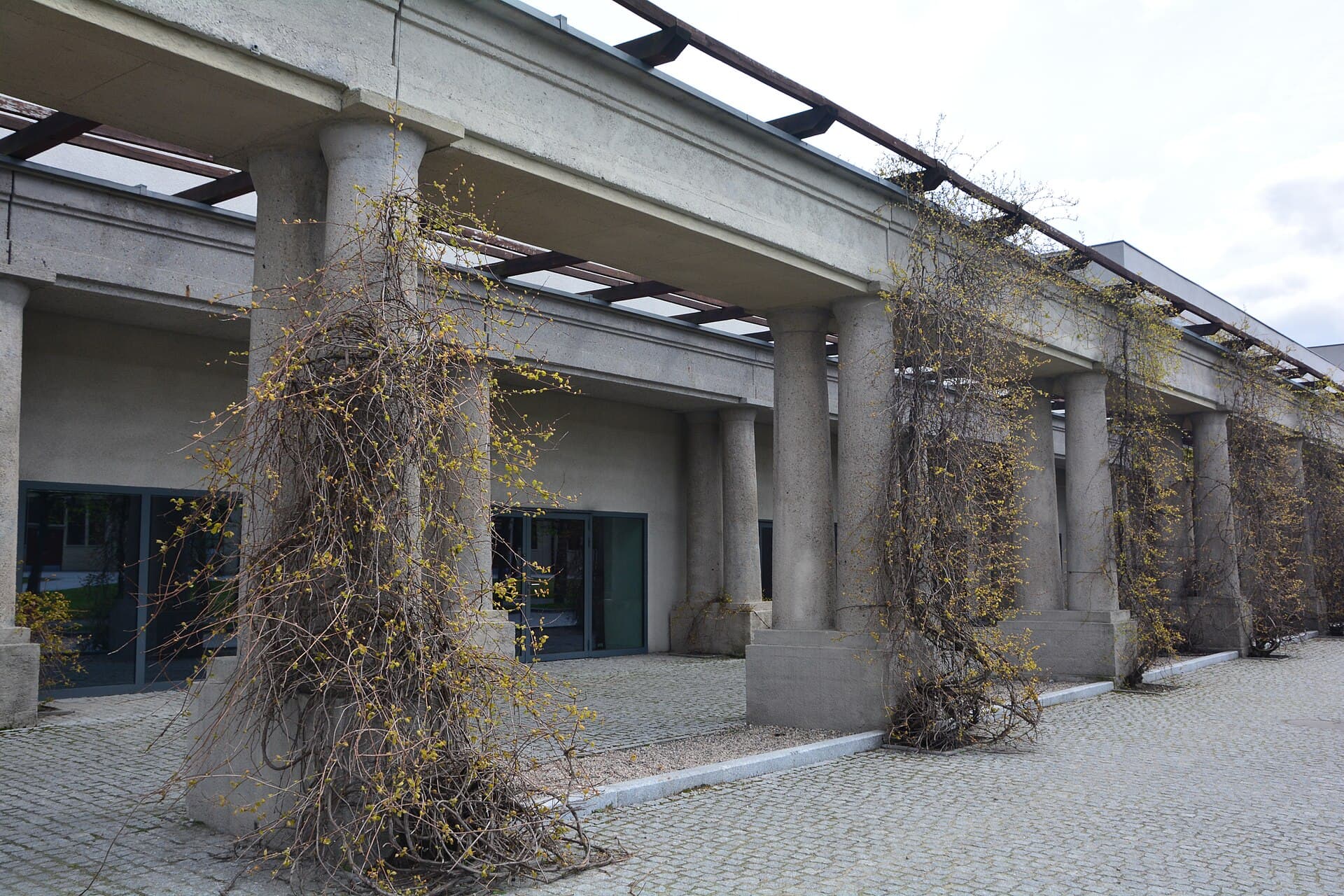 The Pergola and Multimedia FountainA semicircular concrete colonnade some seven hundred and fifty metres long near 3 minutes walk4.8
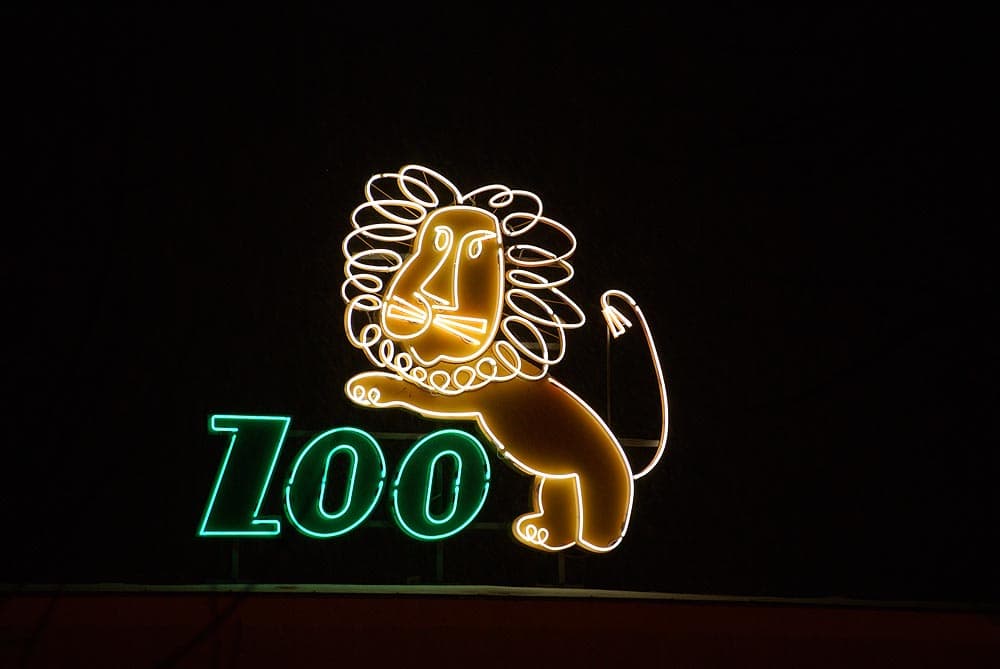 Wroclaw Zoo & the AfricariumWroclaw Zoo is the most visited in all Poland — with a landmark without planetar4 minutes walk4.8
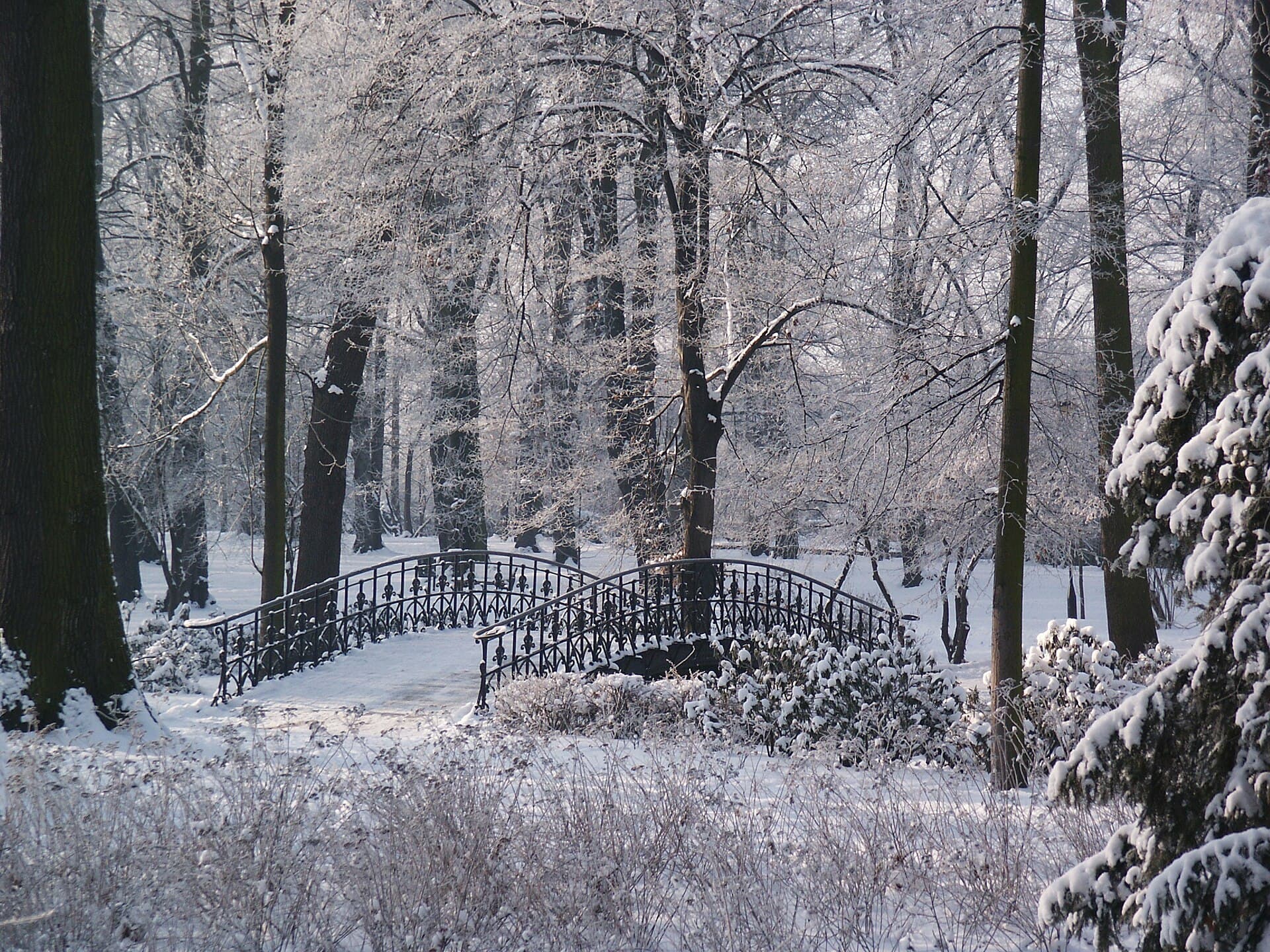 Szczytnicki ParkA large park east of central Wrocław, among the city's oldest and biggest public10 minutes walk4.6
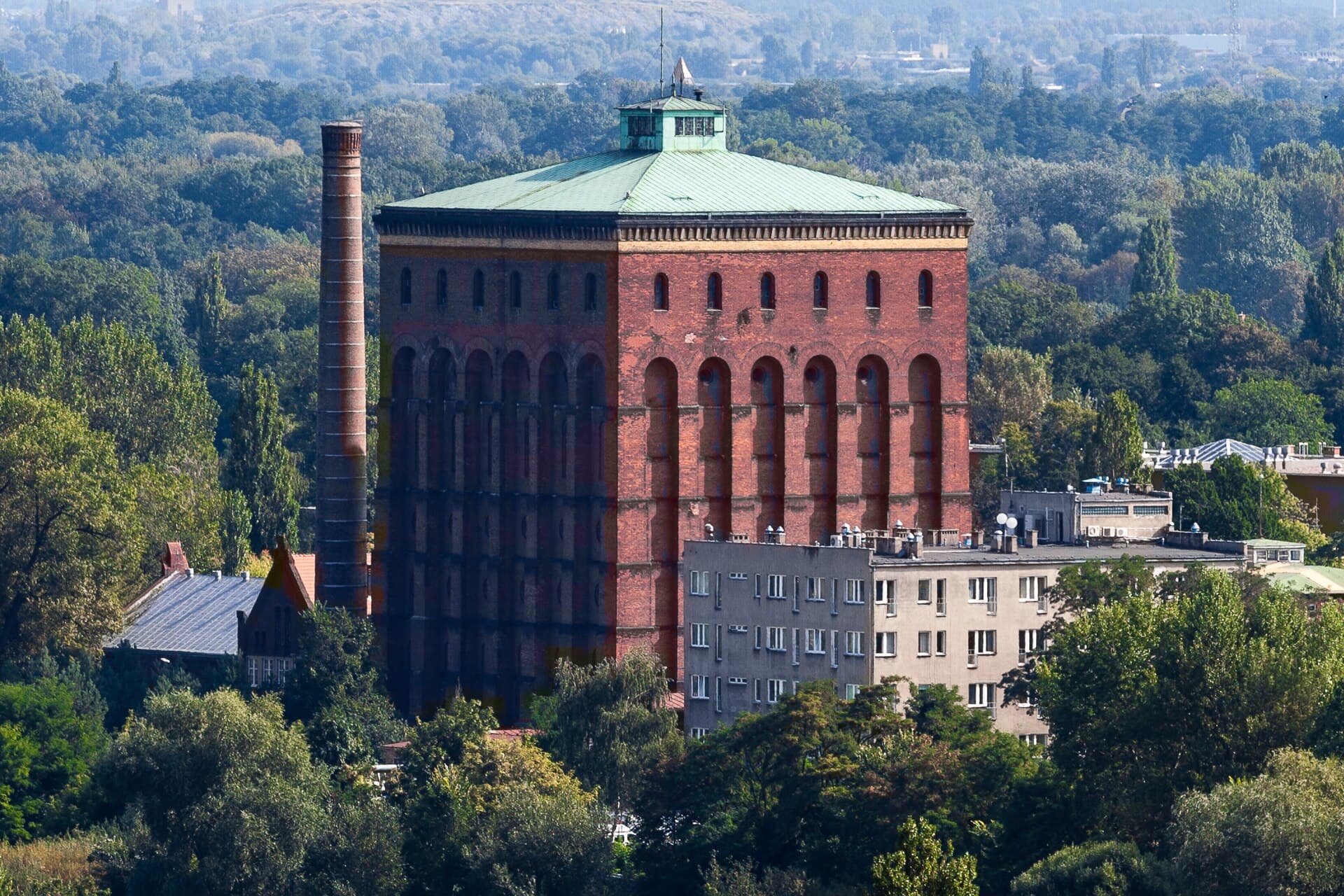 Water Tower on the DikeA nineteenth-century red brick water tower in Wrocław, part of the city's first 17 minutes walk4.7
A Polish sculptor (1930-2017) among the major names in twentieth-century sculpture. She became known for vast fibre and textile works, then for groups of headless human figures in burlap and resin standing in rows by the dozen. Her work is usually read as a comment on crowds and the individual under totalitarian systems, and it is held by major museums worldwide.
An exhibition hall built by Max Berg in 1913 to mark the centenary of the Battle of Leipzig. Its reinforced-concrete dome of sixty-five metres span was the largest in the world at the time, and a landmark engineering achievement in modern architecture. It was inscribed by UNESCO in 2006. It is still used for events and has a permanent exhibition on its history.