
Seven hundred and fifty metres
A semicircular colonnade defining and framing the space around the hall.
Bybbisch94, Christian Gebhardt — CC BY-SA 4.0 · Bybbisch94, Christian Gebhardt — CC BY-SA 4.0 · Bybbisch94, Christian Gebhardt — CC BY-SA 4.0 · Bybbisch94, Christian Gebhardt — CC BY-SA 4.0
A semicircular concrete colonnade some seven hundred and fifty metres long near Wrocław's Centennial Hall, enclosing a large basin in which a multimedia fountain now plays. The pergola is part of a complex built in 1913 for the Centennial Exhibition, designed as a frame for the neighbouring Centennial Hall — the hall is the event and the pergola defines the space around it. Climbing plants cover its columns, so its appearance changes entirely between summer and winter. The whole complex — hall, pergola and pavilion — exemplifies a particular architectural moment: Europe immediately before the First World War, when technology and progress seemed limitless. The Centennial Hall with its vast concrete dome was a declaration of that, built one year before the war that ended that world. The multimedia fountain was added in 2009 and gives shows of water, light and music in the evenings through the warm season. Practical points: entry to the pergola and grounds is free and open. Fountain shows are seasonal and run at announced times — check them if that is what you are coming for.
A semicircular colonnade defining and framing the space around the hall.
The complex was built a year before the war that ended that world.
Climbing plants alter the columns entirely between summer and winter.
Near the Centennial Hall, Wrocław
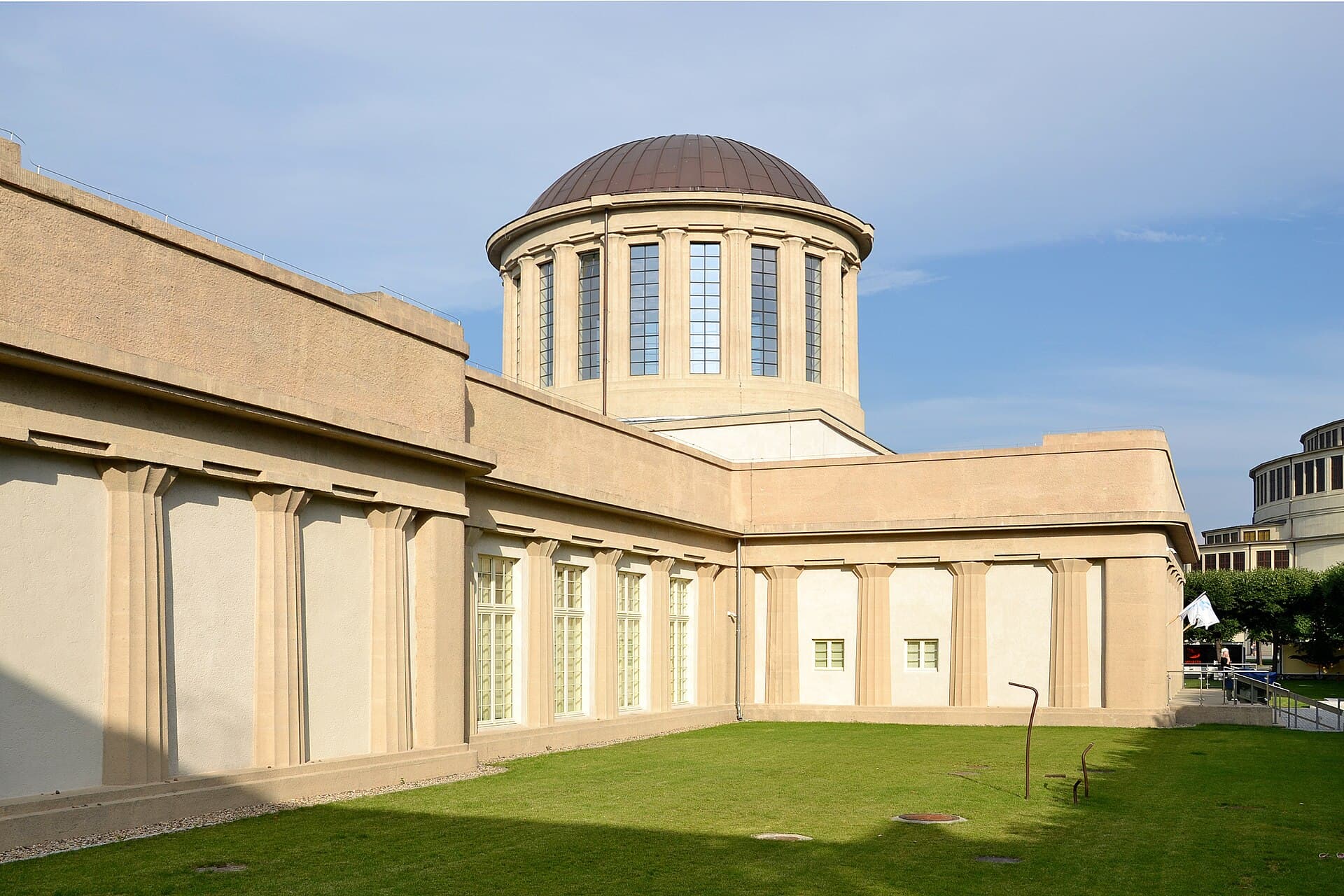 Four Domes PavilionA museum of modern art in a building of 1913, beside the UNESCO-listed Centennia3 minutes walk4.7
 The Centennial Hall & its GardensThe Centennial Hall is the Colosseum of concrete: Max Berg's dome (1913), 65 met4 minutes walk4.6
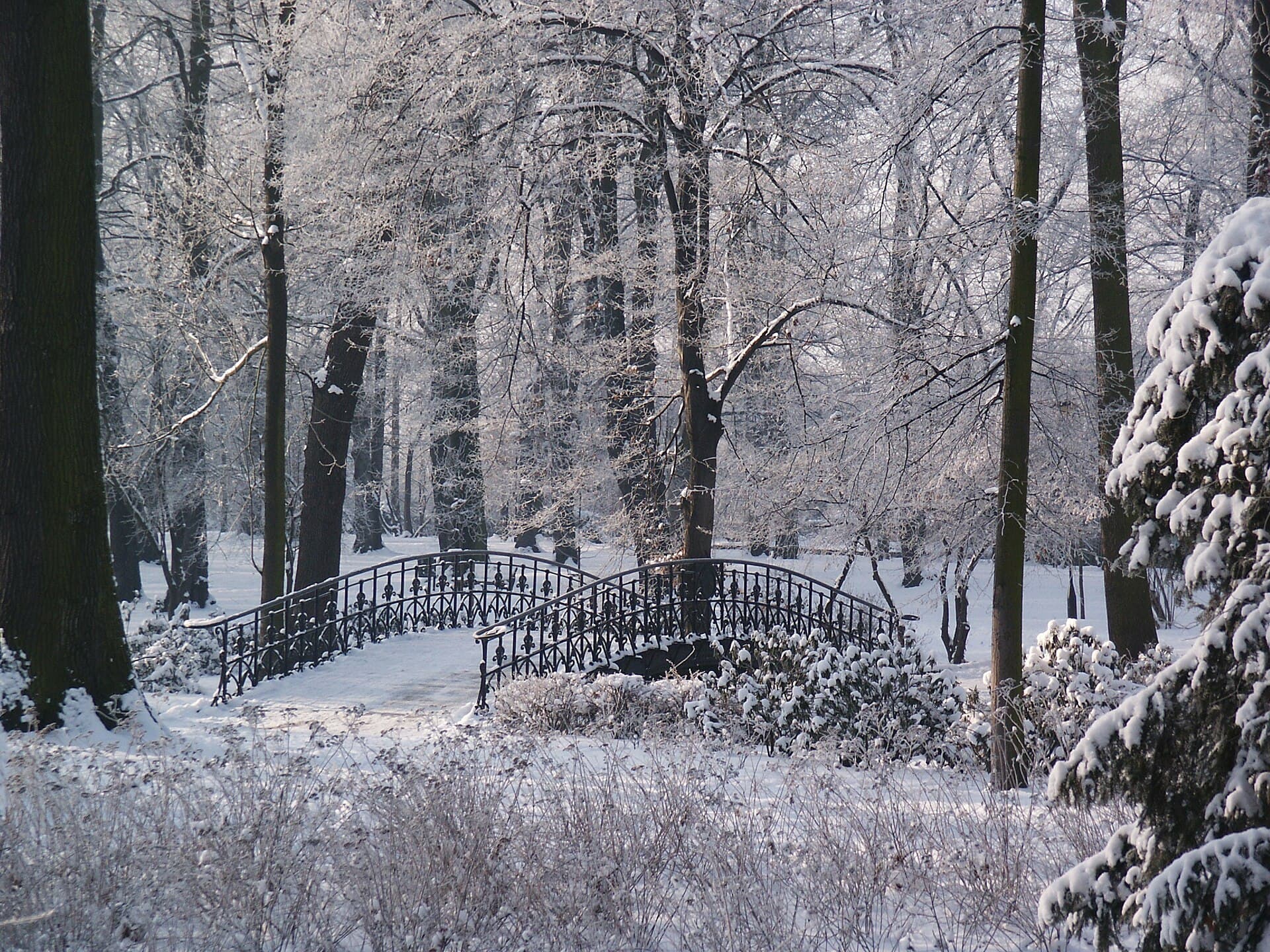 Szczytnicki ParkA large park east of central Wrocław, among the city's oldest and biggest public7 minutes walk4.6
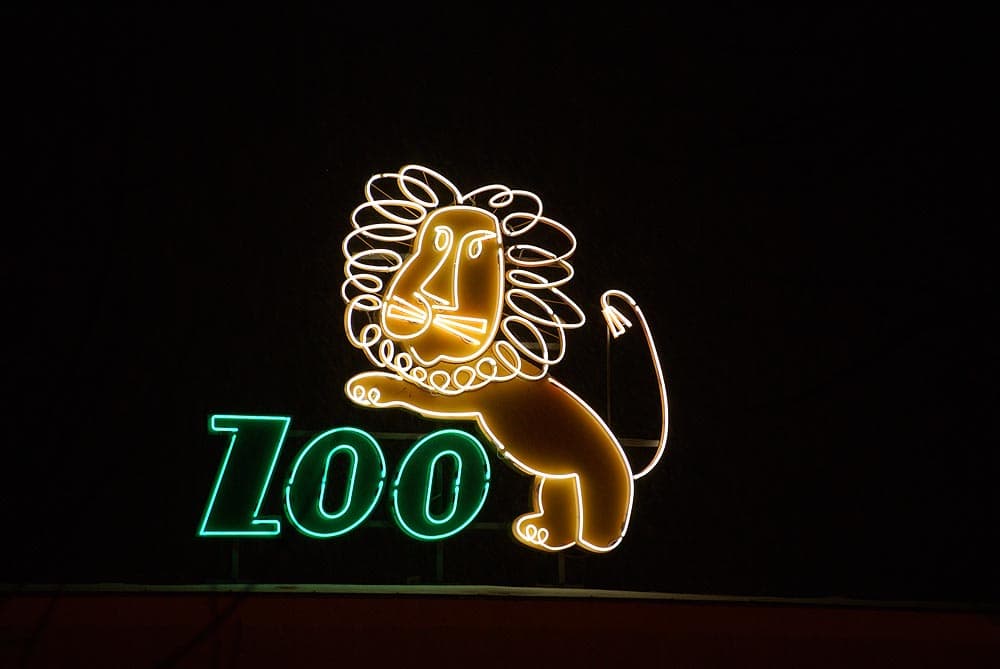 Wroclaw Zoo & the AfricariumWroclaw Zoo is the most visited in all Poland — with a landmark without planetar7 minutes walk4.8
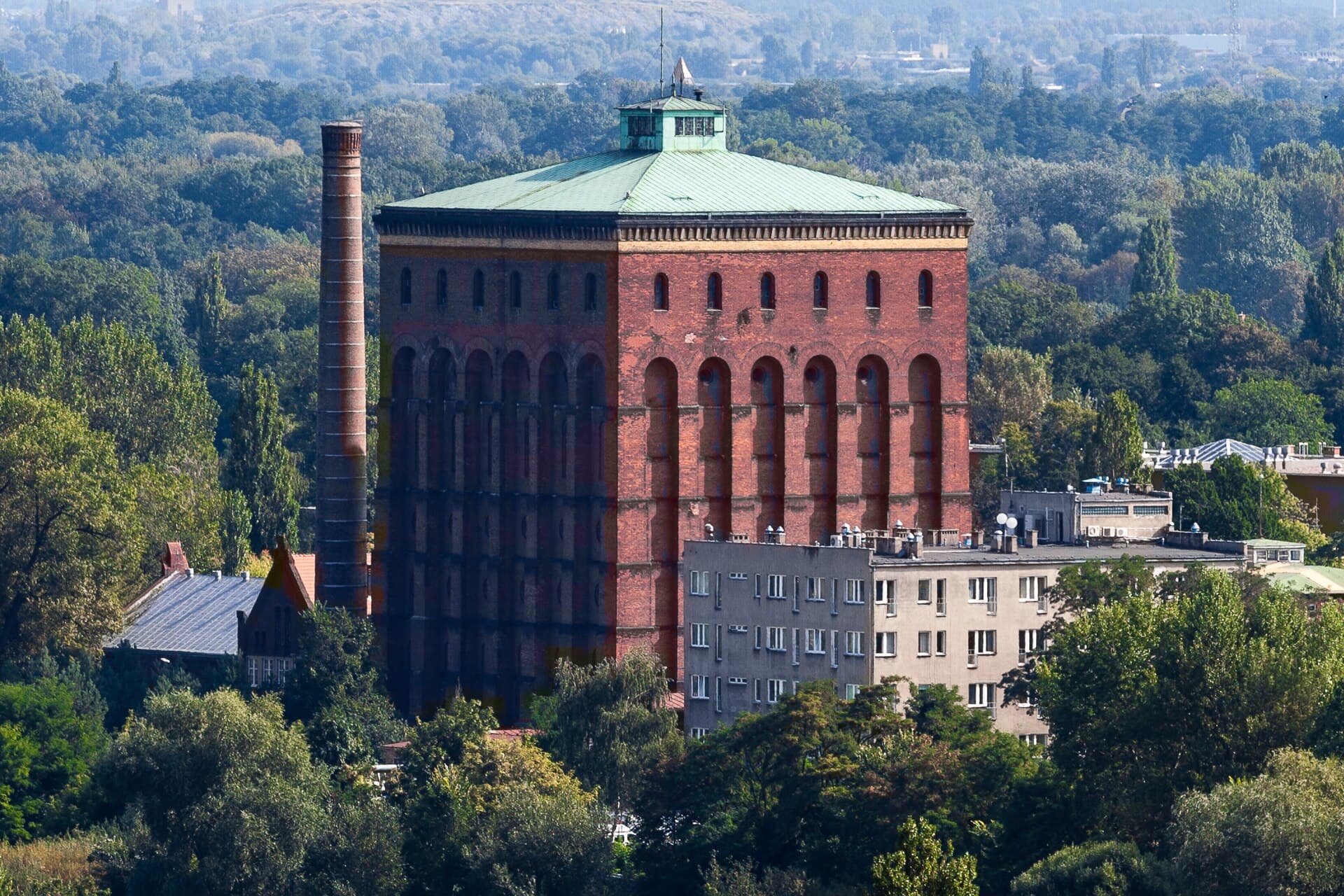 Water Tower on the DikeA nineteenth-century red brick water tower in Wrocław, part of the city's first 19 minutes walk4.7
A reinforced concrete building of 1913 designed by Max Berg, whose dome of about sixty-five metres in diameter was the largest in the world at the time. It was inscribed as UNESCO World Heritage in 2006 as a turning point in architectural history: it proved reinforced concrete could exceed what stone and iron allowed. It is still used for concerts and exhibitions.
The Centennial Hall, the Four Domes Pavilion which is now a museum of contemporary art, the neighbouring Japanese Garden, and Wrocław Zoo with its Afrykarium — among the best zoo sections in Europe. The whole area makes a comfortable full day away from the old town.