
Infrastructure on display
Nineteenth-century utilities were built with architectural pride as proof of modernity.
Kriskros — CC BY-SA 3.0 pl · Jar.ciurus — CC BY 3.0 · Jar.ciurus — CC BY-SA 3.0 pl · Andrzej Otrębski — CC BY-SA 4.0
A nineteenth-century red brick water tower in Wrocław, part of the city's first modern water supply, and an example of industrial architecture from a time when public utilities were built to be looked at. The logic of its shape is practical. A water tower stores water at height to generate enough pressure to distribute it across a city by gravity, without pumps running continuously. The tank is at the top and the tower beneath it is simply a support. But the form goes far beyond the function. This tower was built with ornamented brick facades, arched windows and detailing closer to a church tower or a castle. That was deliberate: nineteenth-century infrastructure was presented as a civic achievement and built with architectural pride, because it was evidence of a city's modernity. Those values reversed completely: infrastructure today is hidden as far as possible. That is why old water towers look both strange and beautiful. A plain practical point: the tower is seen from outside and not regularly visitable inside; it has been in commercial use at times. The visit is minutes on a walk through the district.
Nineteenth-century utilities were built with architectural pride as proof of modernity.
Today infrastructure is hidden as far as possible — hence the tower looks strange.
Detailing closer to a church tower than to a water tank.
Na Grobli, Wrocław
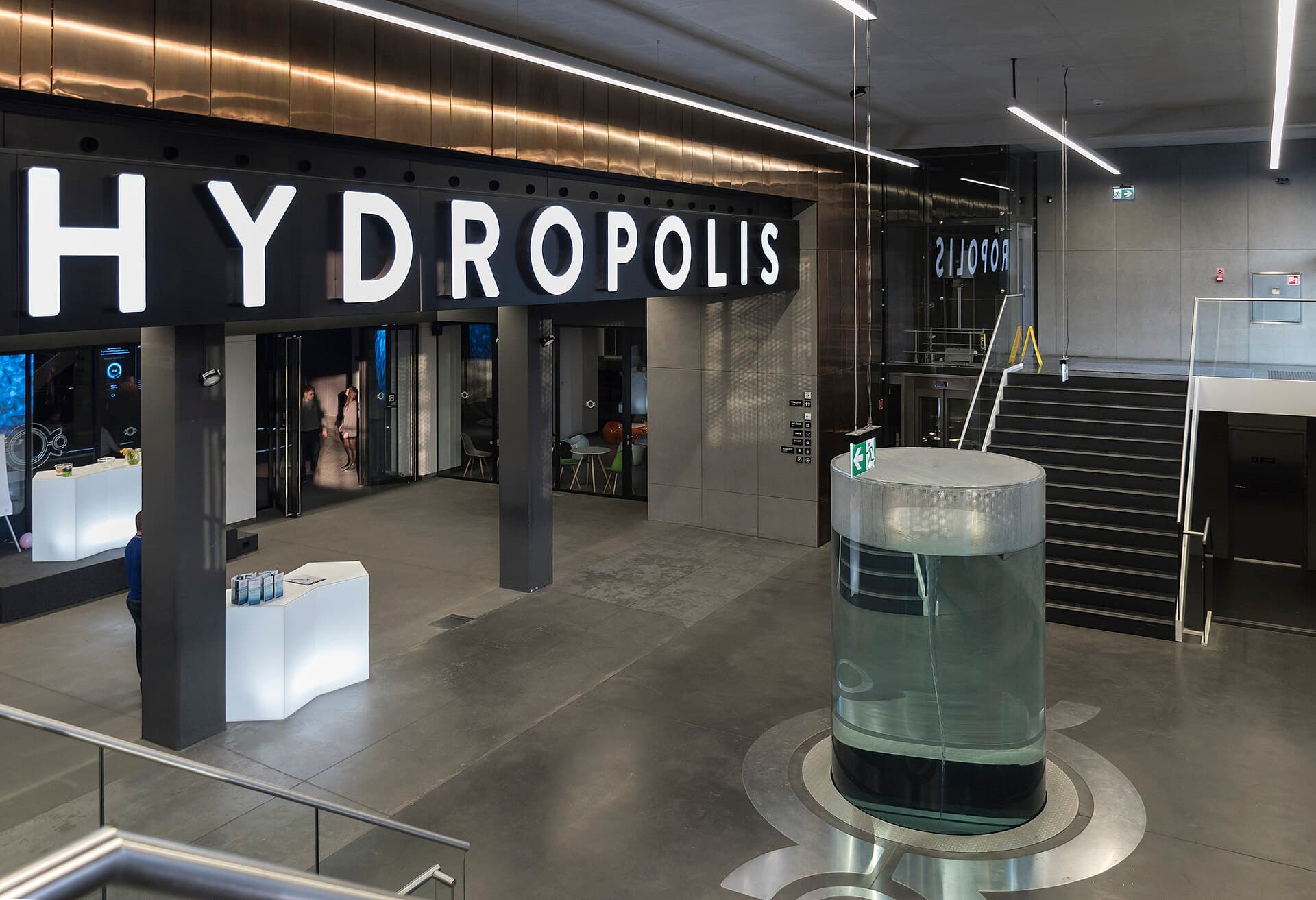 Hydropolis — the Water Knowledge CentreHydropolis is Europe's only museum of its idea: a knowledge centre devoted exclu5 minutes walk4.6
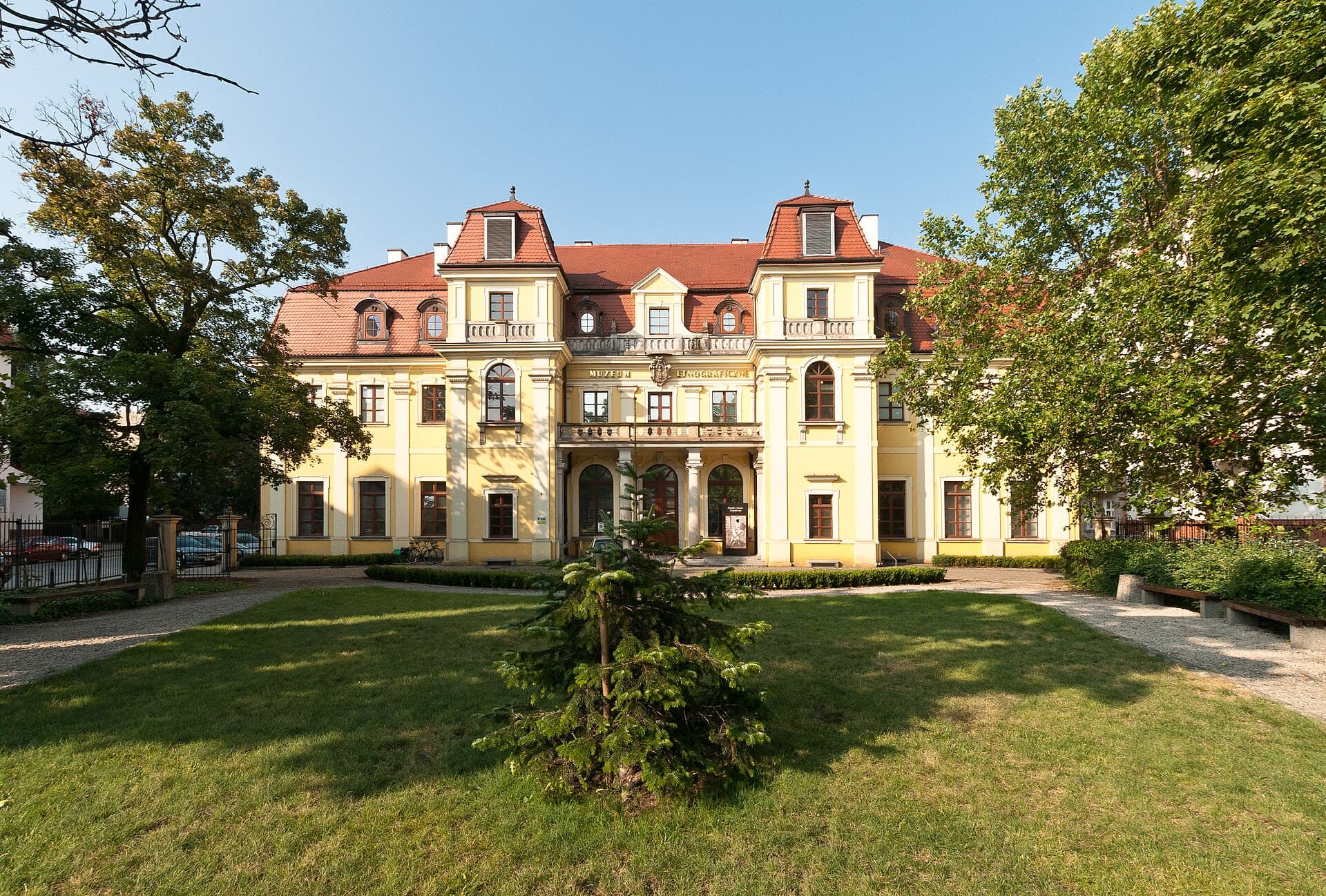 Ethnographic Museum, WrocławA museum of the folk culture of Lower Silesia, a branch of the National Museum i7 minutes walk4.3
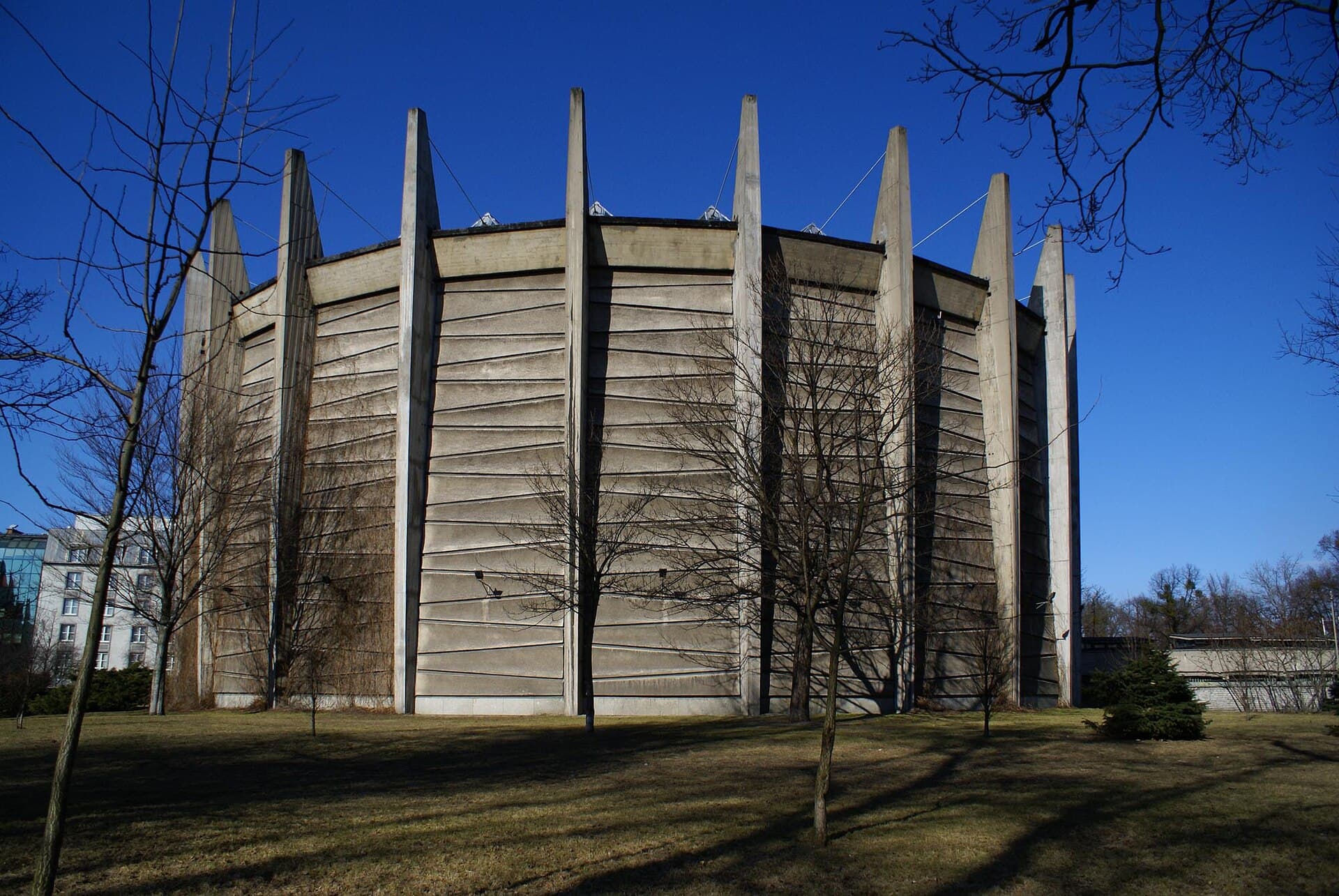 The Racławice PanoramaThe Panorama is the nineteenth century's surviving cinema: a colossal circular p14 minutes walk4.7
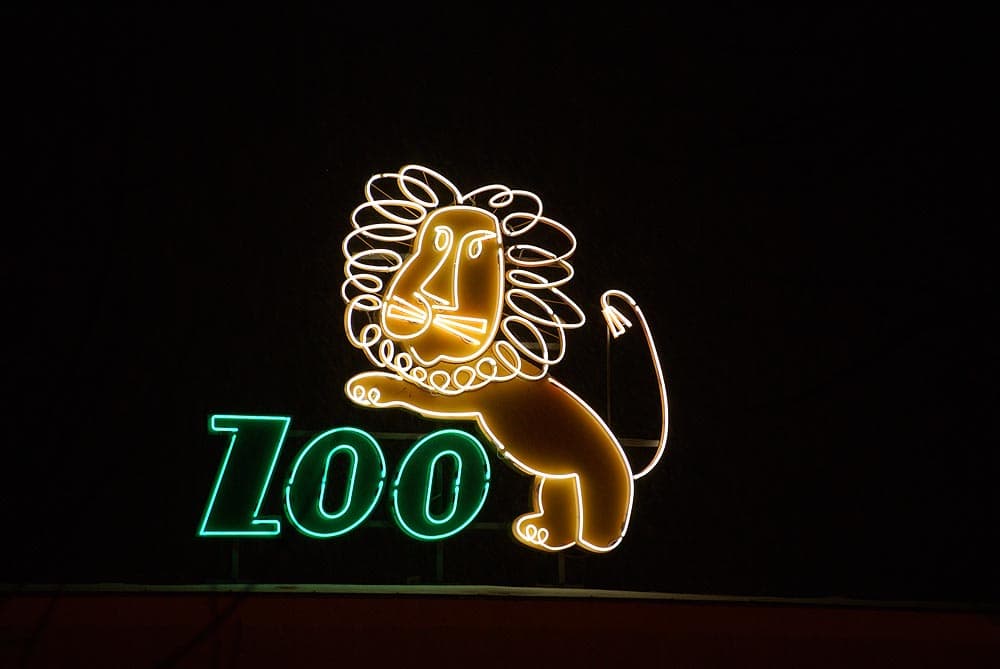 Wroclaw Zoo & the AfricariumWroclaw Zoo is the most visited in all Poland — with a landmark without planetar14 minutes walk4.8
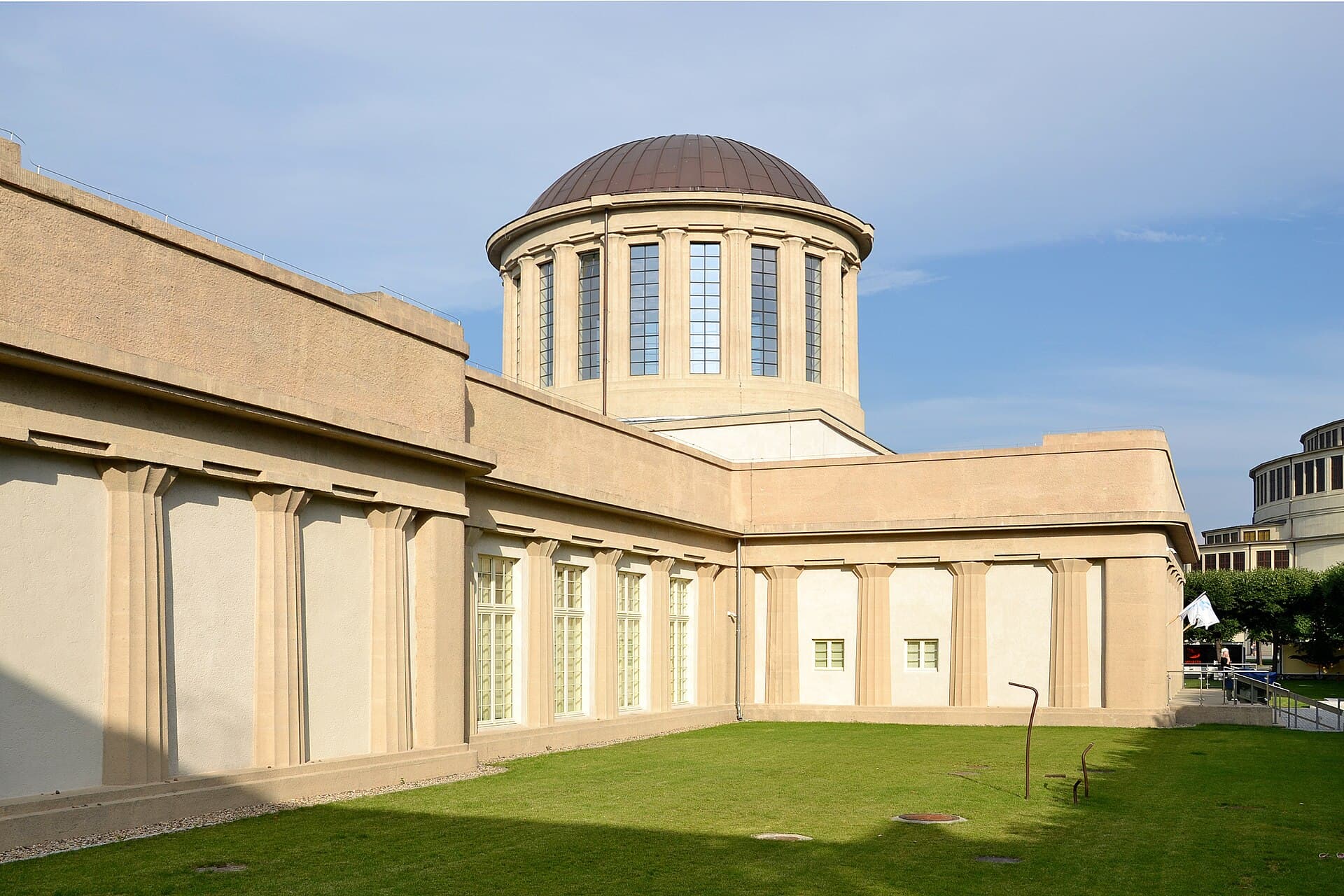 Four Domes PavilionA museum of modern art in a building of 1913, beside the UNESCO-listed Centennia17 minutes walk4.7
Because it was Breslau, a major German city, until 1945. The public buildings, factories, water towers and bridges you see were built under Prussian and then German rule in the nineteenth and twentieth centuries. After the war the city passed to Poland and its population changed completely, but the buildings remained. The city today is entirely Polish in culture and people, and very nearly entirely German in its stone.
The Centennial Hall, a UNESCO site and among the most important reinforced concrete buildings in the world, built in 1913 with what was then the largest dome. The Four Domes Pavilion beside it. And the old town itself with its market square and coloured houses. Three architectural eras in one city.