
The Japanese Garden
Made for the 1913 exhibition and restored with Japanese specialists — pond, bridges and a stone lantern.
Kjs50 — CC BY-SA 3.0 · Unknown authorUnknown author — Public domain · fot. Slawek Ilski — CC BY 3.0 · fot. Slawek Ilski — CC BY 3.0
A large park east of central Wrocław, among the city's oldest and biggest public gardens. It was laid out in the late eighteenth century in the English manner and has been extended and redesigned several times since. Its best-known feature is the Japanese Garden, created for the 1913 exhibition and later restored with help from Japanese specialists. It has a pond, bridges, a stone lantern and planting arranged to proper principles, and it is the one part of the park that needs a ticket in season. The park adjoins the Centennial Hall, a 1913 concrete building on the UNESCO World Heritage list, and a large musical fountain that runs in season. The three are seen together in a single half day. The park also holds a small sixteenth-century wooden church moved here, and broad open ground that city residents use for running and outings. It is free and open and walked without a programme.
Made for the 1913 exhibition and restored with Japanese specialists — pond, bridges and a stone lantern.
A small sixteenth-century church moved into the park.
The park, the Centennial Hall and the musical fountain adjoin and are seen together.
Eastern Wrocław, beside the Centennial Hall
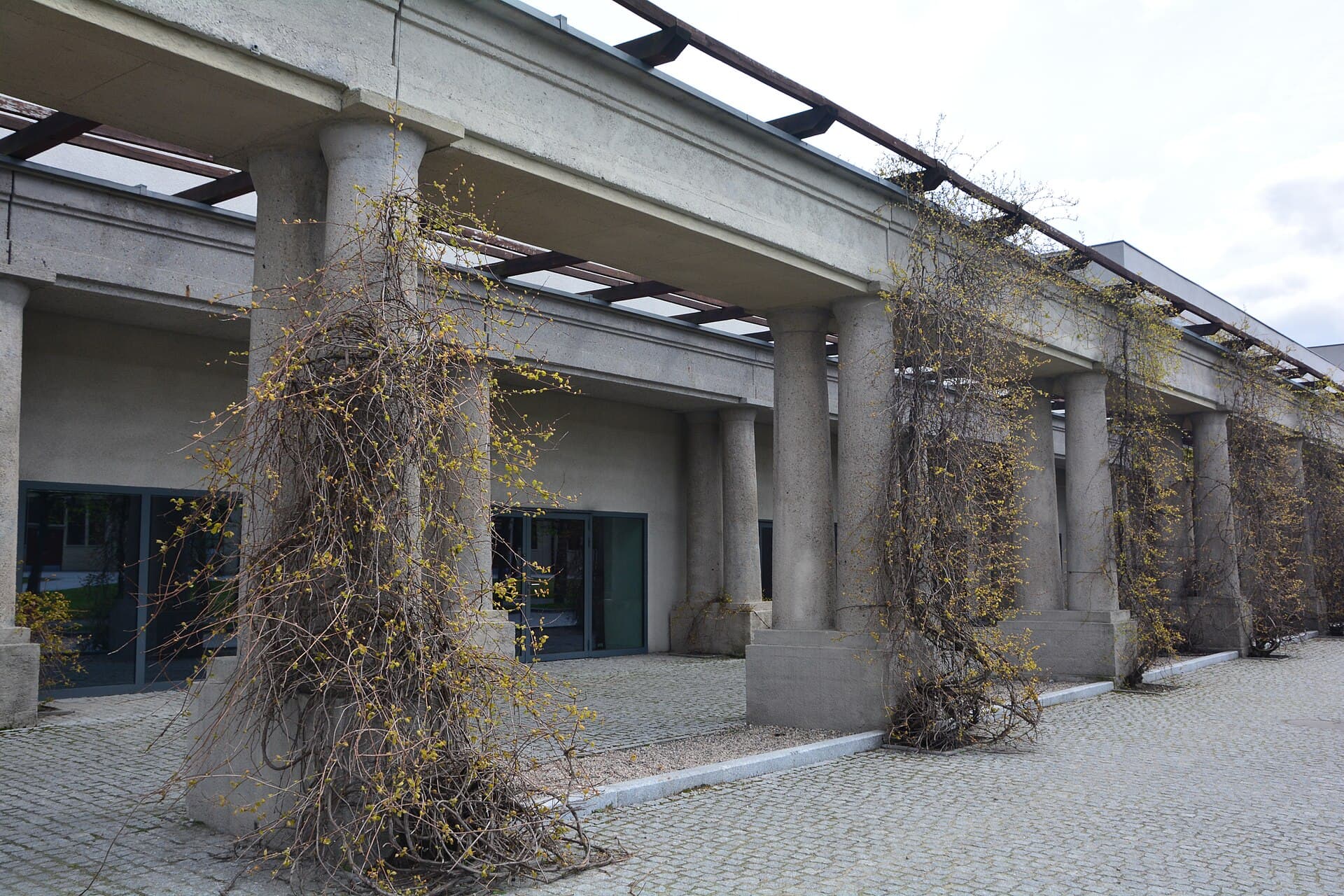 The Pergola and Multimedia FountainA semicircular concrete colonnade some seven hundred and fifty metres long near 7 minutes walk4.8
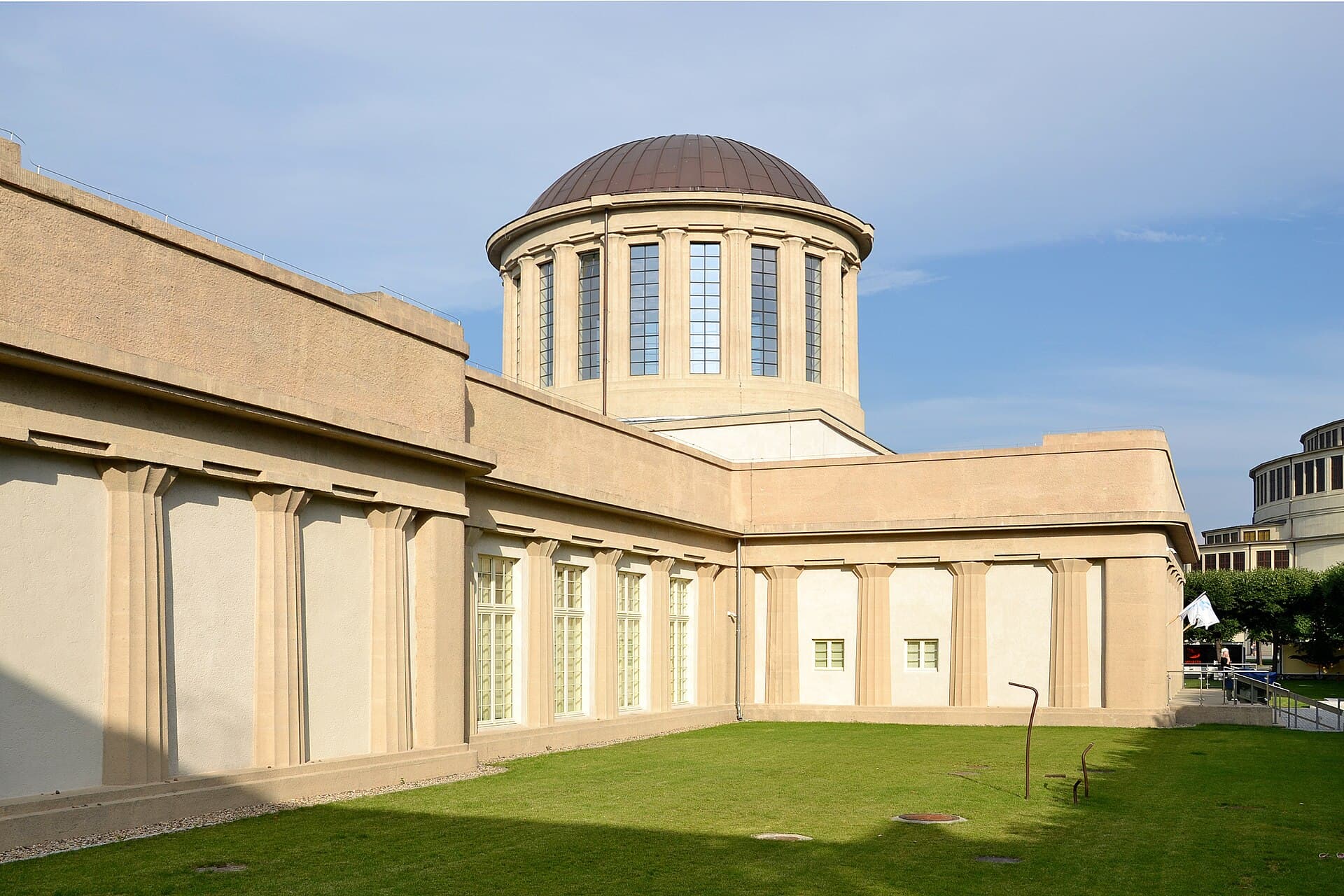 Four Domes PavilionA museum of modern art in a building of 1913, beside the UNESCO-listed Centennia10 minutes walk4.7
 The Centennial Hall & its GardensThe Centennial Hall is the Colosseum of concrete: Max Berg's dome (1913), 65 met10 minutes walk4.6
 Wroclaw Zoo & the AfricariumWroclaw Zoo is the most visited in all Poland — with a landmark without planetar14 minutes walk4.8
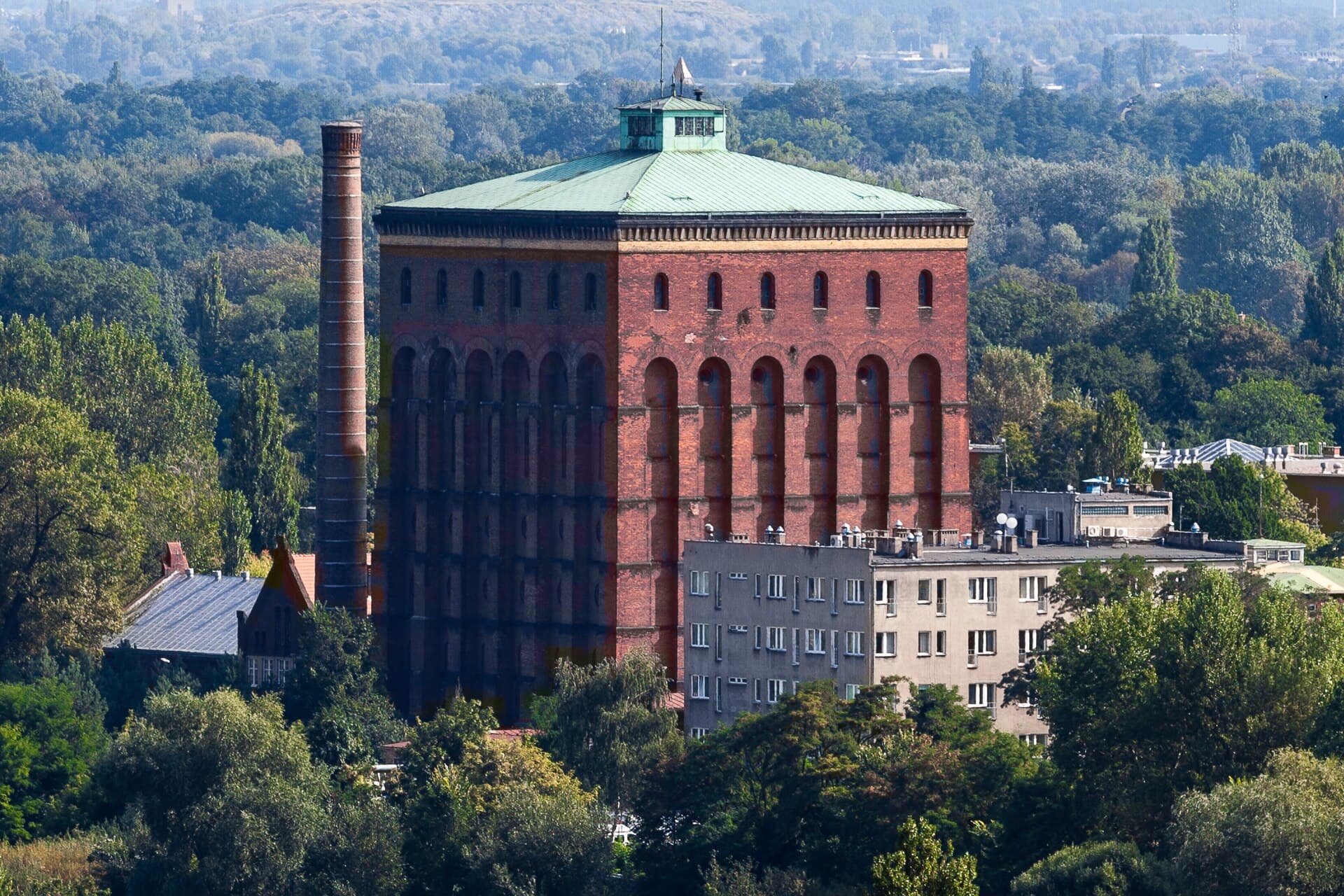 Water Tower on the DikeA nineteenth-century red brick water tower in Wrocław, part of the city's first 25 minutes walk4.7
Late spring to early autumn. It closes in winter and is at its best in May with the blossom and in October as the leaves turn. It needs a small ticket and gets busy at weekends.
A tram or bus from central Wrocław in about fifteen minutes, or a longer walk along the Oder. The park lies east of the centre beside the Centennial Hall, and the whole area is walked on foot once you arrive.