
The round tower
A massive stone tower encased in the sixteenth century to withstand cannon — the best-known on the wall.
Achates — CC BY-SA 3.0 · Diego Delso — CC BY-SA 3.0 · Diego Delso — CC BY-SA 3.0 · Leonhard Lenz — CC0
The Frauentor is one of the four great gates in Nuremberg's old wall, and its massive round stone tower is the first thing arrivals from the railway station see. The wall itself is among the best-preserved city walls in Germany, running about five kilometres around the old town. The present tower was built in the fourteenth century and encased in stone in the sixteenth to withstand cannon. Today people pass under the gate daily on their way from the station into the old town, with the craftsmen's courtyard immediately behind it. It is free and always open — Nuremberg's natural front door rather than a destination in itself.
A massive stone tower encased in the sixteenth century to withstand cannon — the best-known on the wall.
Five kilometres of surviving wall around the old town, walkable along its length and its dry moat.
Walking under the gate from the station into the old street is an arrival that feels like entering another city.
Königstraße, 90402 Nürnberg
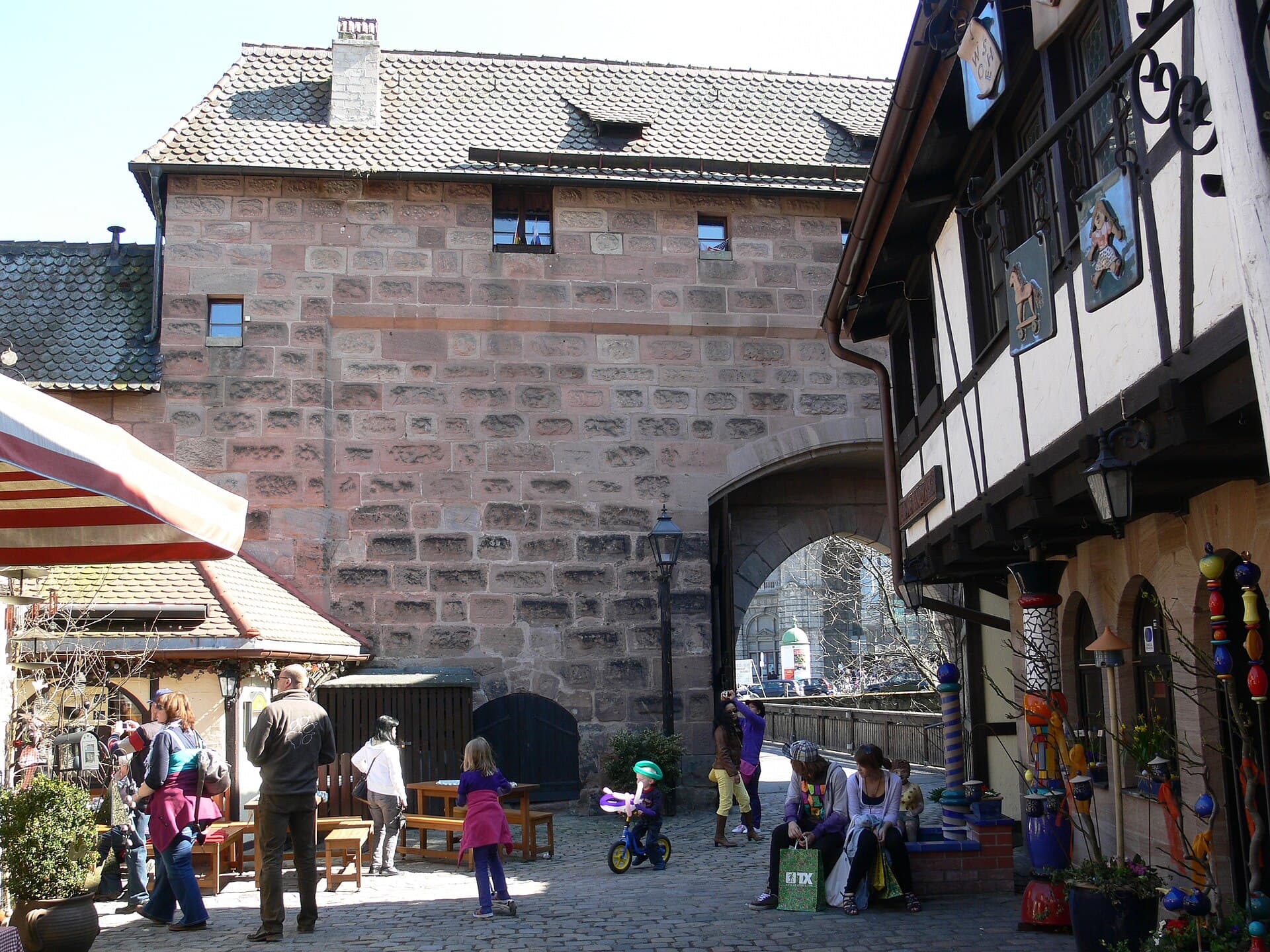 HandwerkerhofThe Handwerkerhof is a cluster of small timber-framed houses set inside the city1 minute walk4.7
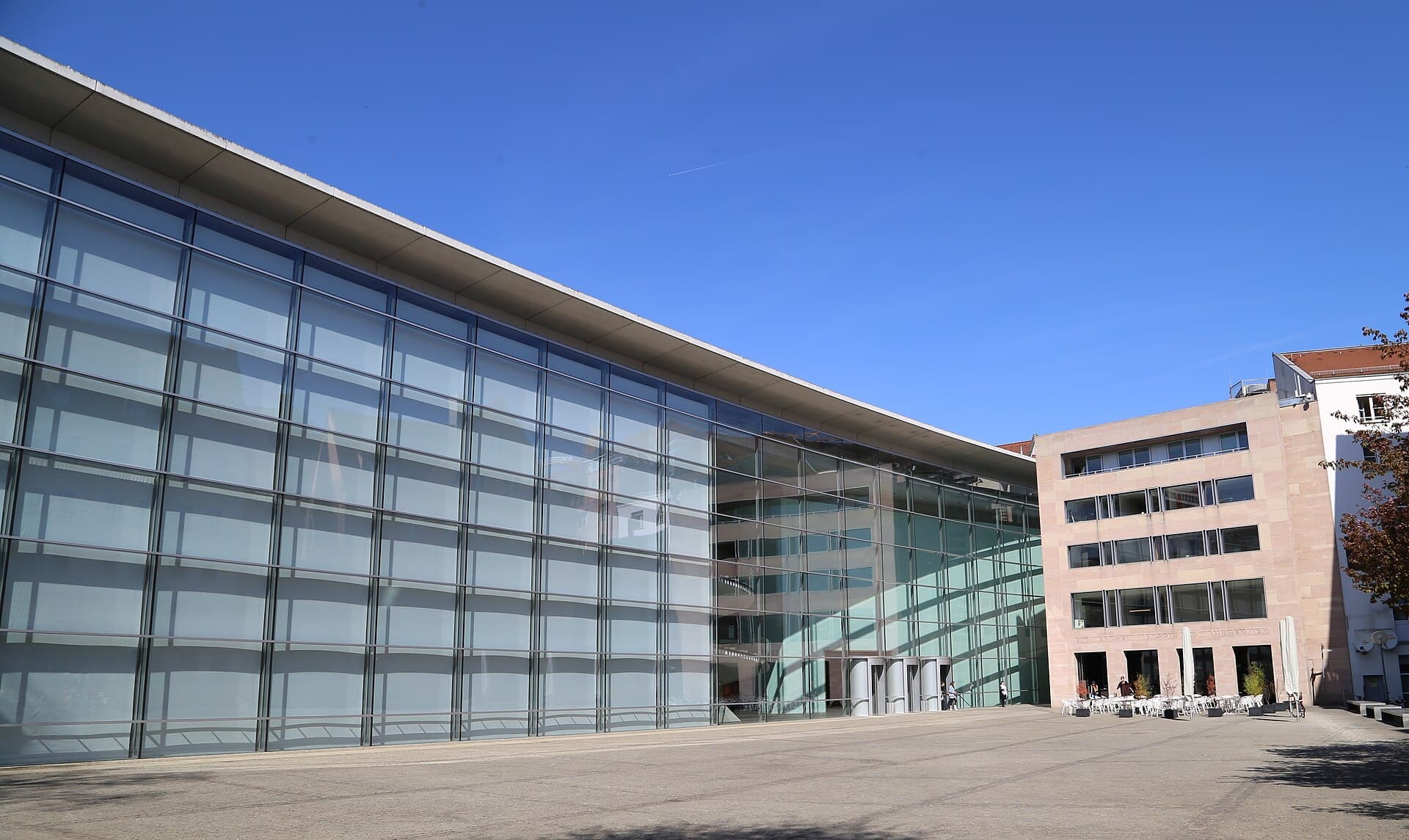 Neues Museum NurembergThe Neues Museum Nuremberg is a museum of modern art and design, opened in 2000 1 minute walk4.3
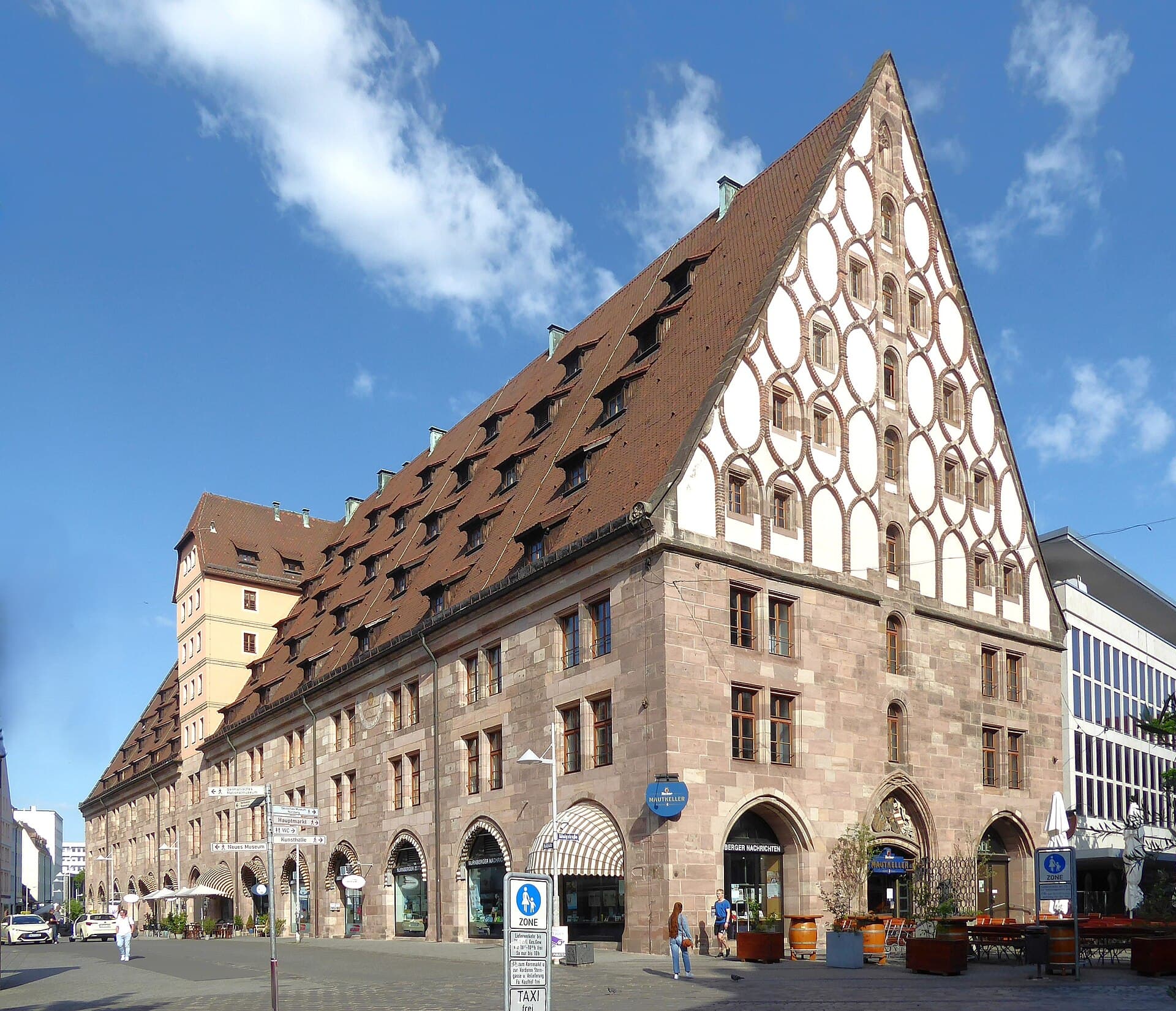 The MauthalleThe Mauthalle is a huge building of 1502 raised as both a grain store and a cust4 minutes walk4.3
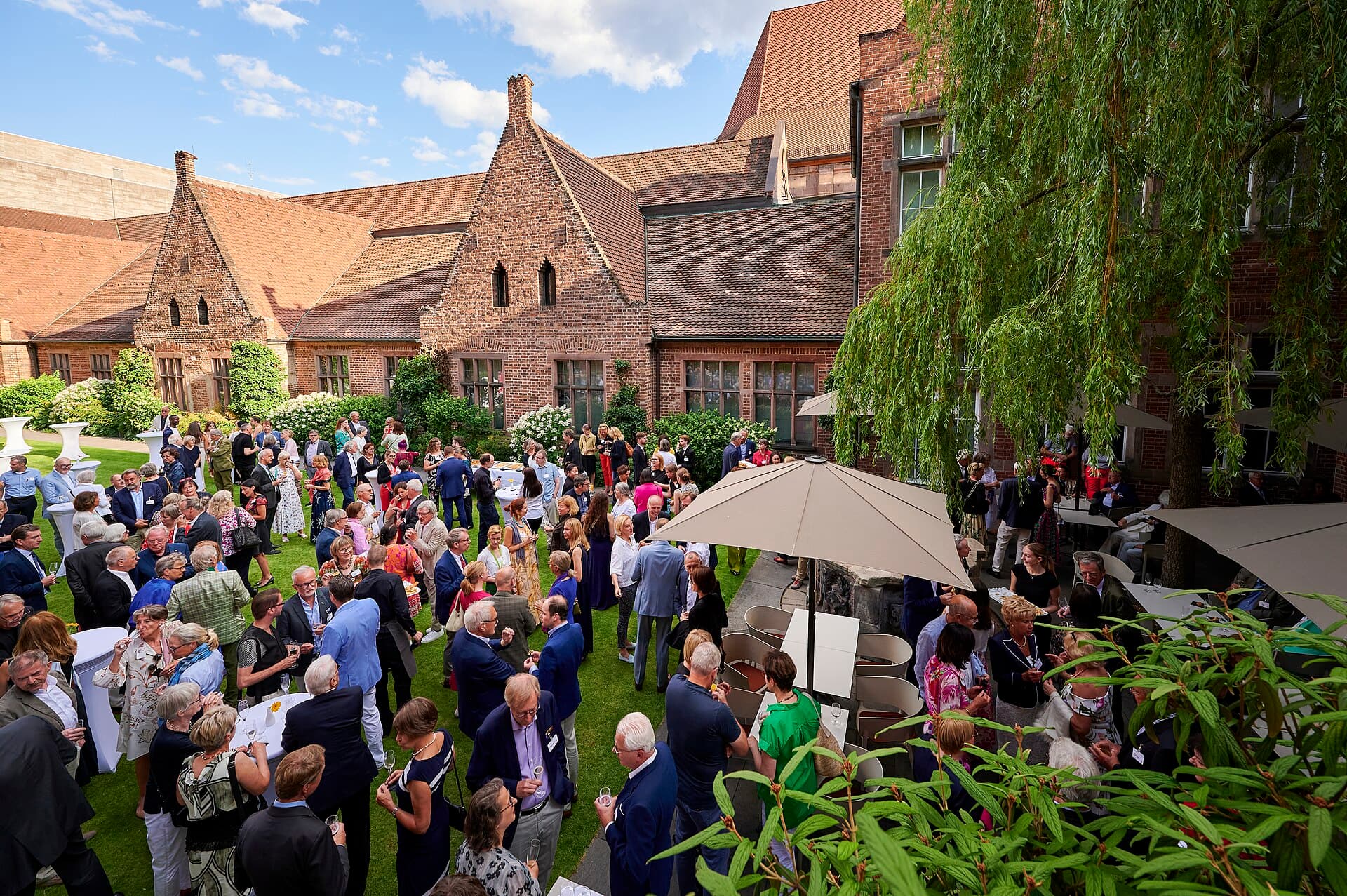 Germanisches NationalmuseumThe Germanisches Nationalmuseum in Nuremberg is the largest museum of history an5 minutes walk4.7
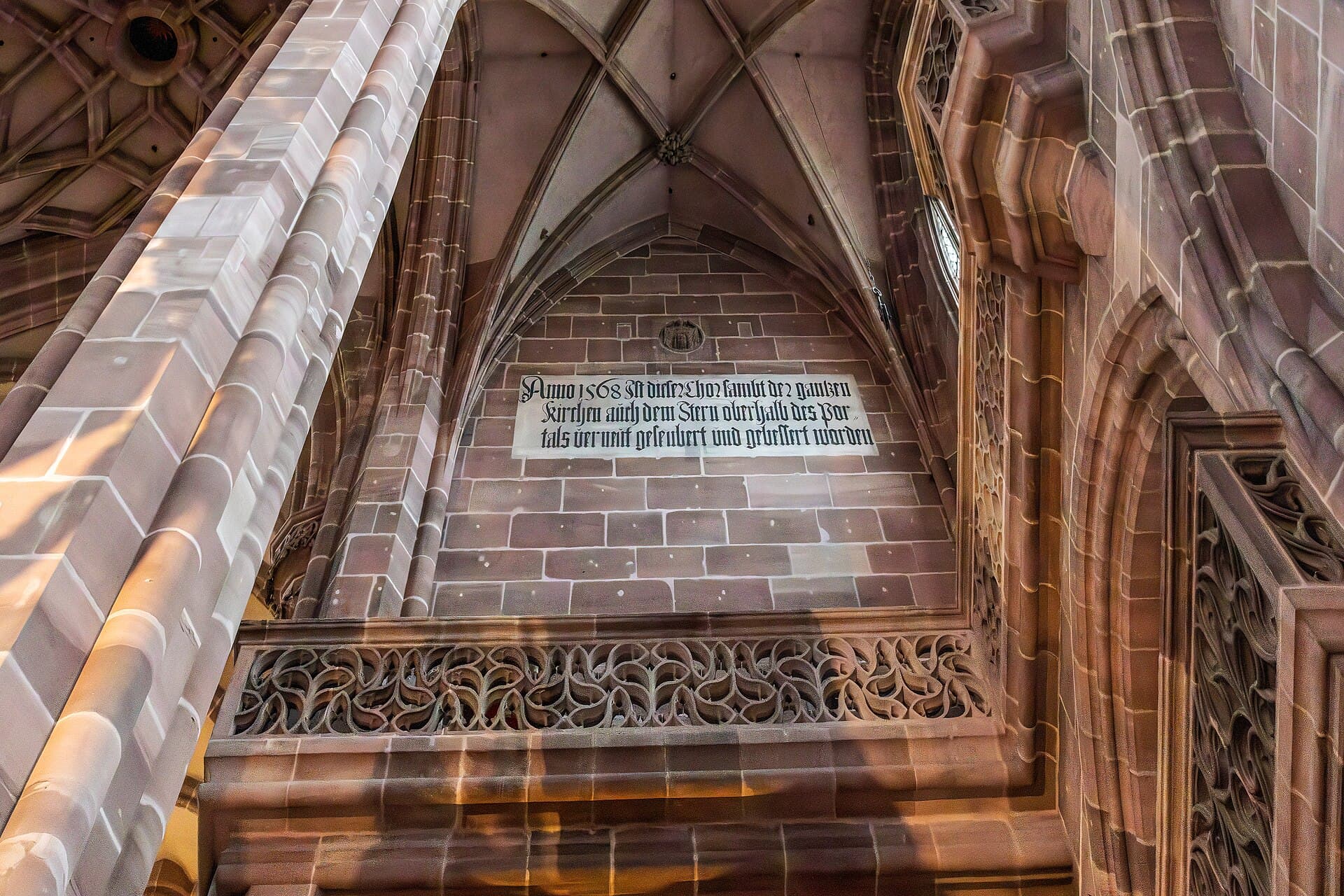 St Lorenz ChurchThe great church of the old town south of the river, its twin towers standing ei6 minutes walk4.6
The tower is not normally open to climb, unlike some other towers on the wall. But walking along the wall and its moat is free and always possible, and gives a good sense of the scale of the defences.
Ten minutes for the gate itself and a photograph. If you walk along the wall or go into the craftsmen's courtyard behind it, that becomes half an hour to an hour. It is a stop on the way rather than a visit of its own.
Essentially yes. The tower is fourteenth-century and its stone casing sixteenth. Parts of the wall were damaged in the Second World War and repaired, but the old structure survives, and it is among the most complete city walls in Germany.