
The harbour view
Bryggen and Mount Fløyen on the opposite bank.
Nina-no This photo was taken by Nina-no. Please credit this photo Nina Aldin Thune in the immediate vicinity of the image. Distribution: Creative Commons Kunsthistorie.com Farmasihistorie.com — CC BY 2.5 · Unknown authorUnknown author — Public domain · Johan Christian Dahl — Public domain · Marcus Selmer — Public domain
Fredriksberg stands on the highest point of the Nordnes peninsula west of central Bergen, a small fortress of the late seventeenth century built to guard the harbour mouth from the side opposite Bergenhus. The defensive idea was simple: guns on both banks of the entrance would make passage costly for a hostile ship. The fortress was never tested in a major action, and its real role over the centuries was closer to a watchtower — it was later used as a fire alarm station, which mattered in a wooden city that burned repeatedly. Today it is an open public space, free at any hour, and its value for a visitor is the view: from its wall you see the harbour mouth, Bryggen on the opposite bank with Mount Fløyen behind it, and the fjord opening west. The Nordnes district itself is among the handsomest in Bergen — narrow lanes between white wooden houses — and it is a twenty-minute walk from the centre.
Bryggen and Mount Fløyen on the opposite bank.
Narrow lanes between white wooden houses.
Nordnes, 5005 Bergen
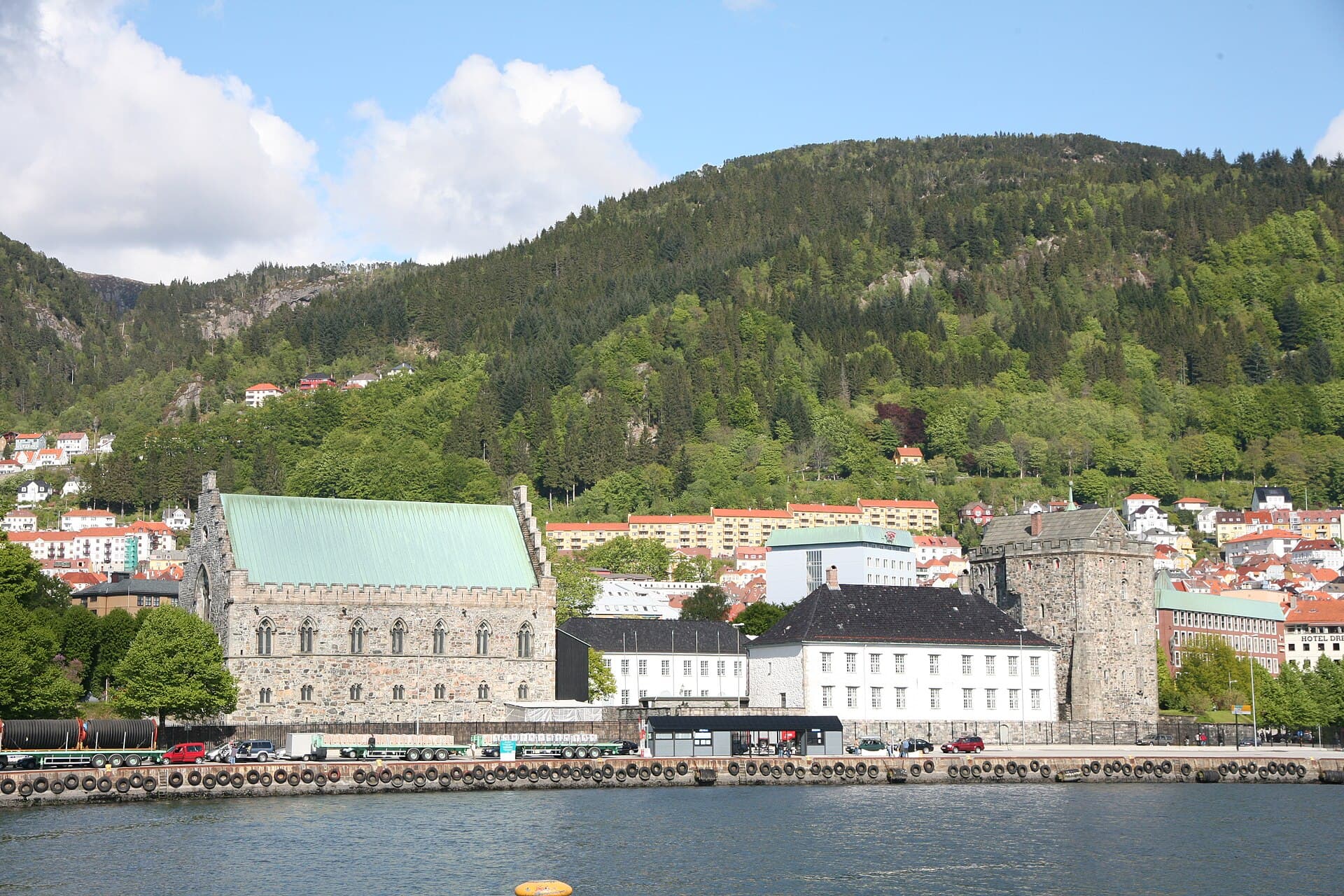 Bergenhus Fortress & Rosenkrantz TowerBergenhus is Bergen's oldest working royal complex: a fortress at the harbour mo7 minutes walk4.5
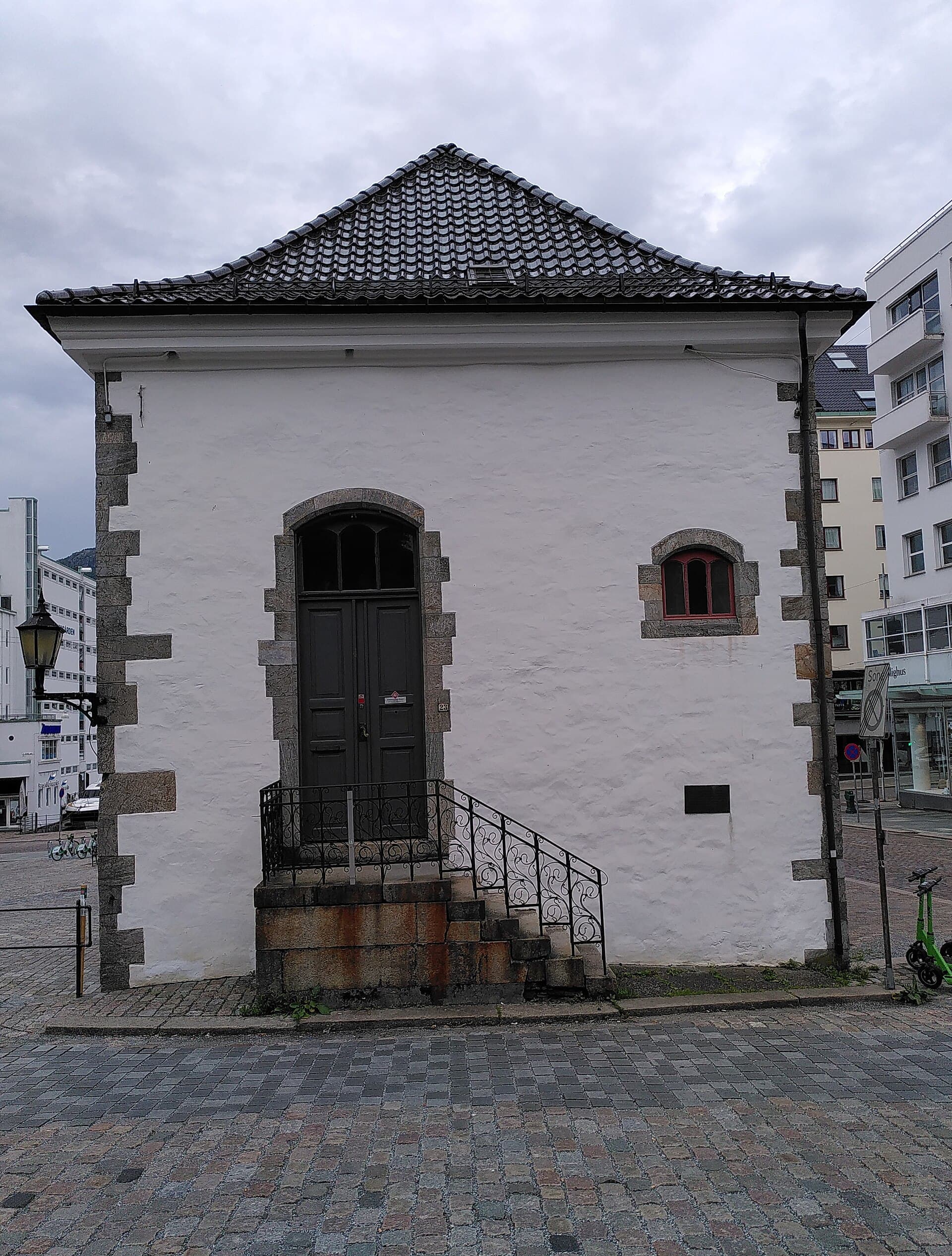 The Buekorps MuseumThe Buekorps is a tradition that exists nowhere but Bergen, and the small museum8 minutes walk4.4
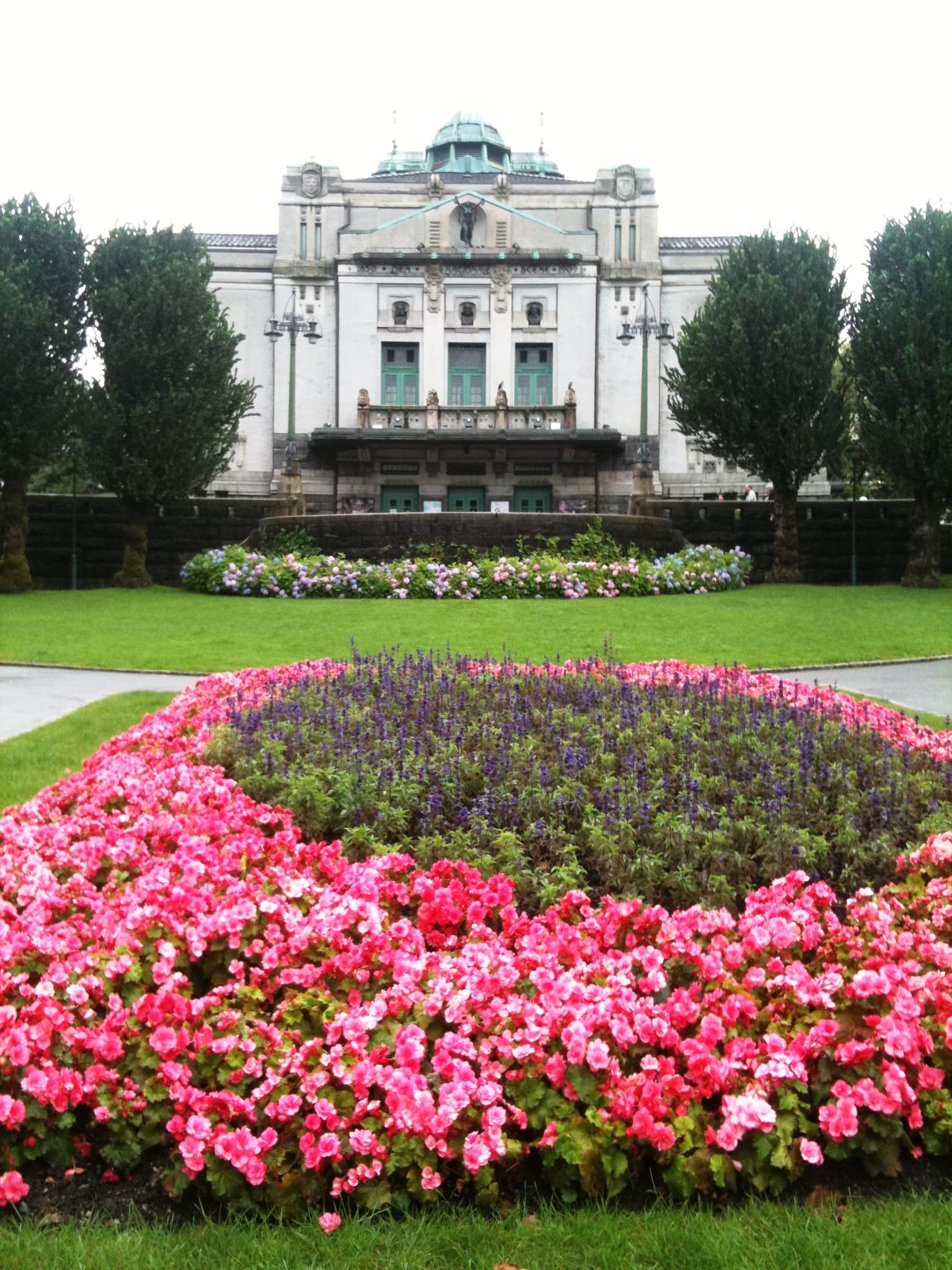 Den Nationale SceneDen Nationale Scene is Norway's oldest permanent theatre, founded by the violini9 minutes walk4.4
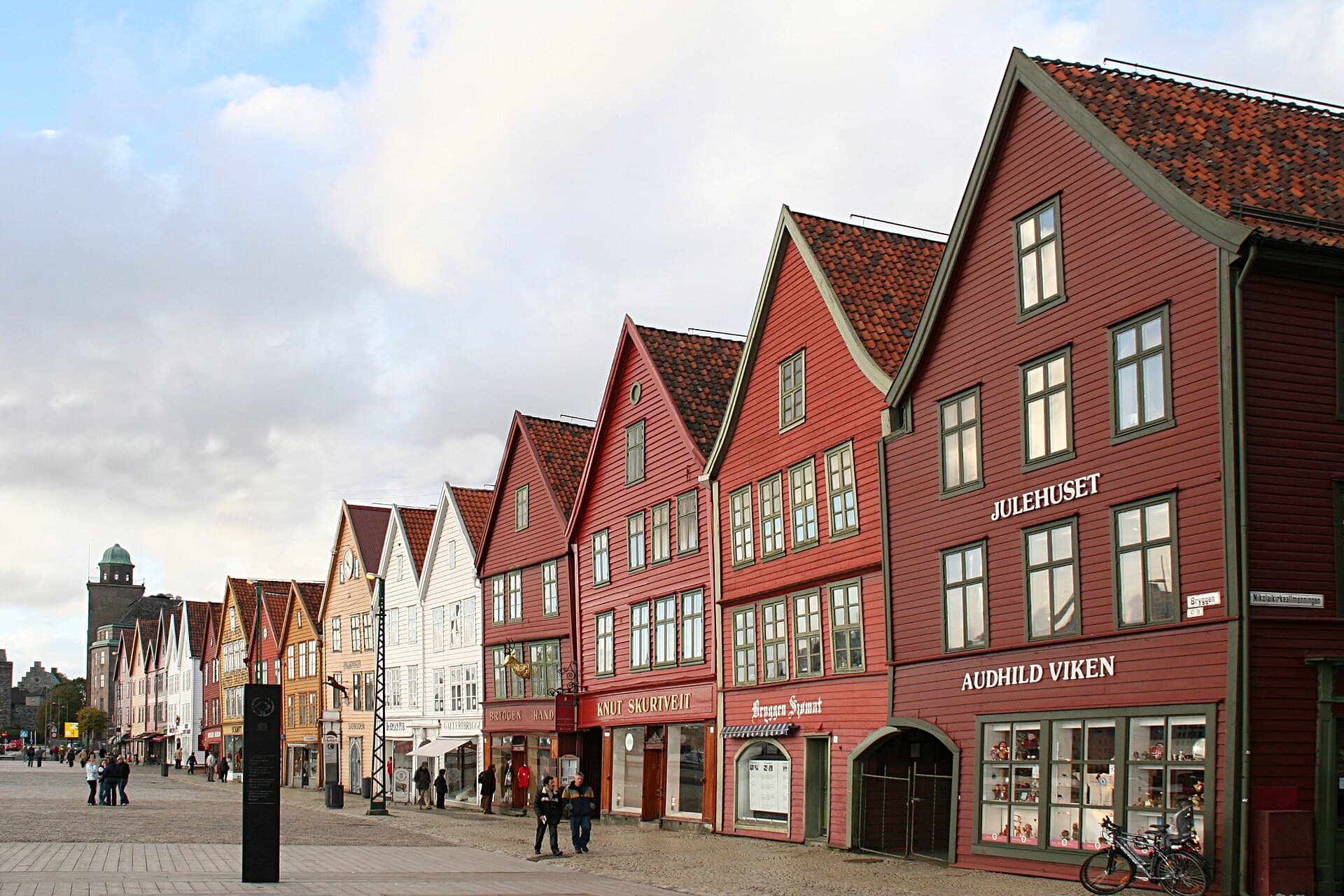 Bryggen — the Hanseatic WharfBryggen is the entire remaining commercial face of the Hanseatic trading league:10 minutes walk4.6
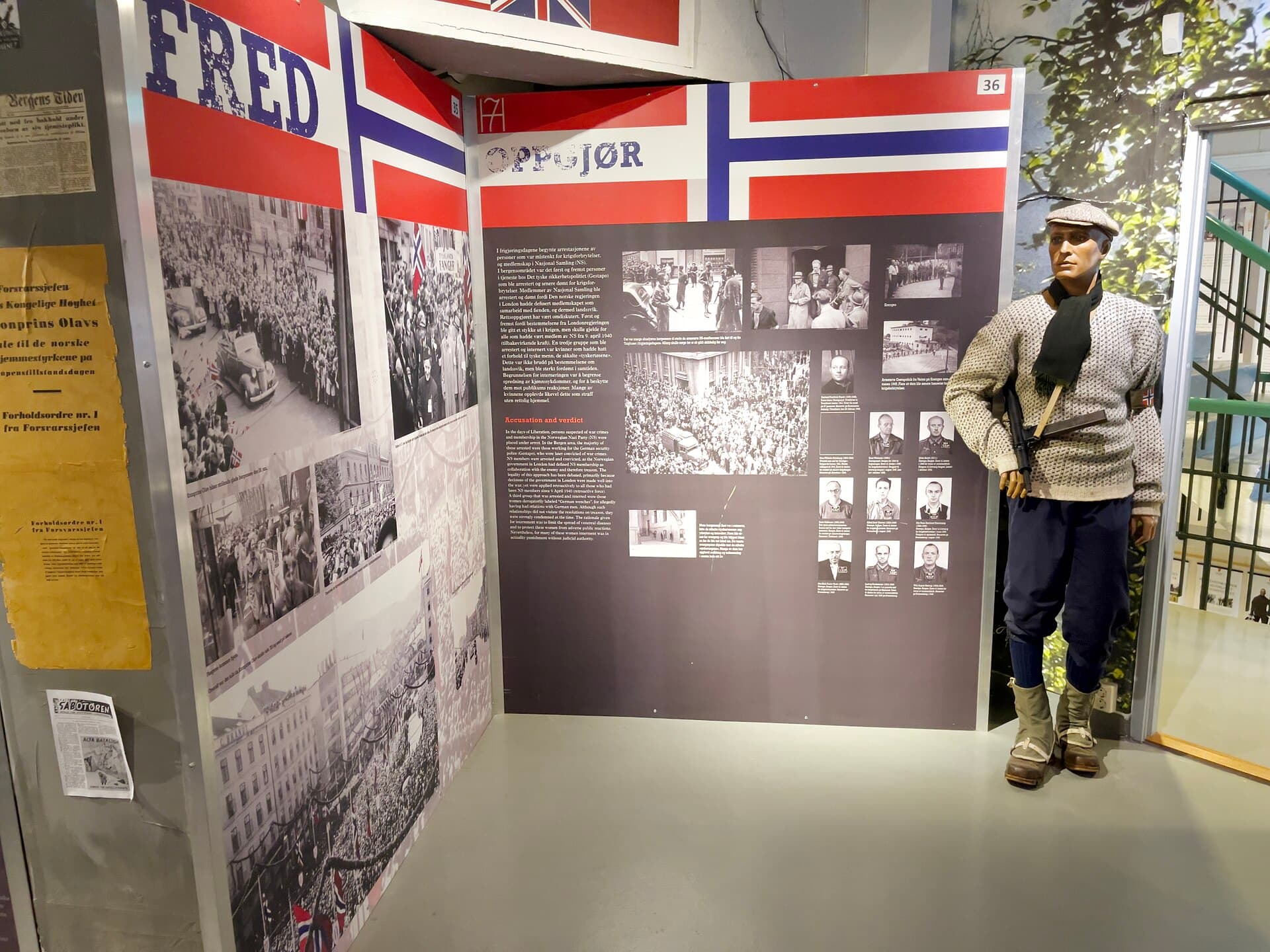 The Gestapo Museum, BergenIn the basement of an ordinary building on Veiten, two minutes from Torgallmenni10 minutes walk4.4
Because it was built entirely of timber in a windy climate: more than twenty major fires are recorded, the worst in 1702 destroying some ninety per cent of the city, and others in 1916 and 1955. The result is that what you see of old Bergen today is far newer than it looks — even Bryggen was rebuilt after the 1702 fire on the same medieval foundations and in the same manner. That is why fire warning became a civic rather than a neighbourhood matter, and why forts like this were put to that use.