
The roof
A huge concrete deck overlooking the city's rooftops.
Charlotte Noblet — CC BY-SA 4.0 · Superbenjamin — CC BY-SA 3.0 · Superbenjamin — CC BY-SA 3.0 · Robert Valette — CC BY-SA 4.0
A vast abandoned tobacco factory turned into the largest alternative arts complex in southern France. **La Friche** — the word means fallow, abandoned ground — occupies the old tobacco manufactory buildings in the **Belle de Mai** district north of Saint-Charles station, a poor working-class quarter that the tourism wave never reached. The project began in the early 1990s when artists took over the empty factory, and it is now an established institution holding theatres, performance halls, artists' studios, a publisher, a bookshop, a restaurant, a skatepark and a children's play space — all inside industrial concrete left rough and unprettified. Its best-known part is the **roof**: an enormous open concrete deck that hosts concerts and performances in summer and looks out over the rooftops of the whole city. Entry to the site itself is free and you can simply go up, get a drink and look. This is not a polished tourist sight and not the place for anyone after postcard beauty — but it is the truest representation of contemporary Marseille: rough, independent, full of locals, and cheap.
A huge concrete deck overlooking the city's rooftops.
Theatre, music and exhibitions changing weekly.
A skatepark and play area inside the complex.
41 Rue Jobin, 13003 Marseille
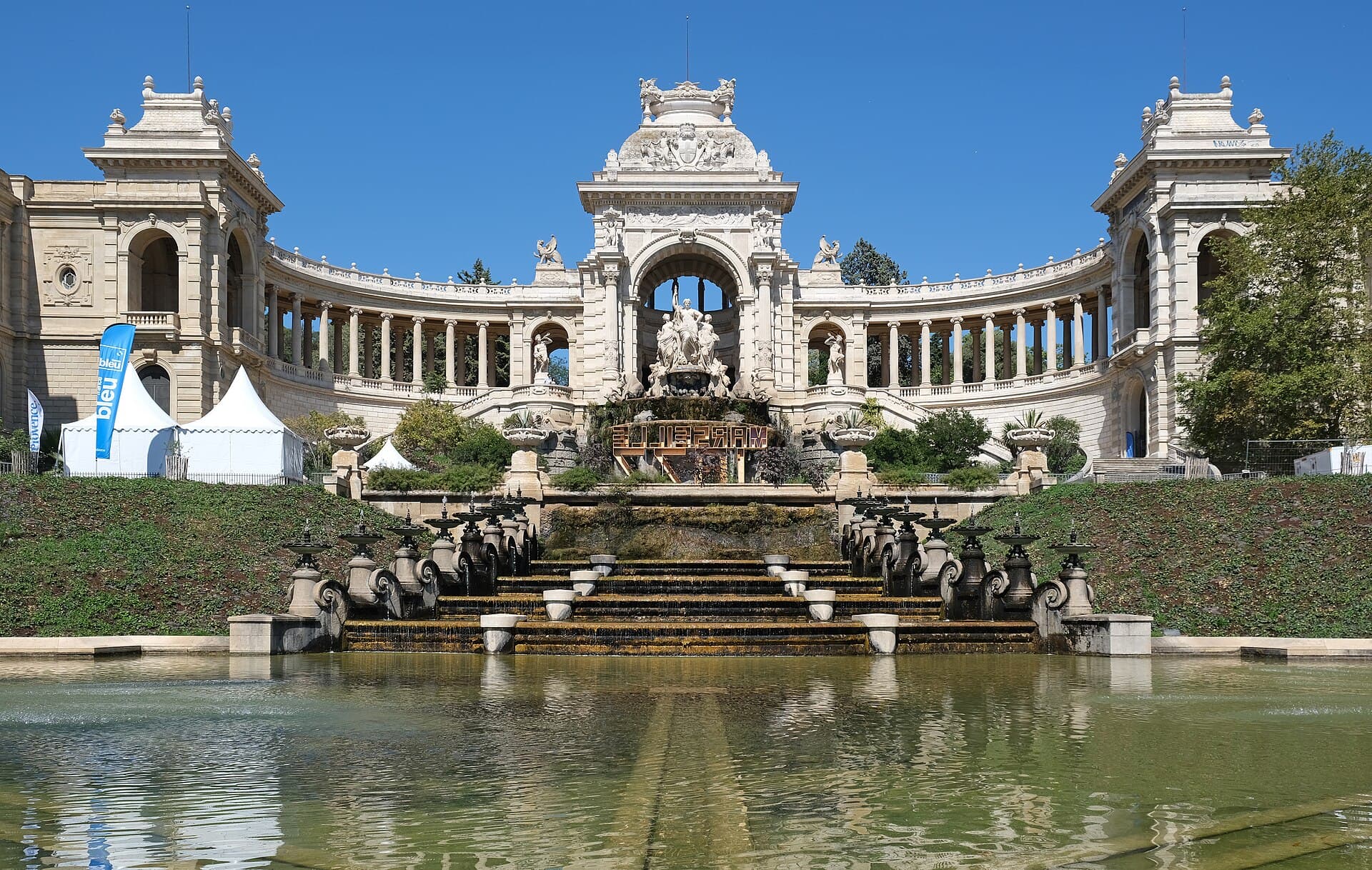 Palais LongchampThe Palais Longchamp is a monument built in celebration of water: in the ninetee8 minutes walk4.7
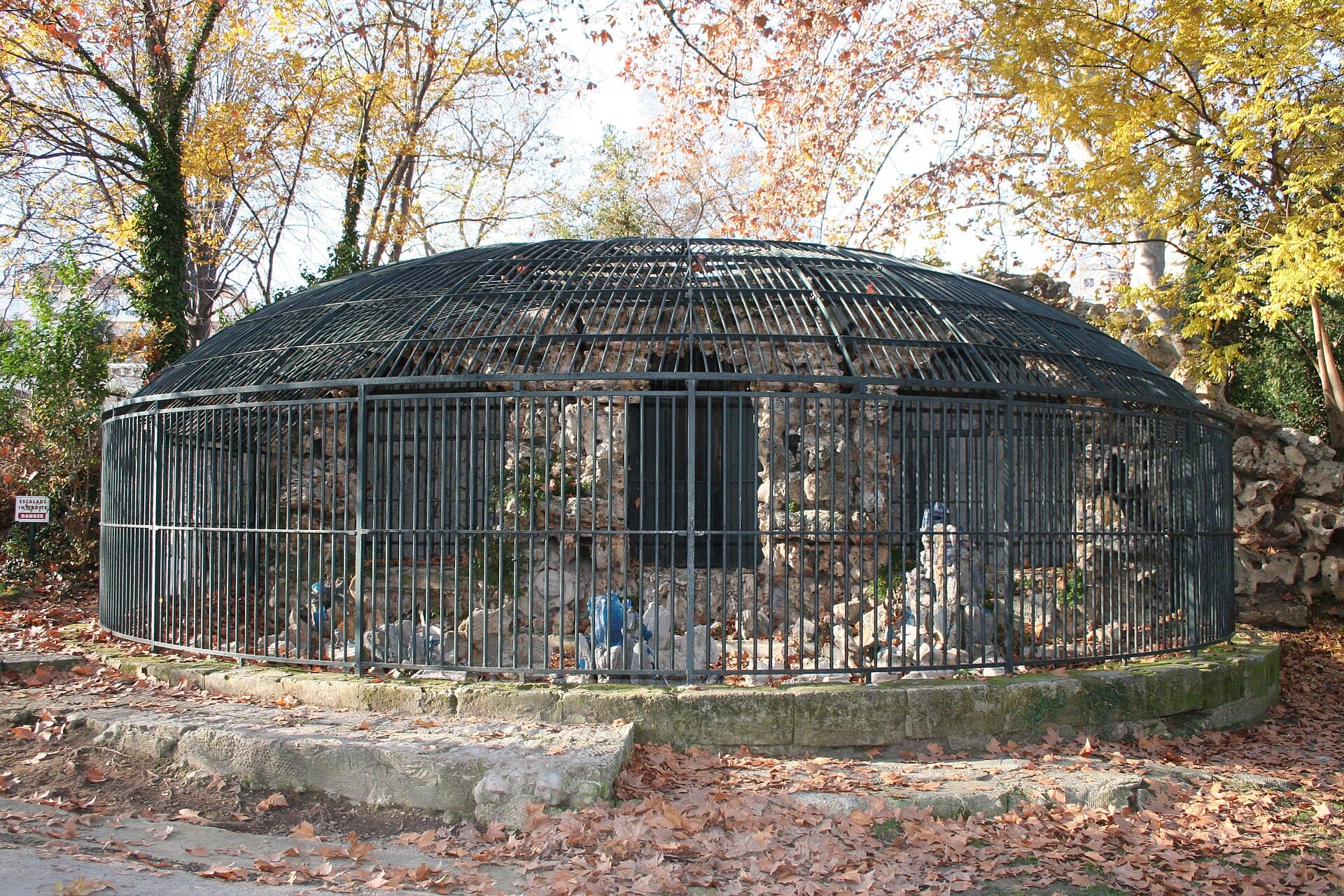 The Abandoned ZooAn abandoned zoo in Longchamp Park in Marseille, opened in 1856 and closed in 198 minutes walk4.4
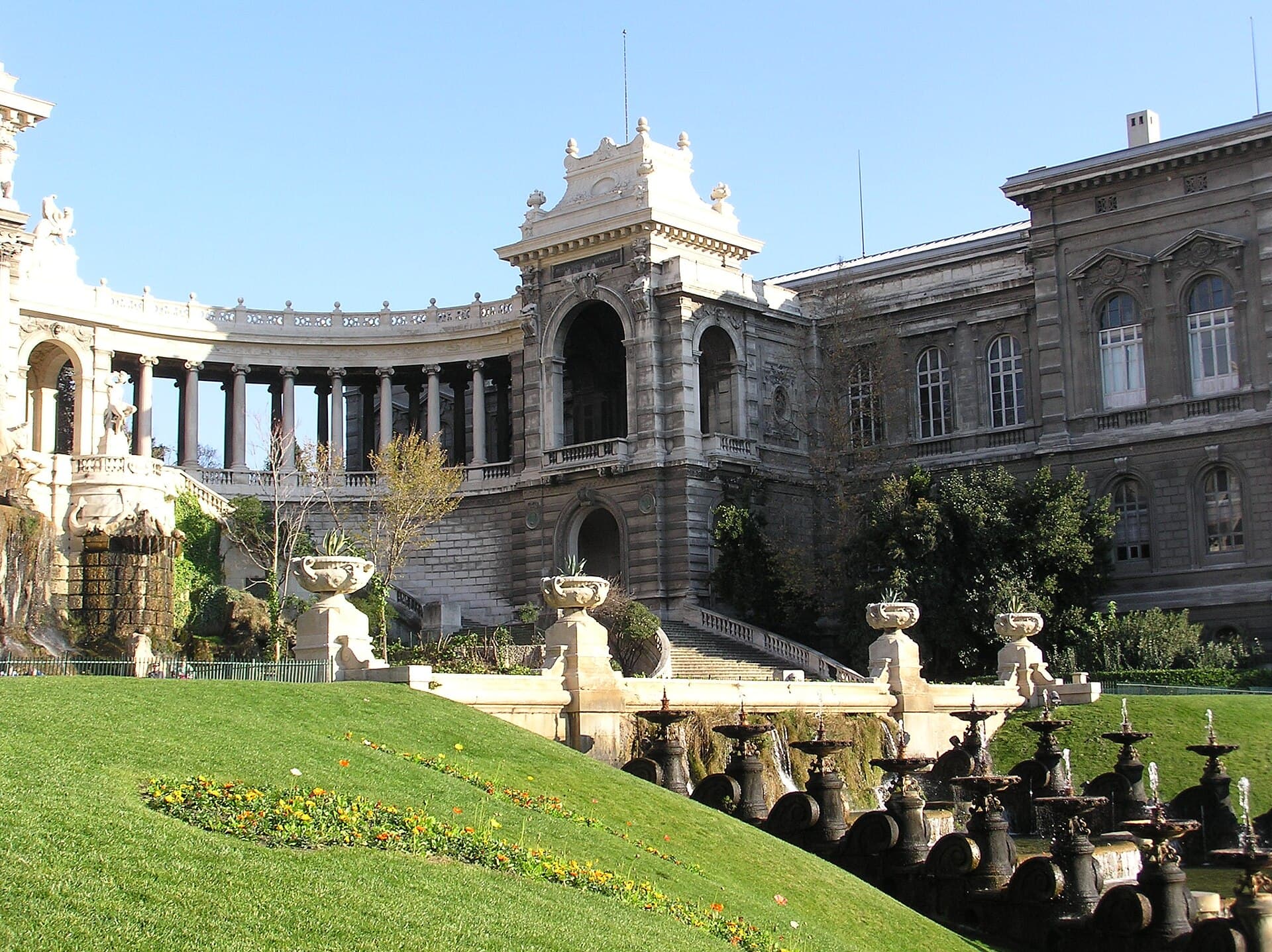 Natural History MuseumThis museum occupies the **right** wing of the Palais Longchamp, the vast ninete9 minutes walk4.4
 Church of Saint-Vincent-de-PaulA large Gothic Revival church at the top of the Canebière, known locally as les 15 minutes walk4.5
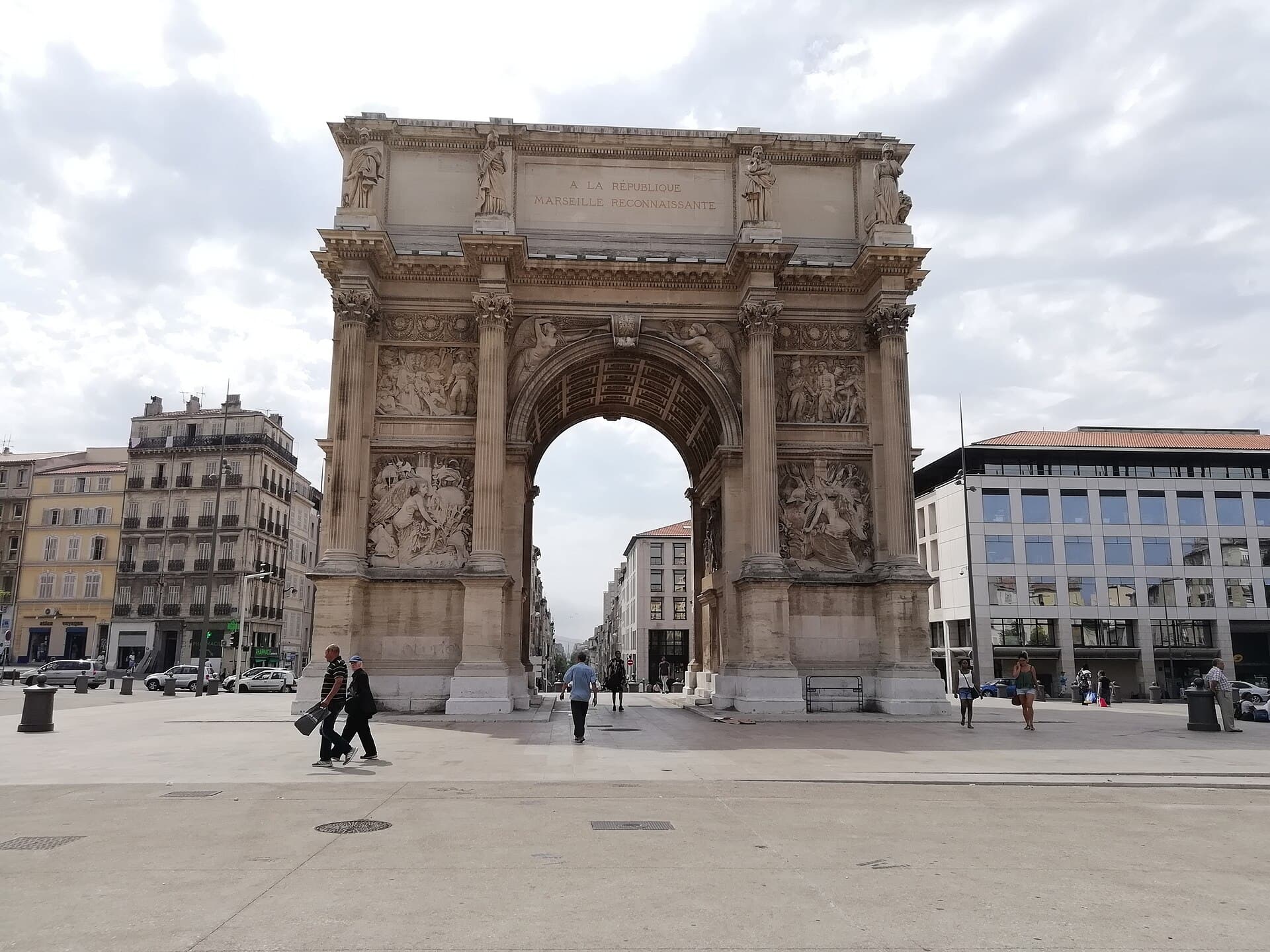 Porte d'AixA full triumphal arch in Marseille: the Porte d'Aix, Roman in manner, raised in 19 minutes walk4.1
Much less than in the evening. By day outside festival season you may find the site half-empty: closed industrial buildings, a bare roof, a café or two. The real value is the **programme** — a music night, a piece of theatre, an exhibition, most of them in the evening. Check their agenda and pick a day with something on; then it is one of the most enjoyable and cheapest nights in Marseille. Sunday daytimes in summer often have a market or family activity on the roof.
Belle de Mai is a historically poor working-class quarter — not dangerous, but not a polished tourist zone either: tired buildings, litter, plain shops. By day there is no issue at all. In the evening — and most Friche visits are evening ones — the site itself is staffed and busy with its own crowd, and the walk from Saint-Charles station is lit and well used. If you'd rather not, **a taxi or ride-hail** to and from the door settles it for a small fare.