
The safari hall
Tall wooden cases and skeletons — a rare old-style display.
Moumousse13 — CC BY 2.5 · Diliff — CC BY-SA 3.0 · Diliff — CC BY-SA 3.0 · Diego Delso — CC BY-SA 4.0
This museum occupies the **right** wing of the Palais Longchamp, the vast nineteenth-century monument built to celebrate the arrival of water from the Durance river in a Marseille worn down by thirst and epidemic. The opposite wing holds the fine arts museum, with the palace's fountain and steps between them. It is one of **France's oldest natural history museums**, founded in the early nineteenth century, and you feel it the moment you walk in: the great safari hall displays skeletons and mounted animals in tall wooden cases in the old manner, a style of display that has become rare and has a charm of its own. The collections cover zoology, fossils and mineralogy, with a clear interest in the local **Mediterranean environment** — what lives in this sea and on this coast specifically. Modern interactive sections on biodiversity have been added. It is an excellent place for children, and the building itself is worth the trip even if you never enter a single gallery.
Tall wooden cases and skeletons — a rare old-style display.
What lives in this sea and on this coast.
A monumental fountain and stairs — the building is the sight.
Palais Longchamp, 13004 Marseille
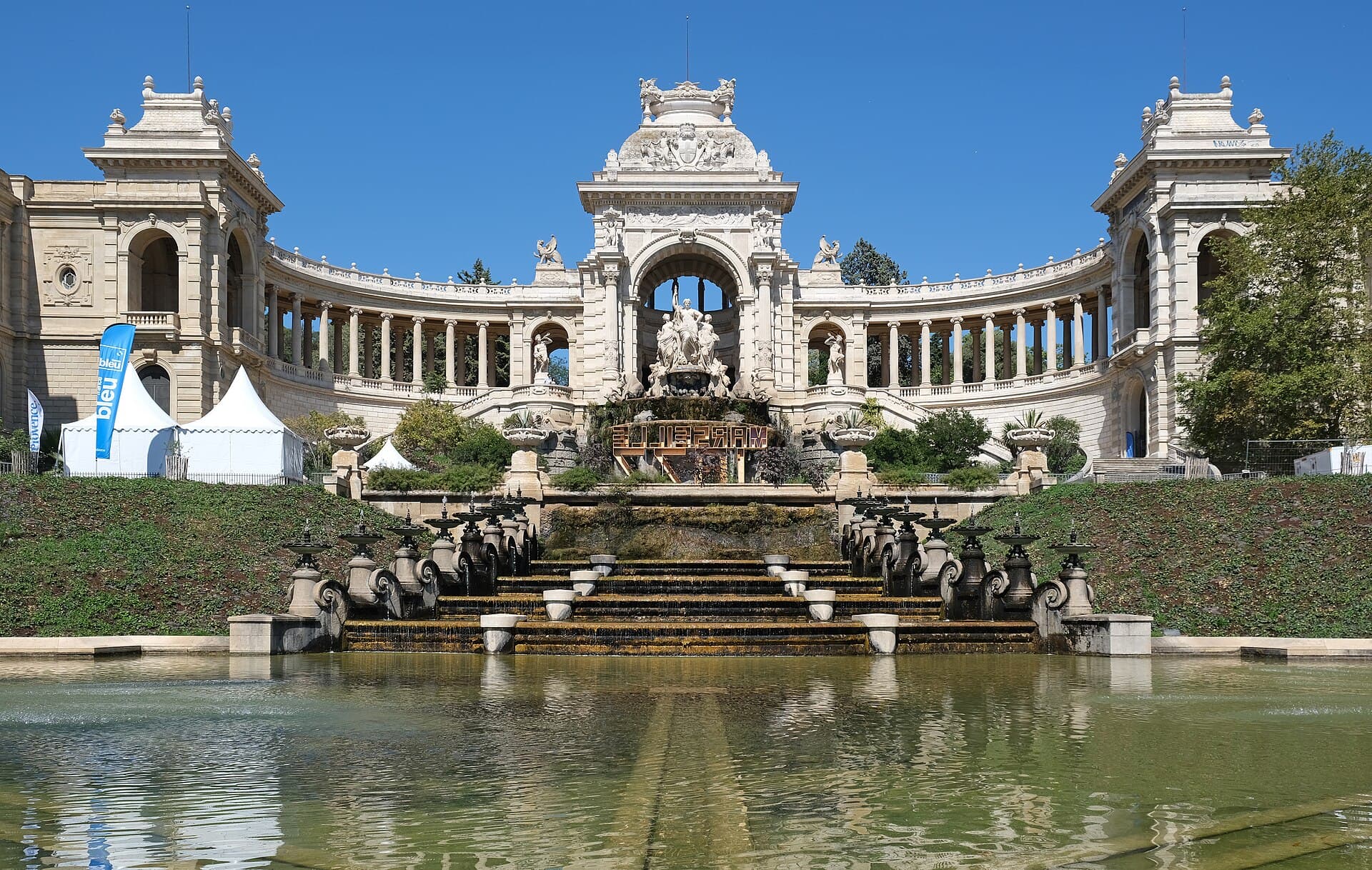 Palais LongchampThe Palais Longchamp is a monument built in celebration of water: in the ninetee1 minute walk4.7
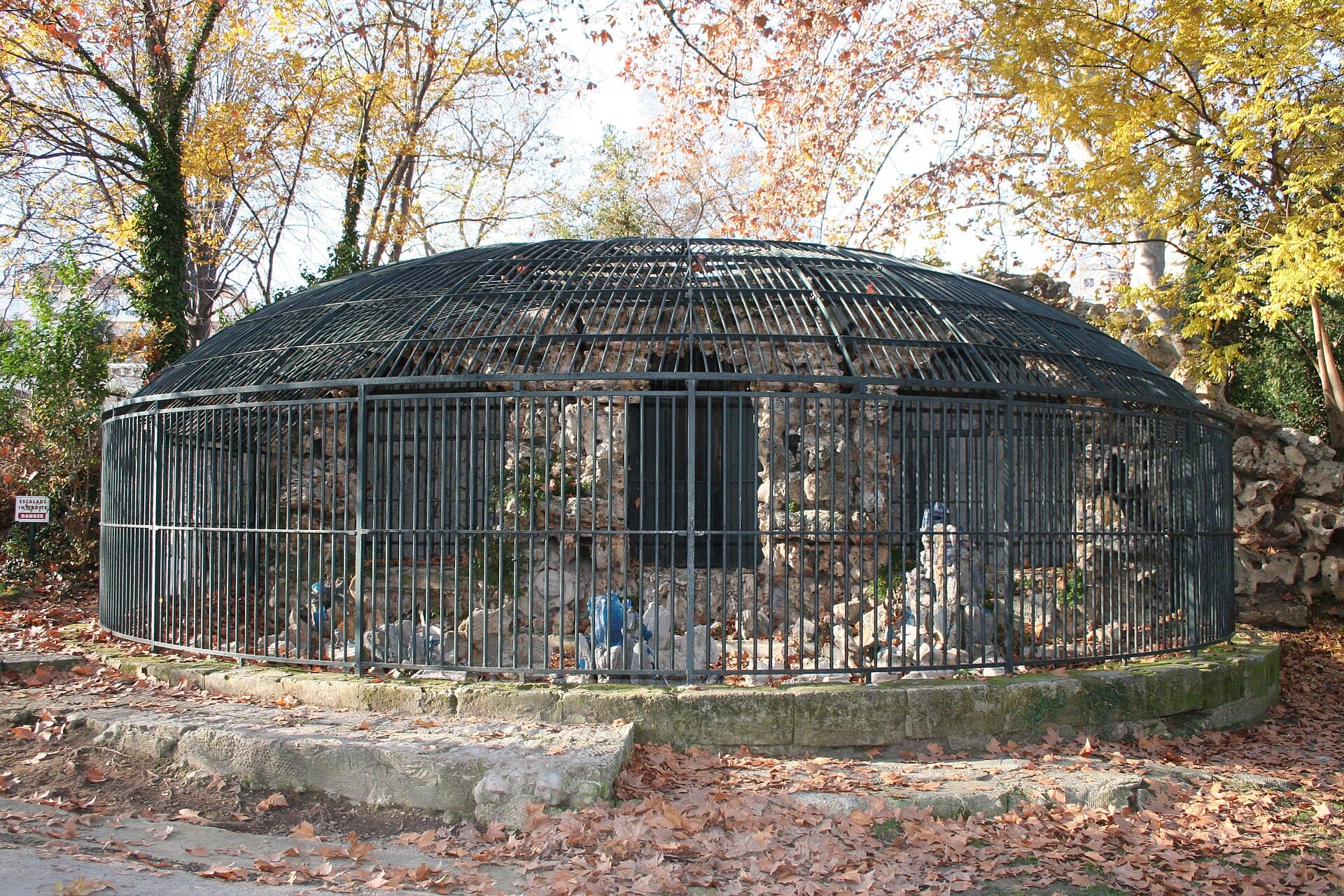 The Abandoned ZooAn abandoned zoo in Longchamp Park in Marseille, opened in 1856 and closed in 192 minutes walk4.4
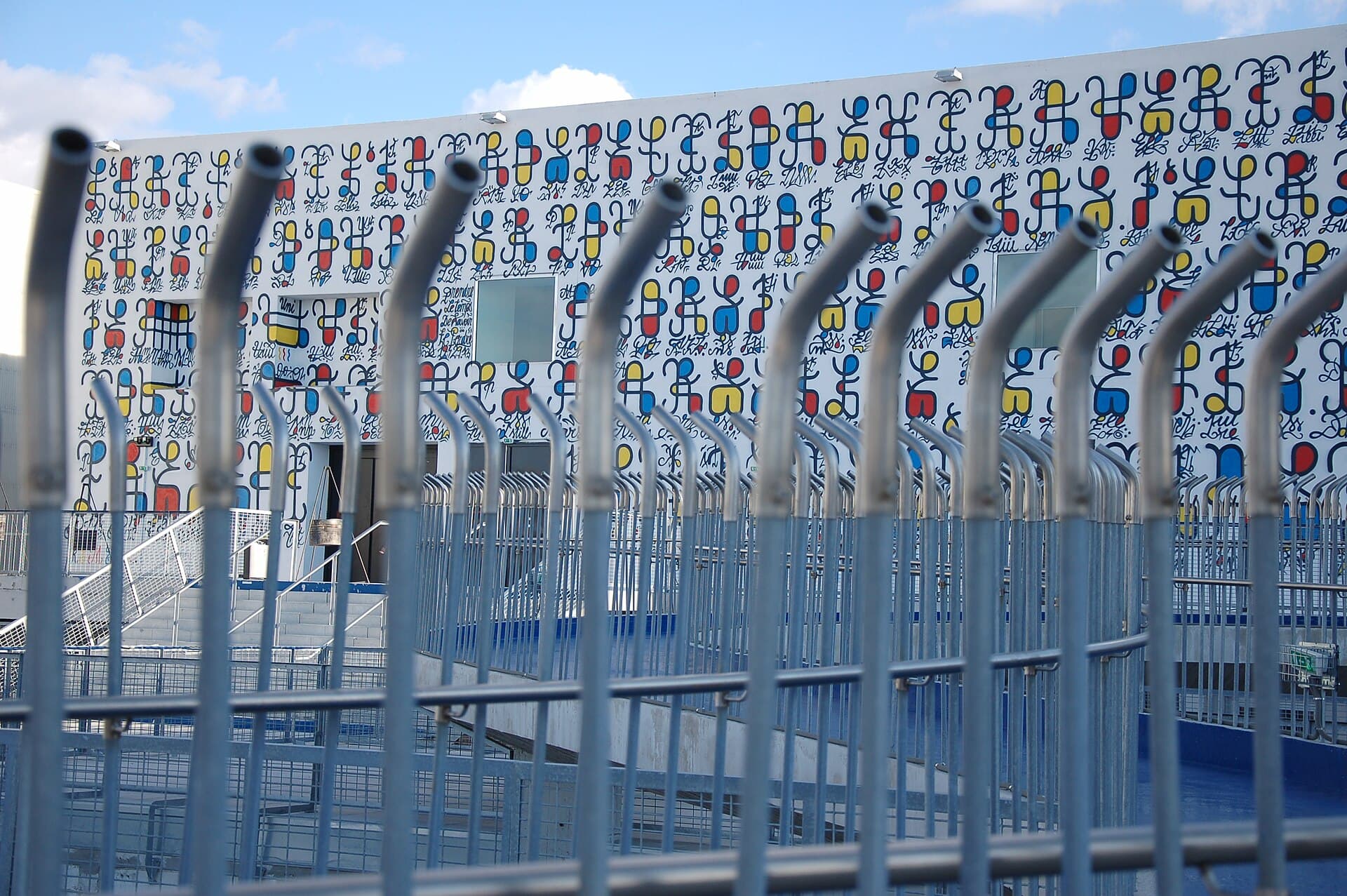 La Friche la Belle de MaiA vast abandoned tobacco factory turned into the largest alternative arts comple9 minutes walk4.3
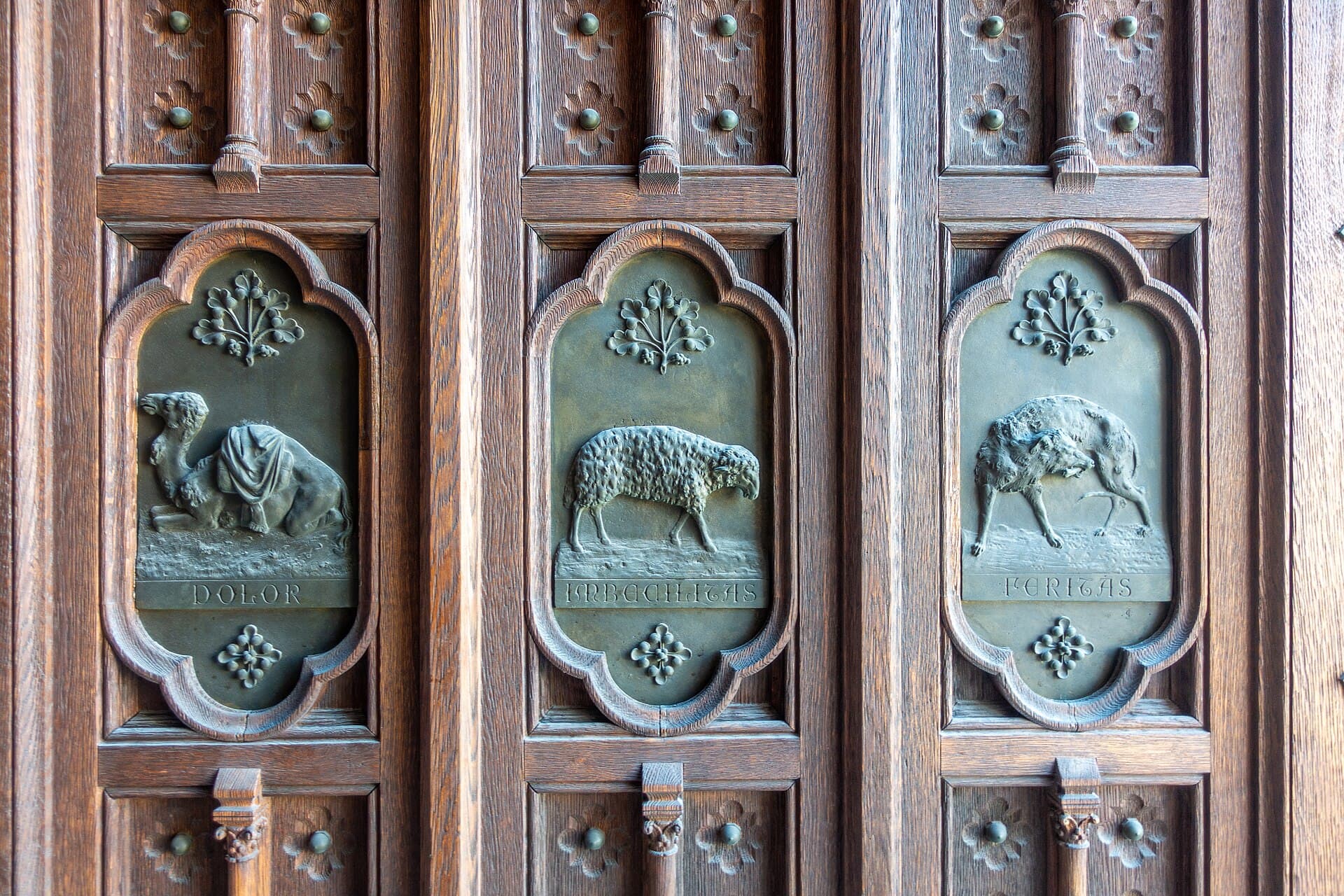 Church of Saint-Vincent-de-PaulA large Gothic Revival church at the top of the Canebière, known locally as les 11 minutes walk4.5
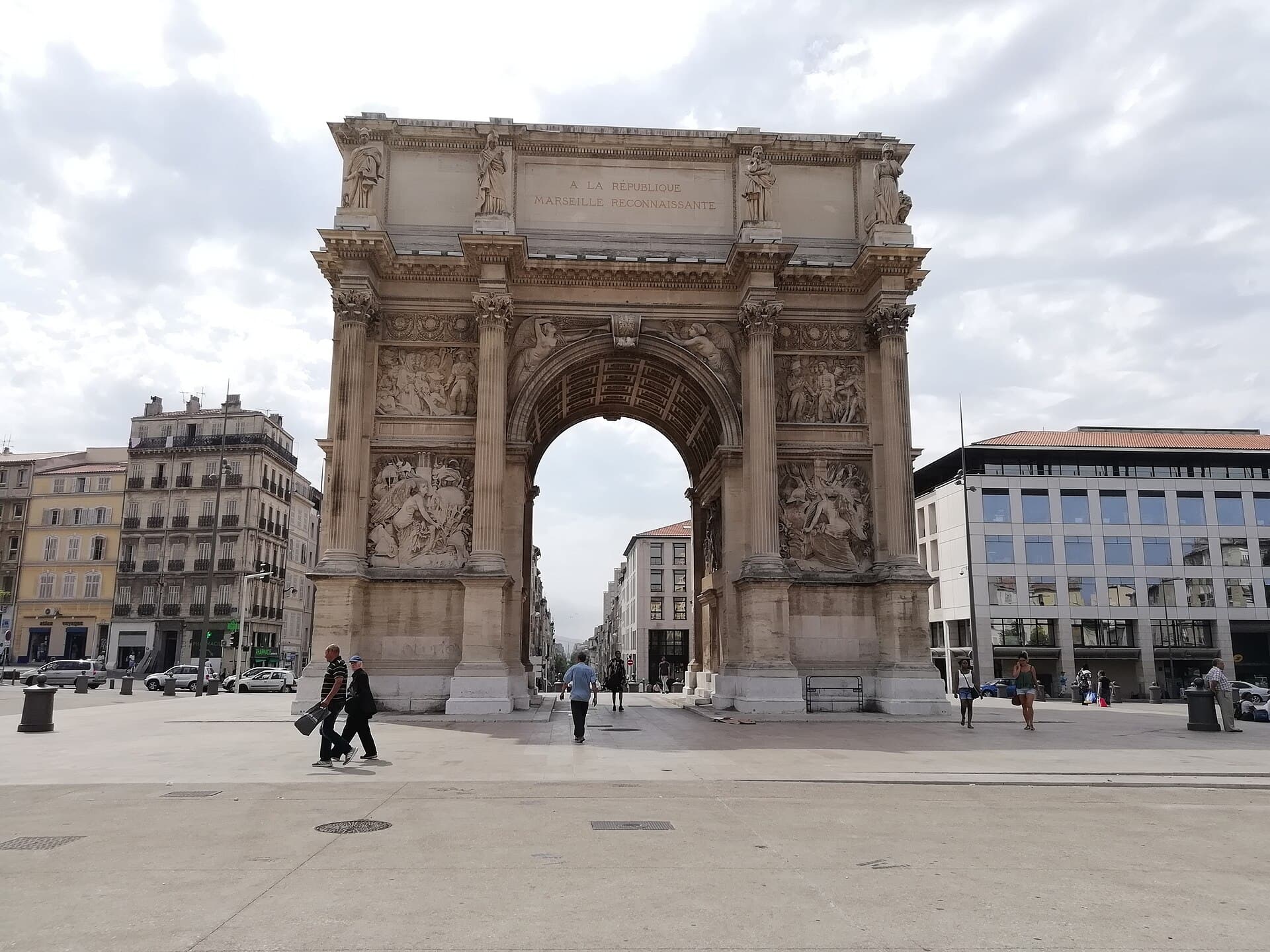 Porte d'AixA full triumphal arch in Marseille: the Porte d'Aix, Roman in manner, raised in 20 minutes walk4.1
It is one of Marseille's better options for them. Mounted animals, large skeletons and fossils work for almost every age, and the modern interactive sections give them something to do rather than only look at. Its biggest advantage is being inside the **Palais Longchamp**: after a gallery or two the children spill out into the gardens, the fountain and the great stairs and run freely. Plan an hour inside then open-ended time in the park, and the visit works.
They share the building on either side of the fountain, and their tickets are separate. The **Musée des Beaux-Arts** in the left wing holds European painting from the sixteenth to the nineteenth century and a room devoted to the Marseillais satirical artist **Honoré Daumier**. If you have come out to Longchamp at all, the logic is to do both: two minutes' walk apart across the steps, and the palace itself justifies the trip.