
The south's arch
Rome in Marseille — Titus manner, eighteen metres.
Houss 2020 — CC BY-SA 4.0 · Bybbisch94, Christian Gebhardt — CC BY-SA 4.0 · Rijksmuseum — CC0 · Zairon — CC BY-SA 4.0
A full triumphal arch in Marseille: the Porte d'Aix, Roman in manner, raised in 1839 at the city's old northern entrance where the historic road to Aix-en-Provence began — eighteen metres high, carved with Empire and Republic battles. Commissioned first to glorify Louis XIV's victories, it was rededicated to Revolutionary and Imperial glories in France's usual way with its symbols — its reliefs and figures by the age's leading sculptors, David d'Angers among them. It stands today in Place Jules Guesde at the edge of Marseille's northern popular quarters, restored and lit at night — a ten-minute photo station for those passing between Saint-Charles station and the port rather than a destination, and a witness to Marseille as France's historic southern gate.
Rome in Marseille — Titus manner, eighteen metres.
Revolution and Empire by their era's master chisels.
Where Marseille's historic road to upper Provence began.
Place Jules Guesde, 13003 Marseille
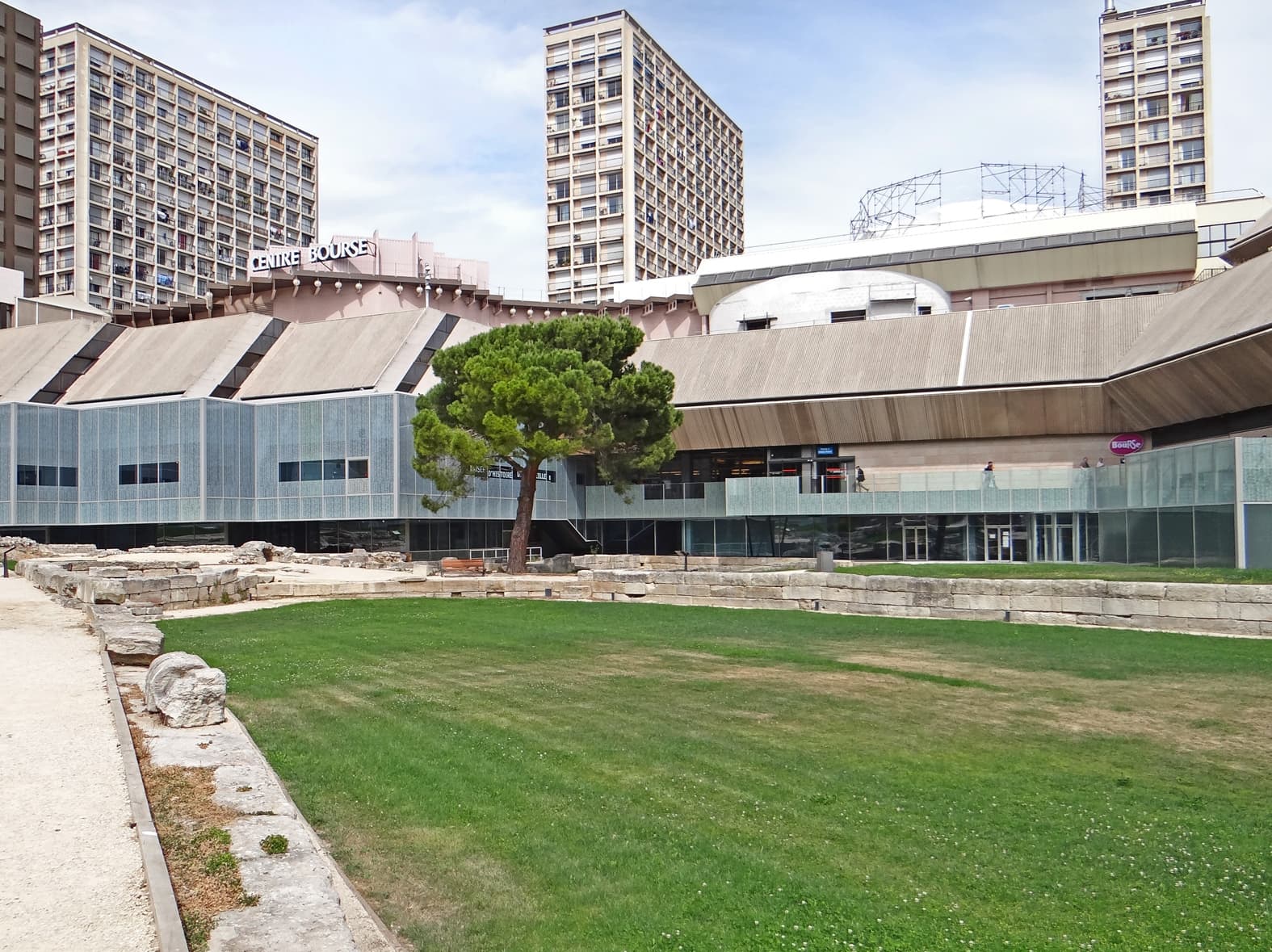 Marseille History MuseumMarseille is France's oldest city — Greek sailors founded it as Massalia twenty-6 minutes walk4.4
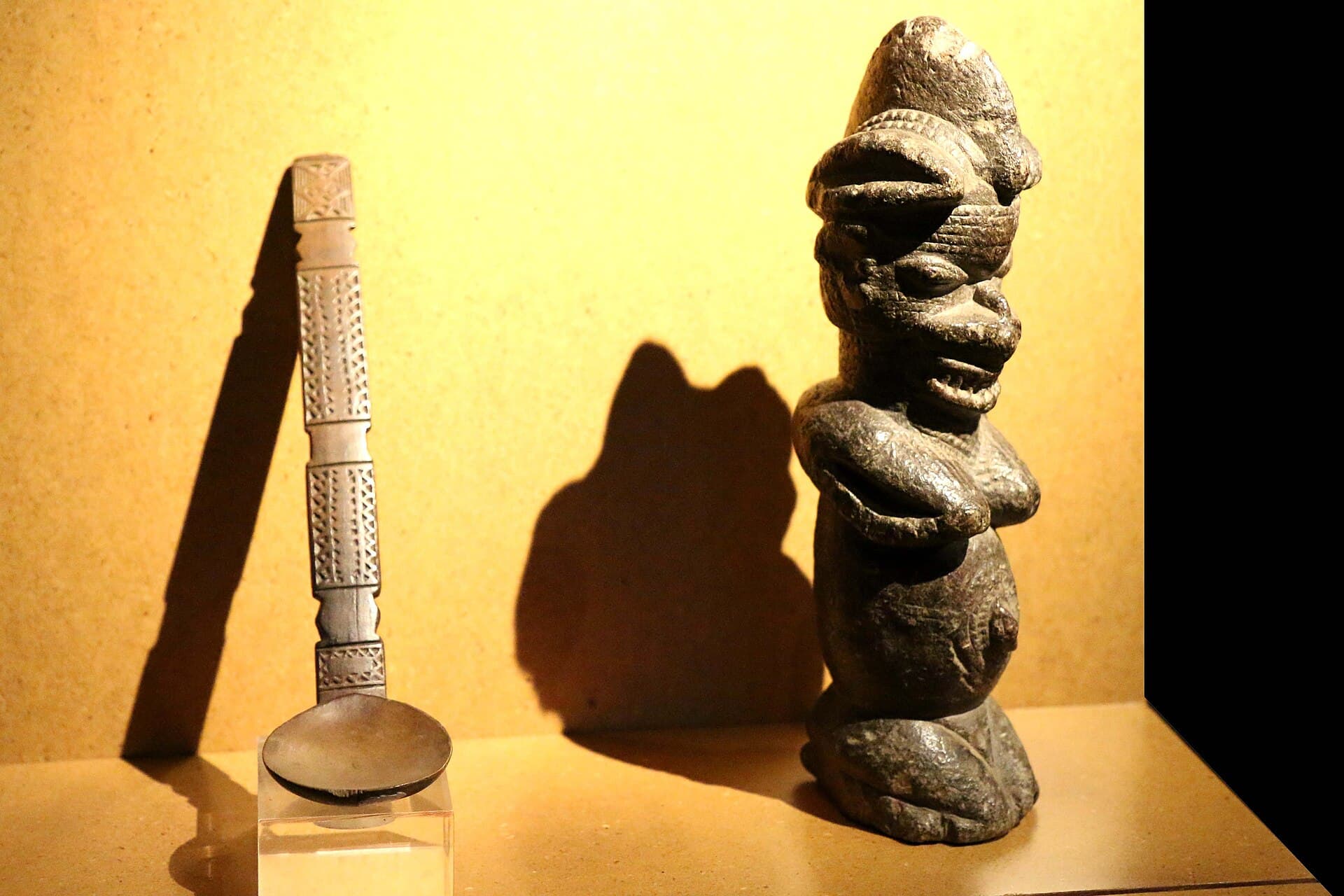 Museum of African, Oceanian and Amerindian ArtsA museum on the second floor of the Vieille Charité showing the arts of Africa, 7 minutes walk4.0
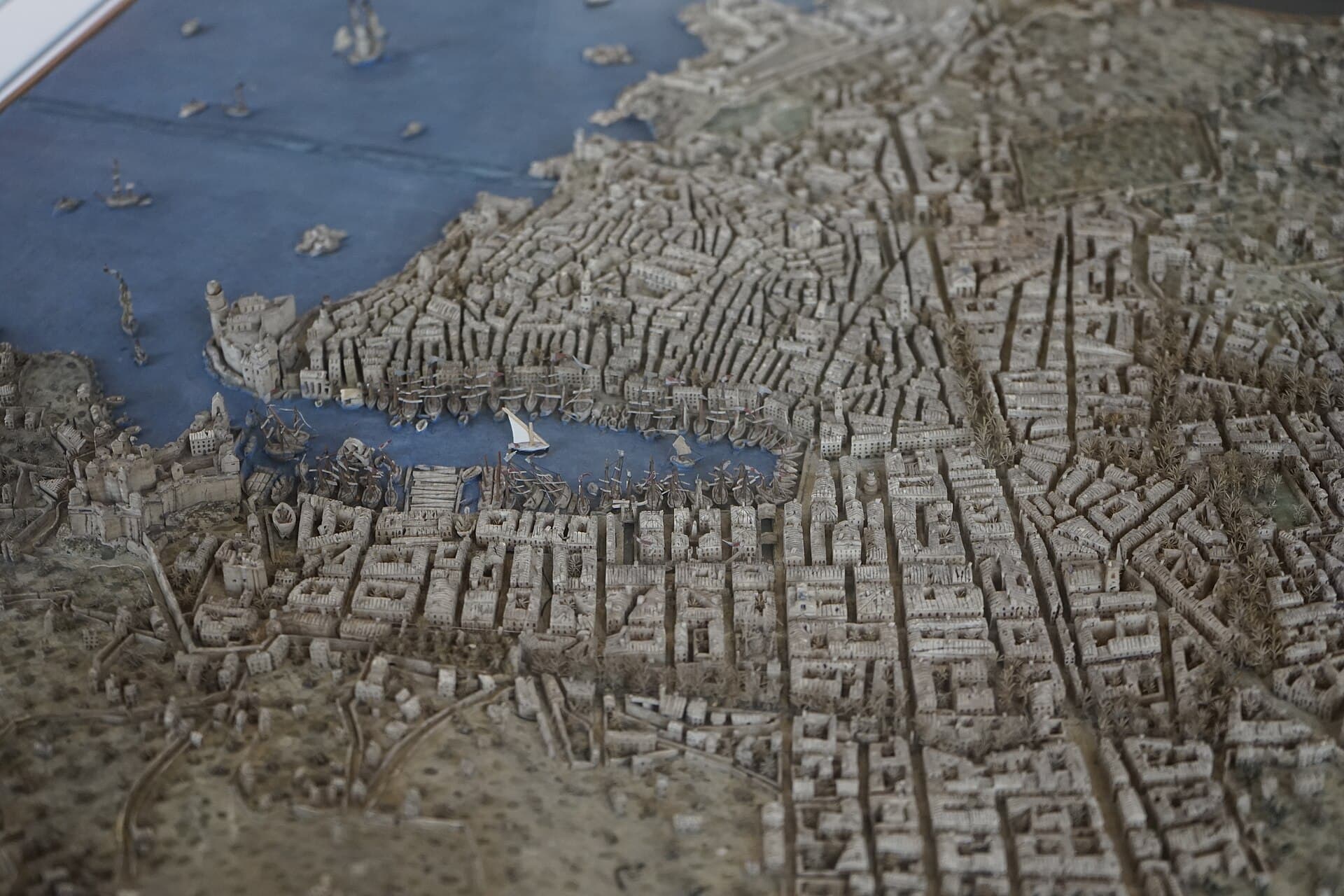 Museum of Mediterranean ArchaeologyAn archaeology museum inside the Vieille Charité building in the Le Panier quart7 minutes walk4.4
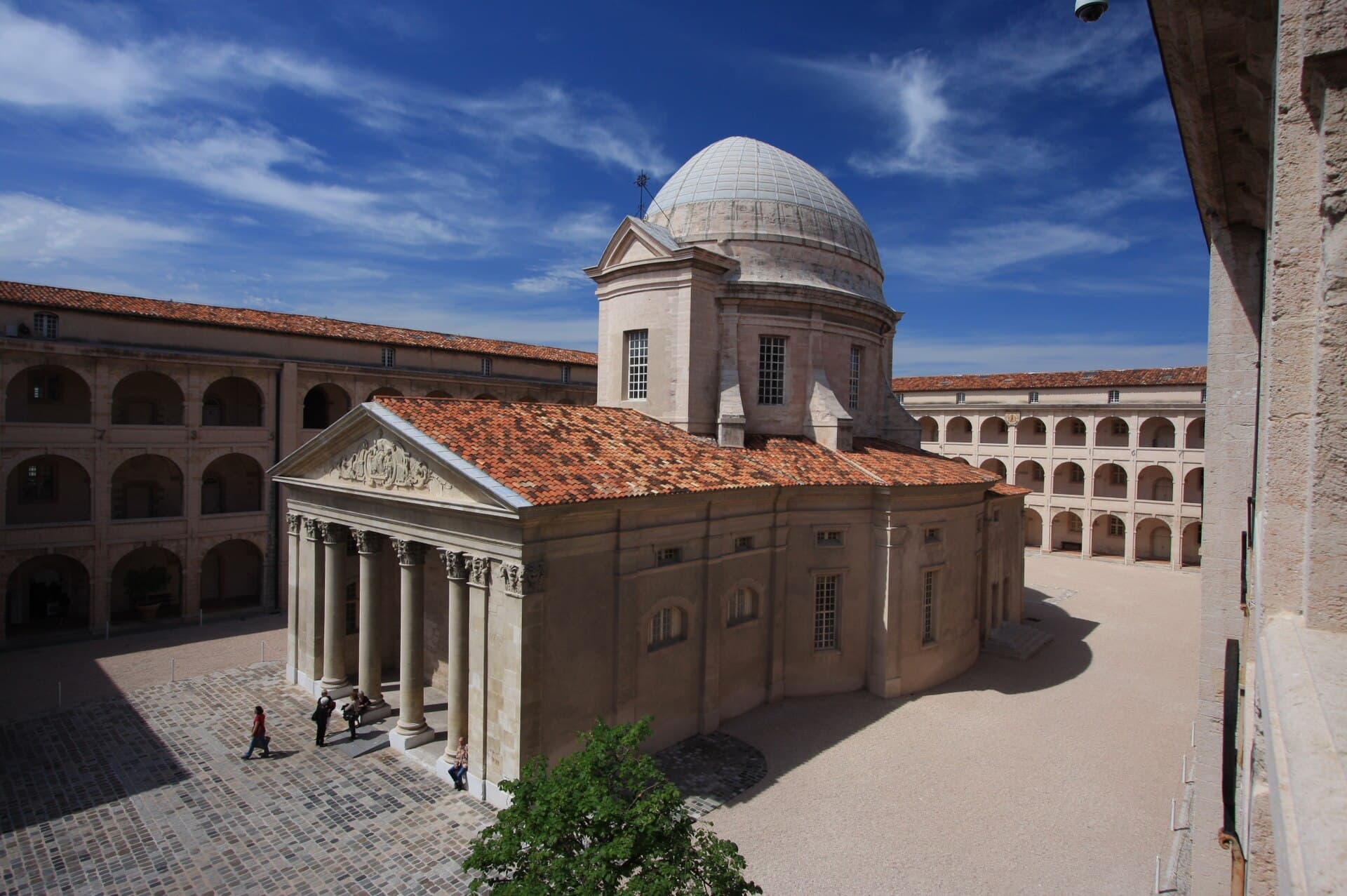 Vieille CharitéHidden in the heart of the old Panier quarter is Marseille's finest Baroque buil7 minutes walk4.4
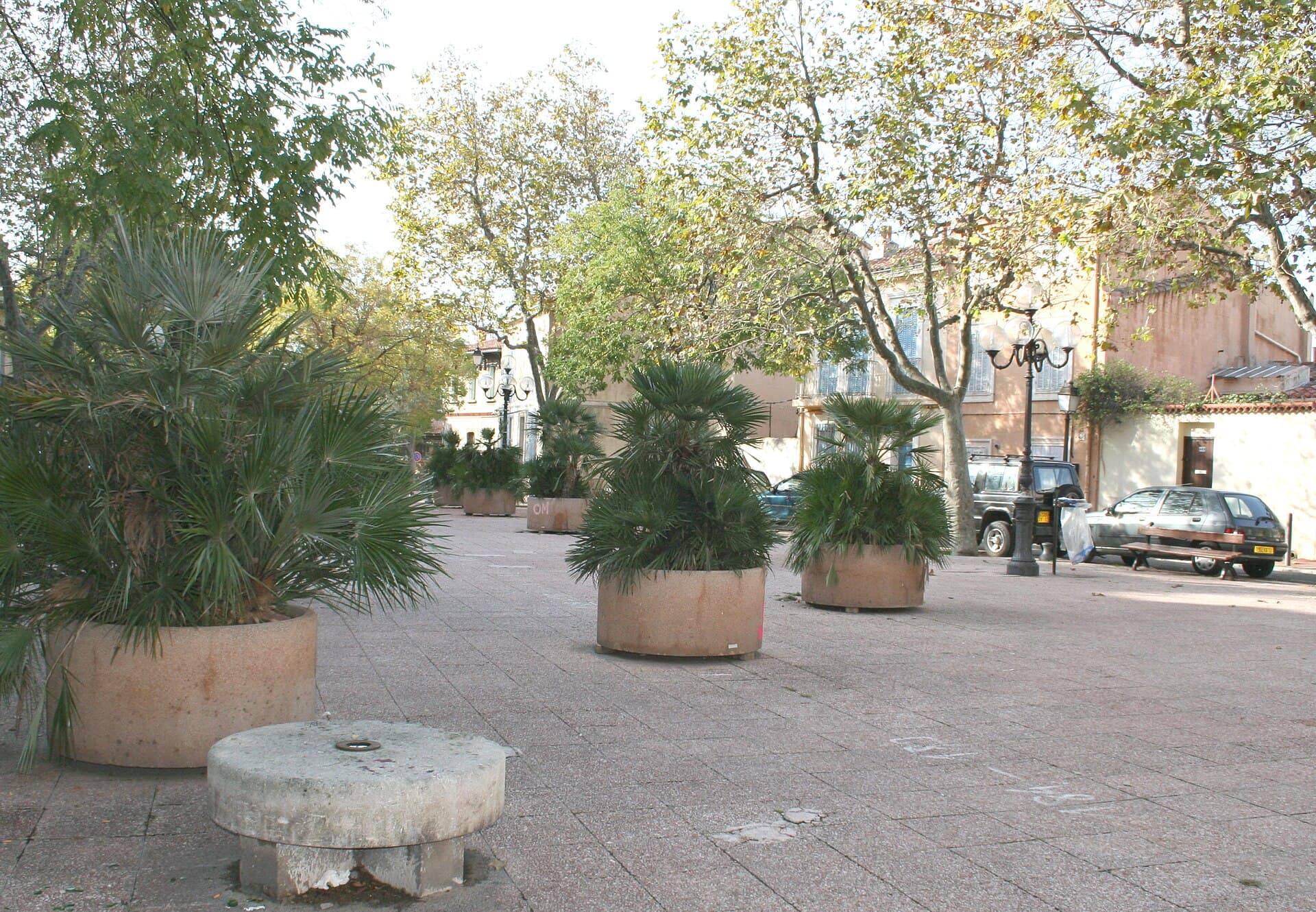 The Square of the MillsA small tree-shaded square at the highest point of Le Panier, Marseille's oldest8 minutes walk4.2
By day an entirely ordinary crossing in a lively popular quarter — market, motion, people. As around any big-city station: mind belongings and skip the midnight detour. The photo takes minutes regardless.
This was the city's great landward gate: kings, armies and Paris arrivals entered here via Aix, so Marseille set its arch where it greeted France — before the city swallowed its walls and left the arch a traffic island.
Arriving by train, it roughly lines your walk down to the port via Rue de la République — a three-minute bend. Otherwise, knowing it exists suffices; Marseille crowds with weightier things.