
Orientalist buildings
Nineteenth-century animal houses with columns and ornament.
Georges Seguin (Okki) — CC BY-SA 3.0 · Georges Seguin (Okki) — CC BY-SA 3.0 · Zairon — CC BY-SA 4.0 · Zairon — CC BY-SA 4.0
An abandoned zoo in Longchamp Park in Marseille, opened in 1856 and closed in 1987, its cages and buildings left in place inside an open public park. What makes the place strange and affecting is exactly that: you walk through an ordinary park with children and benches and come upon empty cages and nineteenth-century animal houses in an orientalist style with columns, grass growing through them. Stone animal figures also survive on the entrances — elephants and lions — indicating what was once held behind them. The zoo's closure in 1987 came within a European wave of reconsidering old zoos: narrow cages and conditions unacceptable by modern animal welfare standards. The site today is part of the public Longchamp Park, standing behind the Palais Longchamp which holds the fine arts and natural history museums. A public space, free to enter.
Nineteenth-century animal houses with columns and ornament.
Stone elephants and lions indicating what was behind them.
Within a European wave that ended the old zoos.
Longchamp Park, behind the palace
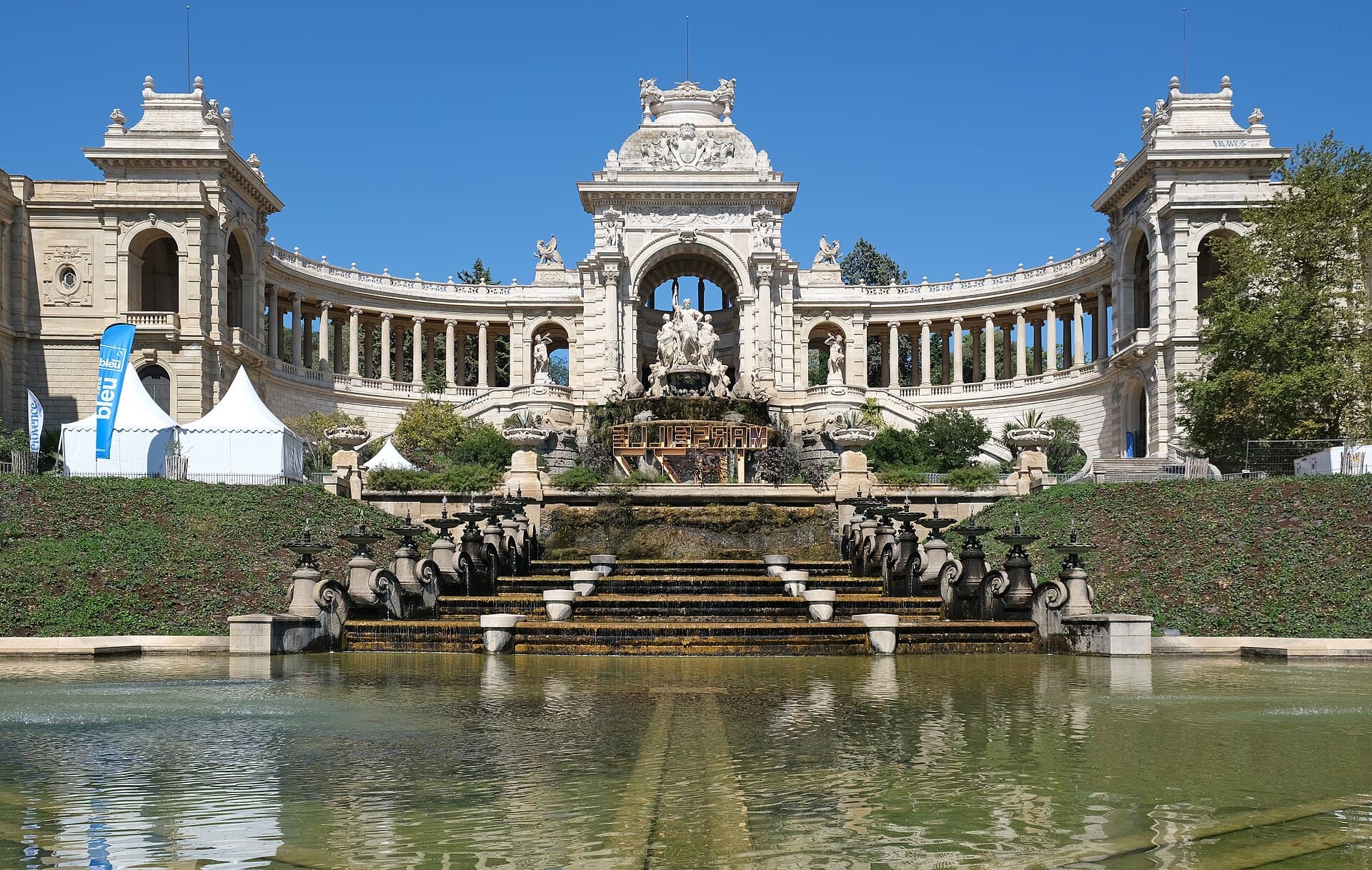 Palais LongchampThe Palais Longchamp is a monument built in celebration of water: in the ninetee2 minutes walk4.7
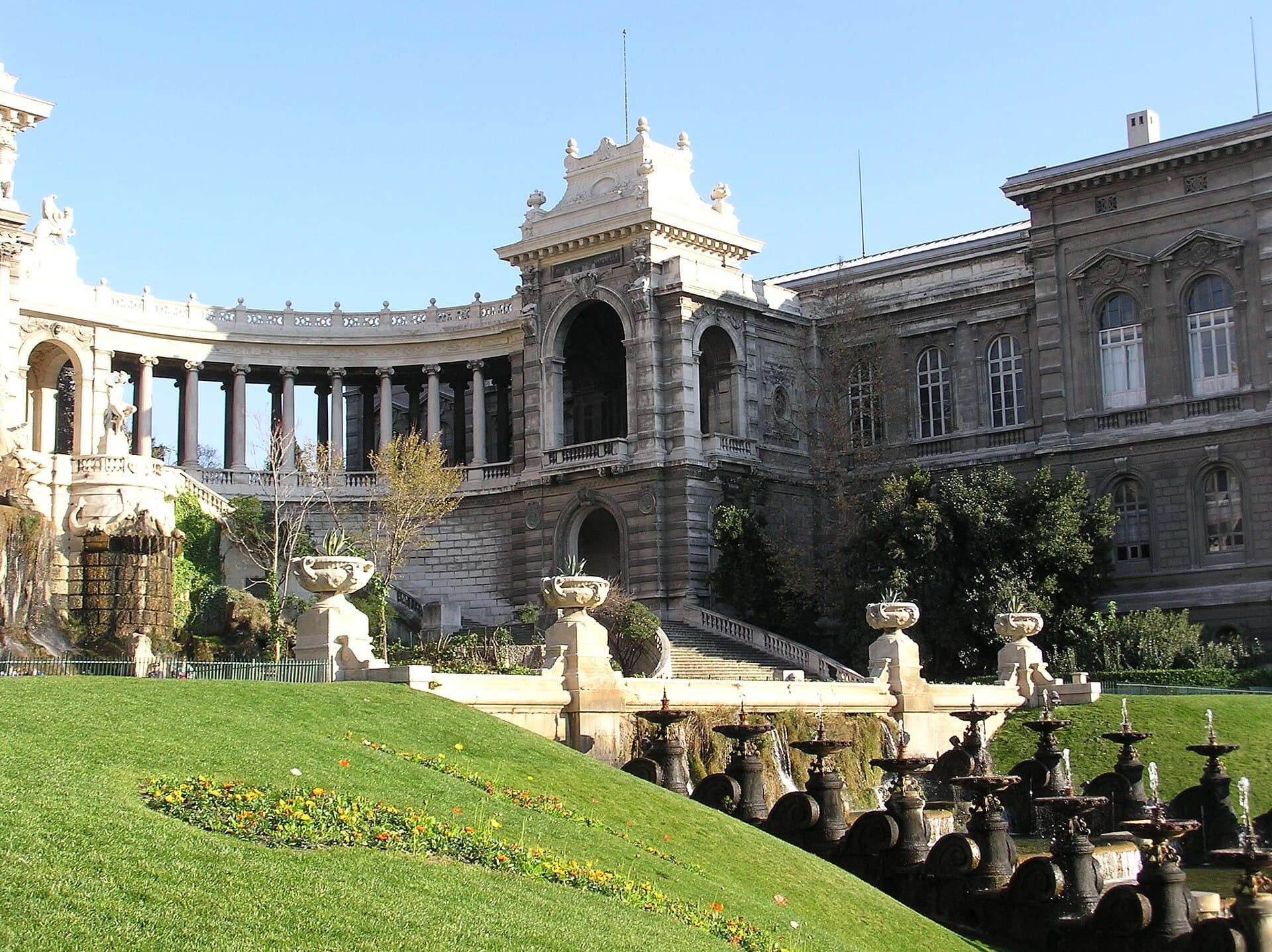 Natural History MuseumThis museum occupies the **right** wing of the Palais Longchamp, the vast ninete2 minutes walk4.4
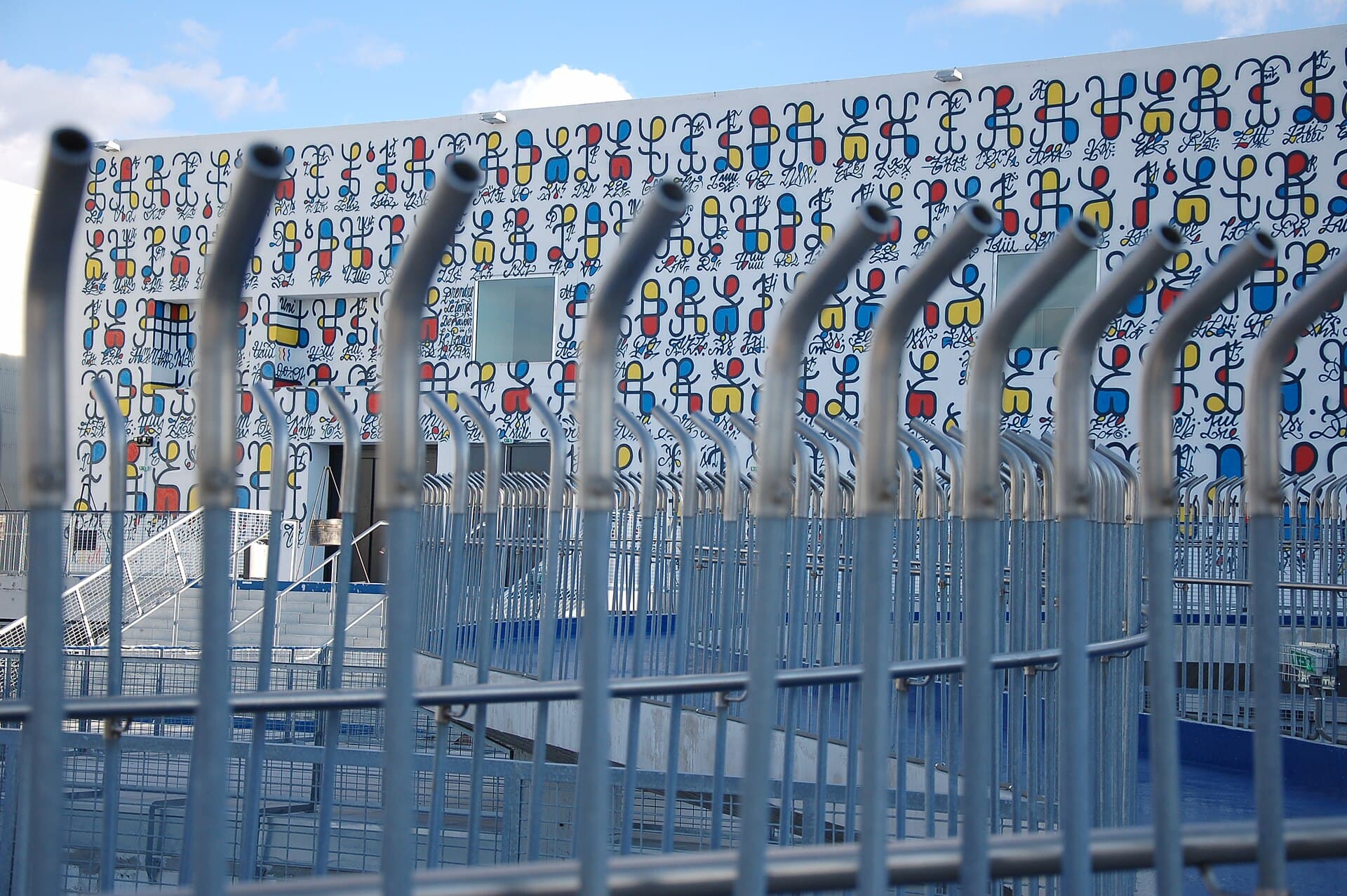 La Friche la Belle de MaiA vast abandoned tobacco factory turned into the largest alternative arts comple8 minutes walk4.3
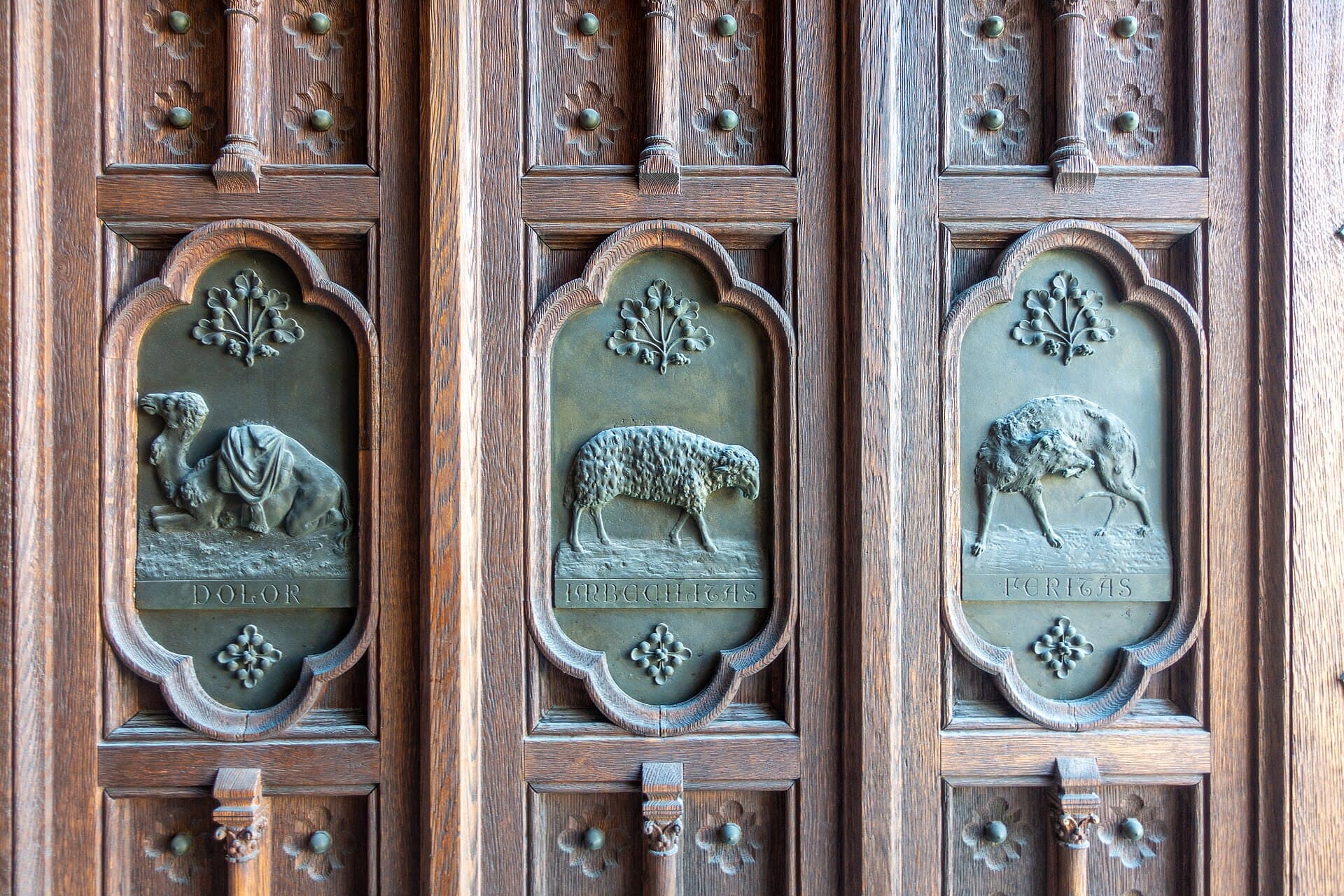 Church of Saint-Vincent-de-PaulA large Gothic Revival church at the top of the Canebière, known locally as les 13 minutes walk4.5
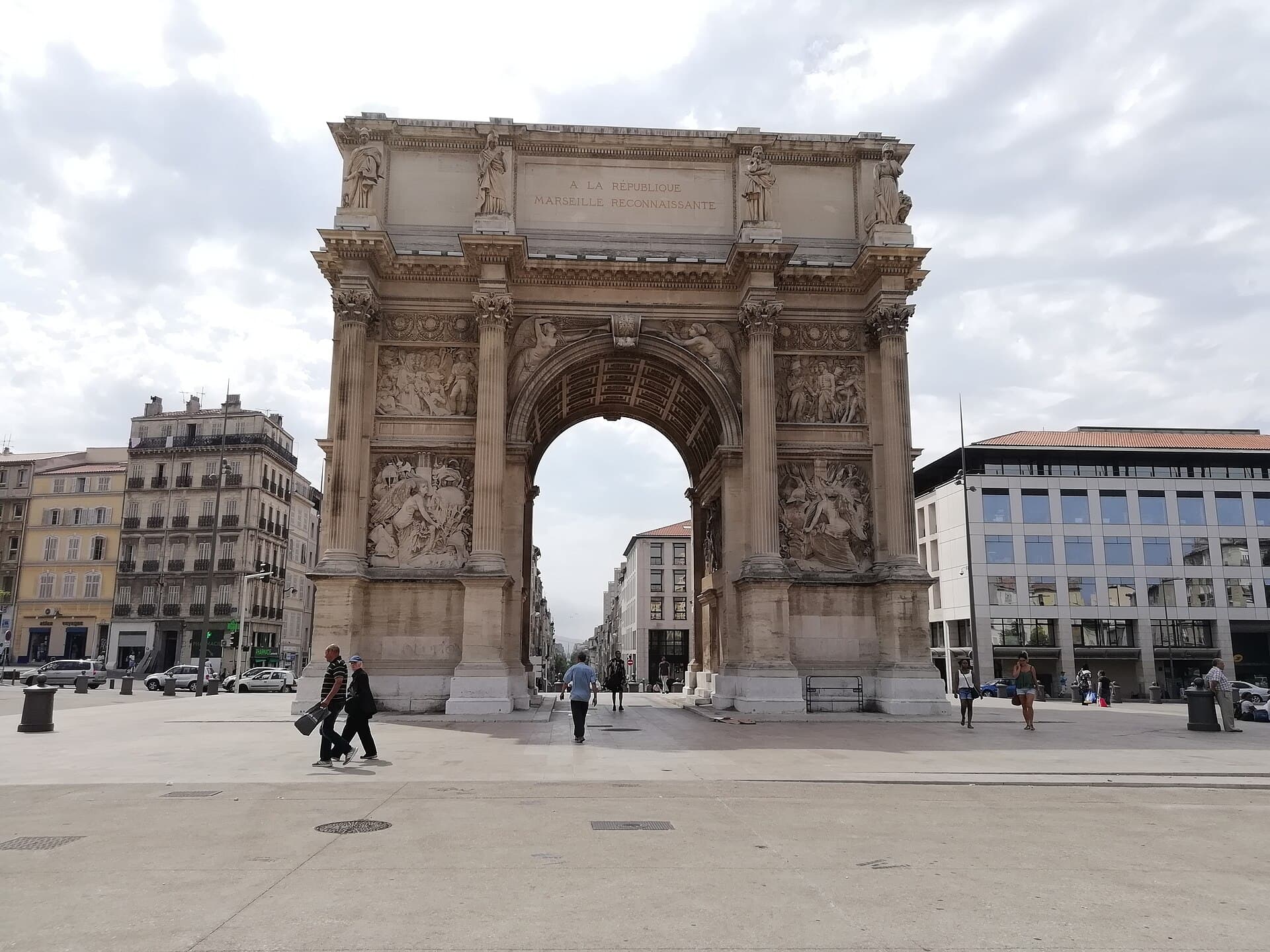 Porte d'AixA full triumphal arch in Marseille: the Porte d'Aix, Roman in manner, raised in 22 minutes walk4.1
A vast building opened in 1869, not as a palace but to celebrate the arrival of water in Marseille: a canal was built from the Durance river after cholera epidemics struck the city through scarce and poor water. The palace celebrates that — a huge central fountain representing the river, with two wings holding the fine arts and natural history museums. That a fountain of such grandeur was built for drinking water says something about what water means in a Mediterranean city.
No conventional zoo inside the city. But there are living alternatives: a bird garden and educational animal farms in the region, and more importantly the Calanques National Park on the city's edge — white limestone inlets dropping to turquoise sea, with genuine marine and land wildlife. It is reached by boat or a hard walk, and is the best thing around Marseille.