
The thick walls
Purely defensive, with narrow windows.
Ввласенко — CC BY-SA 3.0 · This photography was created by Artem Topchiy (user Art-top). Other photos see here This photograph was taken with a Canon PowerShot S2 IS — CC BY-SA 3.0 · Viktar Palstsiuk — CC BY-SA 4.0 · Sunolafjagtenben-hur — CC0
The Fünfeckturm is the oldest standing building in Nuremberg: it dates from around 1040, which is before the city's own first written mention in 1050. It stands within the castle complex in the part known as the Burgrave's Castle — the older section that preceded the Imperial Castle. Its name is slightly misleading: its cross-section is not truly pentagonal but square with a chamfered corner, giving it five apparent sides. The walls are very thick and the windows narrow, a purely defensive design from a time when towers were a last refuge rather than dwellings. The complex was damaged in the war and restored. The tower itself is not open to free visiting but is seen from the castle courtyard, and it stands beside the Emperor's Stables, which today hold a youth hostel and the castle museum. For anyone visiting the castle it is a stop of a few minutes — and knowing it is the oldest thing standing in the city changes how you look at it.
Purely defensive, with narrow windows.
The older part preceding the Imperial Castle.
Auf der Burg, 90403 Nuremberg
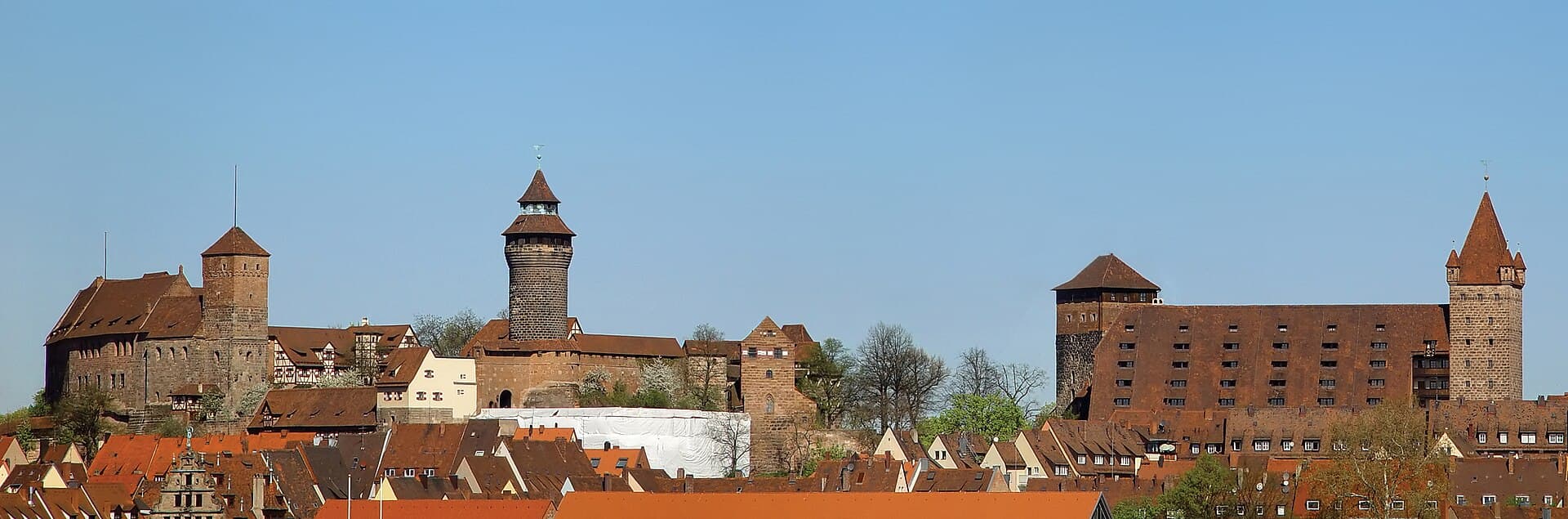 Nuremberg CastleNuremberg Castle stands on a rock above the old town and is among the most impor1 minute walk4.7
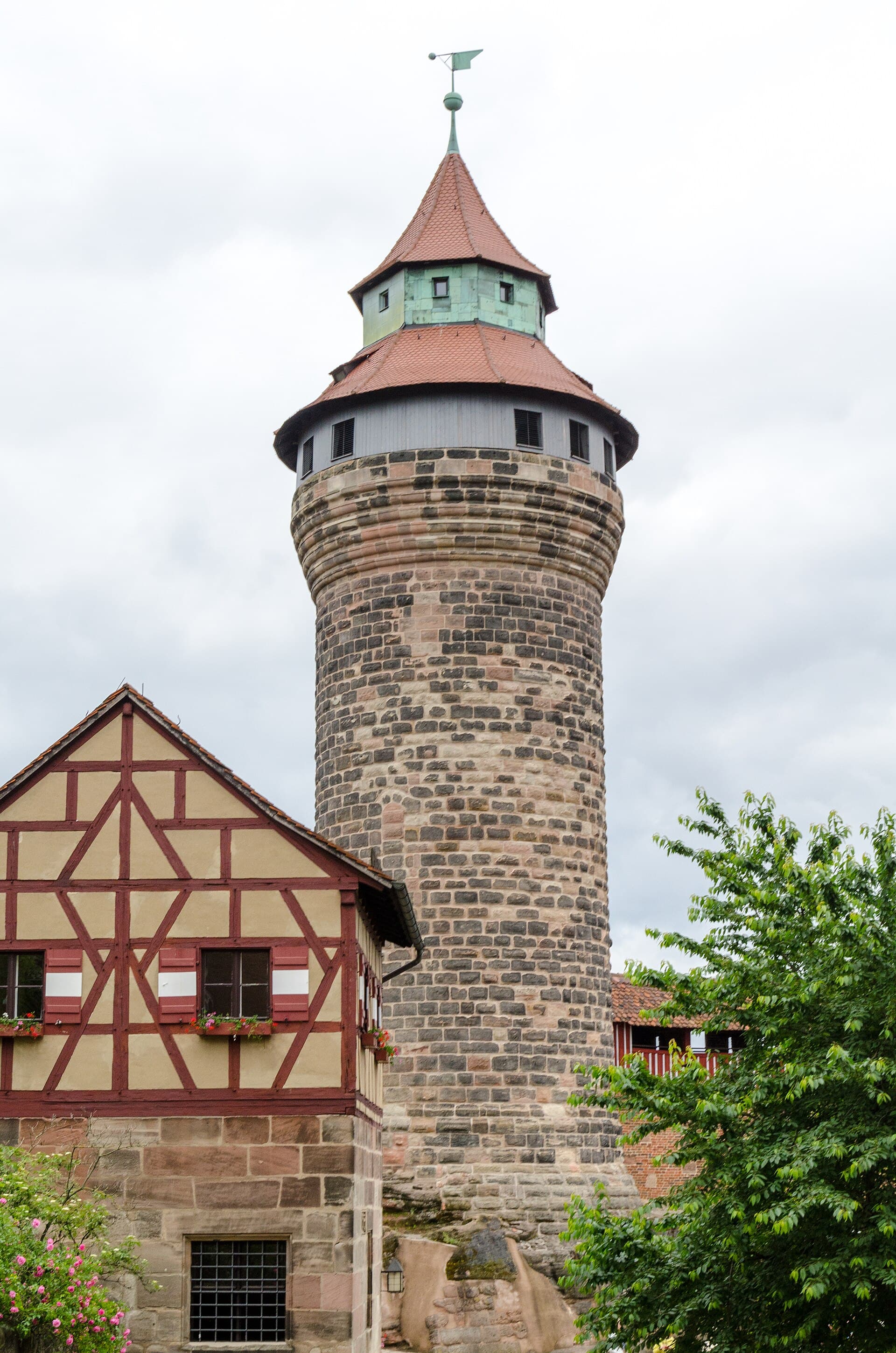 Sinwell TowerThe Sinwell Tower is the great round tower of Nuremberg Castle, and the highest 2 minutes walk4.9
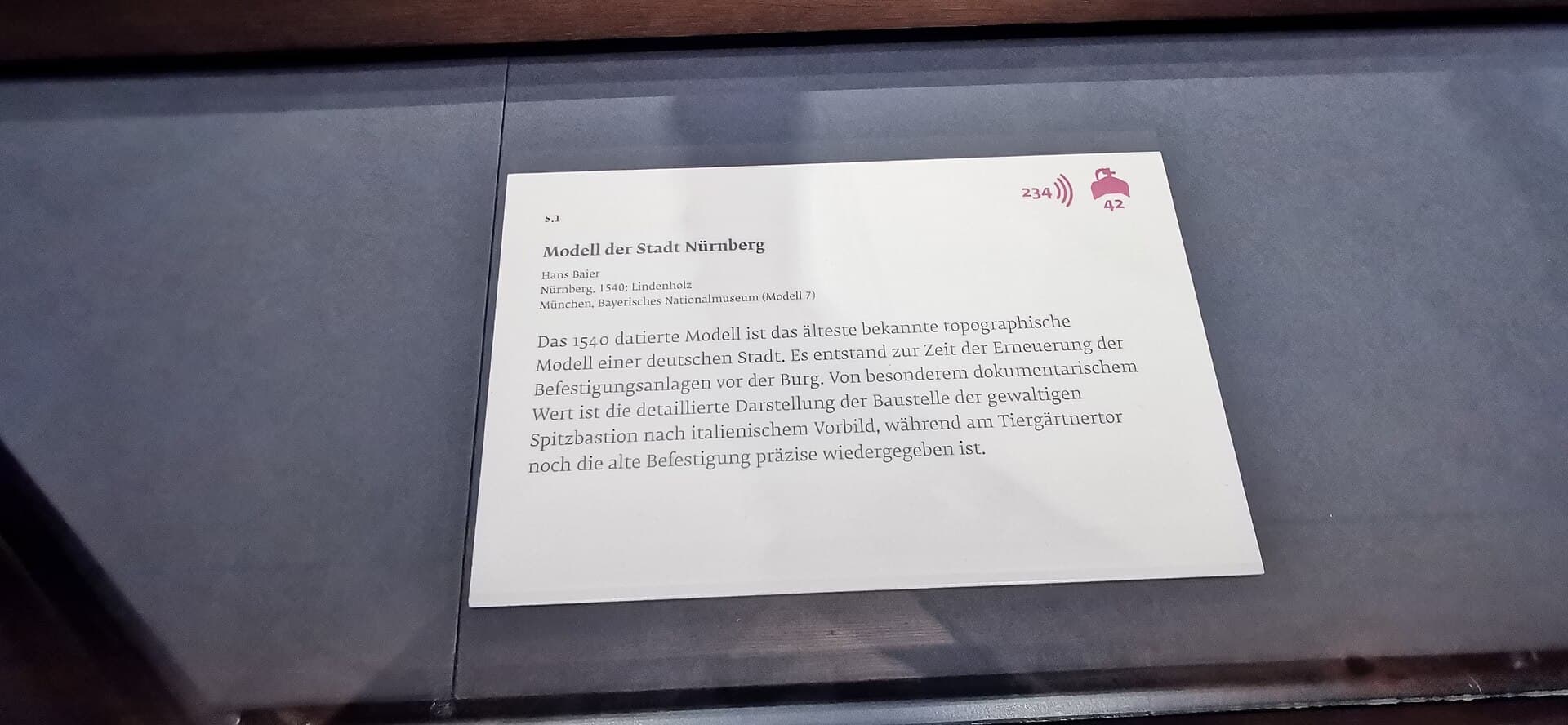 The Imperial Castle MuseumThe Imperial Castle Museum sits inside the Imperial Stables within Nuremberg's c2 minutes walk4.6
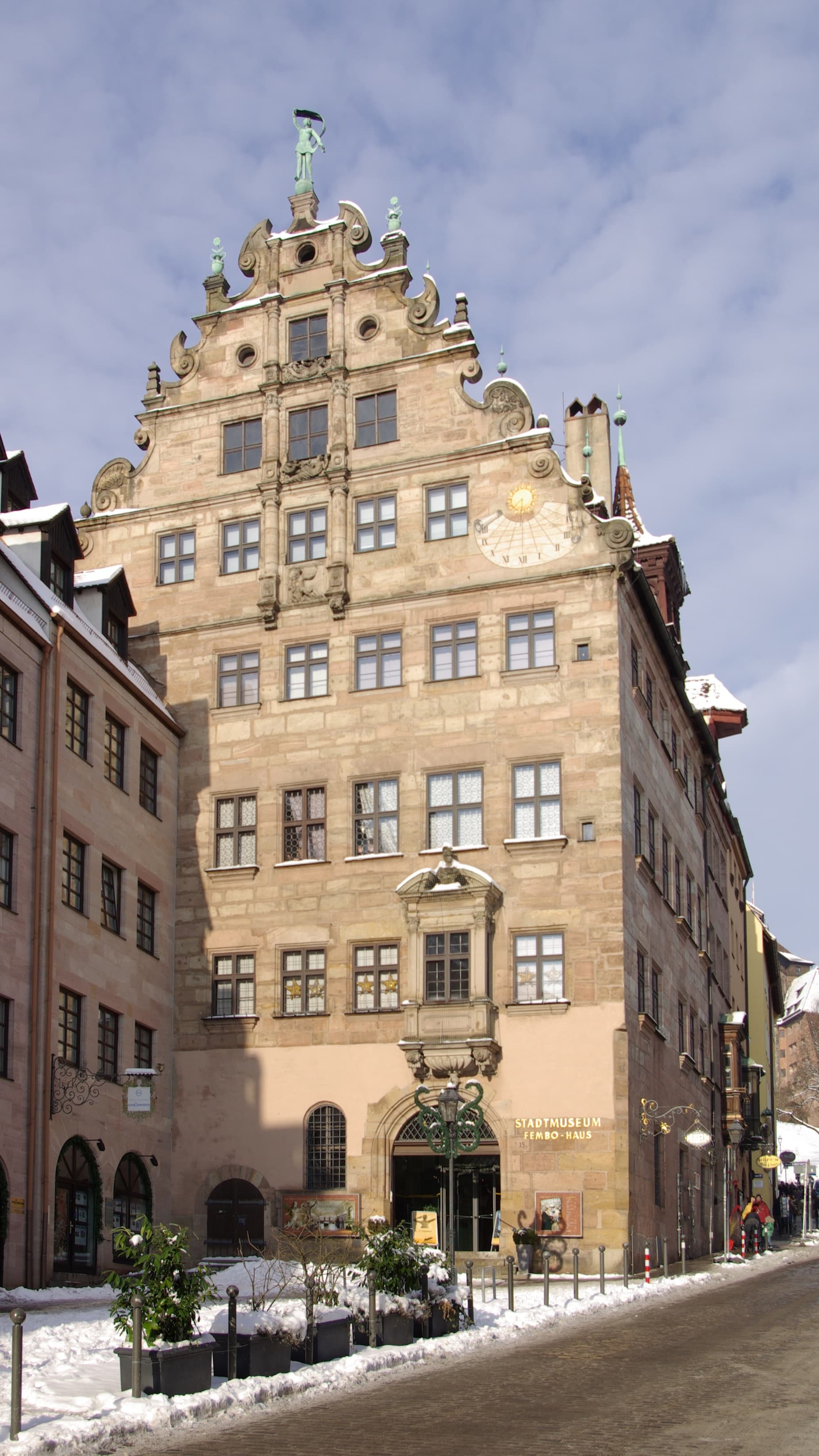 Fembo House City MuseumThe Fembo House is a merchant's house from the late sixteenth century, and the o2 minutes walk4.4
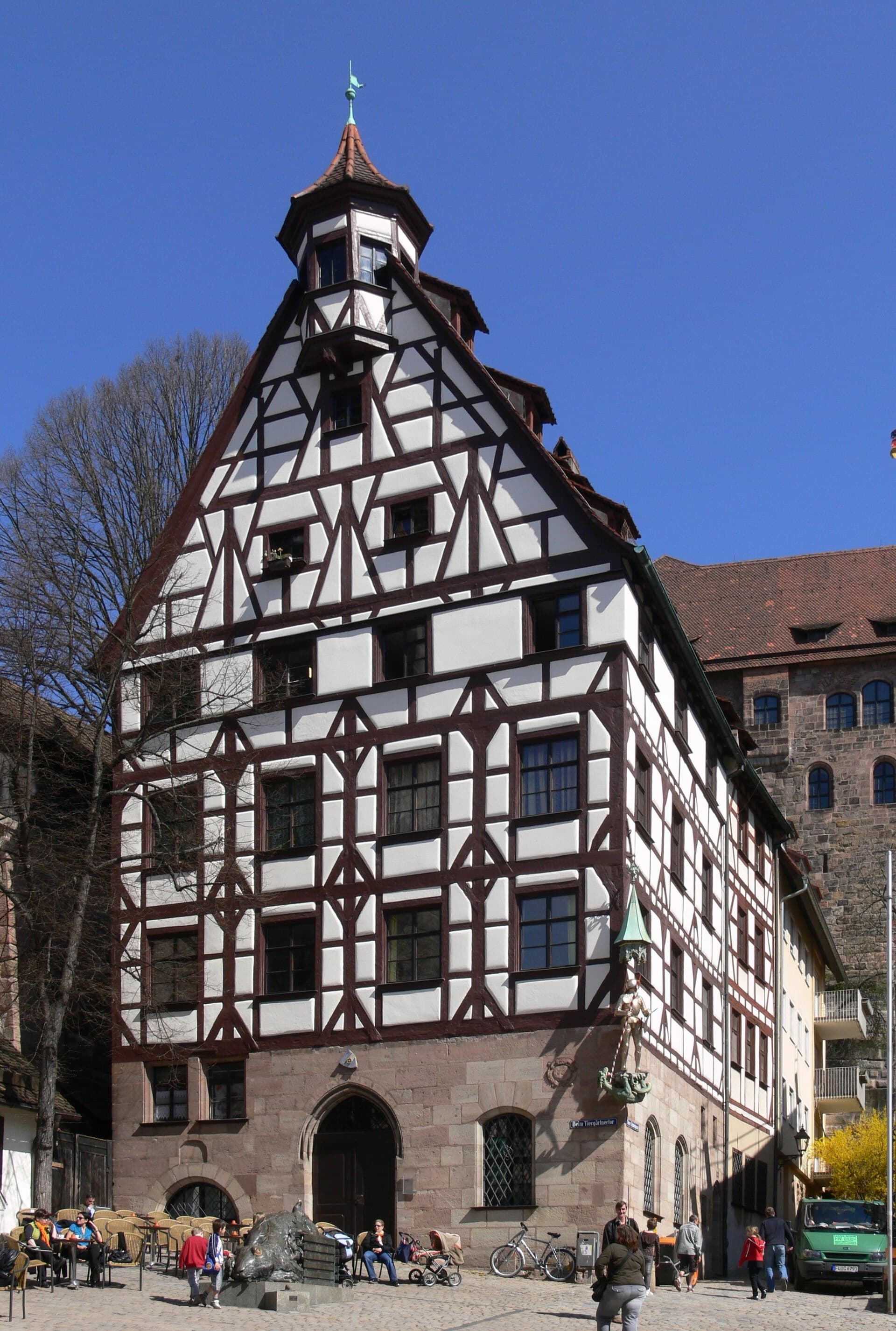 PilatushausA late Gothic house of fourteen eighty-nine on the corner of the square below th3 minutes walk4.9
The Burgrave was an imperial official appointed by the emperor to administer the castle and district on his behalf and exercise judicial authority. In Nuremberg a long tension developed between the Burgrave and the city council, which wanted independence, ending when the city bought out the Burgrave's rights in 1427 — Nuremberg literally purchased its independence. His castle burned in an earlier conflict and only fragments remain, this tower among them.