
The regalia
Replicas of the imperial crown, sceptre and sword.
Mateus2019 — CC BY-SA 3.0 · Mateus2019 — CC BY-SA 3.0 · Mateus2019 — CC BY-SA 3.0
The Imperial Castle Museum sits inside the Imperial Stables within Nuremberg's castle complex, and it explains what this castle specifically means in German history: it was not the seat of a single ruling family but the castle of the empire itself, where every Holy Roman Emperor between the eleventh and sixteenth centuries stayed. That explains Nuremberg's position in German history: a free imperial city answering not to a regional prince but directly to the emperor, and it held the imperial regalia — the crown, sceptre and sword — for more than four hundred years. The exhibition shows replicas of them and explains how that strange political arrangement worked. The second section is technical: how the castle was built and defended — armament, fortification and siege, with models explaining the development of defensive architecture. The ticket is usually combined with other parts of the castle including the deep well and the round tower, which are what most visitors come for.
Replicas of the imperial crown, sceptre and sword.
Models explaining fortification and siege.
Auf der Burg 13, 90403 Nuremberg
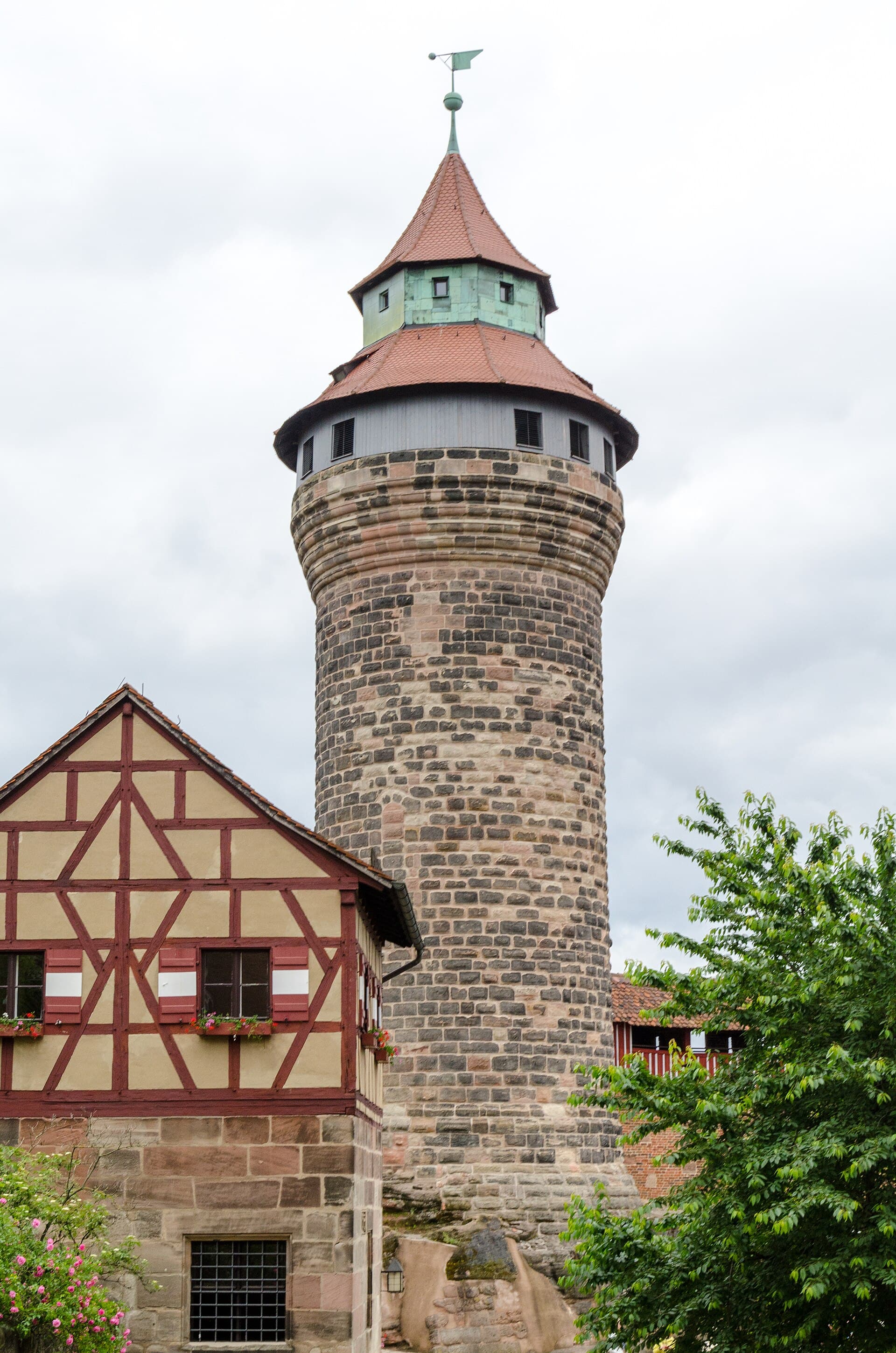 Sinwell TowerThe Sinwell Tower is the great round tower of Nuremberg Castle, and the highest 1 minute walk4.9
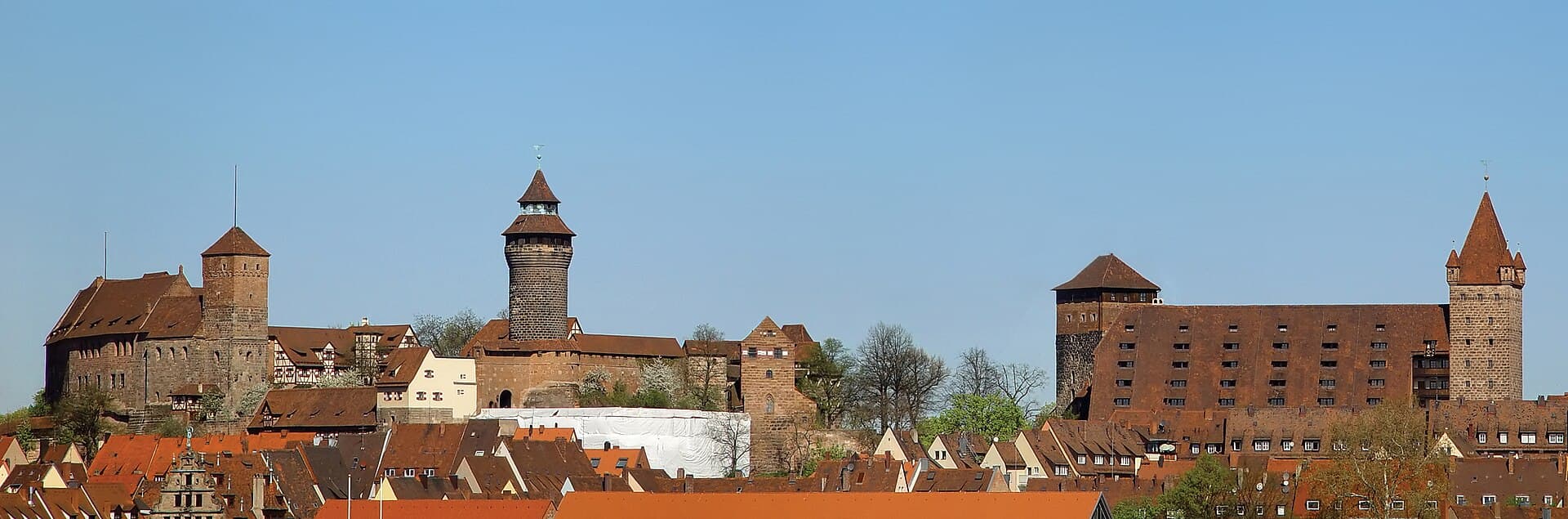 Nuremberg CastleNuremberg Castle stands on a rock above the old town and is among the most impor1 minute walk4.7
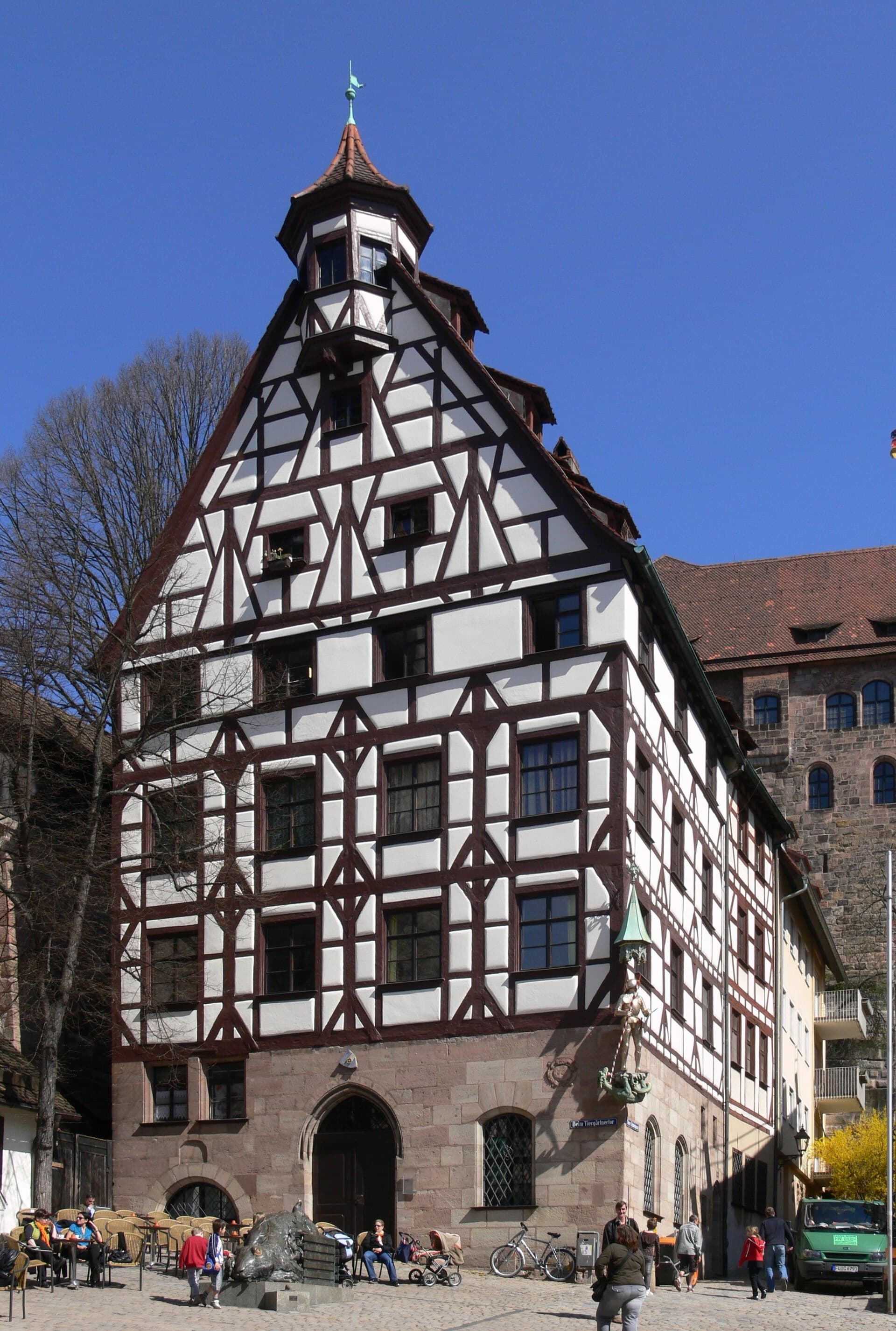 PilatushausA late Gothic house of fourteen eighty-nine on the corner of the square below th1 minute walk4.9
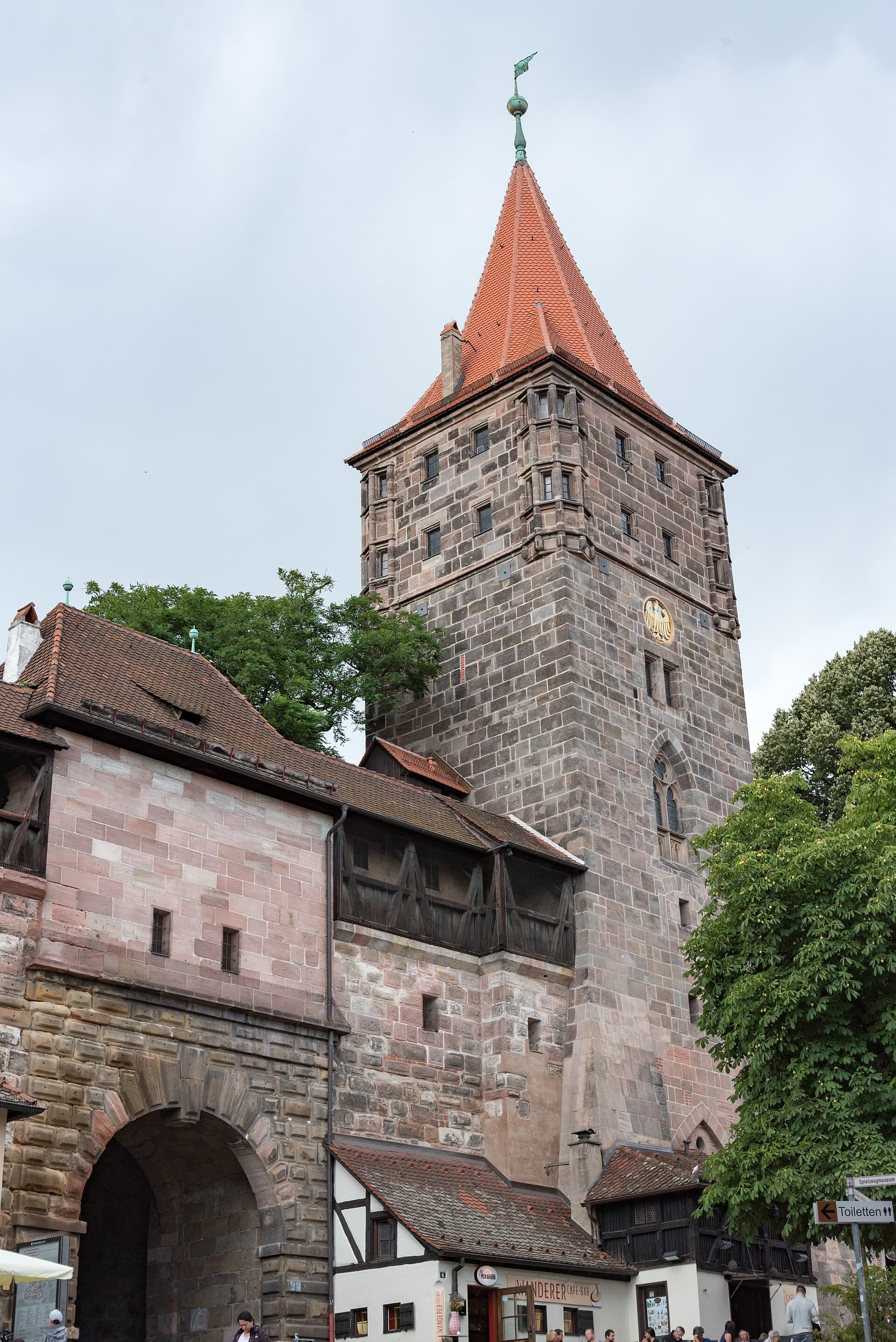 TiergartnertorplatzTiergärtnertorplatz is among Nuremberg's finest and most visually complete squar1 minute walk4.6
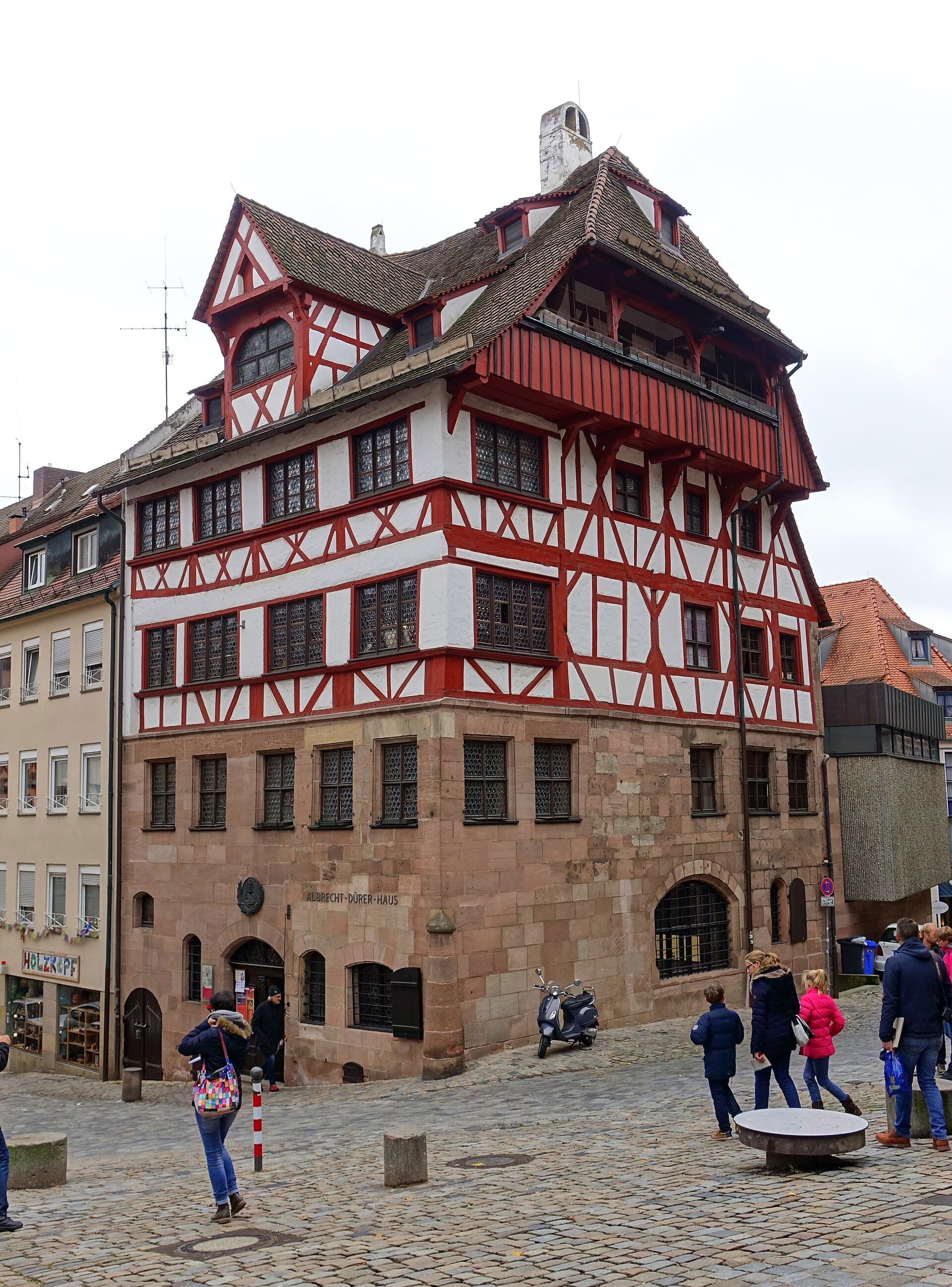 Albrecht Dürer's HouseAlbrecht Dürer was the most famous German artist of the Renaissance, and he live2 minutes walk4.4
A legal status in the Holy Roman Empire meaning the city answered not to a regional prince or bishop but directly to the emperor, governing itself through its own council, minting its own coin and conducting its own relations. That independence made cities like Nuremberg, Augsburg and Lübeck extremely wealthy trading and craft centres — and Nuremberg's fifteenth-century wealth was built on precisely this status.