
Investment, not alms
The funding was for exceptional ability rather than relief of poverty.
Svensson, M. (Fotograaf) — CC BY-SA 4.0 · Svensson, M. (Fotograaf) — CC BY-SA 4.0 · Svensson, M. (Fotograaf) — CC BY-SA 4.0 · Unknown authorUnknown author — CC BY-SA 4.0
An eighteenth-century building in Utrecht established in 1756 by the will of Baroness Maria Duyst, widow of the Lord of Renswoude, for a purpose unusual in its time. The baroness left her fortune for the education of gifted orphans. The idea was that boys showing exceptional ability in the orphanage would be selected and trained in precise technical crafts — instrument-making, clockmaking, optical devices and technical drawing — rather than placed in simple manual work as was customary. What makes this striking is that it was an investment in ability rather than charity toward poverty: a rare model in the eighteenth century, when the poor were expected to stay in their place. The foundation was replicated in three Dutch cities, and it still exists legally today, funding study grants. The building has a classical facade with a stone doorway and inscriptions carrying the bequest. It is a working seat and is not visited — it is seen from the street.
The funding was for exceptional ability rather than relief of poverty.
Instruments, clocks, optical devices and technical drawing.
The foundation exists legally today and funds study grants.
Lange Nieuwstraat, Utrecht
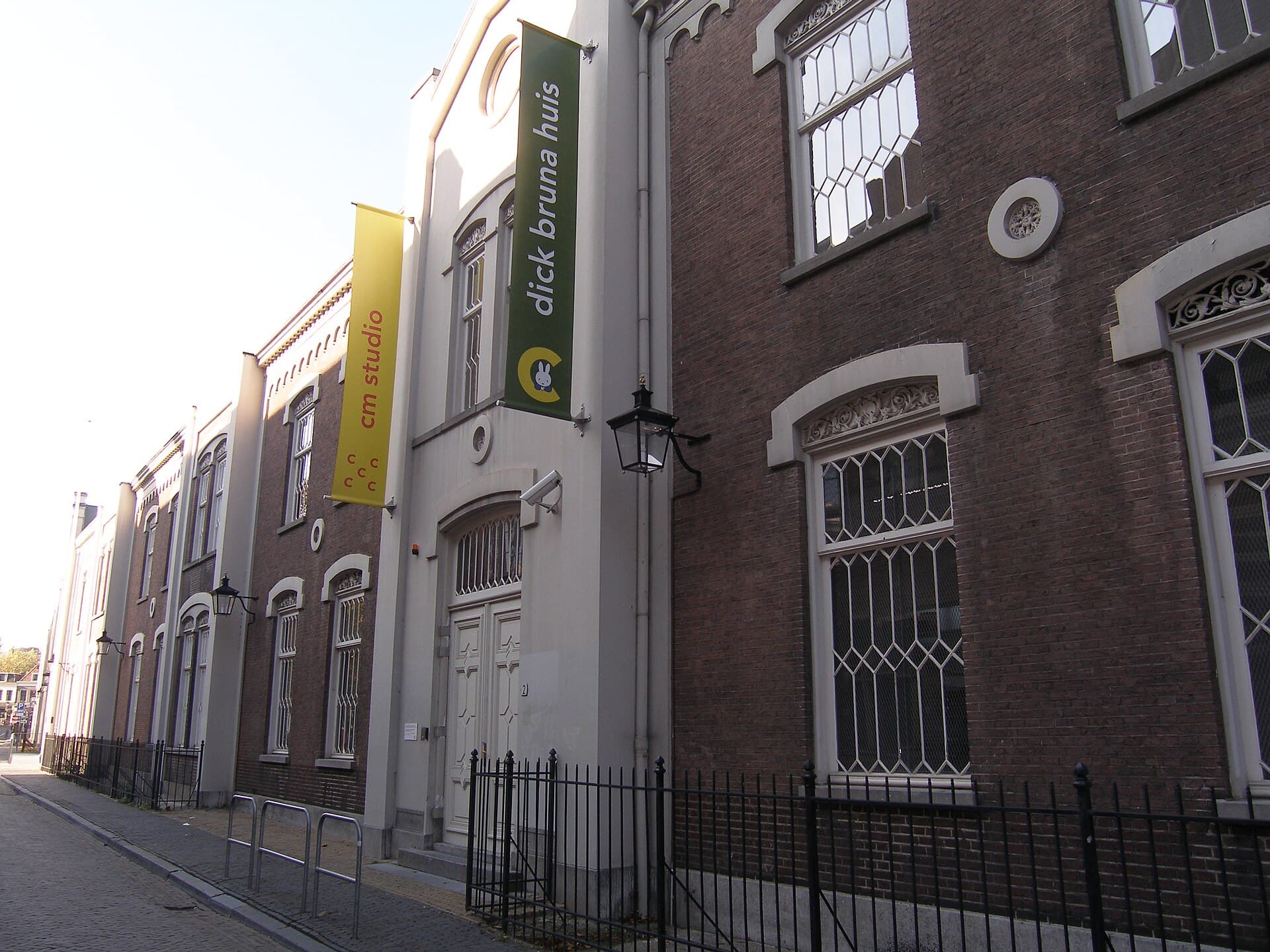 Nijntje Museum (Miffy)The Nijntje Museum is devoted entirely to the rabbit Miffy (Nijntje in Dutch) — 1 minute walk4.2
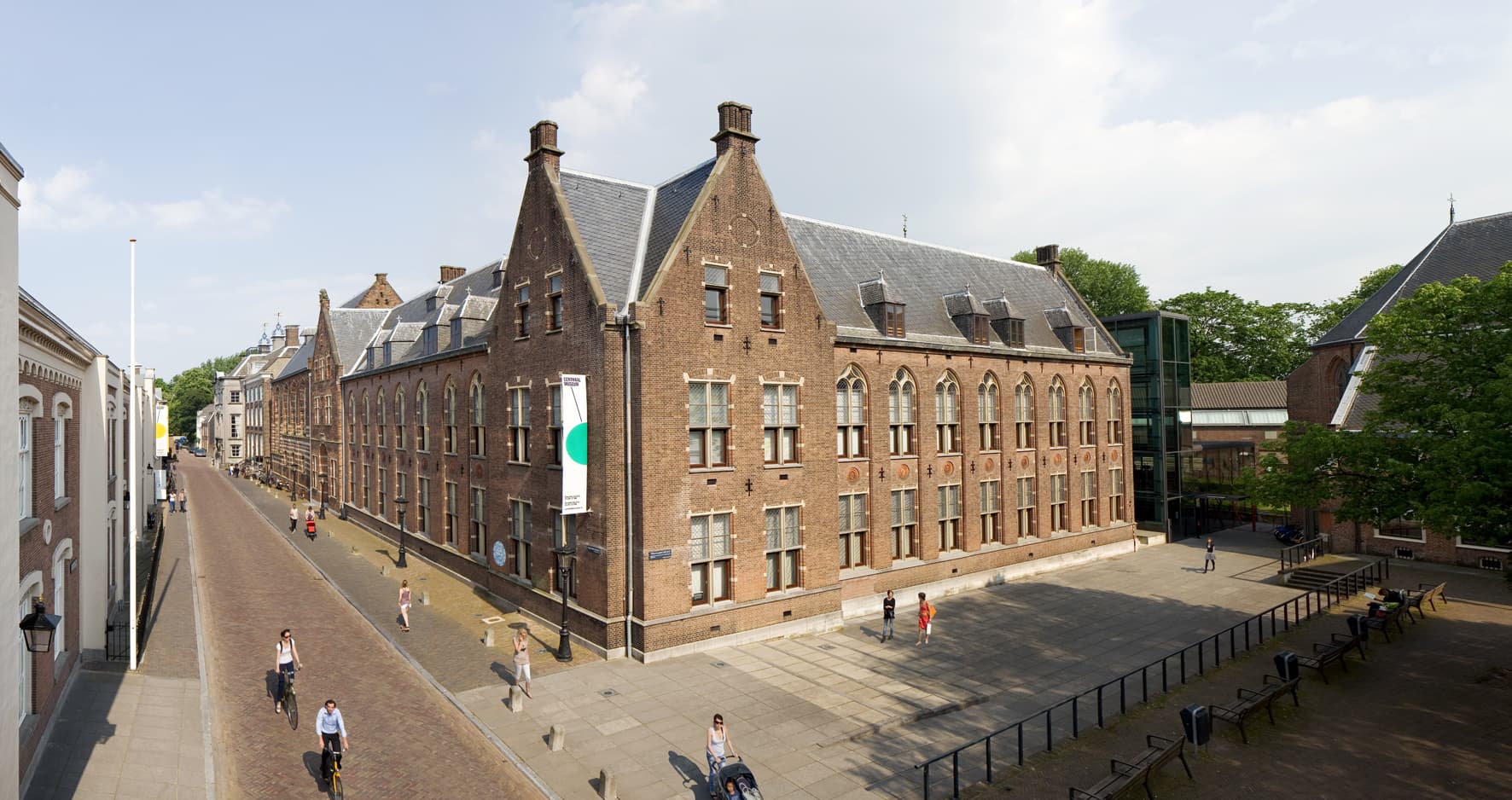 Centraal MuseumThe Centraal Museum is the Netherlands' oldest municipal museum (1838) and Utrec1 minute walk4.1
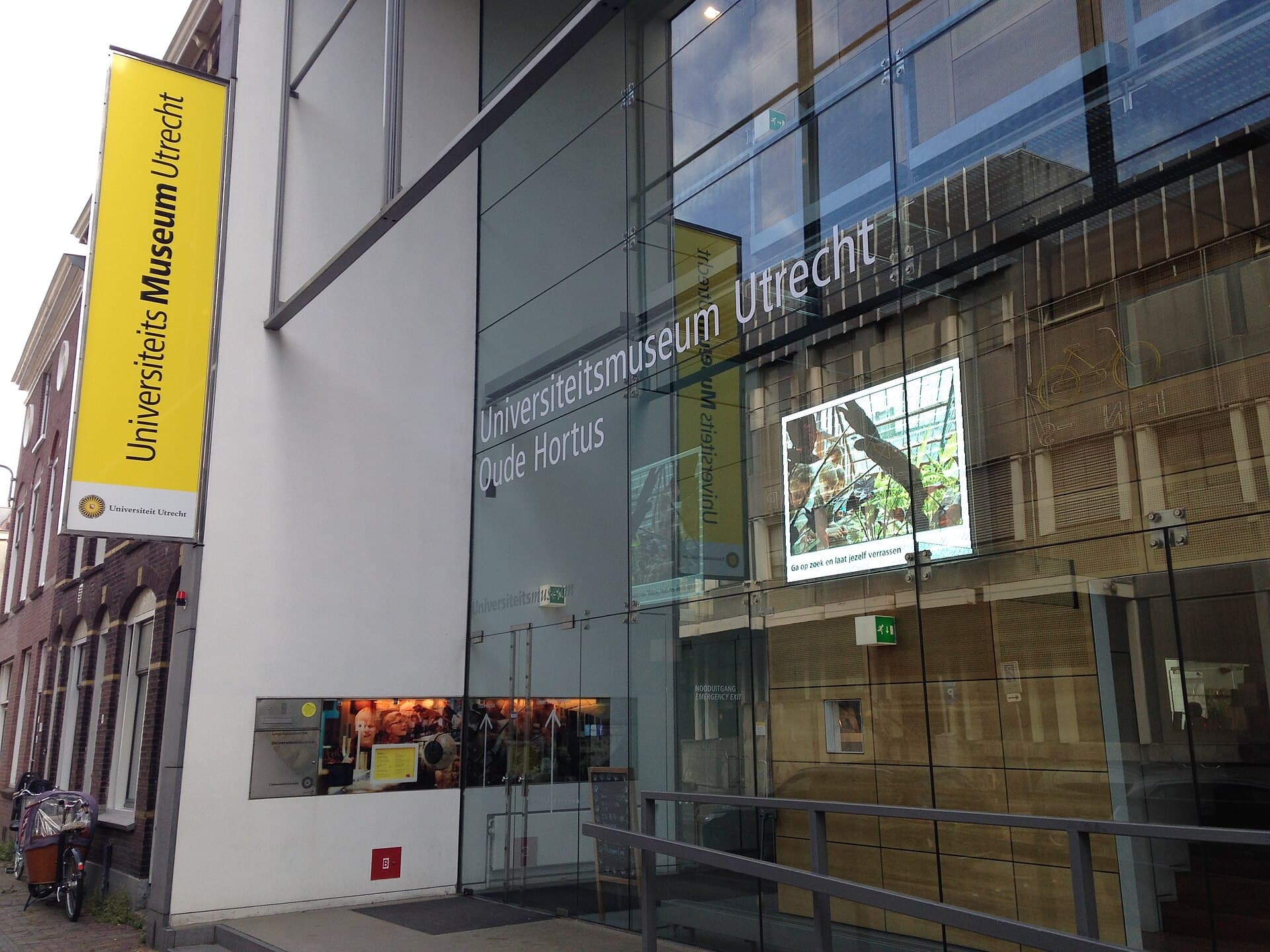 The Utrecht University MuseumThe Utrecht University Museum shows what has accumulated in a university more th1 minute walk4.2
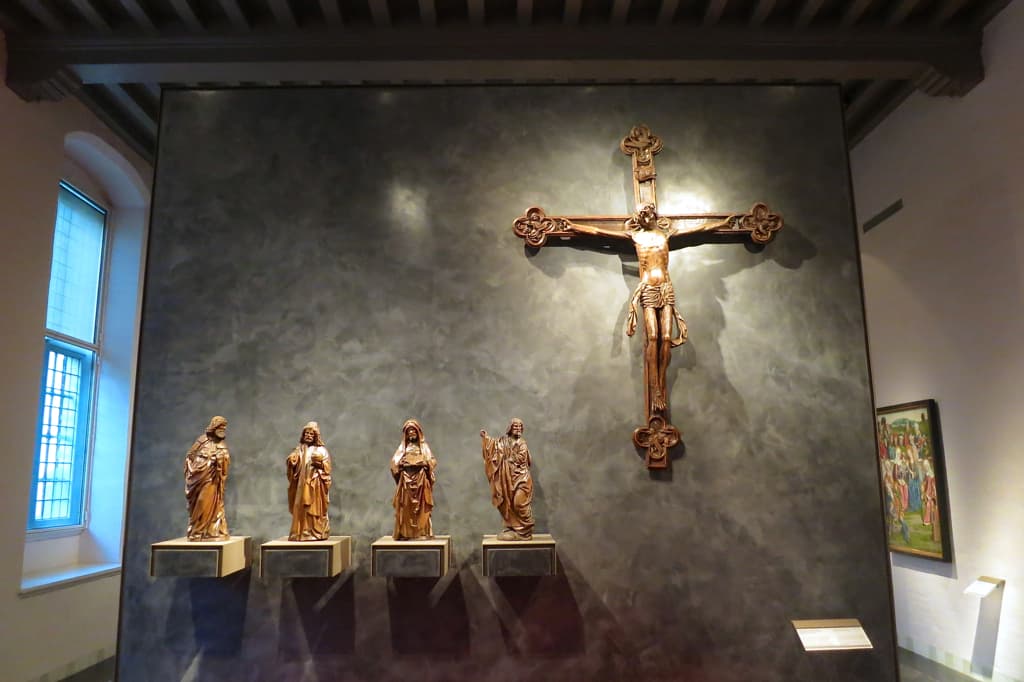 Museum CatharijneconventMuseum Catharijneconvent is the national museum of the history and art of Christ5 minutes walk4.3
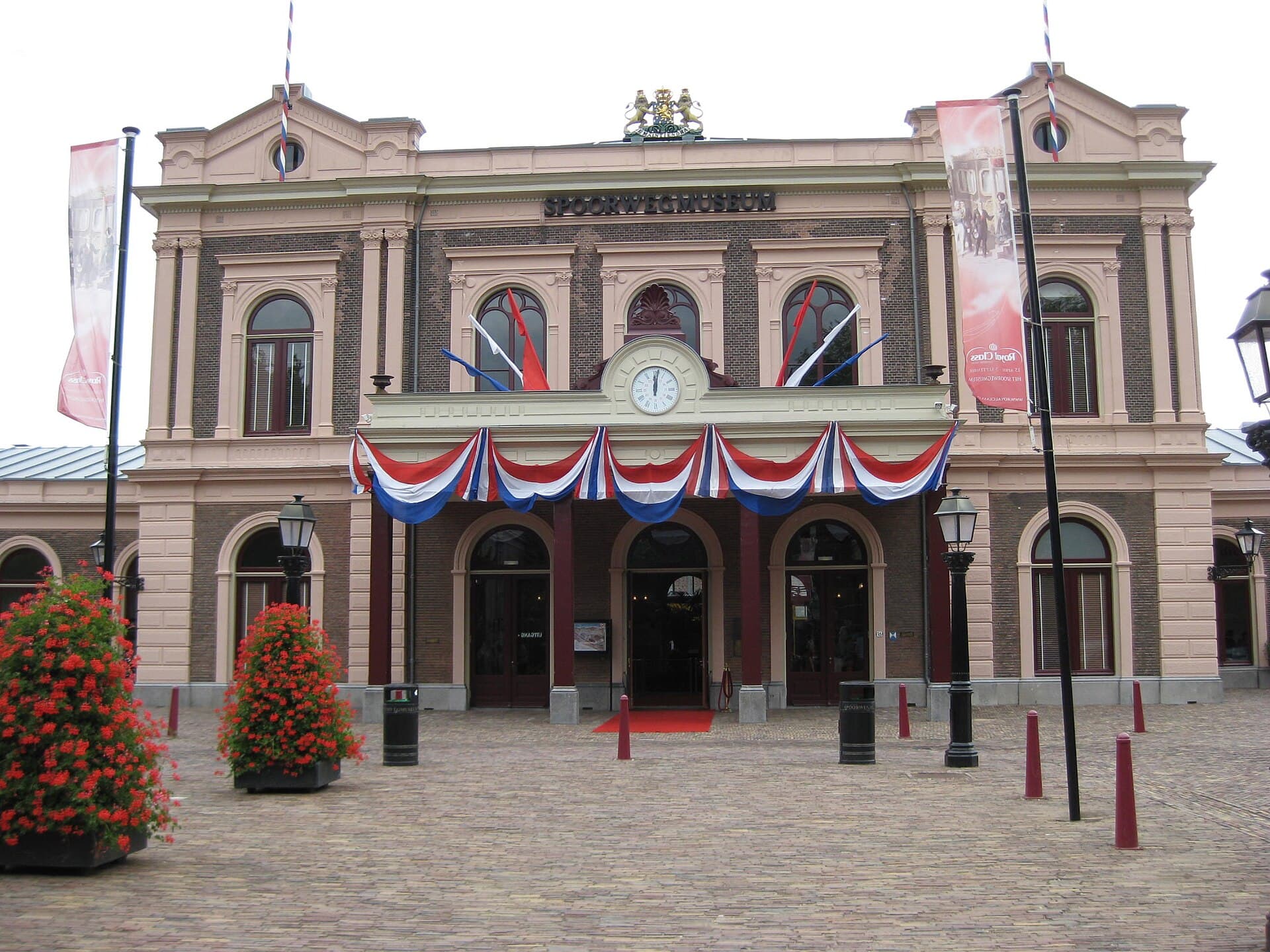 Railway MuseumThe Dutch Railway Museum is among Europe's best and most impressive train museum7 minutes walk4.4
Because education in the eighteenth century was tied to class rather than ability. Poor orphans were trained in simple manual work that ensured they would cost society nothing, not in trades permitting advancement. The baroness's choice to fund the gifted among them in high-value technical crafts inverted that logic, which is why the foundation is remembered in the history of Dutch education rather than only in the history of charity.
The Lange Nieuwstraat is among Utrecht's quietest historic streets and holds several seventeenth- and eighteenth-century charitable courtyards entered through narrow passages — some open in daylight with the same rules: silence and no photographing into the houses. At its southern end is the Catharijneconvent museum of religious art, among the best in the Netherlands and the least crowded.