
The Oude Hortus
The university's 17th-century botanical garden.
Sandra Fauconnier — CC BY 4.0 · Kees-Jan Bakker — CC BY-SA 4.0 · Kees-Jan Bakker — CC BY-SA 4.0 · J.P. de Koning — CC BY-SA 4.0
The Utrecht University Museum shows what has accumulated in a university more than three hundred and eighty years old: scientific instruments, anatomical specimens, microscopes, teaching models and an archive of experiments. Its most arresting part is the historic anatomical collection: preparations from the eighteenth and nineteenth centuries used to teach medicine when photographs were not possible. The museum shows them alongside an explicit question about the ethics of displaying human remains today, explaining where they came from and why their display is being reconsidered — a more mature approach than either hiding them or showing them without comment. Its most practically successful section is the Youth Lab: a space where children run real experiments with real equipment under supervision — extracting DNA, working microscopes, simple reactions. Behind the museum is the Oude Hortus, the university's original seventeenth-century botanical garden with its medicinal plant beds.
The university's 17th-century botanical garden.
Microscopes and apparatus from centuries of teaching.
Lange Nieuwstraat 106, 3512 Utrecht
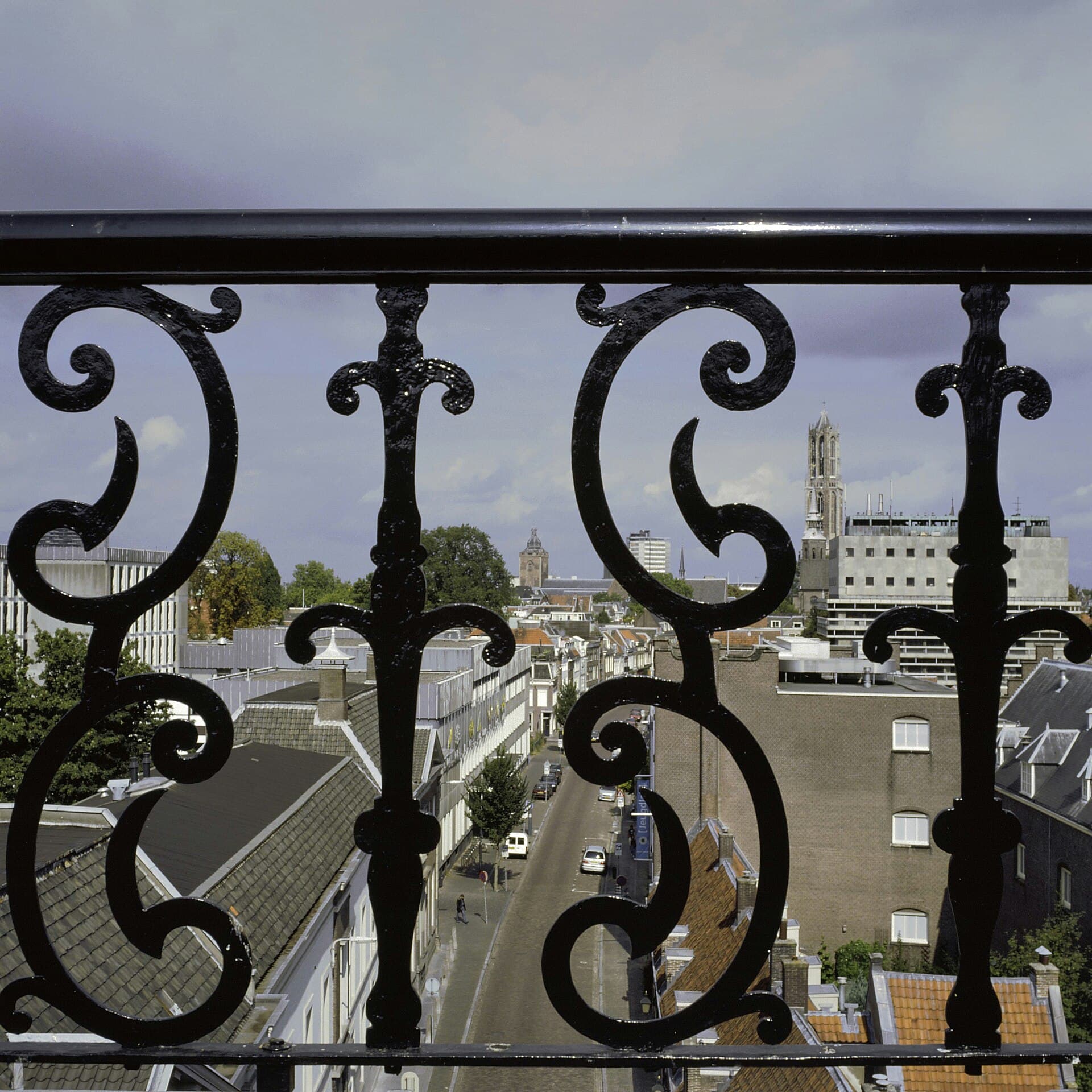 The Van Renswoude FoundationAn eighteenth-century building in Utrecht established in 1756 by the will of Bar1 minute walk4.7
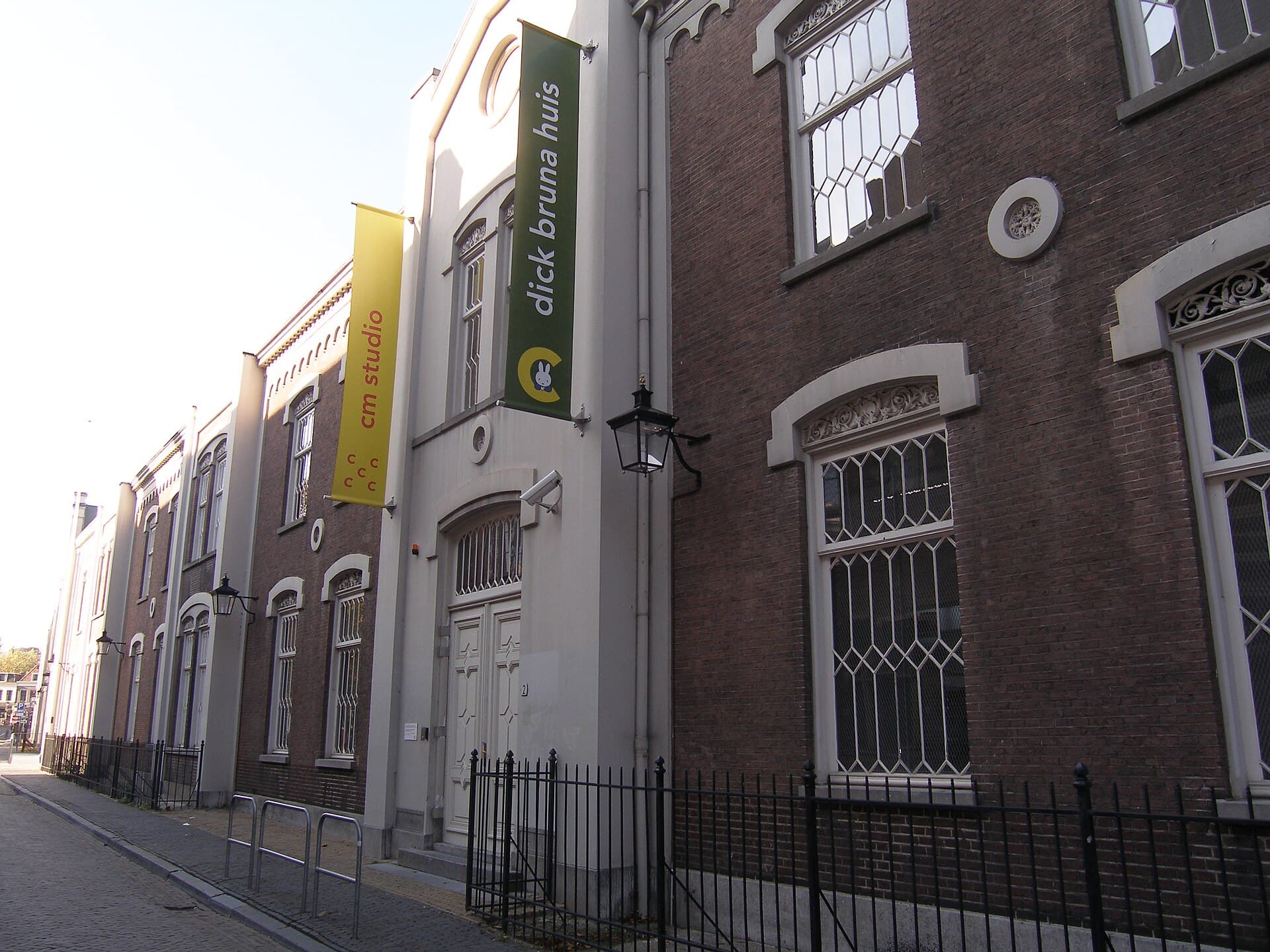 Nijntje Museum (Miffy)The Nijntje Museum is devoted entirely to the rabbit Miffy (Nijntje in Dutch) — 1 minute walk4.2
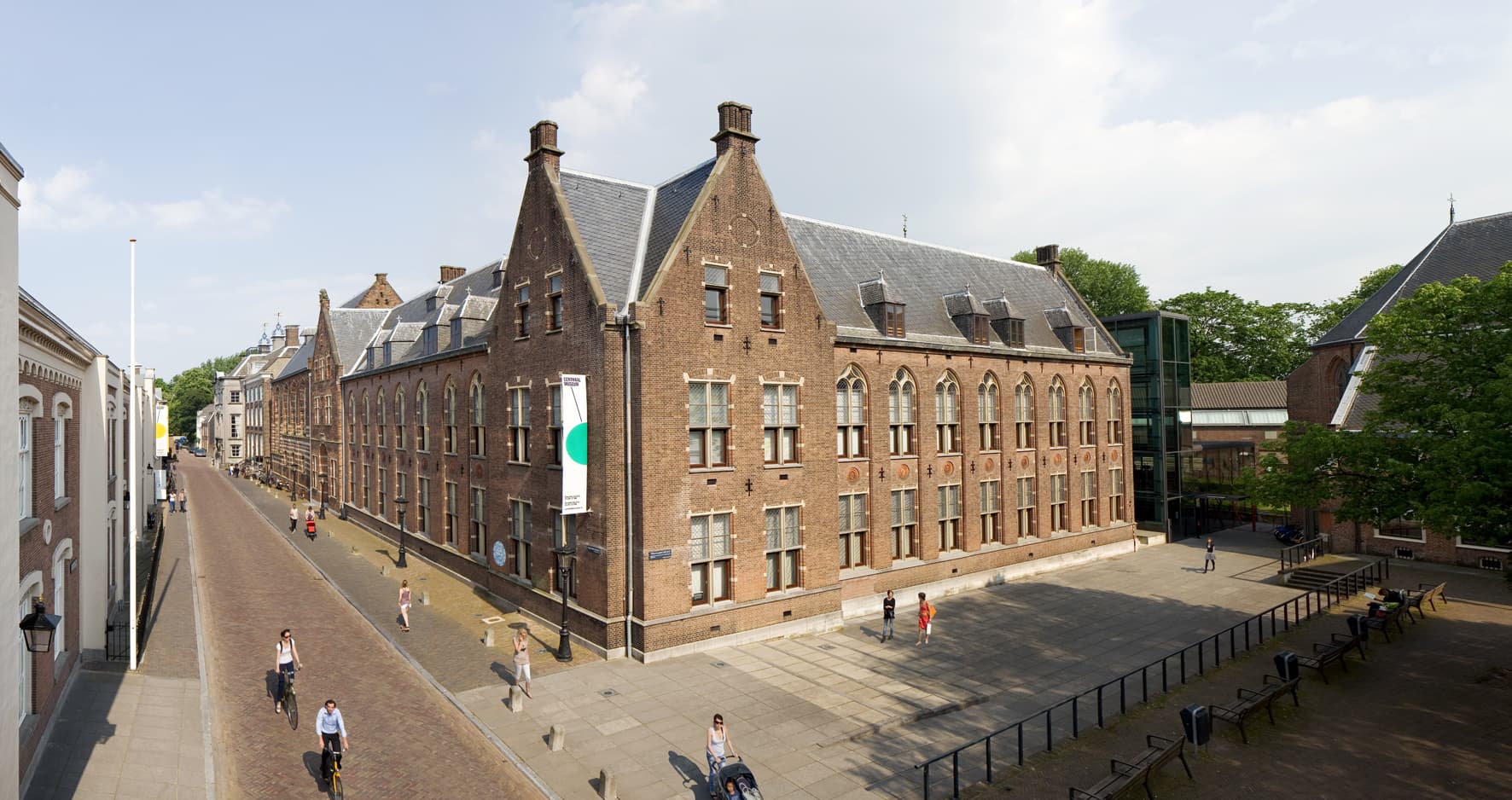 Centraal MuseumThe Centraal Museum is the Netherlands' oldest municipal museum (1838) and Utrec2 minutes walk4.1
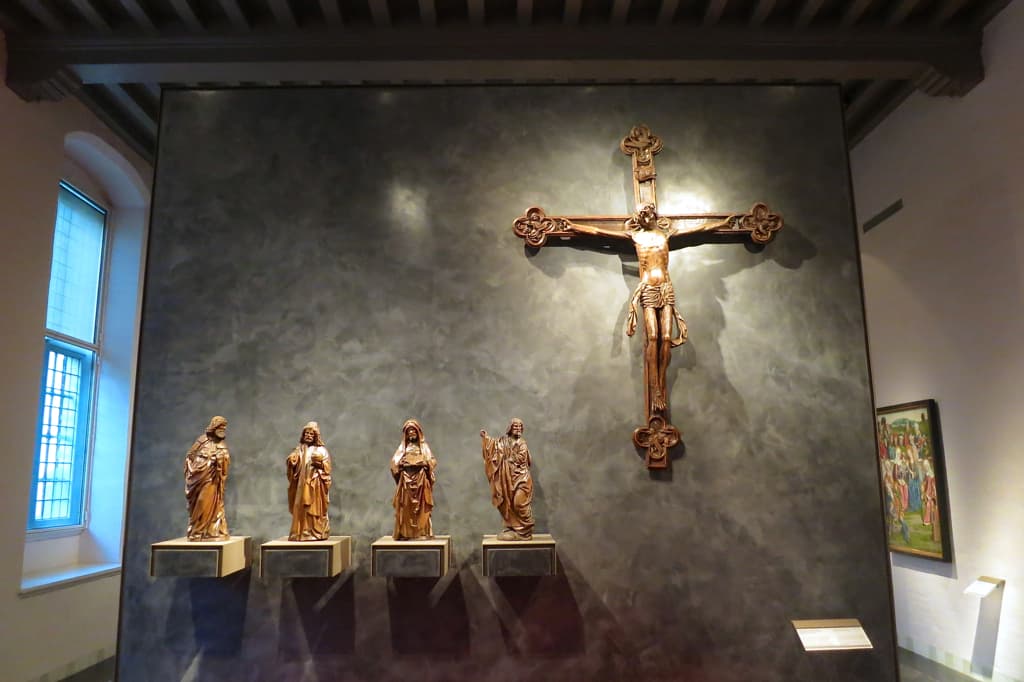 Museum CatharijneconventMuseum Catharijneconvent is the national museum of the history and art of Christ3 minutes walk4.3
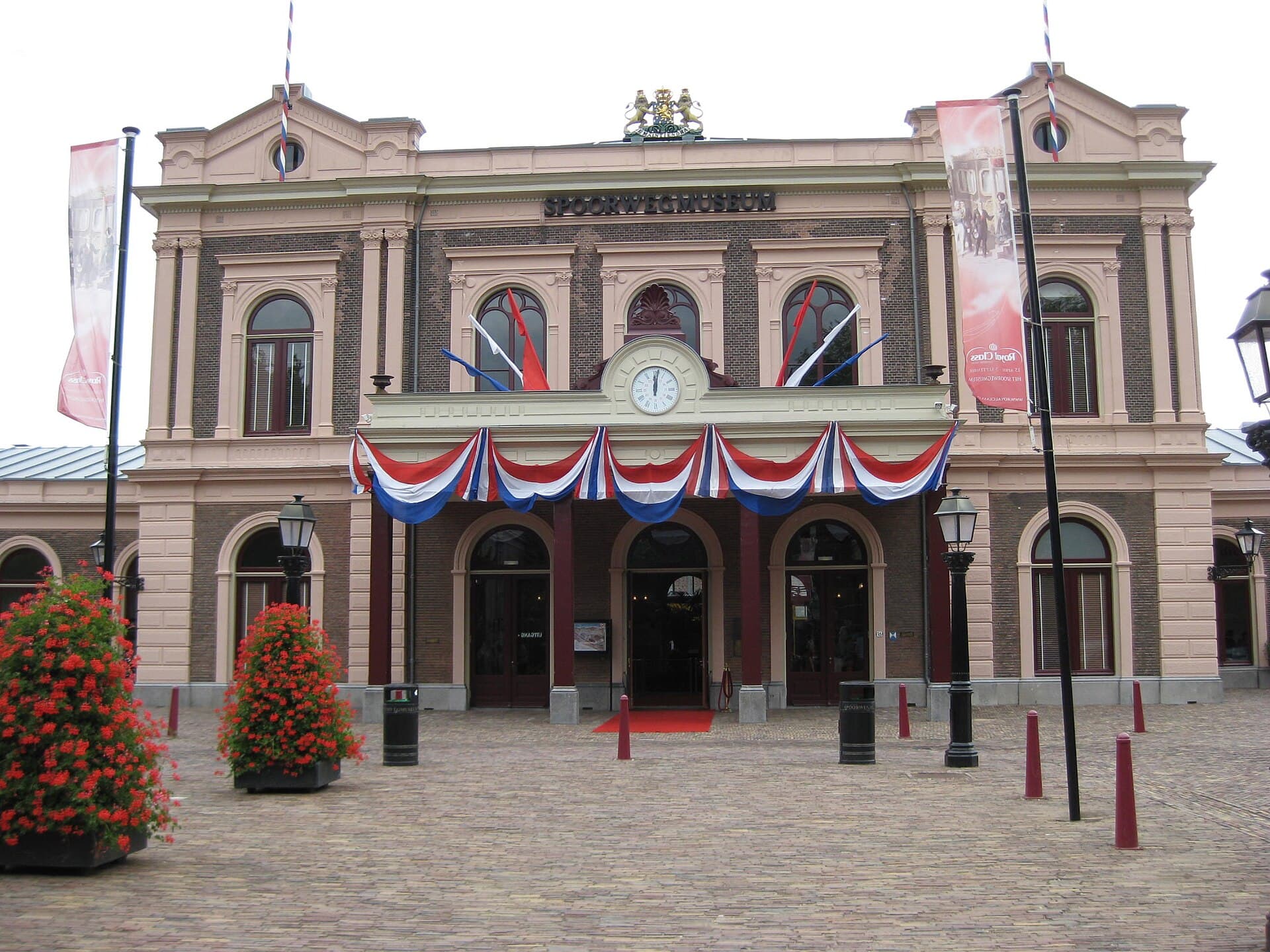 Railway MuseumThe Dutch Railway Museum is among Europe's best and most impressive train museum6 minutes walk4.4
Utrecht is a small dense city where everything is walkable. Morning for the Dom tower — the tallest church tower in the Netherlands, climbed on a tour — and DOMunder beneath it, where you see the city's Roman layer. Midday on the Oudegracht, the canal whose wharves drop to water level with cafes on them, unique in the world. Afternoon for one museum: the Centraal Museum, the Rietveld Schröder House, or this one. Evening walking the canal.