
The Kamara marble
Persian victories tiered above dating students.
Armineaghayan — CC BY-SA 4.0 · Holger Uwe Schmitt — CC BY-SA 4.0 · Falk2 — CC BY-SA 4.0 · Holger Uwe Schmitt — CC BY-SA 4.0
Arch and Rotunda are the remains of a whole imperial quarter: Emperor Galerius made Thessaloniki his capital (~300 AD) and built palace, triumphal arch and mausoleum — the Kamara, his arch carved with Persian victories in marble tiers, is still the city's daily gate: university students literally date beneath it. The Rotunda above it is Greece's strangest-fated building: Galerius' round mausoleum (24.5m across, walls six metres thick) became a Byzantine church with gold dome mosaics among Christianity's oldest and most splendid — then an Ottoman mosque whose minaret still stands — then a monument: the city's three faiths in one drum, and preservation's Pantheon of the East. Between them Egnatia street rides the Roman road itself — and the walk from arch to Rotunda to Navarinou square (the palace remains open amid cafés) is Thessaloniki's completest layer-lesson in half an hour.
Persian victories tiered above dating students.
Dawn-of-Christianity mosaics — martyrs in golden palaces.
The city's Ottoman trace still pointing skyward.
Egnatia, 54635 Thessaloniki
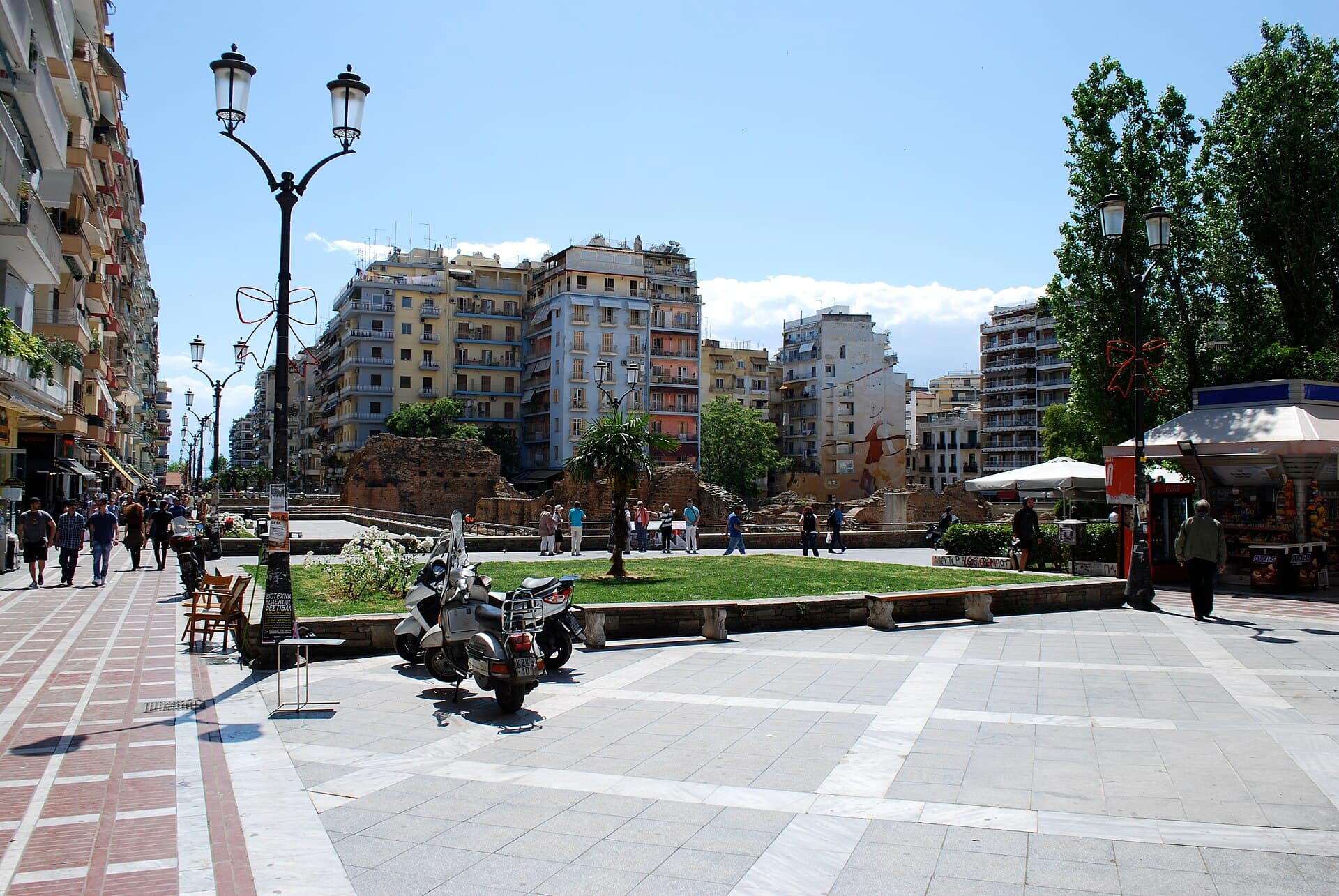 Navarino SquareA square in central Thessaloniki where the remains of the palace of the emperor 4 minutes walk4.4
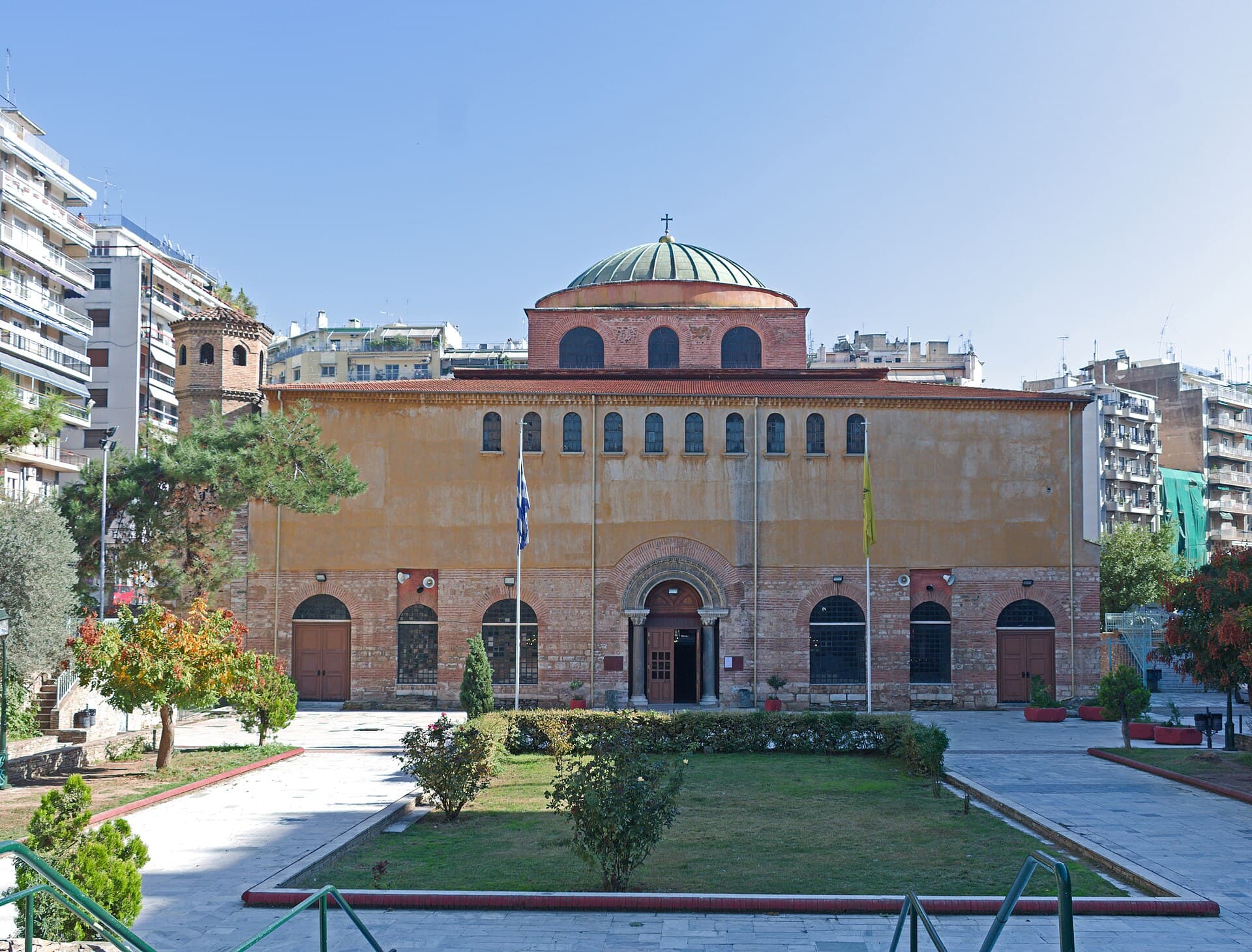 Hagia Sophia of ThessalonikiThessaloniki's Hagia Sophia is the greater sister's daughter: built (8th century5 minutes walk4.7
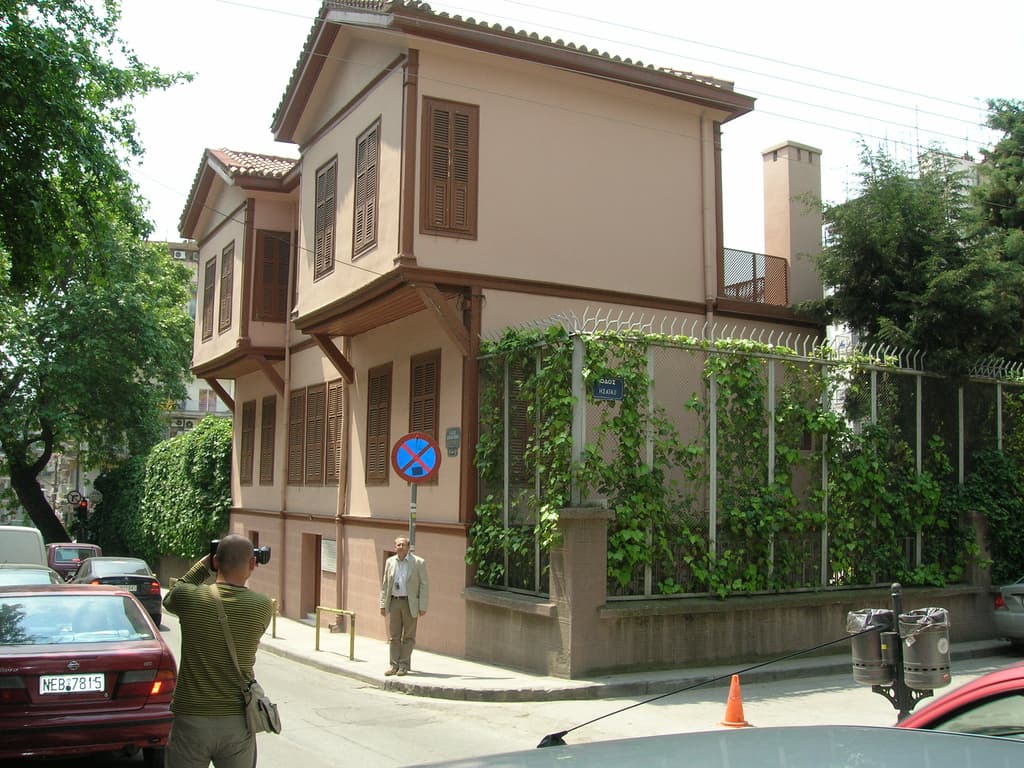 Atatürk Museum (his birthplace)A three-storey pink house in a quiet part of Thessaloniki, where **Mustafa Kemal6 minutes walk4.6
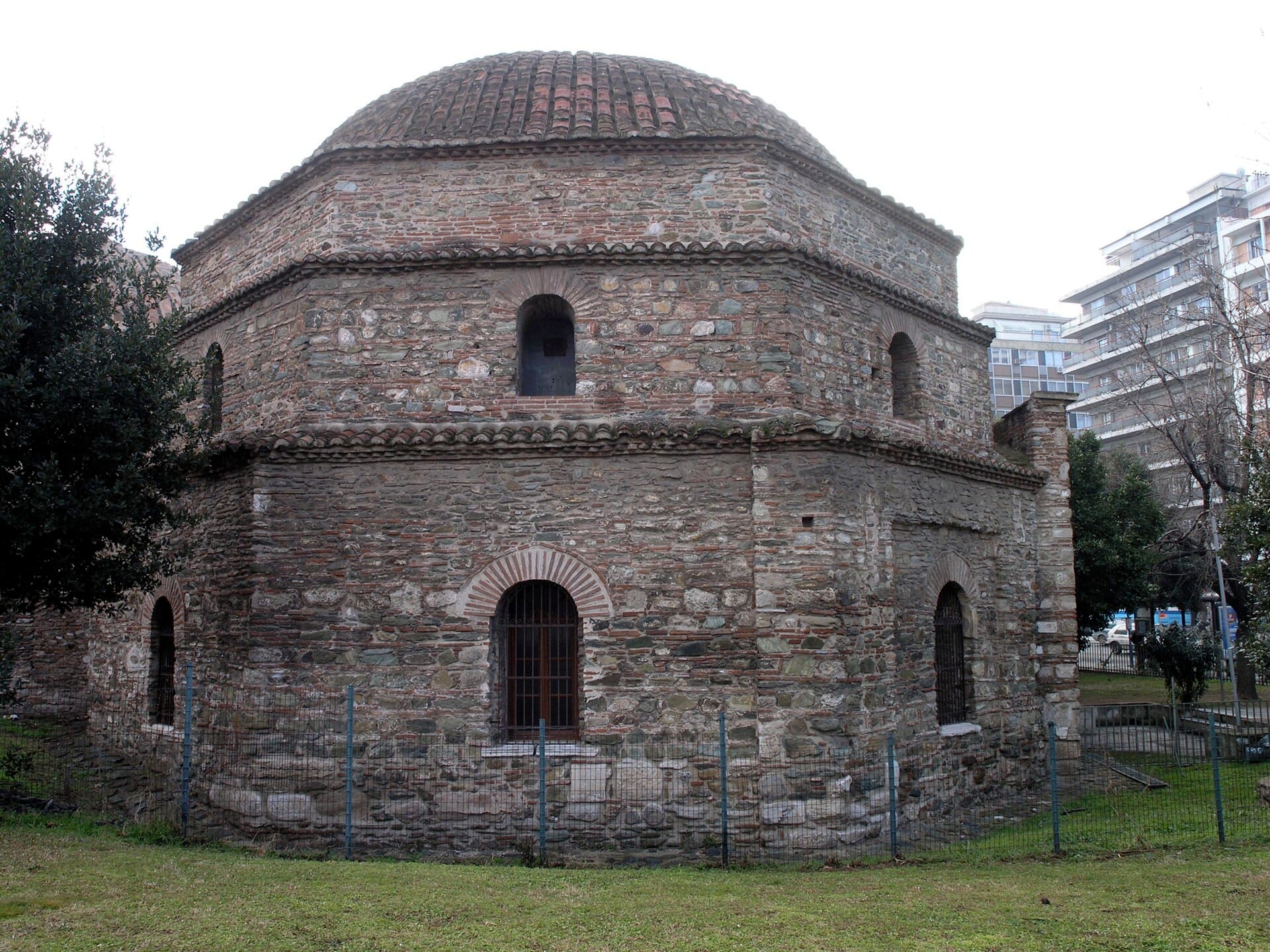 Bey Hamam (the Paradise Baths)It stands on the main **Egnatia** street in the middle of the city, and is the *8 minutes walk4.3
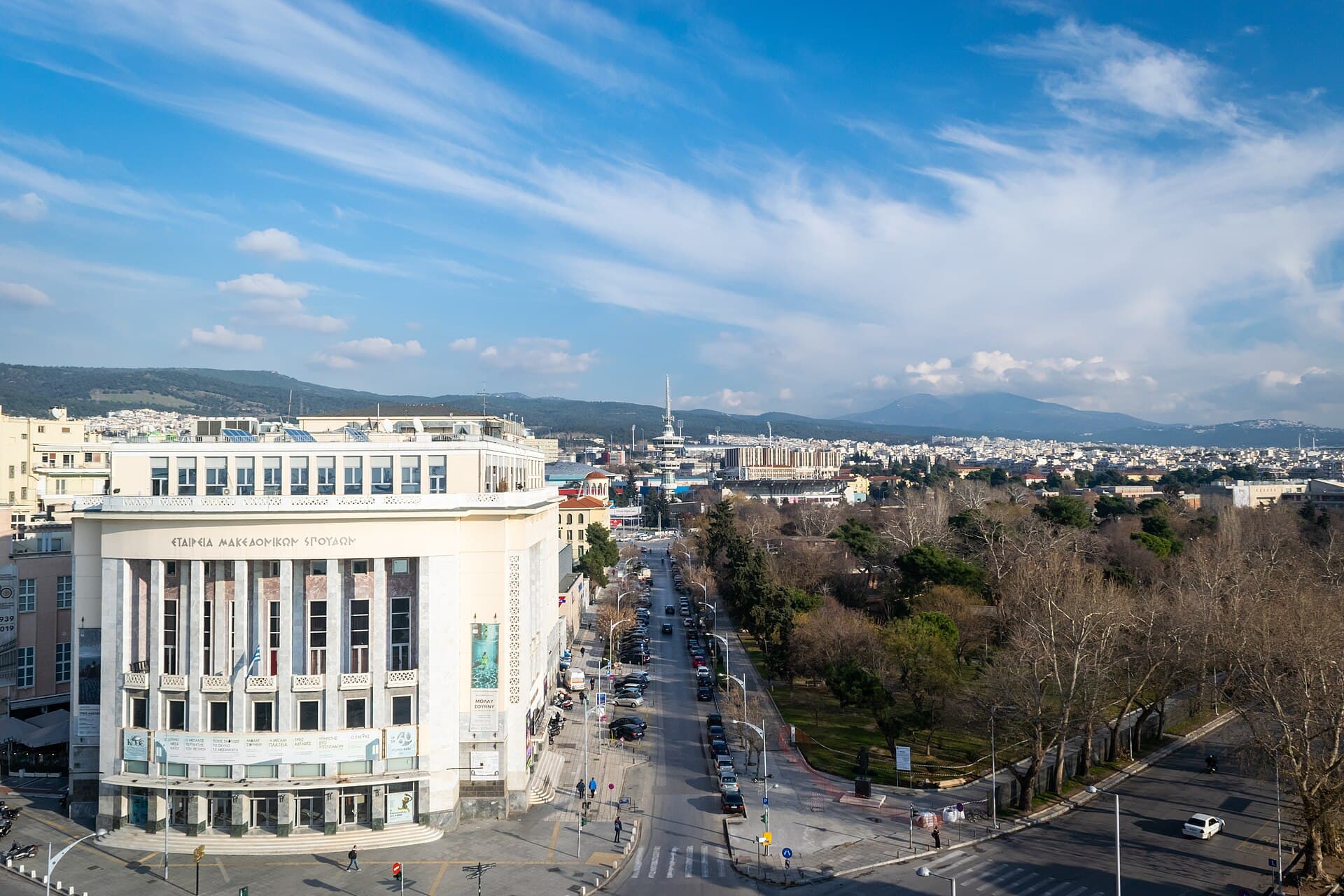 OTE TowerA slender concrete tower rising about **seventy-seven metres** inside the Thessa9 minutes walk4.8
One line walks it all: Agios Dimitrios, Roman Forum, Hagia Sophia, Arch, Rotunda, Navarinou — two and a half hours on small tickets, every era of the city in order. Close with lunch at Navarinou among the palace stones.