
A question about place
What remains in a landscape after its people are gone? That is the exhibition's subject.
Jeremiah Z. Cockroach — CC BY-SA 4.0 · The White House — Public domain · The White House — Public domain · Pymouss — CC BY-SA 4.0
A museum in a former furniture warehouse in Kazimierz that treats the Jewish history of the Galicia region in a way unlike any other Holocaust museum. Its permanent exhibition, Traces of Memory, rests on photography: the British photographer Chris Schwarz spent twelve years documenting what remains across southern Poland and western Ukraine — neglected cemeteries in fields, synagogues turned into warehouses, massacre sites marked by nothing, and houses now lived in by others. The idea is that the museum shows no artefacts but asks a question: what is left in a place after its people are gone? Before the war Poland held around three and a half million Jews, of whom only a small fraction survived. Galicia was among the densest regions of Jewish life in Europe. The museum is not confined to the destruction: a large part covers Jewish life before it and its contemporary revival. It explains what you cannot see in Kazimierz itself.
What remains in a landscape after its people are gone? That is the exhibition's subject.
A large part covers prewar Jewish life and the contemporary revival.
It makes visible in the quarter what a passer-by would never see.
Dajwór street, Kazimierz
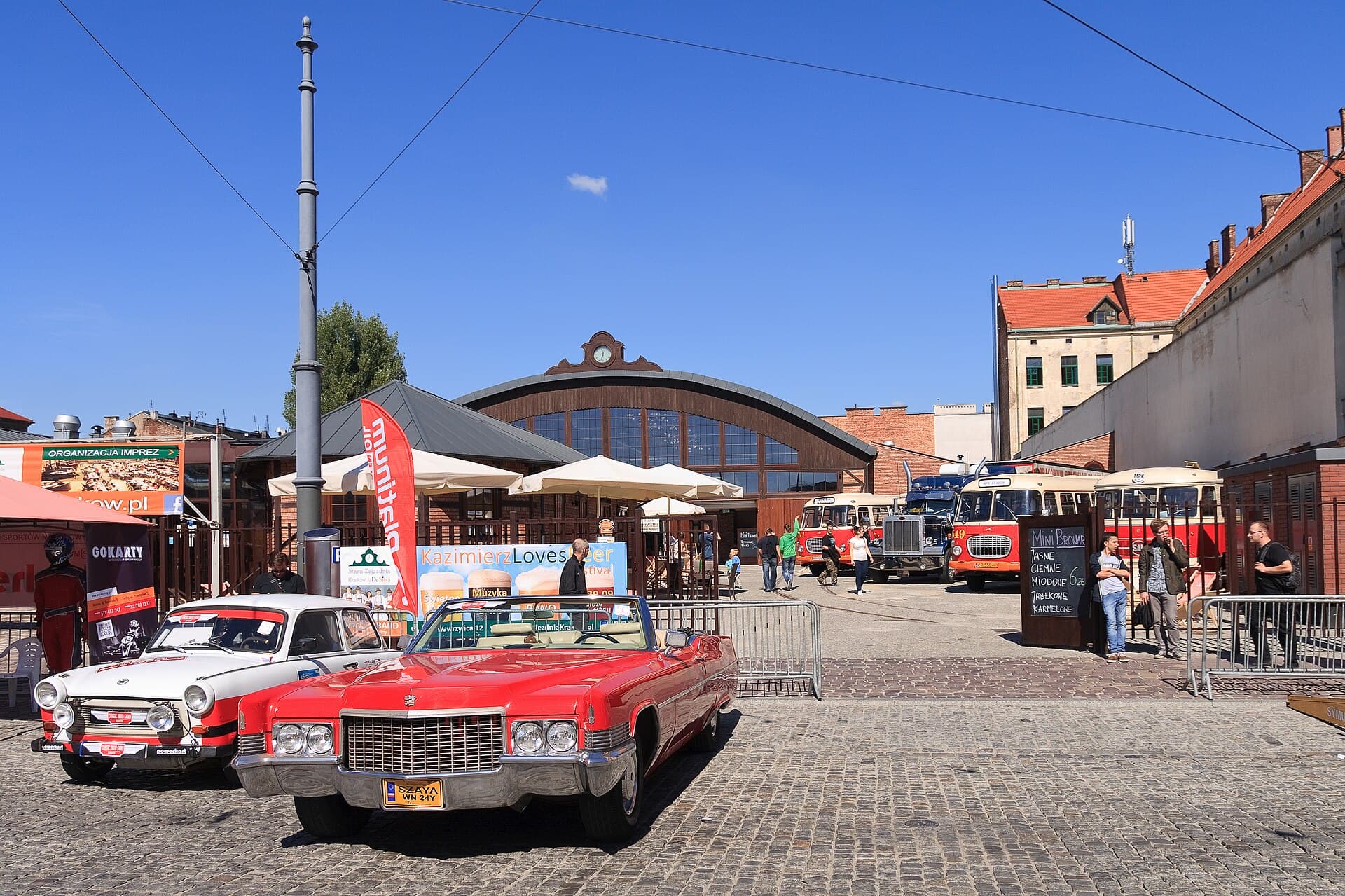 Museum of Engineering and TechnologyA technical museum in a former tram depot in Kazimierz, covering the history of 3 minutes walk4.3
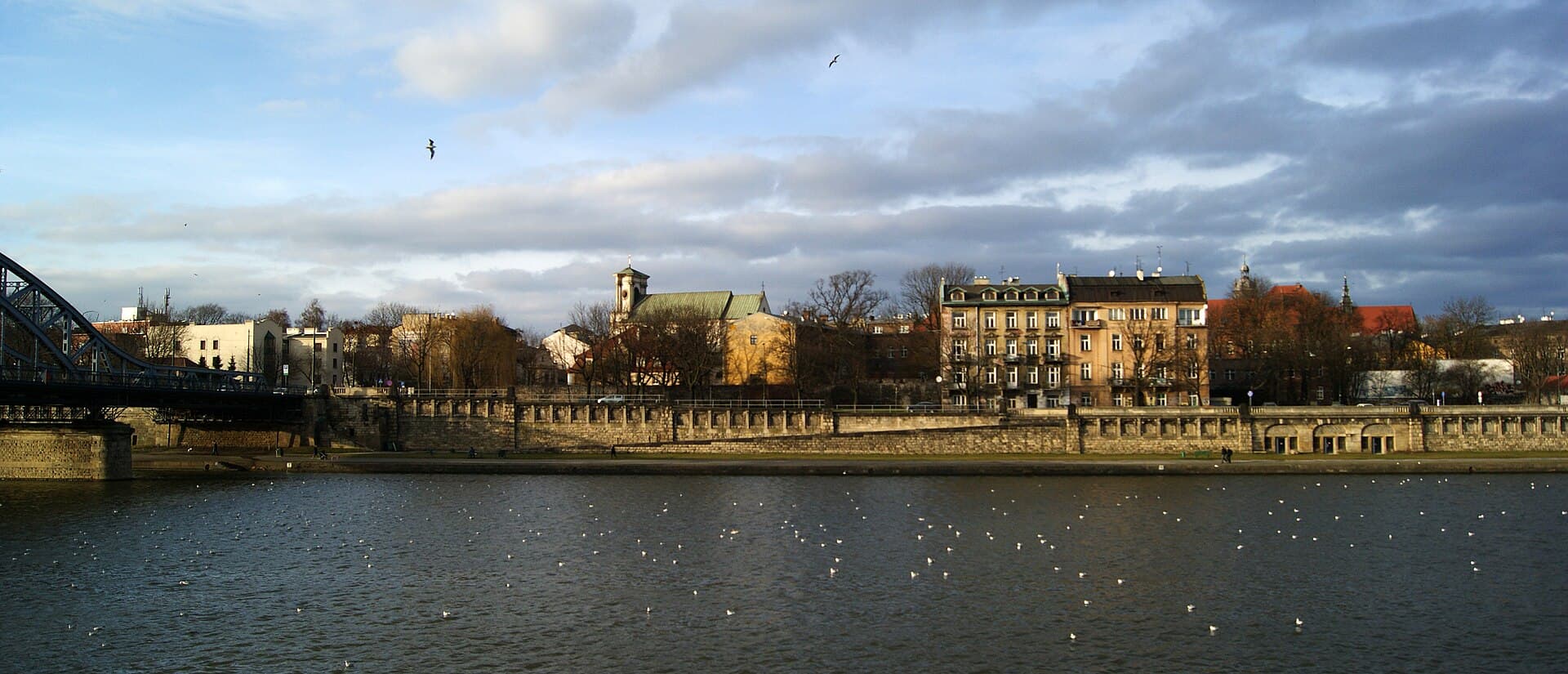 The Kazimierz QuarterKazimierz is Krakow's second soul: King Casimir's independent town (1335) that b5 minutes walk
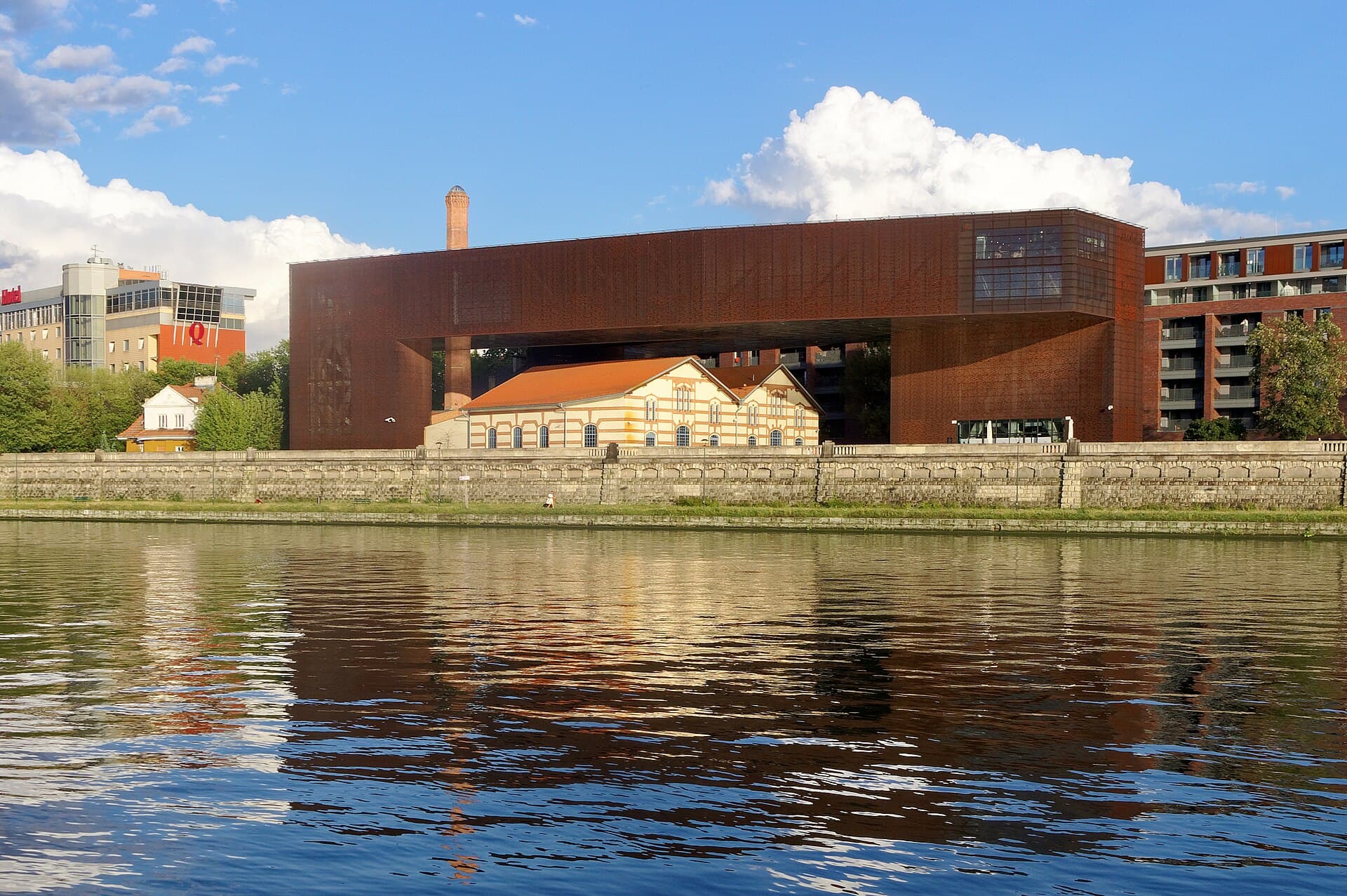 Cricoteka — Tadeusz Kantor CentreA documentation centre and museum of the work of Tadeusz Kantor, in a striking b5 minutes walk4.4
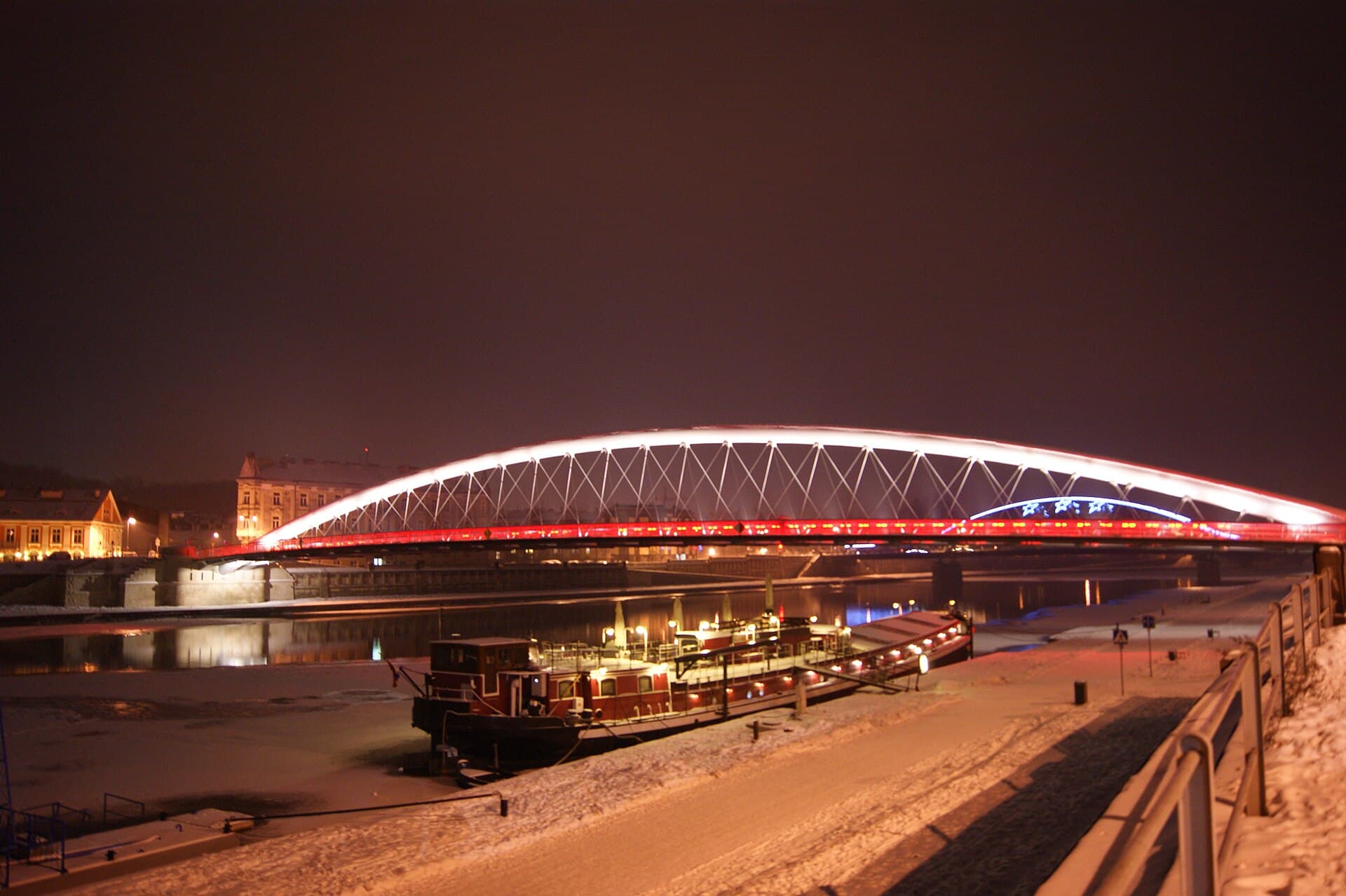 Father Bernatek FootbridgeA pedestrian and cycle bridge over the Vistula linking Kazimierz with Podgórze, 6 minutes walk4.9
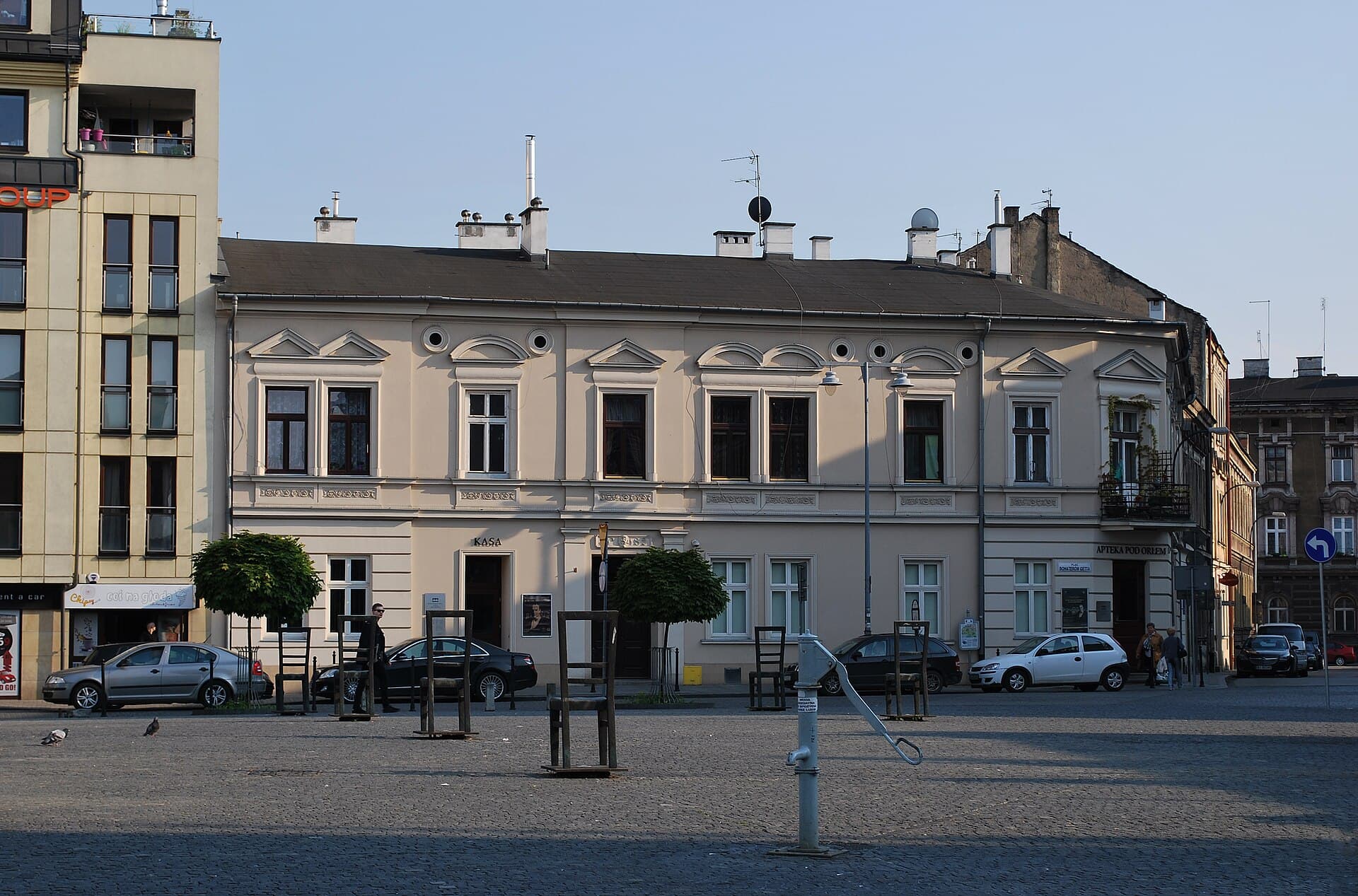 Eagle PharmacyA pharmacy on Ghetto Heroes Square in Podgórze that was the only pharmacy inside8 minutes walk4.6
A historic region of the Austro-Hungarian Empire, today spread across south-eastern Poland and western Ukraine, with Lviv as its historic capital. It was among the densest areas of Jewish life in Europe, with hundreds of towns where Jews formed a large share or a majority of the population. The name no longer denotes an existing political unit, but it remains a cultural and historical reference.
POLIN is a large museum telling a thousand years of Jewish history in Poland through rich multimedia galleries, and needs half a day. The Galicia museum is small with one specific angle: what remains in the landscape today, in photographs. The two do not compete — POLIN gives you the whole story, this gives you its trace in the ground.