
The Remuh cemetery
Renaissance stones as a survivors' mosaic wall.
Zygmunt Put Zetpe0202 — CC BY-SA 4.0 · Krystyna Pruchniewska — CC BY-SA 4.0 · Krystyna Pruchniewska — CC BY-SA 4.0 · Krystyna Pruchniewska — CC BY-SA 4.0
Kazimierz is Krakow's second soul: King Casimir's independent town (1335) that became Polish Jewry's heart for five centuries — seven historic synagogues (the Old Synagogue a museum, Remuh with its moving Renaissance cemetery), squares and markets kept as they were until the Nazi occupation annihilated its people — Spielberg immortalising the place by filming Schindler's List in its lanes. Today it is the city's most pulsing quarter: Plac Nowy square with its zapiekanka rotunda (the quarter's famous bread) and morning market, antique cafés against old walls, and kitchens of every cuisine in hidden courtyards — the complete Polish-bohemian mood. From it the Bernatka footbridge with its lovers and locks crosses to Podgórze, where Schindler's story unfolded — making the quarter its day's hinge: synagogues by morning, square lunch, the bridge to the factory by afternoon.
Renaissance stones as a survivors' mosaic wall.
The zapiekanka rotunda and morning market.
Lovers' locks toward Schindler's bank.
Kazimierz, 31-053 Krakow
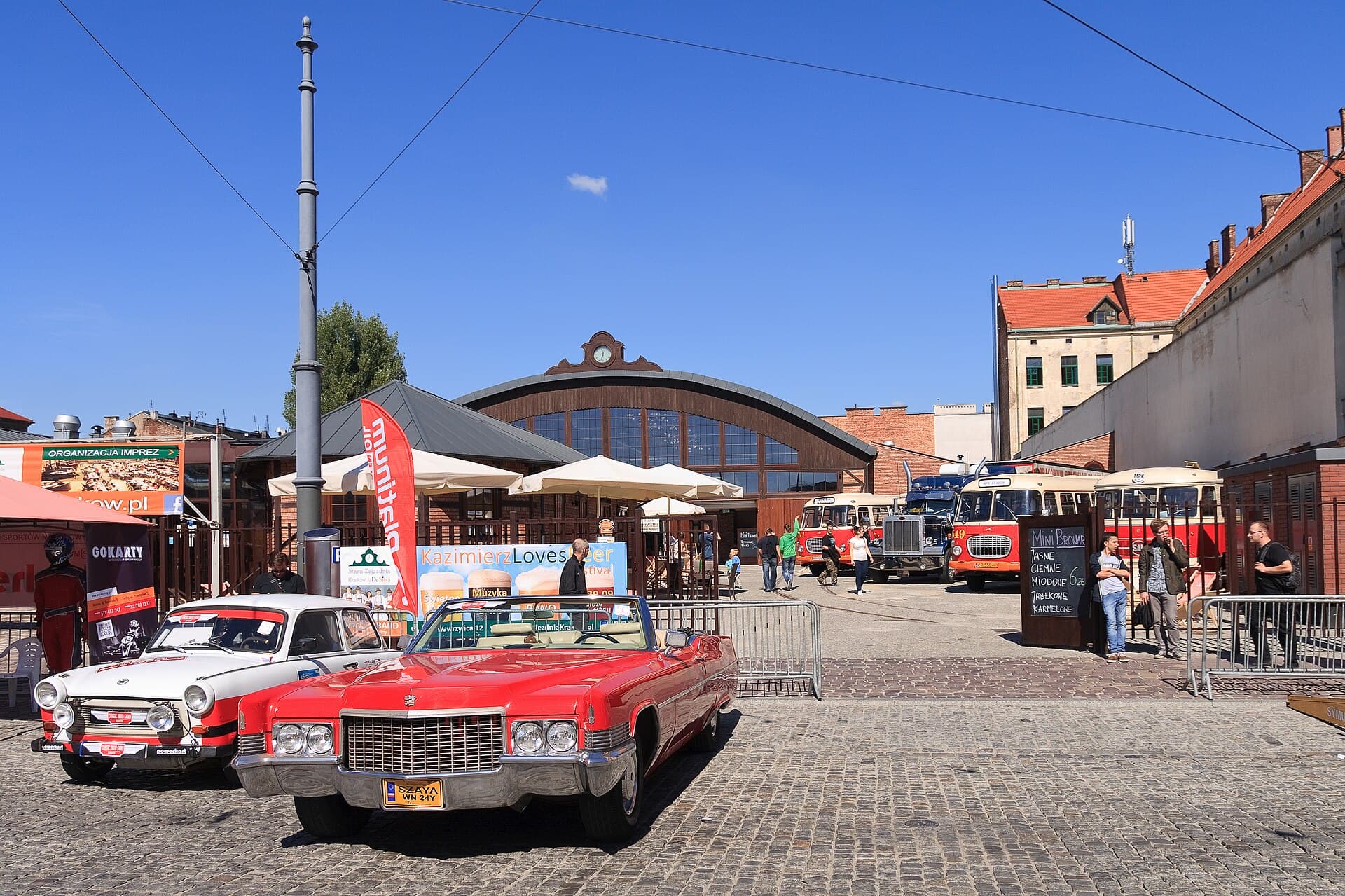 Museum of Engineering and TechnologyA technical museum in a former tram depot in Kazimierz, covering the history of 3 minutes walk4.3
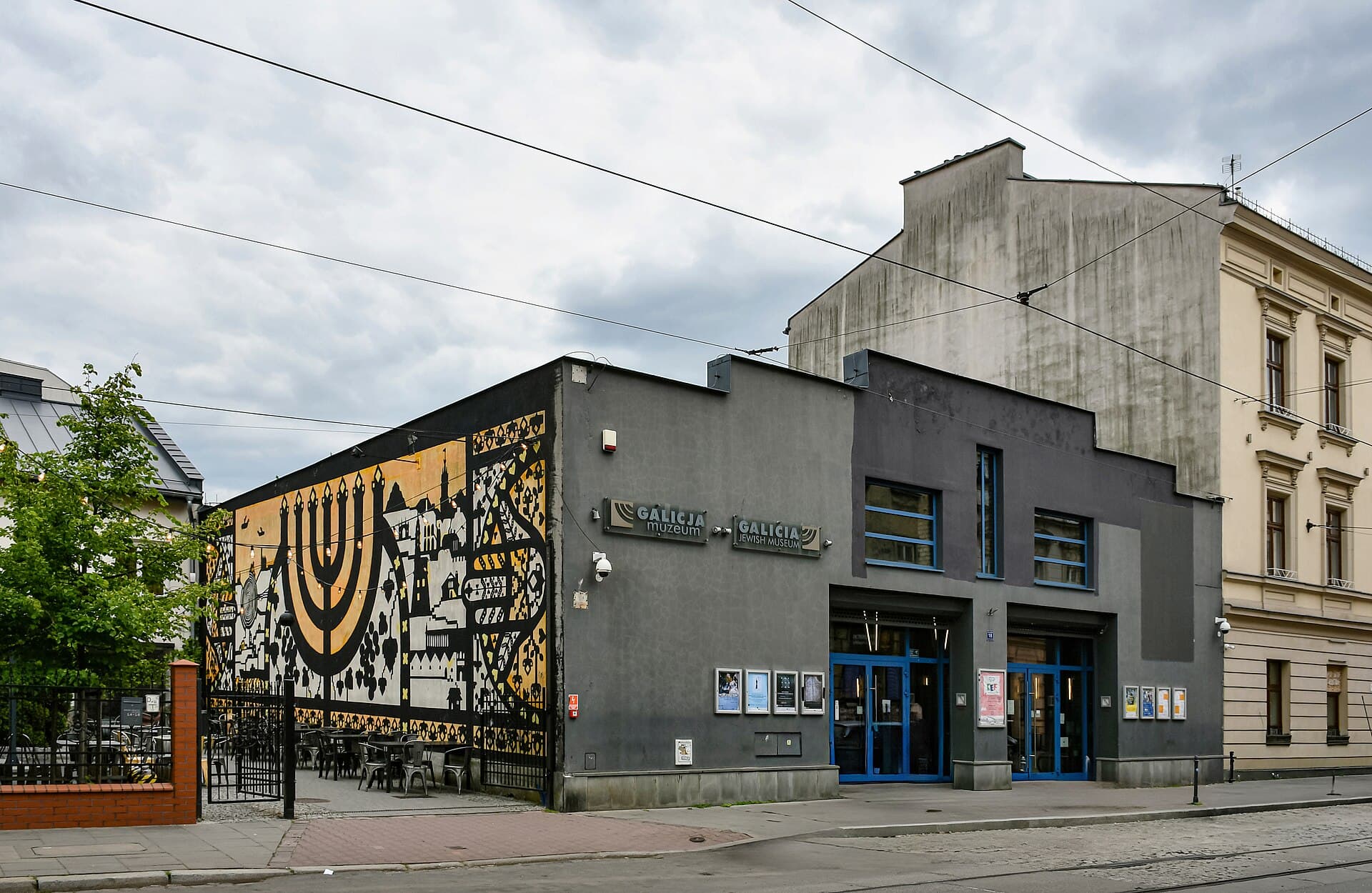 Galicia Jewish MuseumA museum in a former furniture warehouse in Kazimierz that treats the Jewish his5 minutes walk4.5
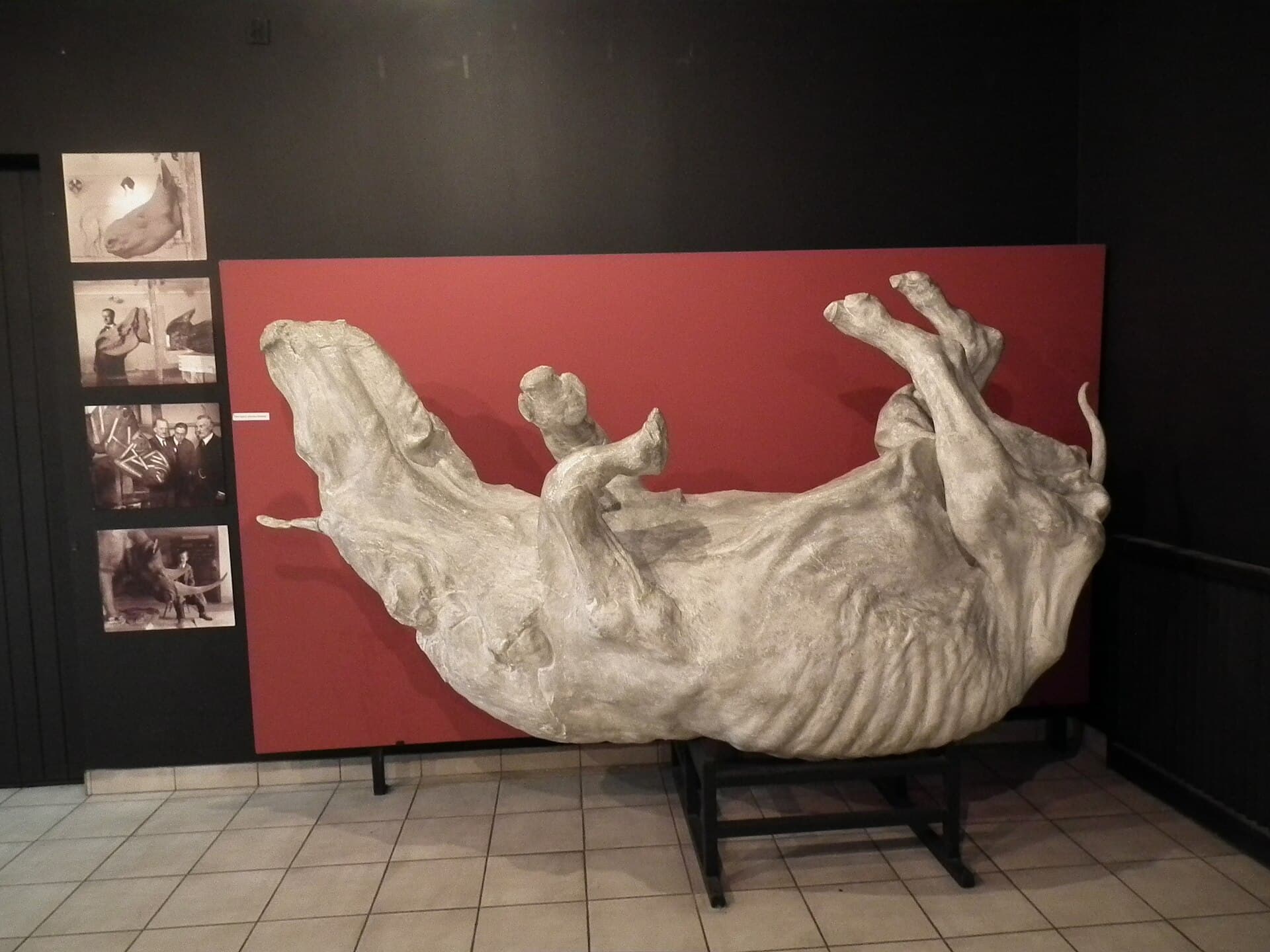 Natural History Museum KrakówA natural history museum of the Polish Academy of Sciences, in central Kraków mi6 minutes walk4.4
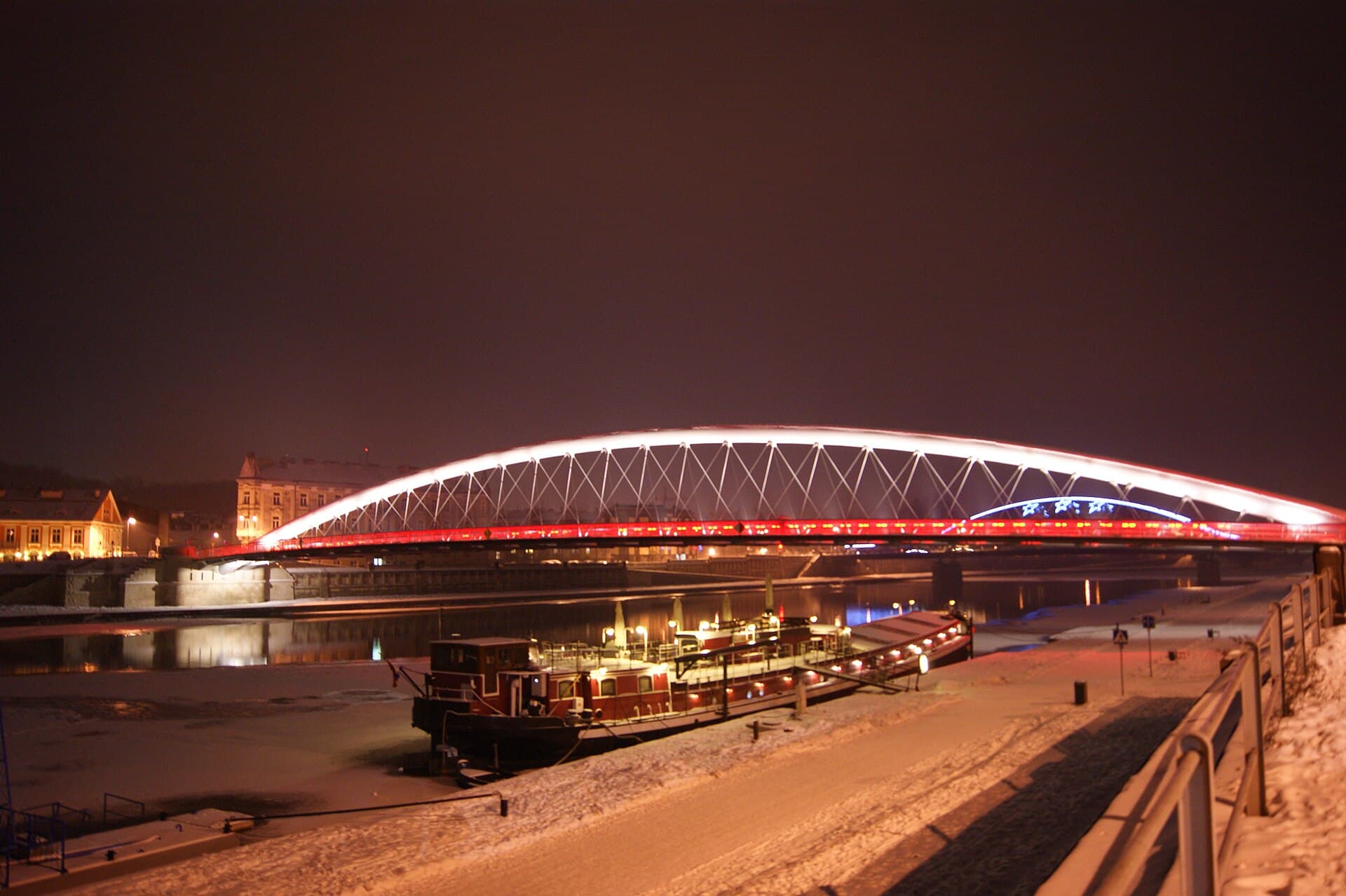 Father Bernatek FootbridgeA pedestrian and cycle bridge over the Vistula linking Kazimierz with Podgórze, 8 minutes walk4.9
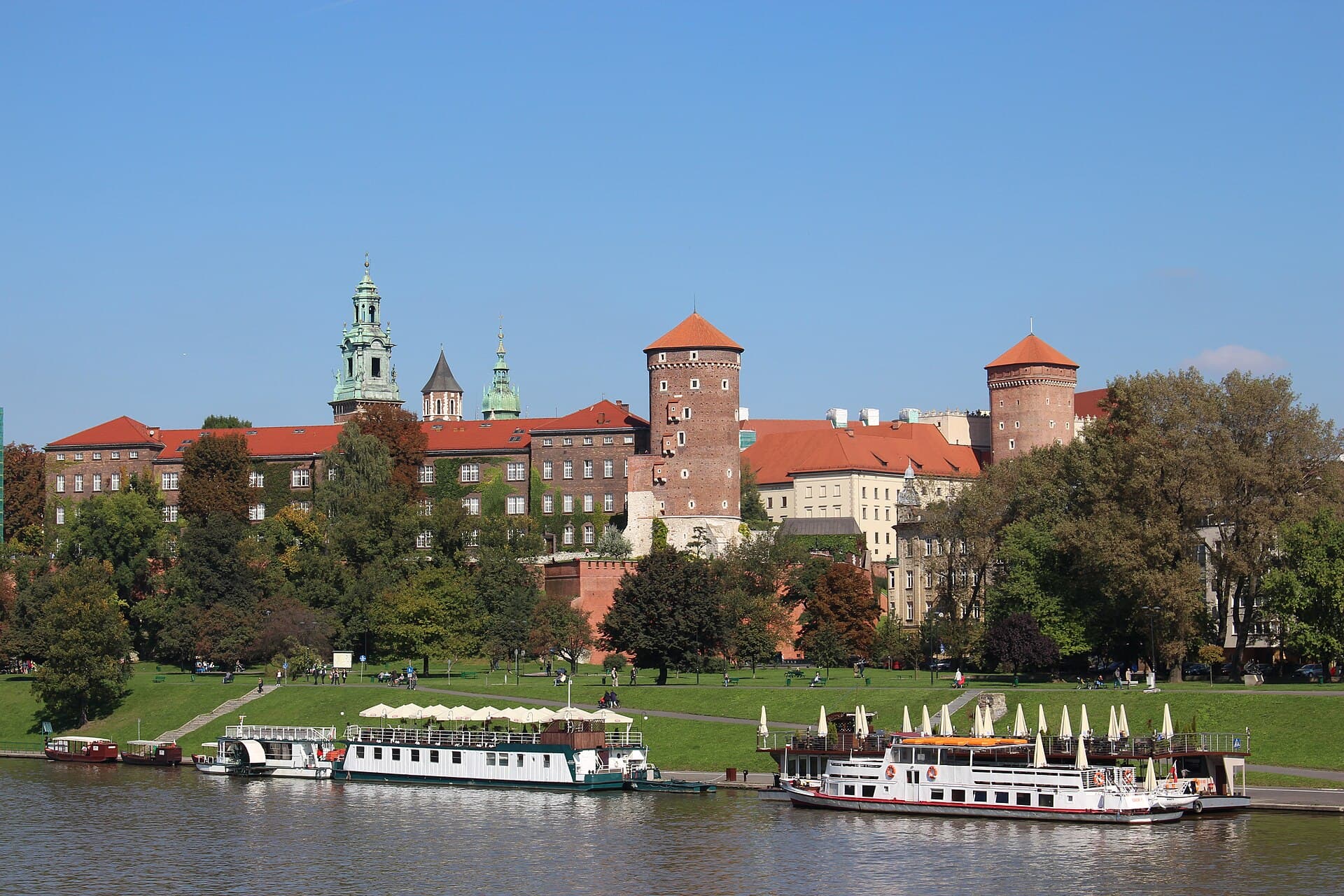 Wawel Royal Castle & CathedralWawel is Poland's national sanctum: the kings' hill over the Vistula where dynas8 minutes walk4.8
Kazimierz is practically its centre: certified Middle Eastern, Turkish and Indian tables cluster there and around the old town — and Polish cooking itself is a relative friend (pierogi in cheese, mushroom and salmon fillings carry no meat at all). Ask after lard and stock when strict — the question is familiar and unembarrassing.