
The rooftop aircraft
A cargo plane from the 1948 Berlin Airlift, mounted on the building's face and visible from the street.
Raimond Spekking — CC BY-SA 4.0 · Mallard60022 — CC BY-SA 4.0 · Falk2 — CC BY-SA 3.0 · Spyrosdrakopoulos — CC BY-SA 4.0
The German Museum of Technology in Berlin is a large museum of machines and transport, best known for the American cargo aircraft mounted on its roof, visible from the street. The plane is not decoration: it is the type that flew food and coal into West Berlin during the Soviet blockade of 1948. The museum is built into an old railway depot, with vast halls of steam locomotives around an original turntable, and sections on aviation, shipping, printing, textiles and photography. Beside it is the Science Center Spectrum, a hands-on wing for children with more than a hundred experiments you work yourself.
A cargo plane from the 1948 Berlin Airlift, mounted on the building's face and visible from the street.
Huge steam engines around an original turntable in the old railway depot.
More than a hundred experiments you operate yourself — the best part of the museum for children.
Trebbiner Str. 9, 10963 Berlin
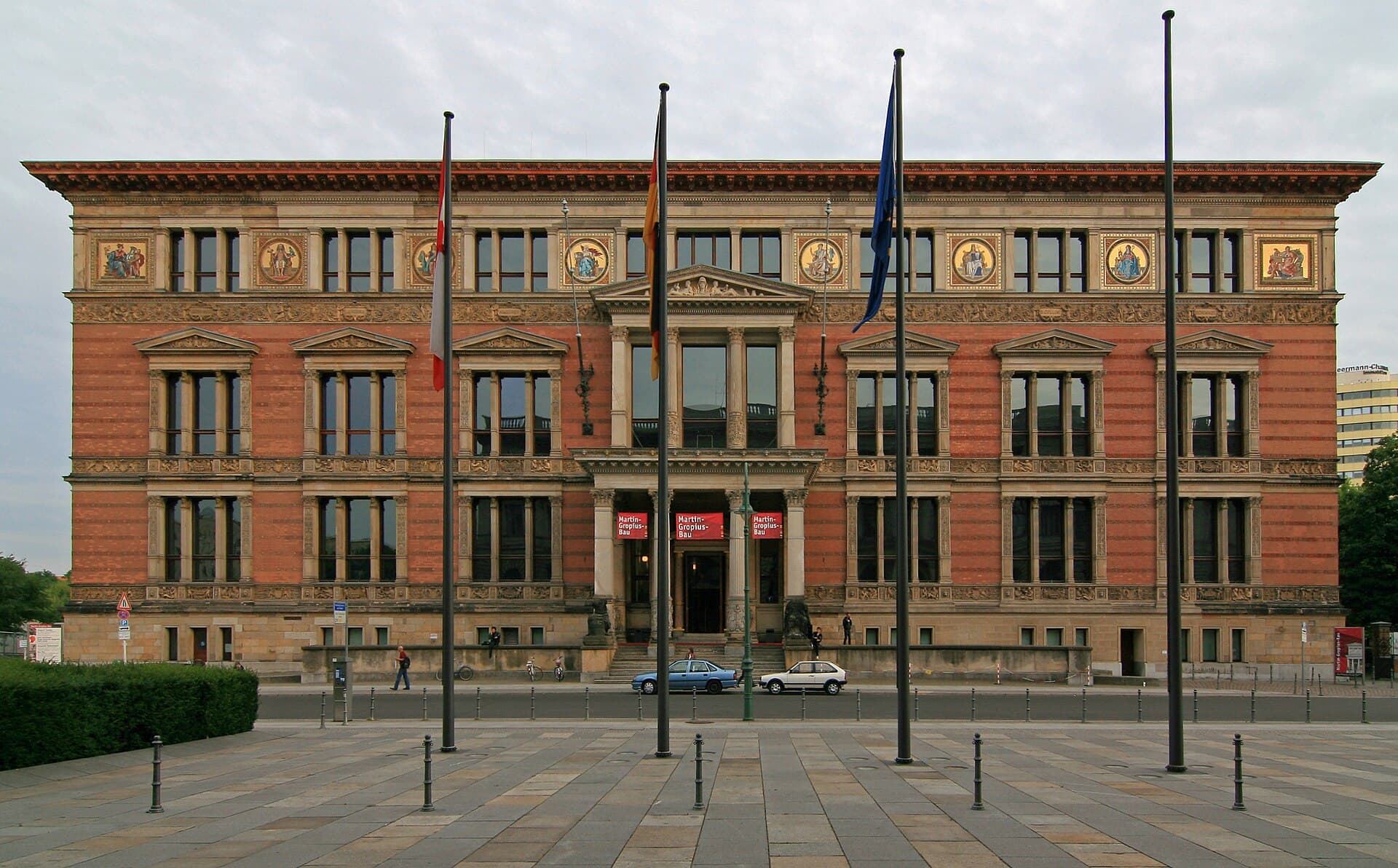 Gropius BauThe Gropius Bau is a major exhibition hall in an 1881 building by Martin Gropius12 minutes walk4.5
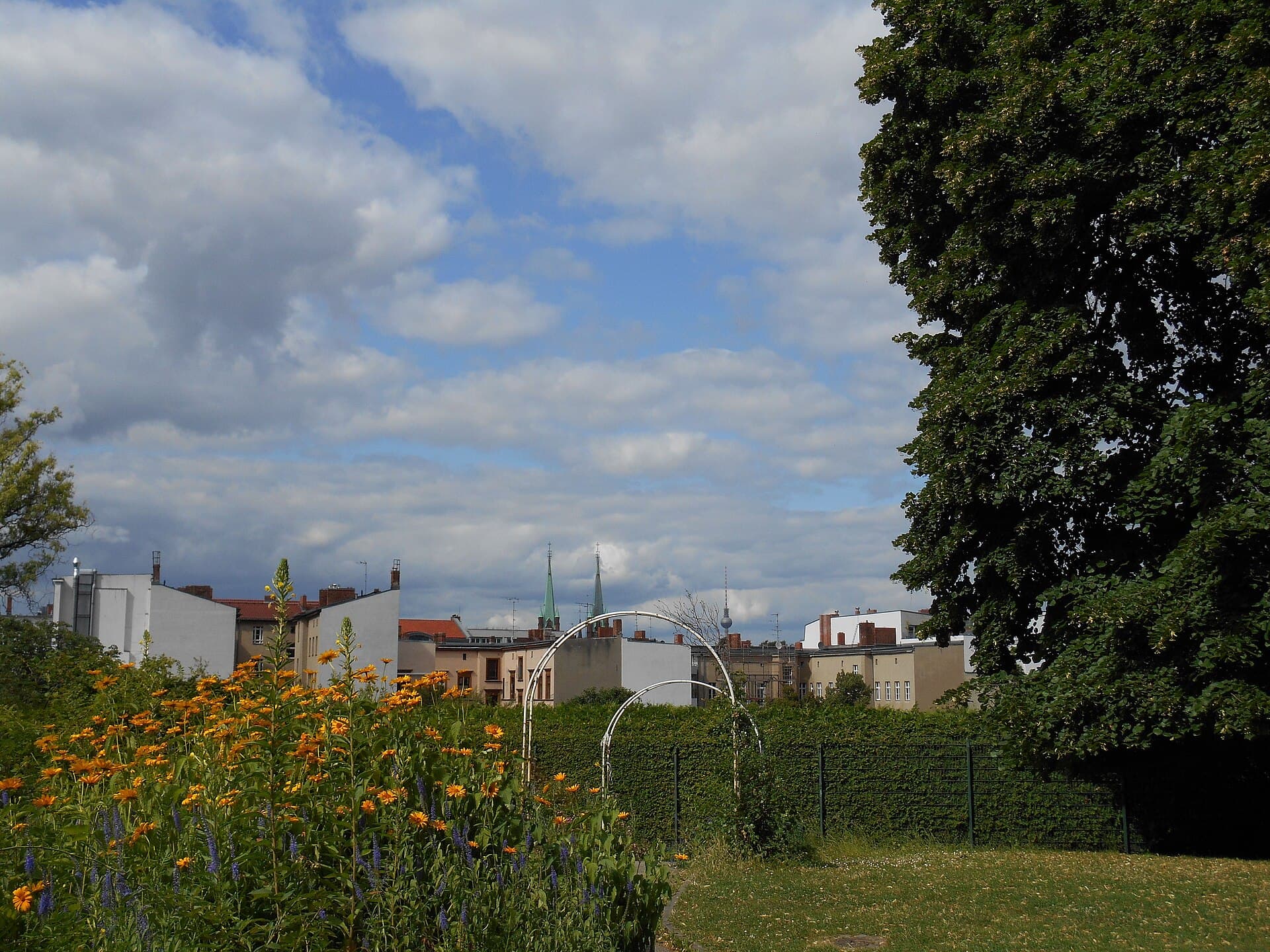 ViktoriaparkViktoriapark covers the Kreuzberg hill that gave the whole district its name, an14 minutes walk4.6
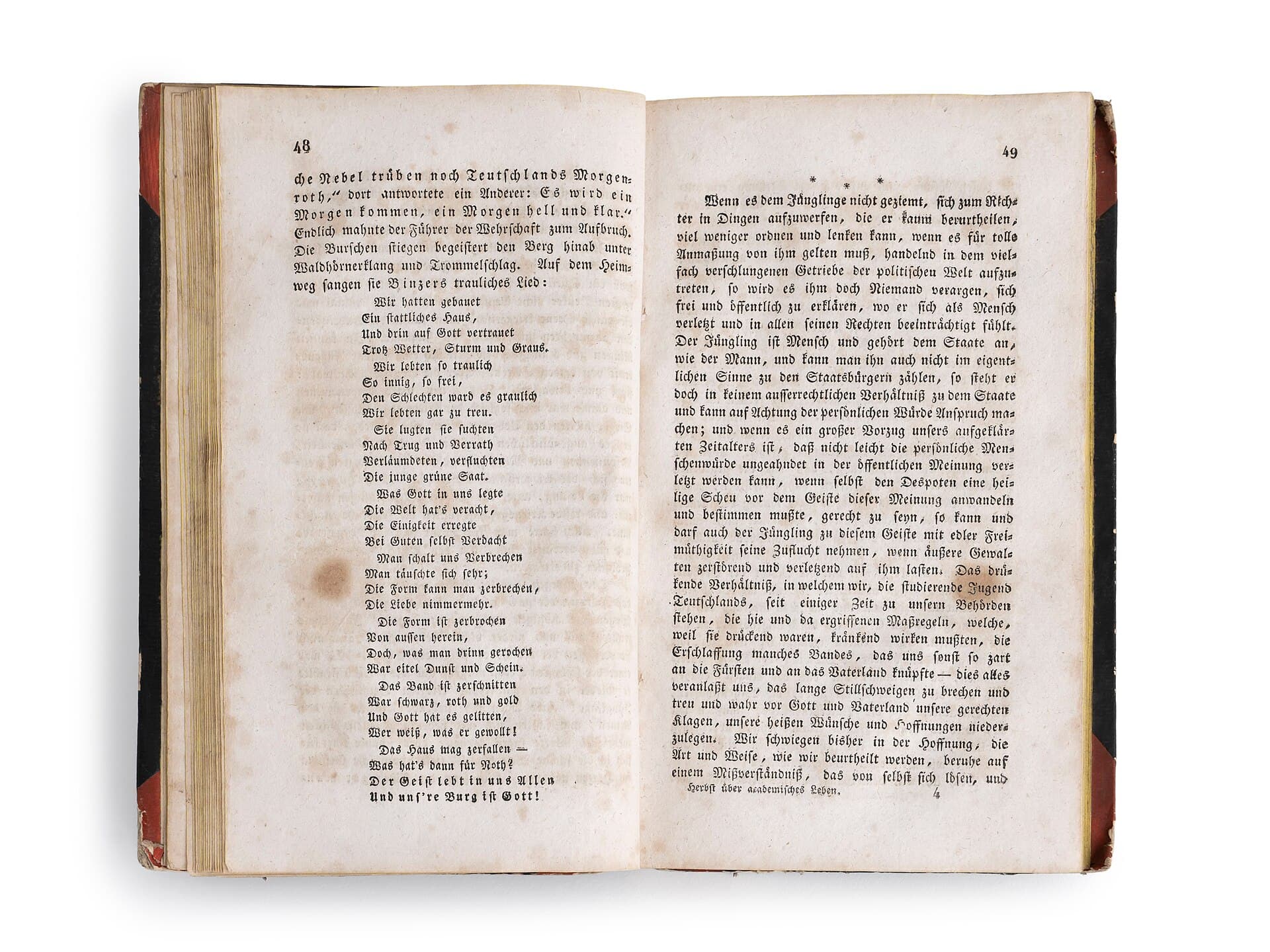 DeutschlandmuseumA recent museum near Potsdamer Platz presenting two thousand years of German his14 minutes walk4.7
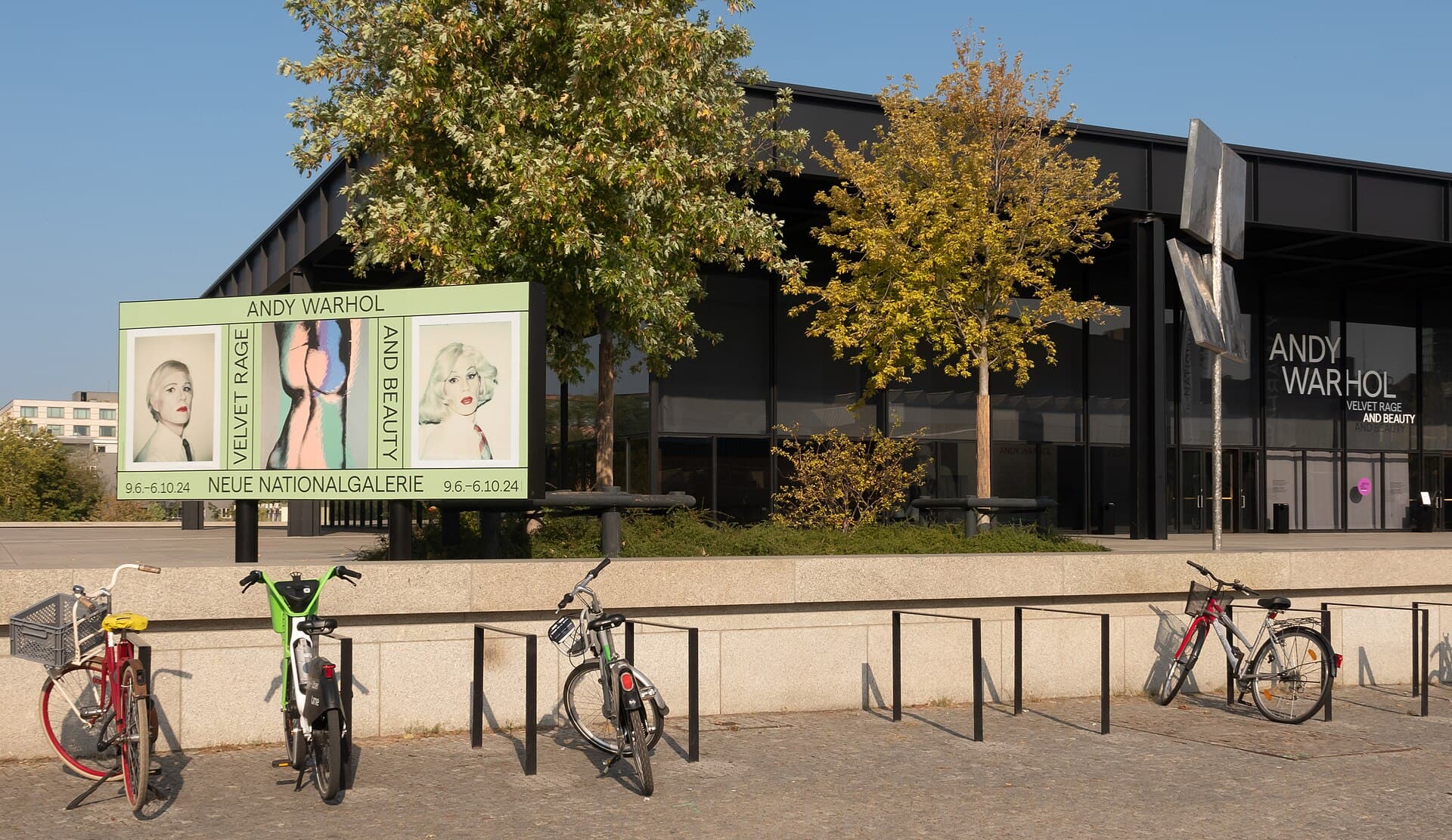 Neue NationalgalerieThe Neue Nationalgalerie was the last building Ludwig Mies van der Rohe complete14 minutes walk4.7
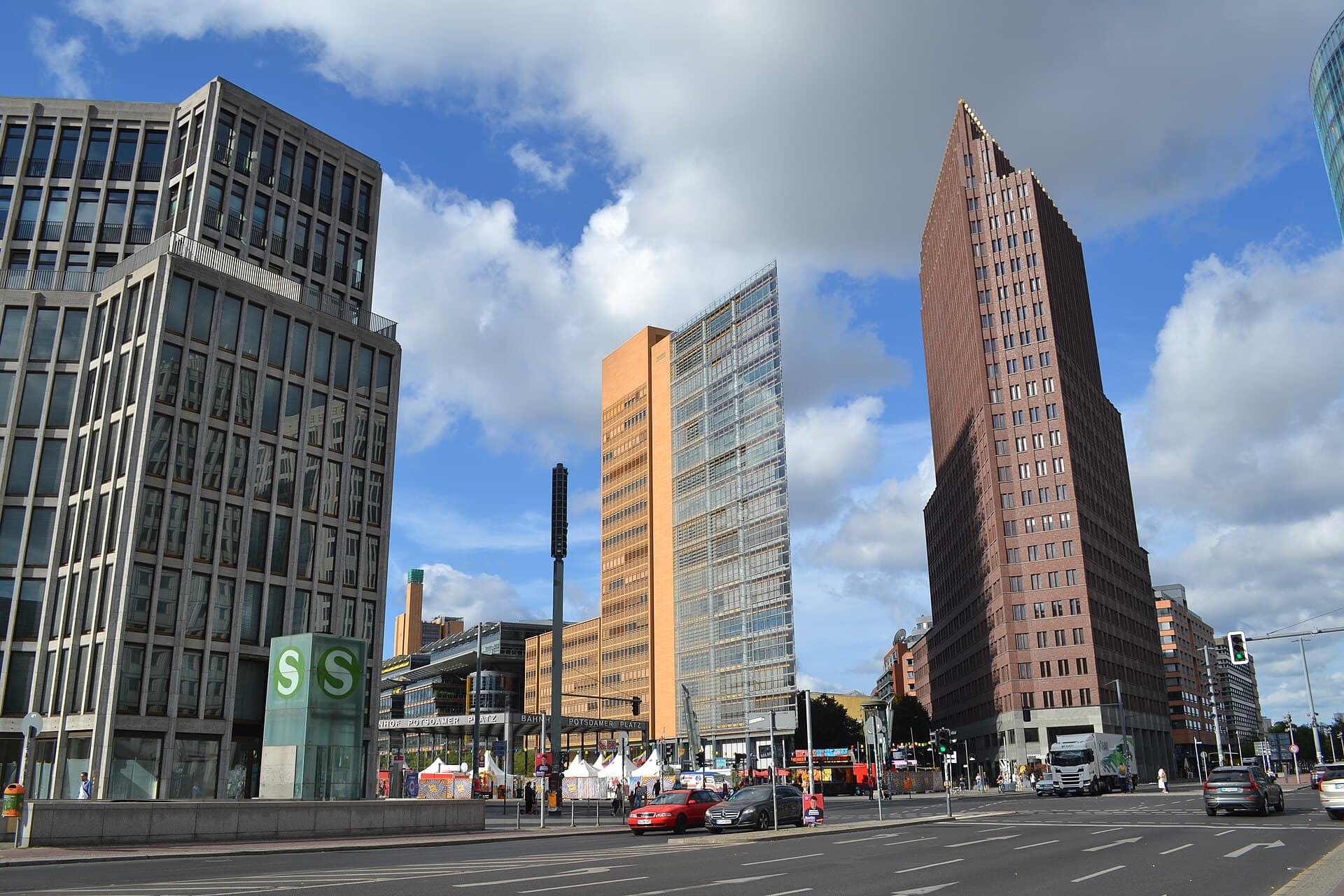 Potsdamer PlatzPotsdamer Platz is the whole story of Berlin in one place. Before the war it was14 minutes walk4.3
Very much so — one of Berlin's best family museums. The hands-on centre is designed for children, and the locomotives and aircraft hold every age. With under-eighteens free, the cost to a family is low.
Two hours for the main sections, half a day with the science centre or if trains interest you. It is larger than it looks from outside.
The Munich museum is far larger and broader. Berlin's is smaller but stronger on transport, railways and Berlin's own story, especially the 1948 airlift. If you see both, expect less overlap than you might think.