
The Carovana front
Vasari's drawn ornament — a palace wearing its tattoo.
Sailko — CC BY 3.0 · Nikolai Karaneschev — CC BY 3.0 · Nikolai Karaneschev — CC BY 3.0 · Nikolai Karaneschev — CC BY 3.0
The Knights' Square is the second Pisa the tower crowds miss: the city's Roman forum and its medieval republic's heart, reshaped — after Florence subdued Pisa — by Vasari for the naval Knights of St Stephen: producing the Palazzo della Carovana with its painted sgraffito front of ornament and zodiac, a living masterpiece housing one of Europe's elite academies — the Scuola Normale, nursery of Italy's brilliant and three Nobels. Its neighbour, the Clock Palace, hides Dante's famous horror: the Hunger Tower where Count Ugolino and his sons were starved to death (1289) — immortalised in the Inferno's harshest canto, the tower merged into the building and read from a plaque. Five minutes from the white field reaches it — and a quarter hour here returns Pisa its depth: a university city and sea republic, not a leaning tower alone.
Vasari's drawn ornament — a palace wearing its tattoo.
Dante's hunger tragedy fused into the wall.
Rome to republic to knights to prodigies — a square in strata.
Piazza dei Cavalieri, 56126 Pisa
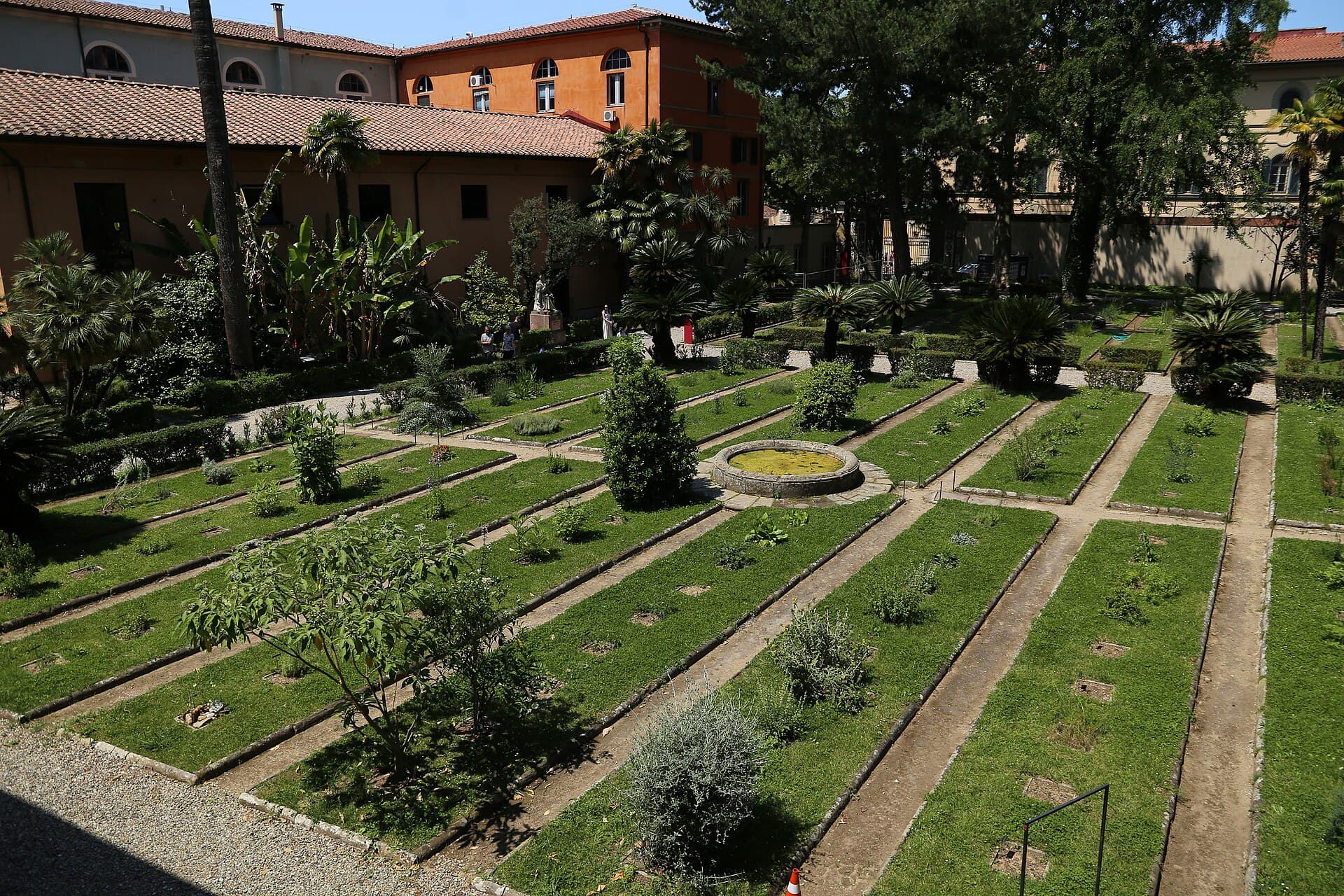 Pisa Botanical GardenIn 1543 — some sources say 1544 — Cosimo I de' Medici ordered a garden planted s4 minutes walk4.3
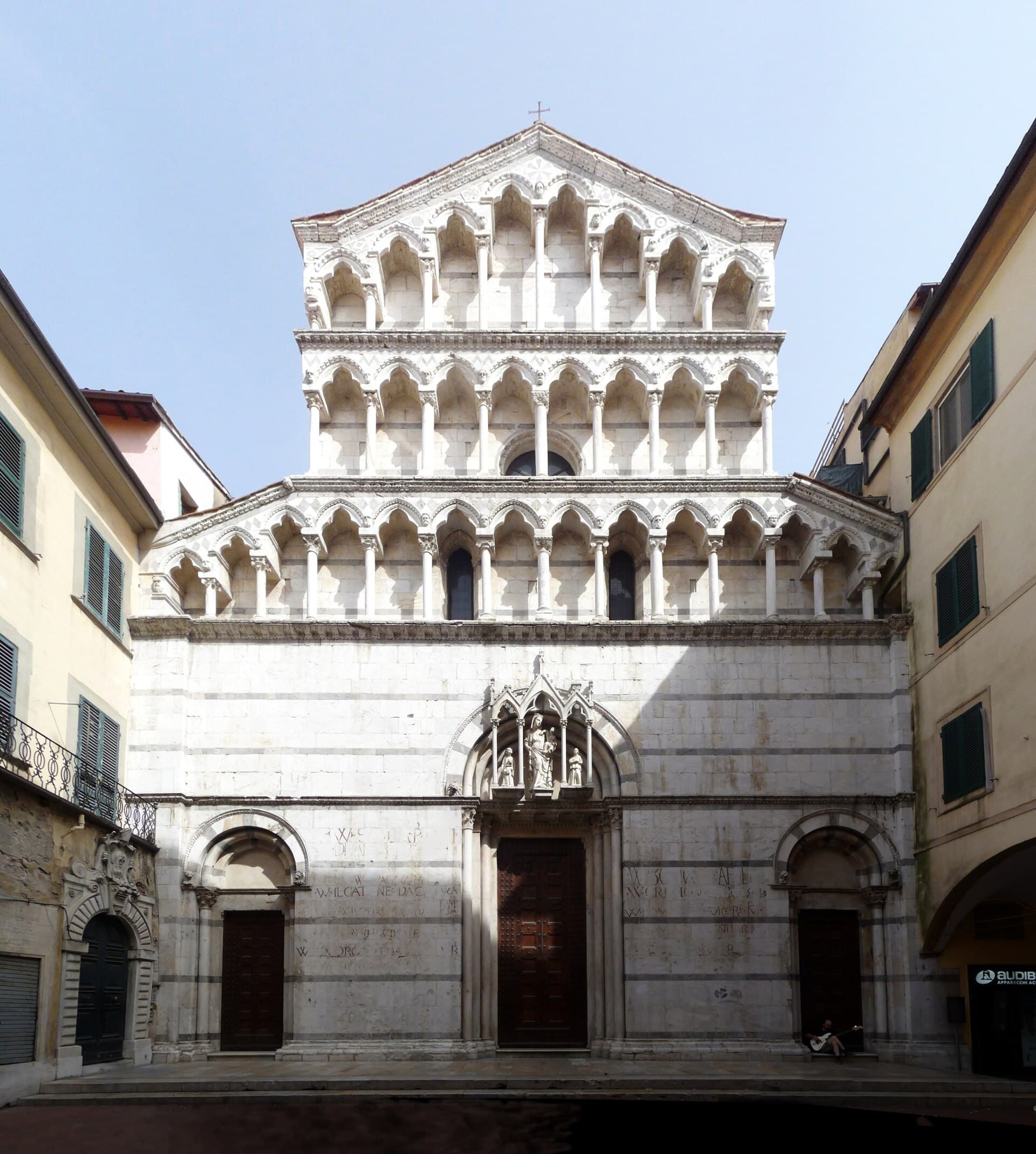 San Michele in BorgoIn 1597 and 1598, on the marble front of this church in the middle of Pisa's bus4 minutes walk4.5
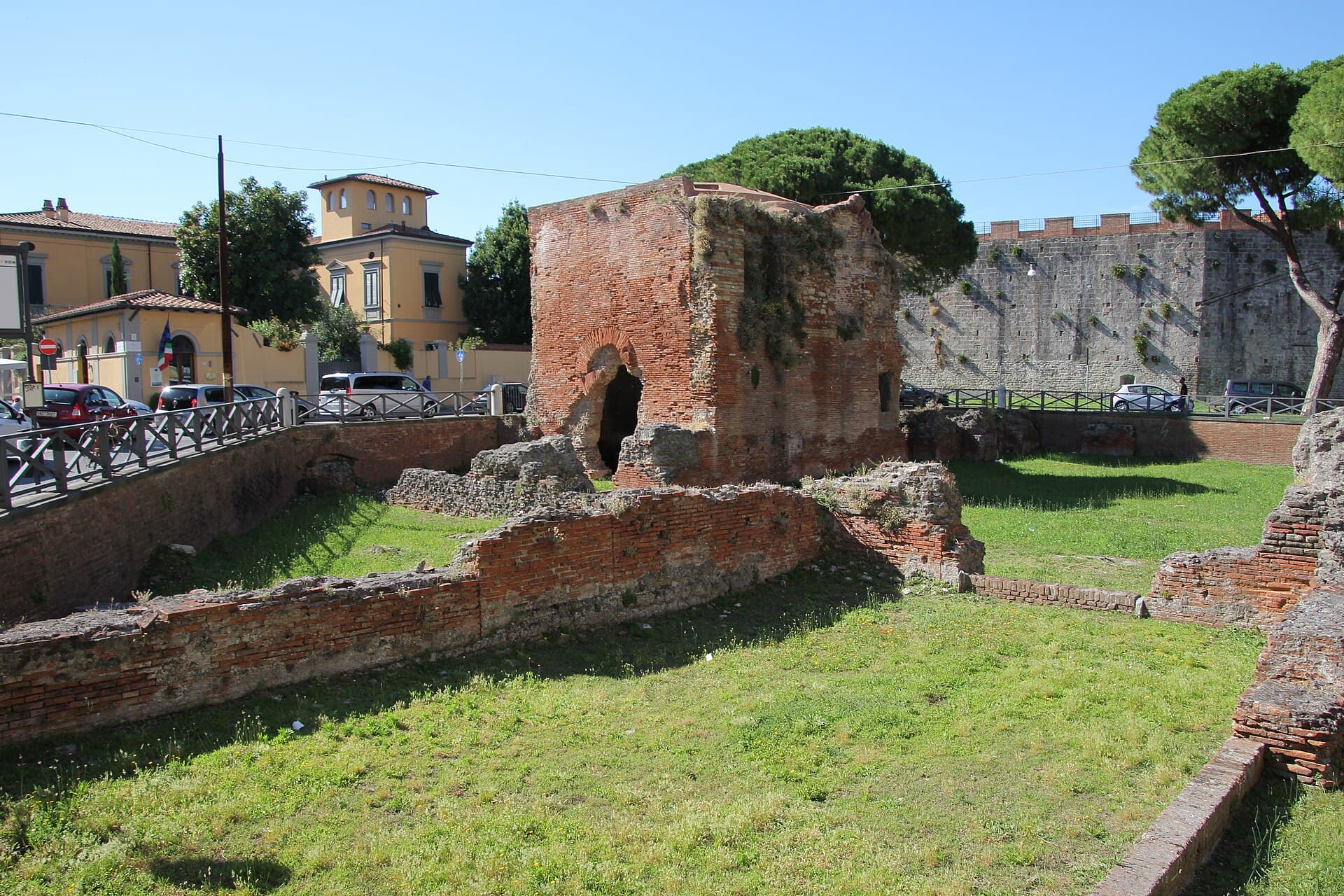 Baths of NeroThe name lies to you with total confidence. Nero neither built these baths nor e4 minutes walk4.0
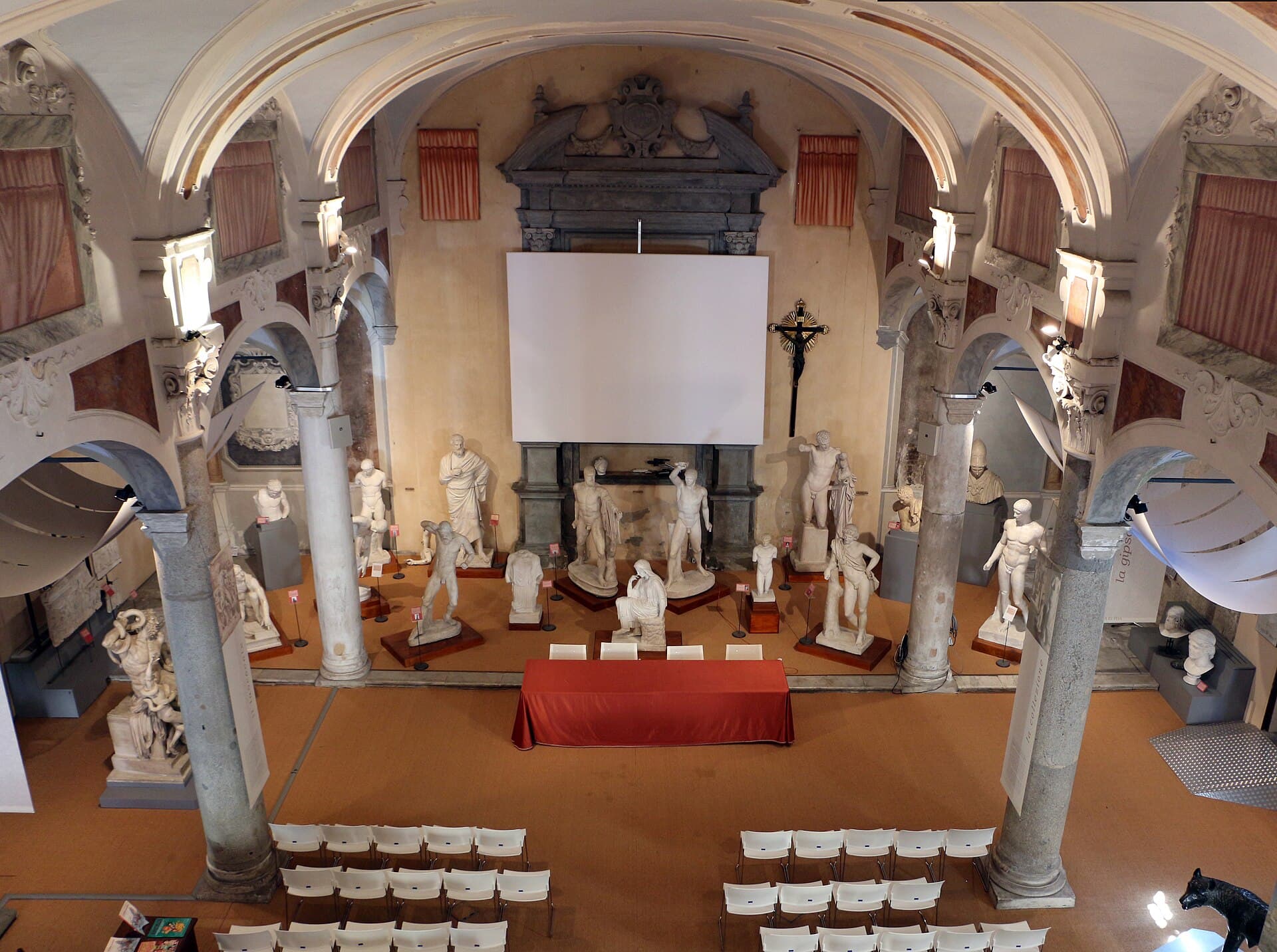 Gipsoteca di Arte Antica (Museum of Plaster Casts)The Laocoön wrestles his serpents beneath the arch of an empty Romanesque church5 minutes walk4.7
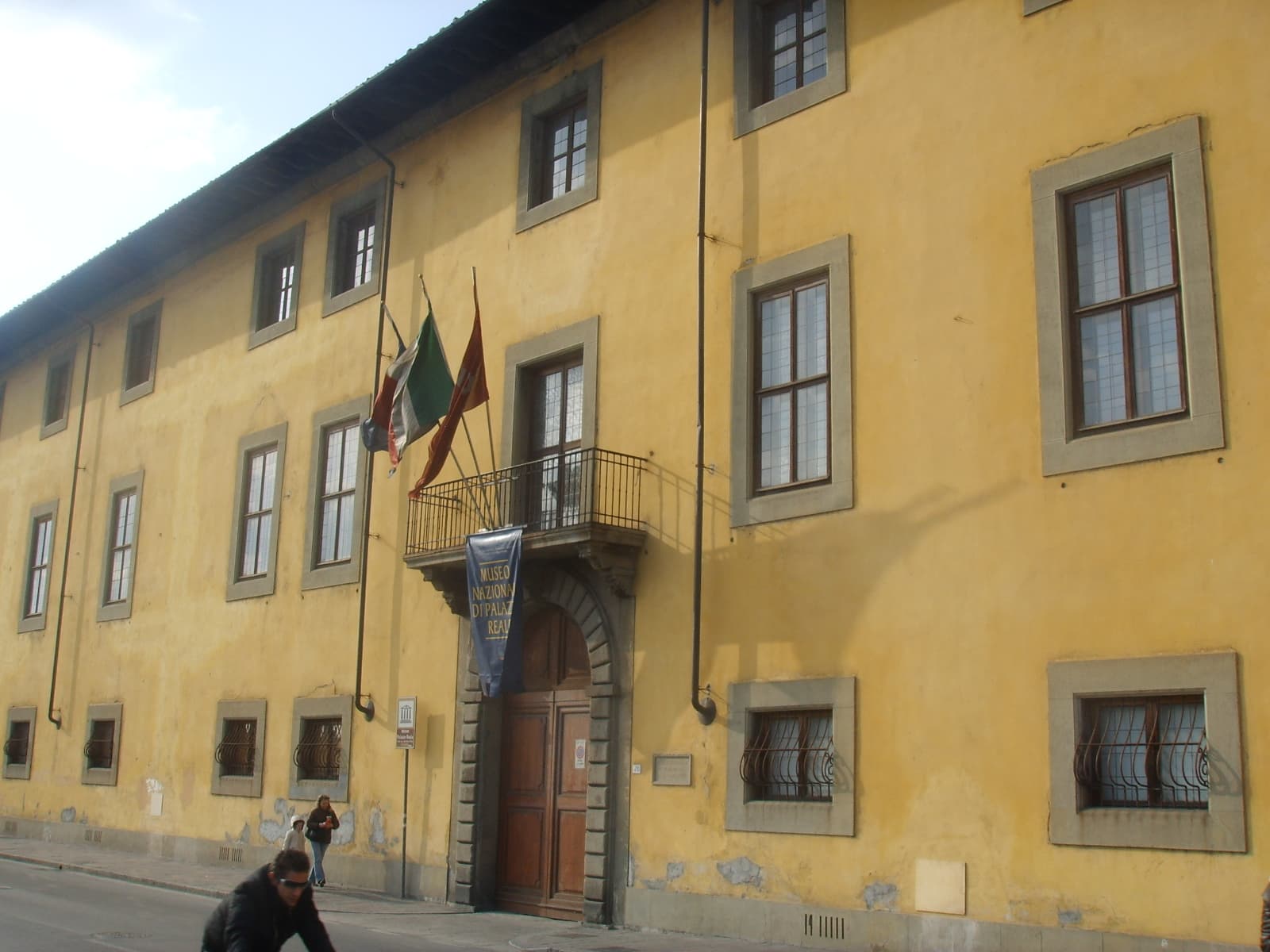 Museo Nazionale di Palazzo RealeA national museum inside Pisa's royal palace, on the bank of the Arno in the cit5 minutes walk4.1
A count and naval commander accused of betraying Pisa after its defeat by Genoa, locked with two sons and two grandsons in the tower, the key thrown to the river — starving to death (1289). Dante set him in Hell's depth gnawing his enemy's skull eternally and hinted worse — making the verse Italian literature's most famous ambiguity, the tower its shrine.
Napoleon's institute (1810) forging the elite by merciless exam and full scholarship — Fermi, Nobel laureates and presidents from its rolls: Italy's Harvard at three hundred students. Its presence keeps central Pisa young in cafés and life — the opposite of embalmed monument towns.