
The octagonal room
The Roman sweat room, with part of its perforated dome still standing after restoration, is the best-preserved piece of the complex and the one thing worth looking at properly.
Gianni Careddu — CC BY-SA 4.0 · Gianni Careddu — CC BY-SA 4.0 · Gianni Careddu — CC BY-SA 4.0 · Gianni Careddu — CC BY-SA 4.0
The name lies to you with total confidence. Nero neither built these baths nor ever saw them: the masonry belongs to the closing decades of the first century AD, under Domitian, a full generation after the emperor died, and the complex was rebuilt in the second century at the expense of a local grandee of the Venuleii family. The attribution to Nero was stuck on the place in the Middle Ages and never came off. What you actually get is a mass of red brick sunk below street level beside the Porta a Lucca — the remains of a Roman bath complex, and the last Roman building still standing anywhere in Pisa. The clearest survivor is an octagonal sweat room with an apse, part of its perforated dome still in place — repaired over the years, with its protective covering replaced in 2007 — ringed by fainter traces of the changing room, the warm room and the exercise yard. Water reached it from the river Auser and the Caldaccoli aqueduct out of San Giuliano Terme. The University of Pisa has dug around the site again since a campaign in the summer of 2017, adding detail about a Roman port city that all but vanished under the medieval one built on top of it. Let us be straight with you: the site is fenced, and you look at it through railings from the pavement. There is no ticket window, no path, no great sweep of interpretation panels. Five minutes and you have seen everything there is to see. Anyone who blocks out half an hour will spend most of it at the fence wondering what they missed, and the answer is nothing. Its location, though, turns it from a waste into a small gain. Right beside it stands the Bastione del Parlascio, a sixteenth-century bastion whose entrance opens onto Largo del Parlascio facing the ruin, and one of the ways up onto the walkway along Pisa's medieval walls — that one is ticketed, around 8 euro, and genuinely worth it, since the wall walk carries you all the way to the Campo dei Miracoli. On foot the Leaning Tower is under ten minutes on flat ground with no steps, easy with a pushchair or with older parents. Treat it as a stop on the way to the Campo dei Miracoli, not a destination in its own right.
The Roman sweat room, with part of its perforated dome still standing after restoration, is the best-preserved piece of the complex and the one thing worth looking at properly.
A city that was a significant Roman port has left nothing else standing above ground but this block of brick.
The Bastione del Parlascio, right beside the ruin, is an entrance to the walkway along Pisa's walls, and from it you can walk the ramparts to the Campo dei Miracoli — the real reason to come to this corner of town.
Largo del Parlascio, 56123 Pisa, Italy
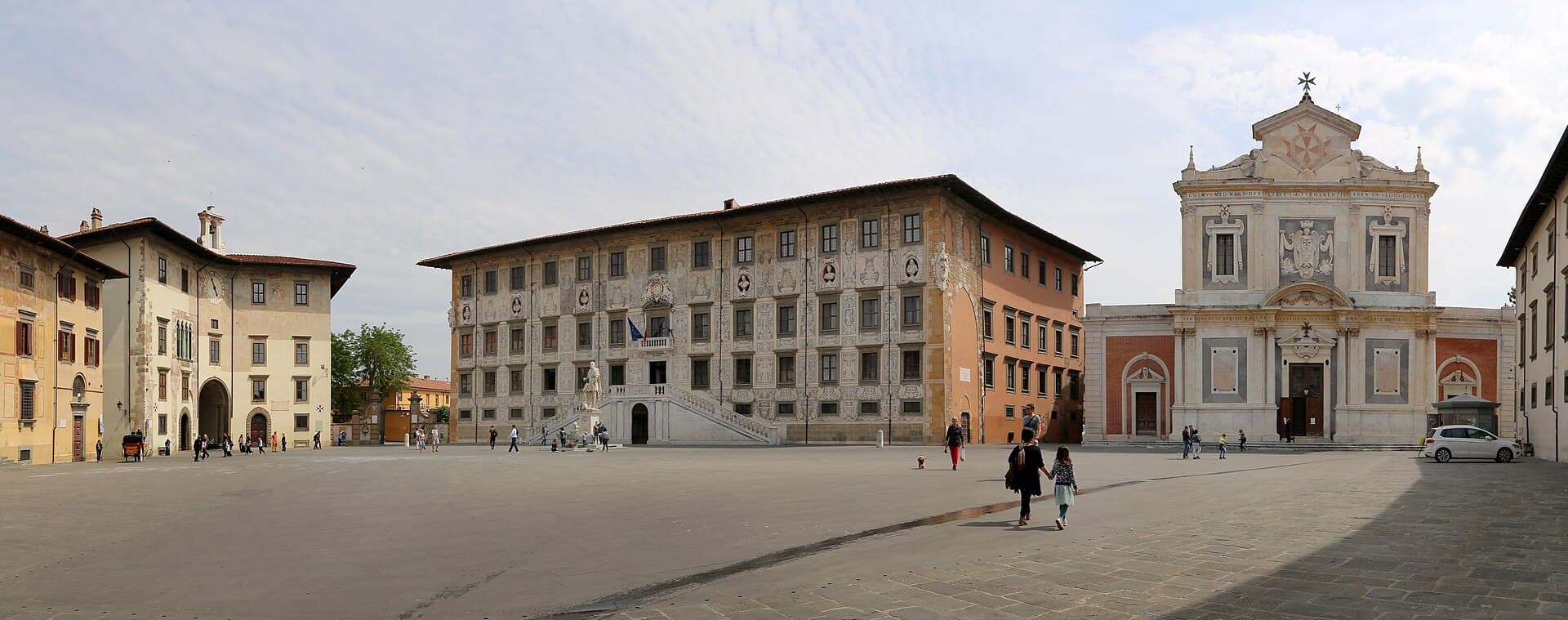 Piazza dei CavalieriThe Knights' Square is the second Pisa the tower crowds miss: the city's Roman f4 minutes walk4.7
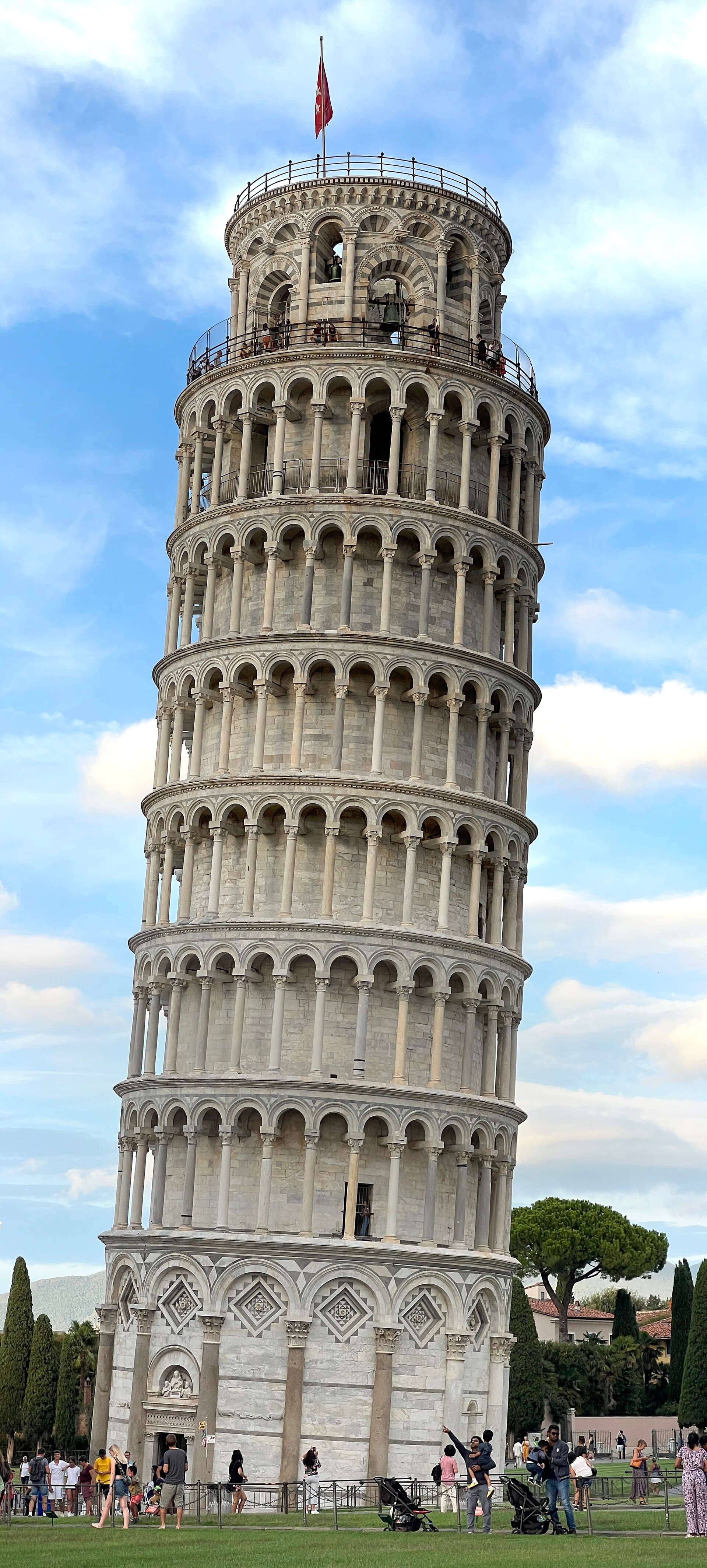 Leaning Tower of PisaThe Tower of Pisa is architecture's most famous and best-loved mistake: the cath5 minutes walk4.8
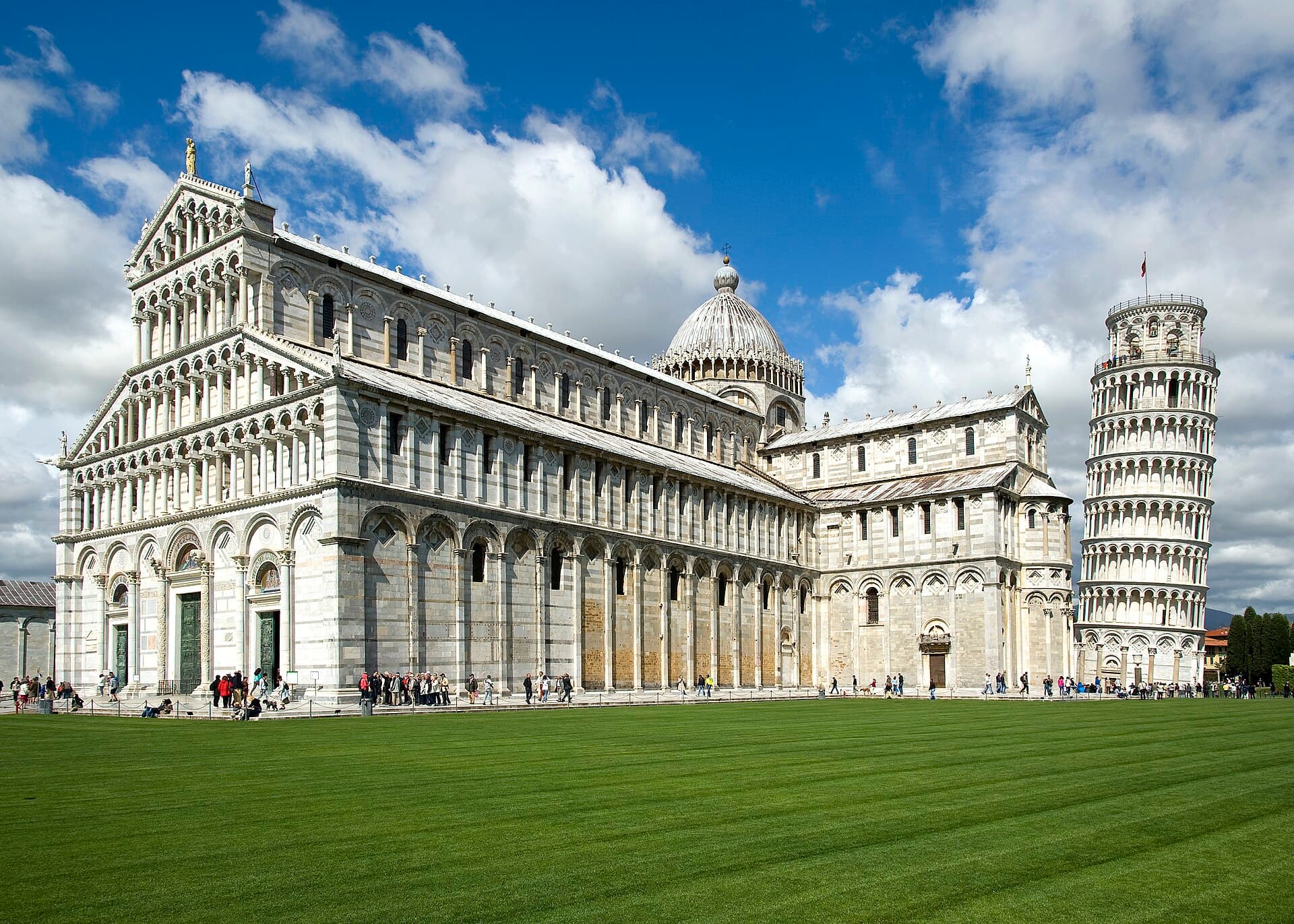 Pisa CathedralBefore the tower leaned, the cathedral was the miracle: Pisa began it (1064) as 7 minutes walk4.7
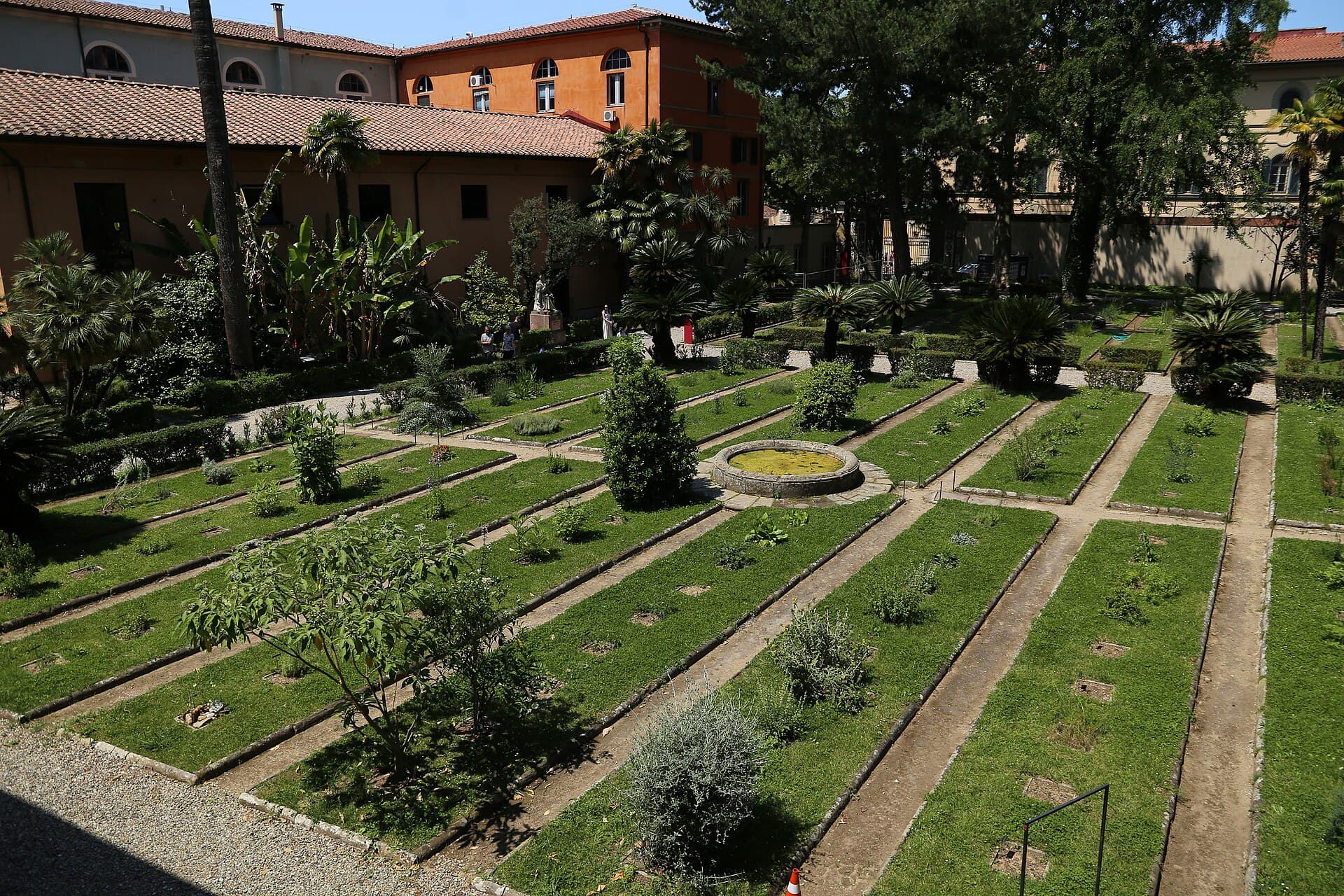 Pisa Botanical GardenIn 1543 — some sources say 1544 — Cosimo I de' Medici ordered a garden planted s7 minutes walk4.3
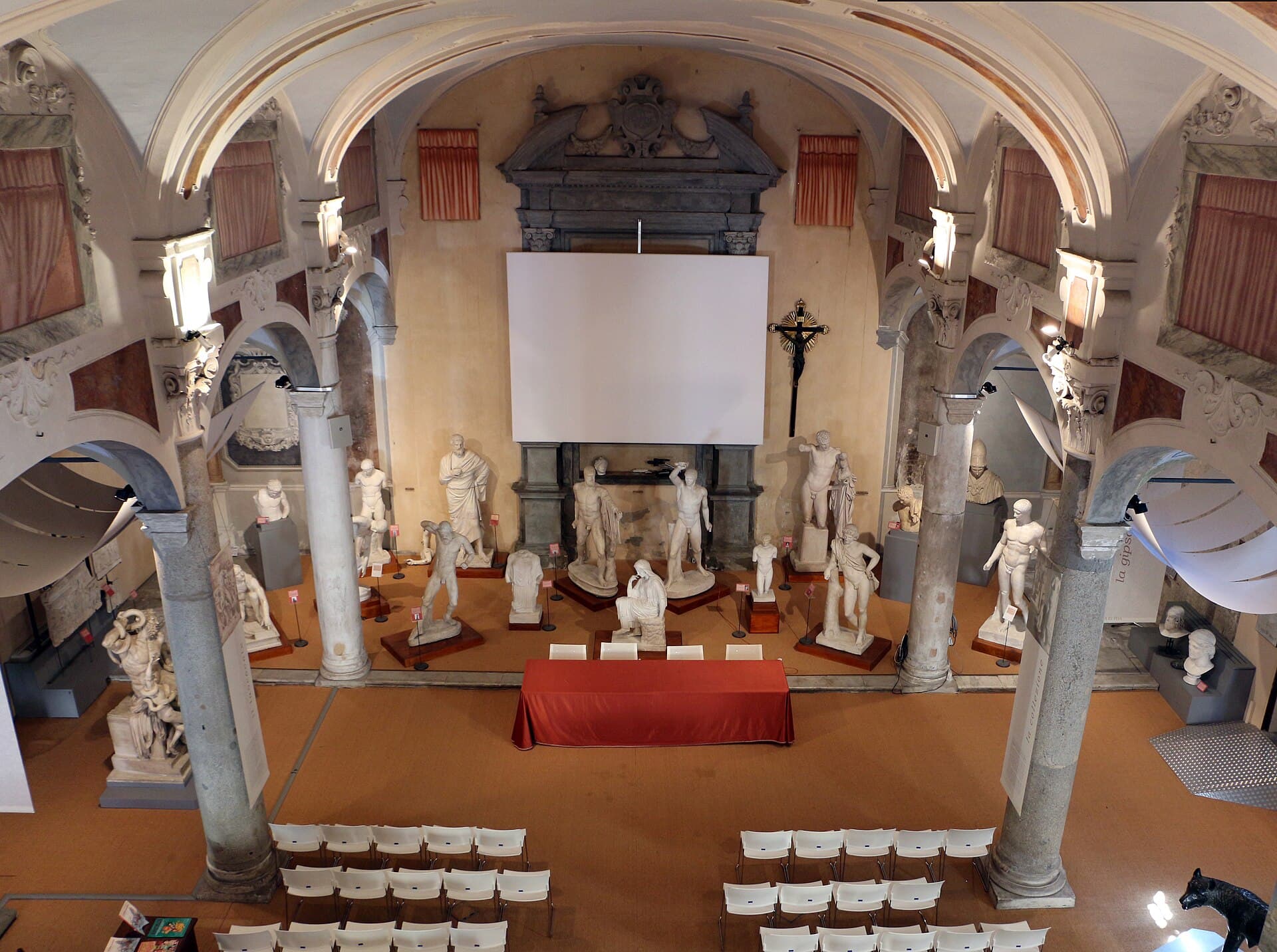 Gipsoteca di Arte Antica (Museum of Plaster Casts)The Laocoön wrestles his serpents beneath the arch of an empty Romanesque church7 minutes walk4.7
No, not as a destination on its own. If you are at the other end of Pisa, do not cross the city for it. But if you are heading to the Campo dei Miracoli, or up onto the walls at the Bastione del Parlascio, it is literally on your way and two minutes at the railing costs you nothing.
Not normally — the site has been fenced since the 1930s and is seen from the pavement. During its summer excavation seasons the University of Pisa has opened the dig to visitors free of charge on set afternoons, with archaeologists on hand to explain it, but these are a handful of dates and not something to plan around. Treat it as a happy accident if you catch one.