
The Blue Rider rooms
The blue horses and coloured mountains that began European abstraction — all here.
Burkhard Mücke — CC BY-SA 4.0 · Martin Falbisoner — CC BY-SA 4.0 · Wikiolo — CC BY-SA 3.0 · Wikiolo — CC BY-SA 3.0
The Lenbachhaus is a nineteenth-century artist's villa with an Italian garden, extended by a gold-toned modern wing, and it holds Munich's greatest artistic moment: the Blue Rider group, born in this city in 1911, which turned European art towards abstraction. Here is the world's largest collection of Kandinsky, Franz Marc, Gabriele Münter and their circle: blue horses, yellow mountains, colour freed from describing the world so it could speak feeling instead. Münter herself gave the museum hundreds of works she had hidden through the war — that gift is the heart of the place. The museum is a comfortable, untiring size, and its position by Königsplatz lets it join the Glyptothek and the square's museums in a single art walk.
The blue horses and coloured mountains that began European abstraction — all here.
Hundreds of works Gabriele Münter hid through the war, then gave to the city.
The painter Lenbach's Italianate house and garden — a museum inside an artwork.
A modern extension in gold metal that has become a landmark in itself.
Luisenstrasse 33, 80333 Munich
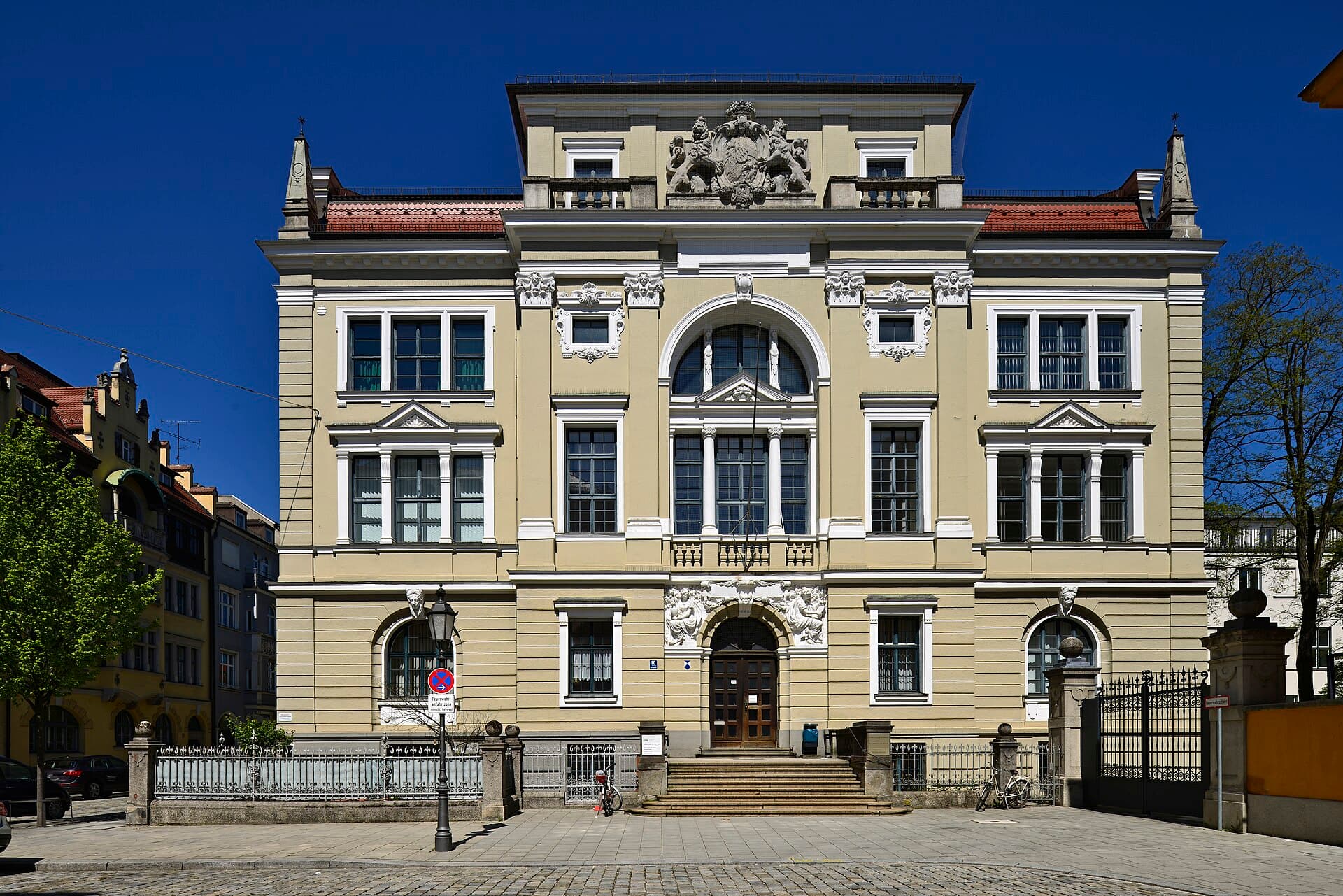 The Palaeontological MuseumMunich's palaeontological museum belongs to the Ludwig Maximilian University and1 minute walk4.6
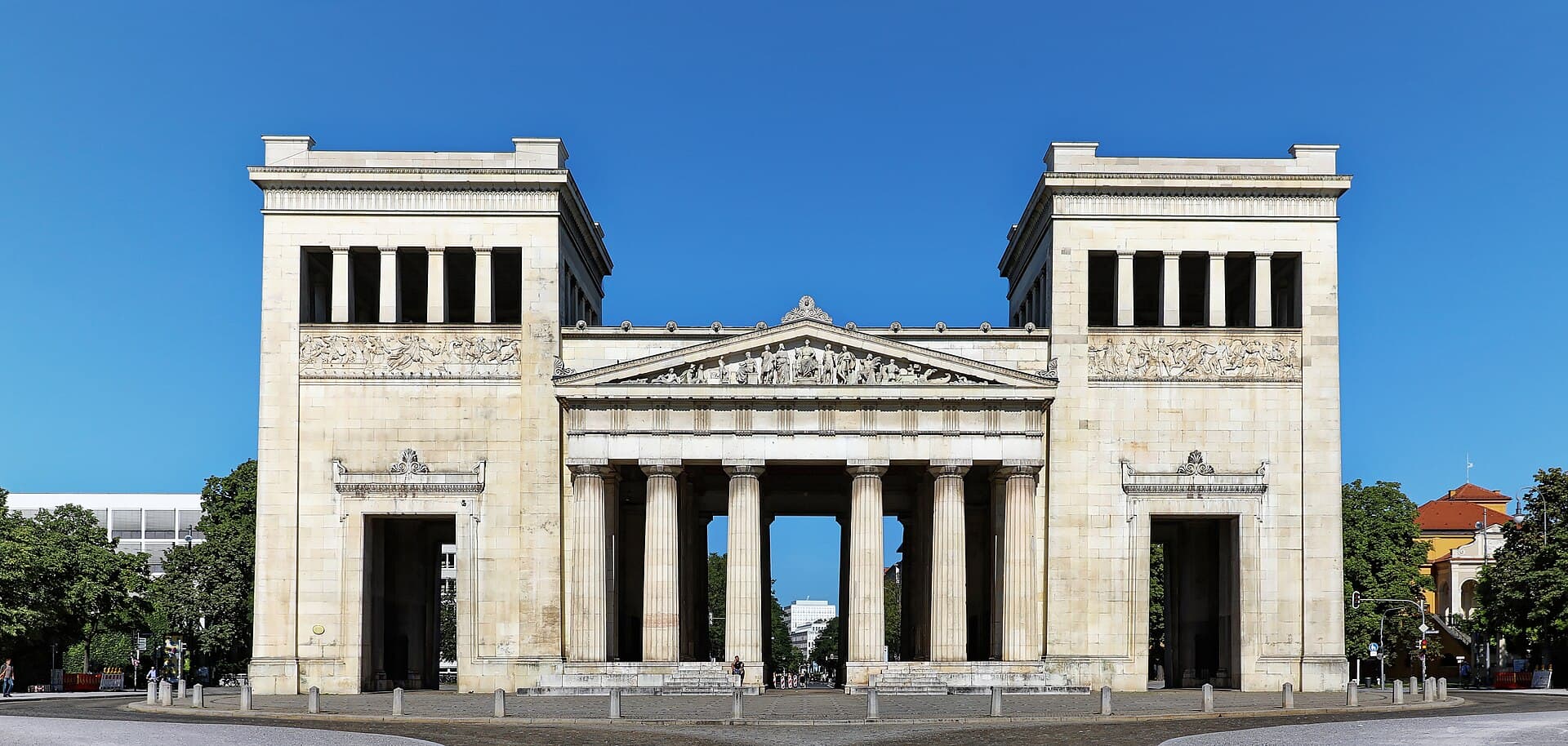 PropylaeaThe Propylaea is a massive Doric gateway closing the western end of Koenigsplatz1 minute walk4.8
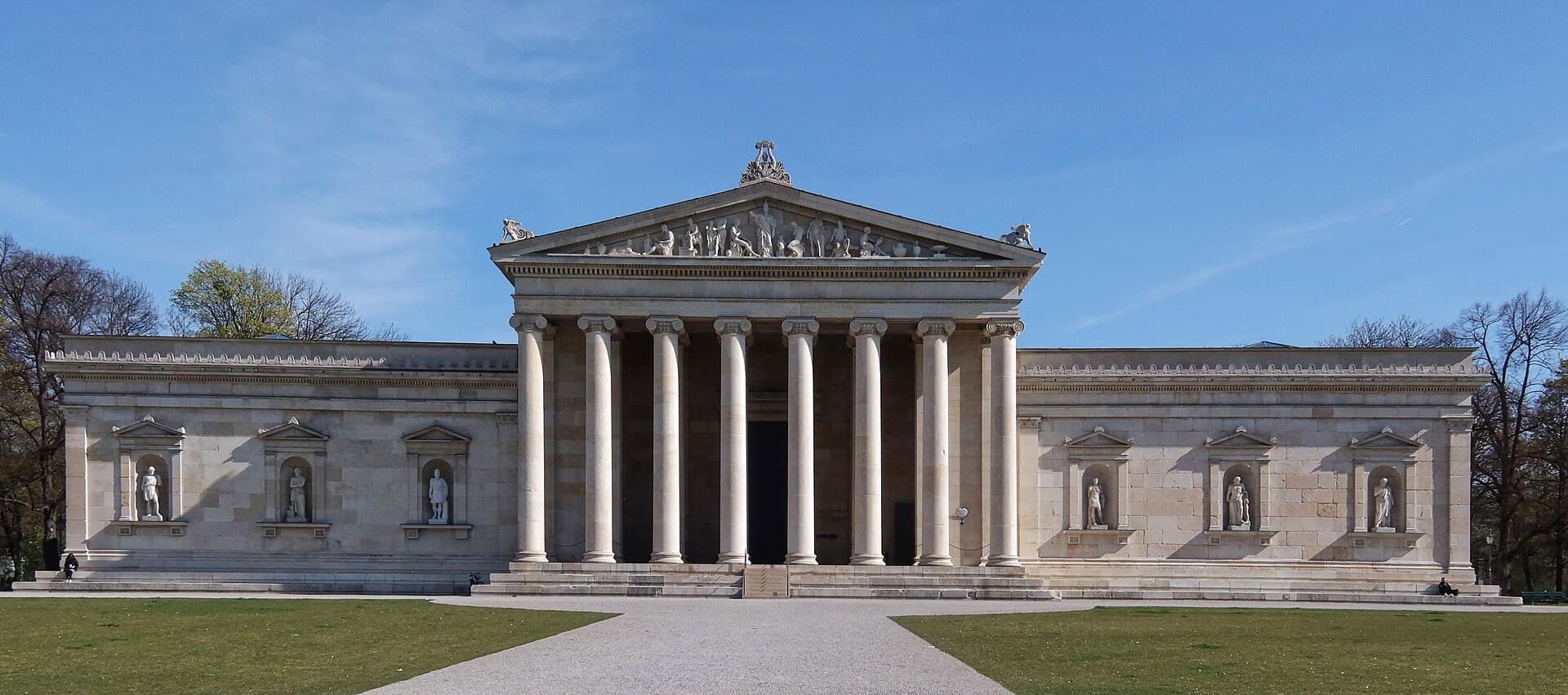 GlyptothekThe Glyptothek is Munich's oldest public museum, built by King Ludwig I and open2 minutes walk4.8
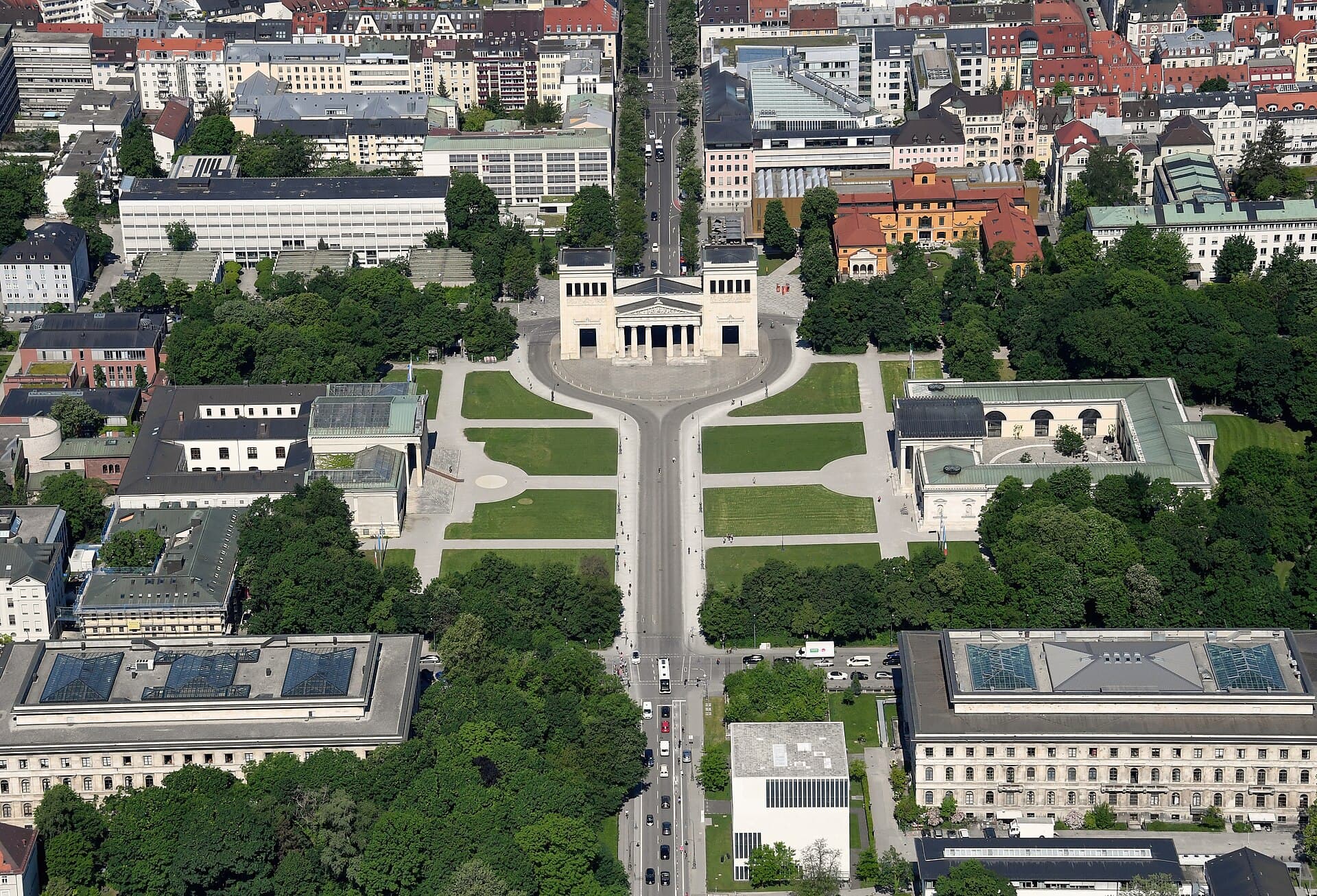 KönigsplatzKönigsplatz is a large open square in Munich, built in the nineteenth century in2 minutes walk4.5
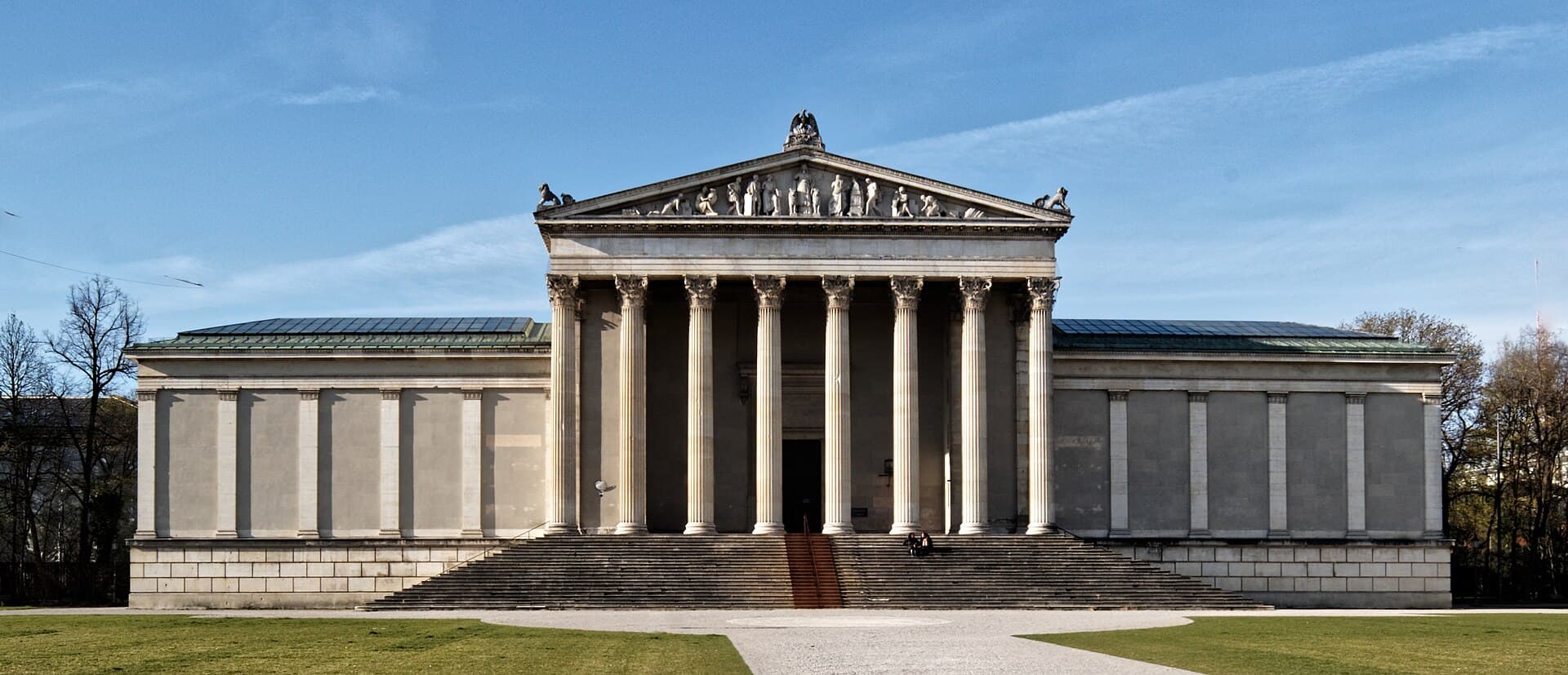 Staatliche AntikensammlungenOn the south side of Koenigsplatz stands a Corinthian-columned building put up b3 minutes walk4.3
An artists' group founded by Kandinsky and Marc in Munich in 1911, convinced that colour and form could speak to the spirit directly without imitating reality — and thus a gateway to all abstract art. The name came from Kandinsky's love of riders and Marc's of blue.
It is the best doorway into it: these works sit just before full abstraction — horses, mountains, villages, but in liberated colour — so you follow the road from reality to abstraction step by step, with your own eyes.
Ninety minutes for the core. It sits on the corner of Königsplatz: pair it with the Glyptothek's ancient sculpture, with the square's cafés between — a complete art day in one block.