
The preserved workshop
Tools and first engine models in place.
Dr. Bernd Gross — CC BY-SA 3.0 de · Dr. Bernd Gross — CC BY-SA 3.0 de · Dr. Bernd Gross — CC BY-SA 3.0 de
This small glasshouse in a garden in Bad Cannstatt is where the modern engine was born. Gottlieb Daimler bought a villa here in 1882 and converted the greenhouse in its garden into a secret workshop, and in it he and Wilhelm Maybach developed the first high-speed petrol engine practical for use in vehicles. The secrecy was not a choice: the two men worked at night behind covered windows, until neighbours suspected them of counterfeiting money and called the police, who raided the workshop and found only machinery. Out of this shed came the Grandfather Clock — the engine later fitted to a bicycle and then a carriage, beginning the age of the motor car. The workshop is preserved today with its tools and models of those first engines, and the garden around it is public. The place is very small and takes no more than half an hour, but it carries exceptional historical weight — and it complements the vast Mercedes museum in the city by showing you where everything actually began.
Tools and first engine models in place.
The engine that began the motor age.
Taubenheimstrasse 13, 70372 Stuttgart
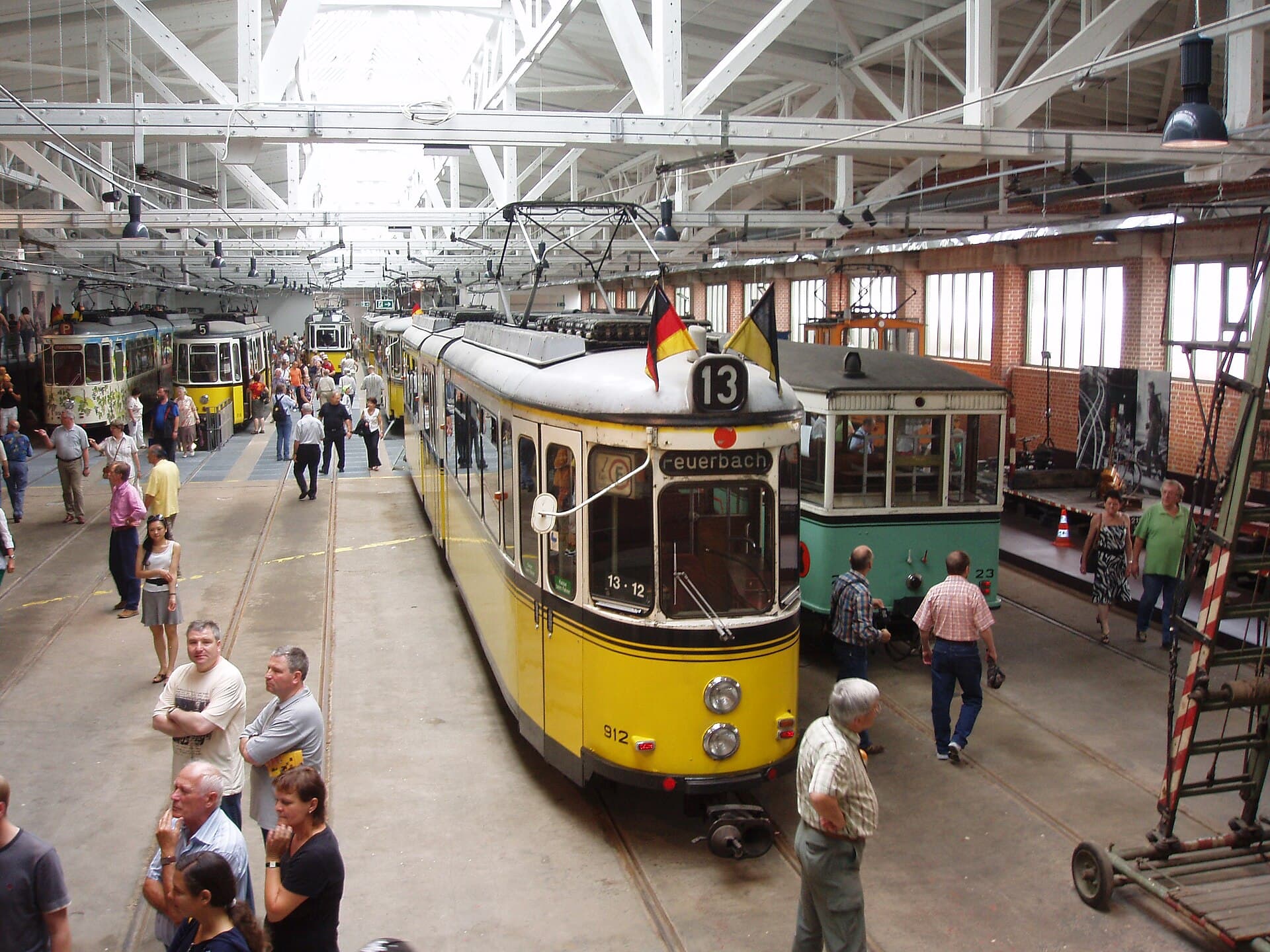 Stuttgart Tram WorldThe tram museum of the municipal transport company occupies the old Bad Cannstat13 minutes walk4.6
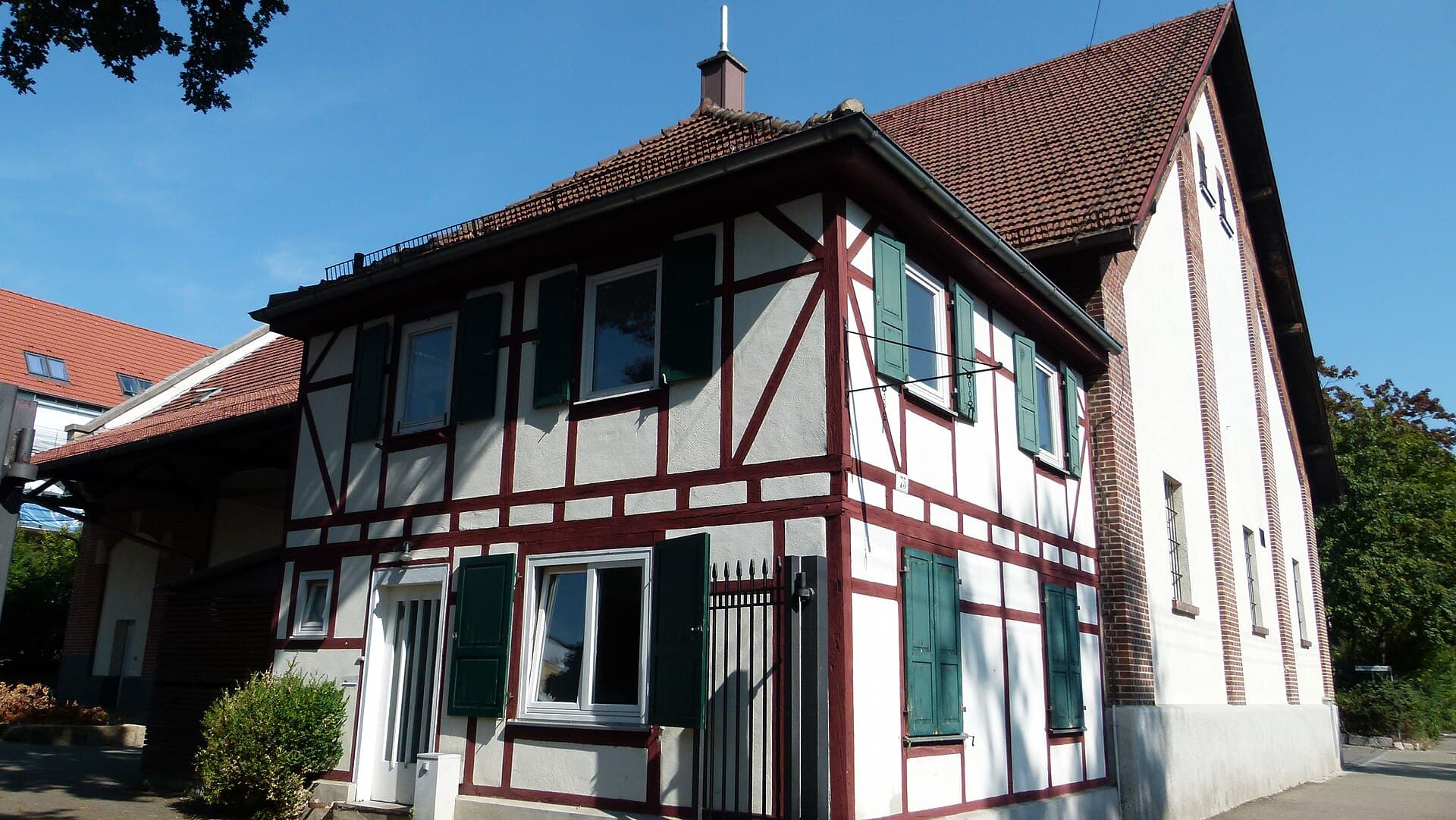 The Roman Fort at Bad CannstattThe Roman fort at Bad Cannstatt is Stuttgart's true origin: the Romans establish16 minutes walk4.3
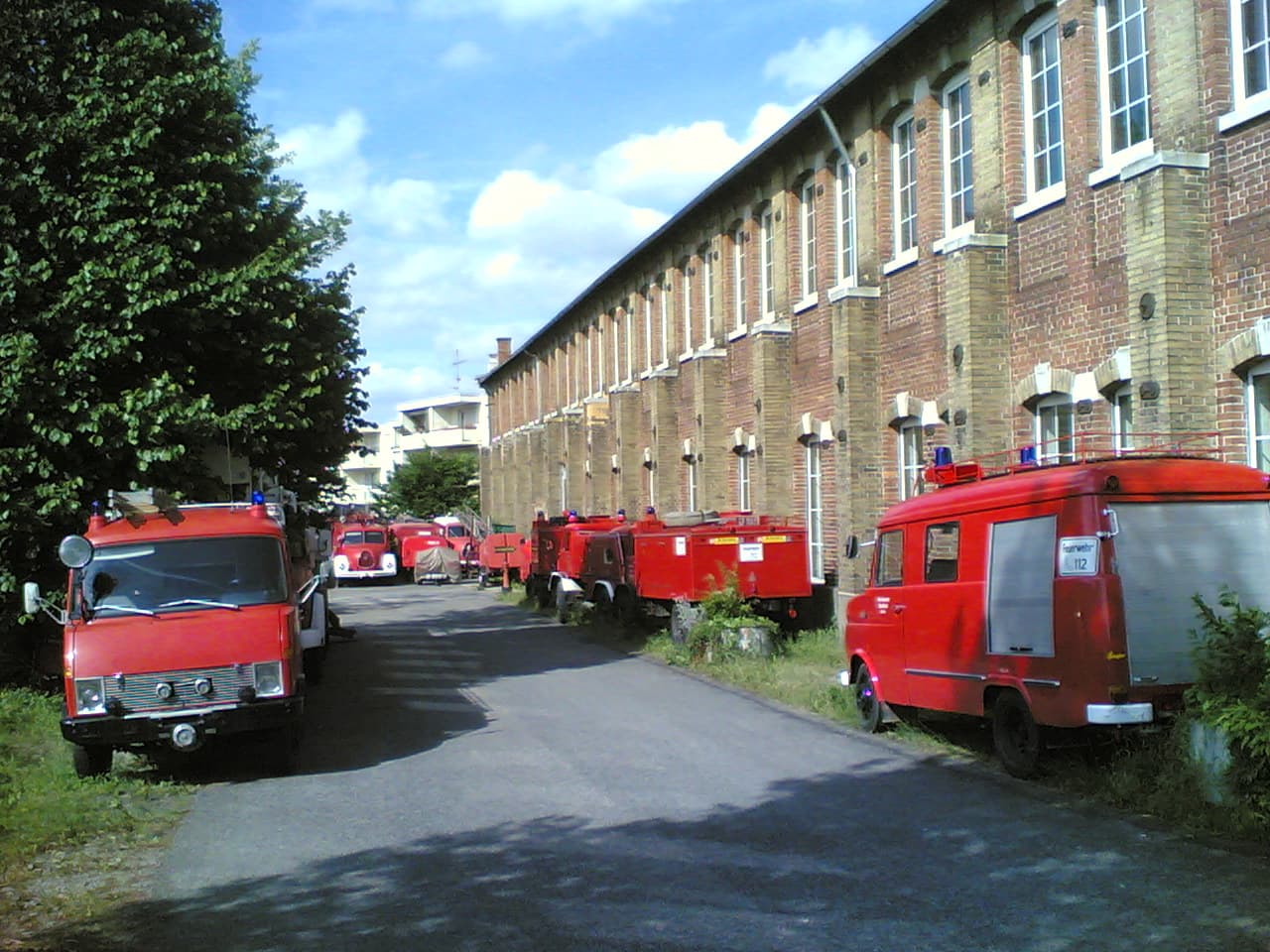 Stuttgart Fire Brigade MuseumStuttgart's fire brigade museum documents two centuries of firefighting in the r17 minutes walk4.6
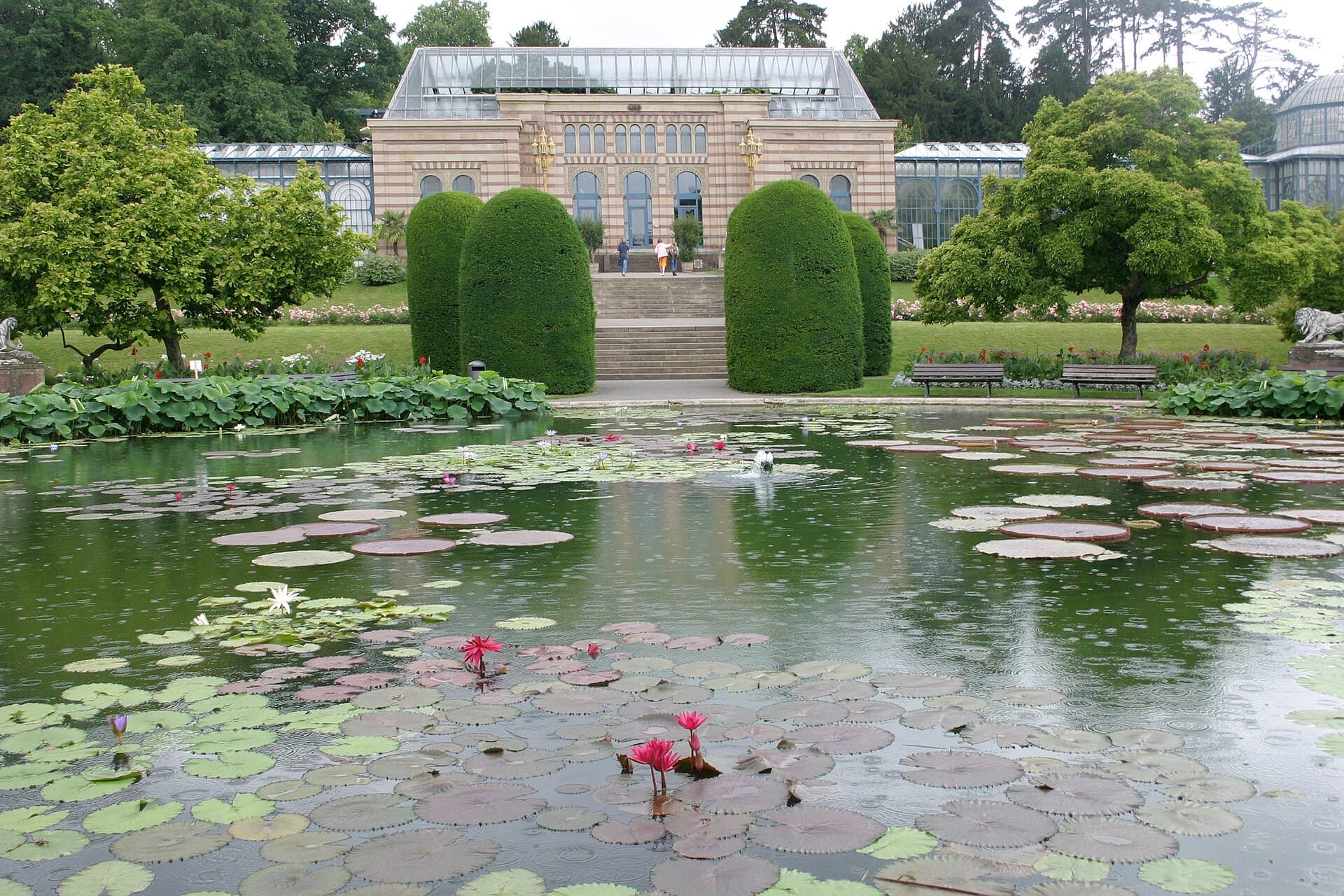 Wilhelma — Royal Zoological & Botanical GardenThe Wilhelma is a one-off: a combined zoo and botanical garden inside a royal pa19 minutes walk4.4
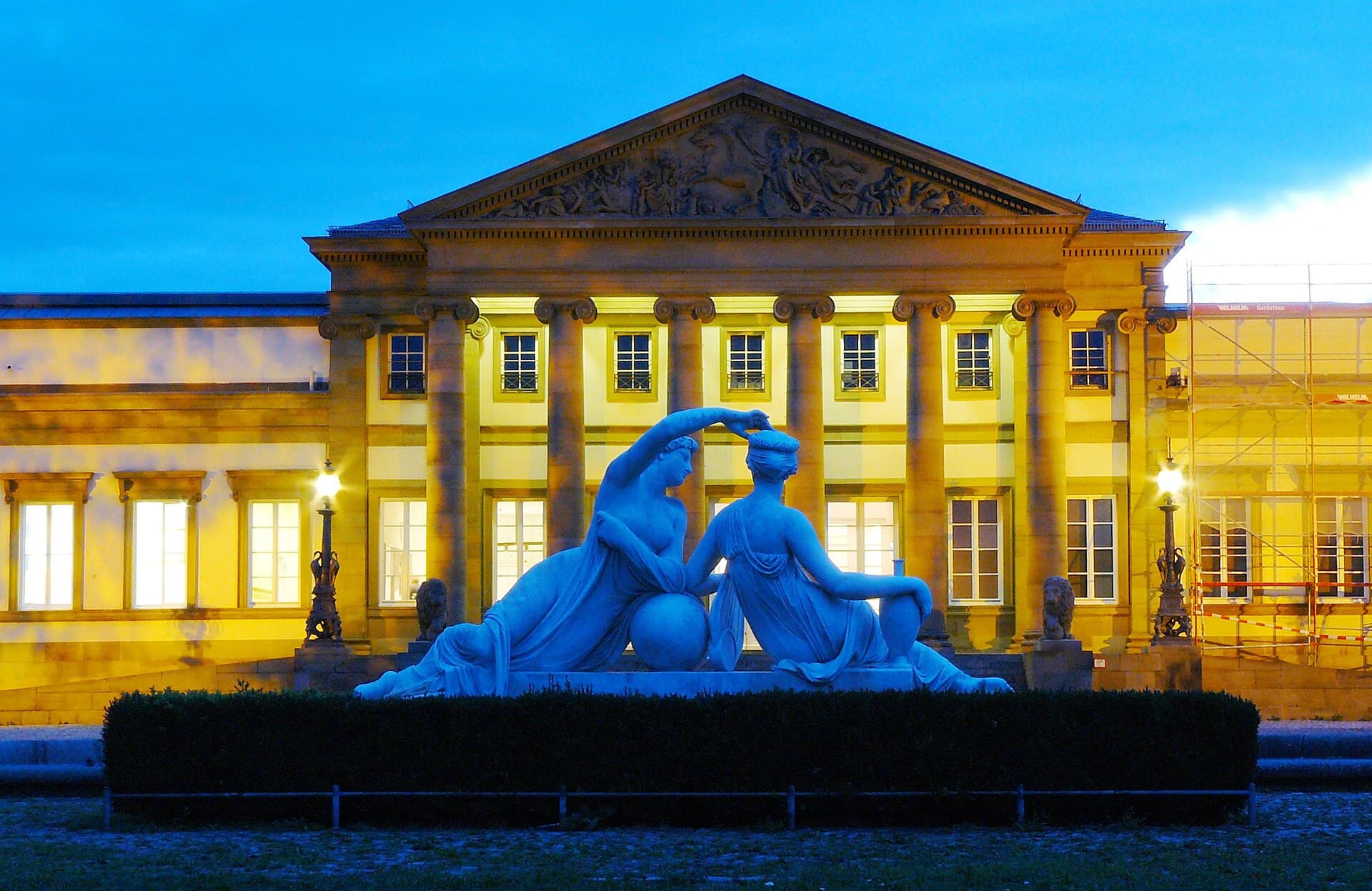 Rosenstein Castle Natural History MuseumRosenstein Castle is a nineteenth-century neoclassical building set in a large p20 minutes walk4.7
Because its shape reminded its designers of the tall pendulum wall clock known by that name: a long vertical cylinder on a base. The name was applied later rather than officially given, but it stuck to the engine Daimler patented in 1885 — the first internal combustion engine light and fast enough to move a vehicle.