
The Moorish palace
Arches, domes and fountain gardens from a king's Arabian Nights dream.
Gerd Eichmann — CC BY-SA 4.0 · Ludwig von Zanth, 1796-1857 — Public domain · Laserlicht — CC BY-SA 4.0 · Englandfan~commonswiki — CC BY-SA 4.0
The Wilhelma is a one-off: a combined zoo and botanical garden inside a royal palace, built by the King of Württemberg in the nineteenth century in Moorish-Andalusian style — horseshoe arches, domes and arabesque ornament among the leopard enclosures and ape houses. A German king dreamed of a palace from the Thousand and One Nights, and his dream became Europe's most beautiful historic zoo. It ranks among Germany's largest, with over eleven thousand animals and first-class modern sections, but its particular magic is the blend: you walk from the great-ape house into a Moorish garden with fountains, from the aquaria into a tropical house under royal glass a century and a half old. For an Arab visitor there is the surprise of familiarity: architecture recalling Morocco and Andalusia framing a full family day. Give it half a day at least — it deserves a whole one.
Arches, domes and fountain gardens from a king's Arabian Nights dream.
Gorillas and bonobos in one of Europe's most modern houses.
Tropics and orchids under a century and a half of glass.
Europe's oldest magnolia garden erupting pink each April.
Wilhelma 13, 70376 Stuttgart
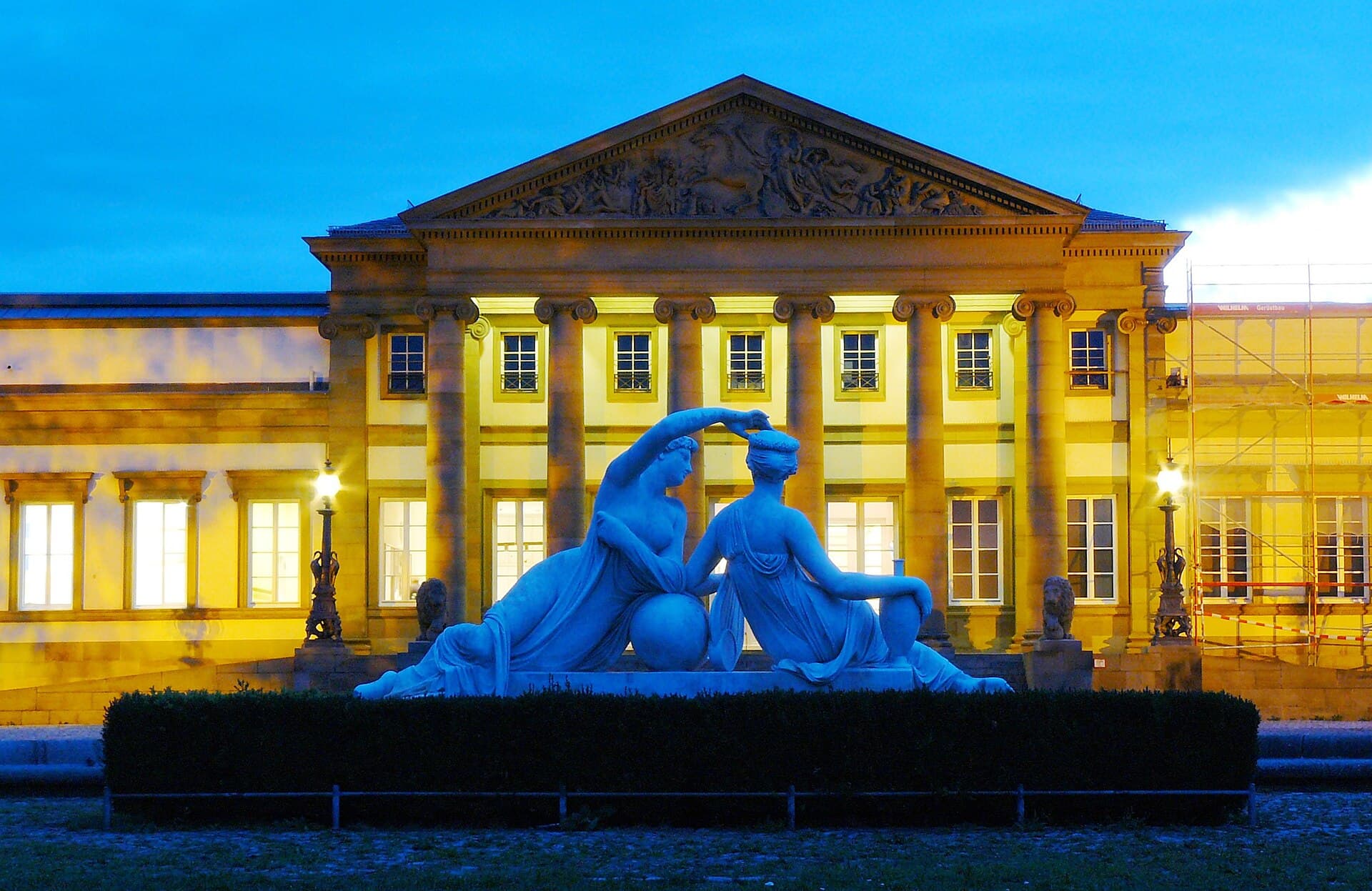 Rosenstein Castle Natural History MuseumRosenstein Castle is a nineteenth-century neoclassical building set in a large p6 minutes walk4.7
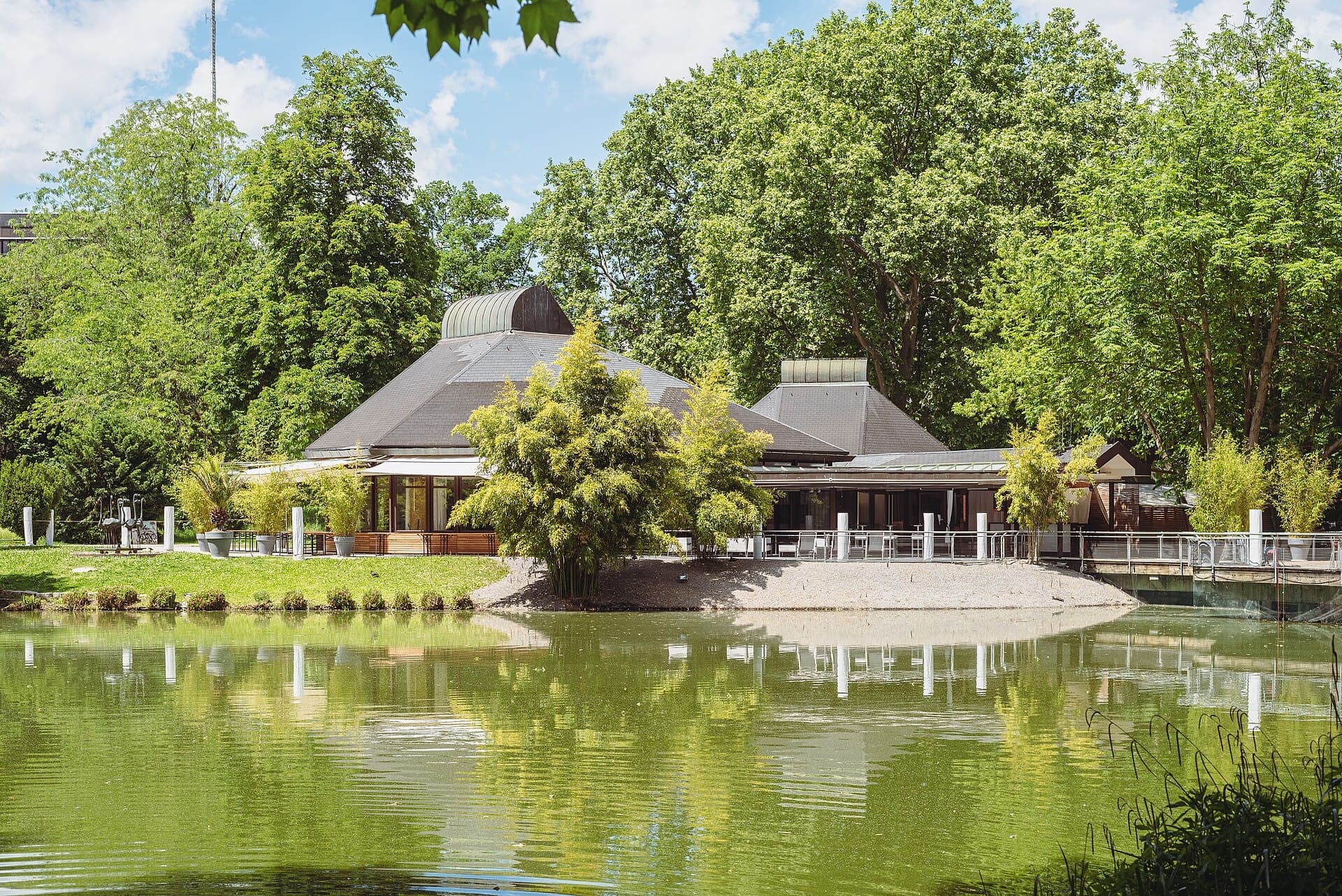 The Lower Palace GardensStuttgart's Schlossgarten is a long green ribbon running from the city centre to12 minutes walk4.4
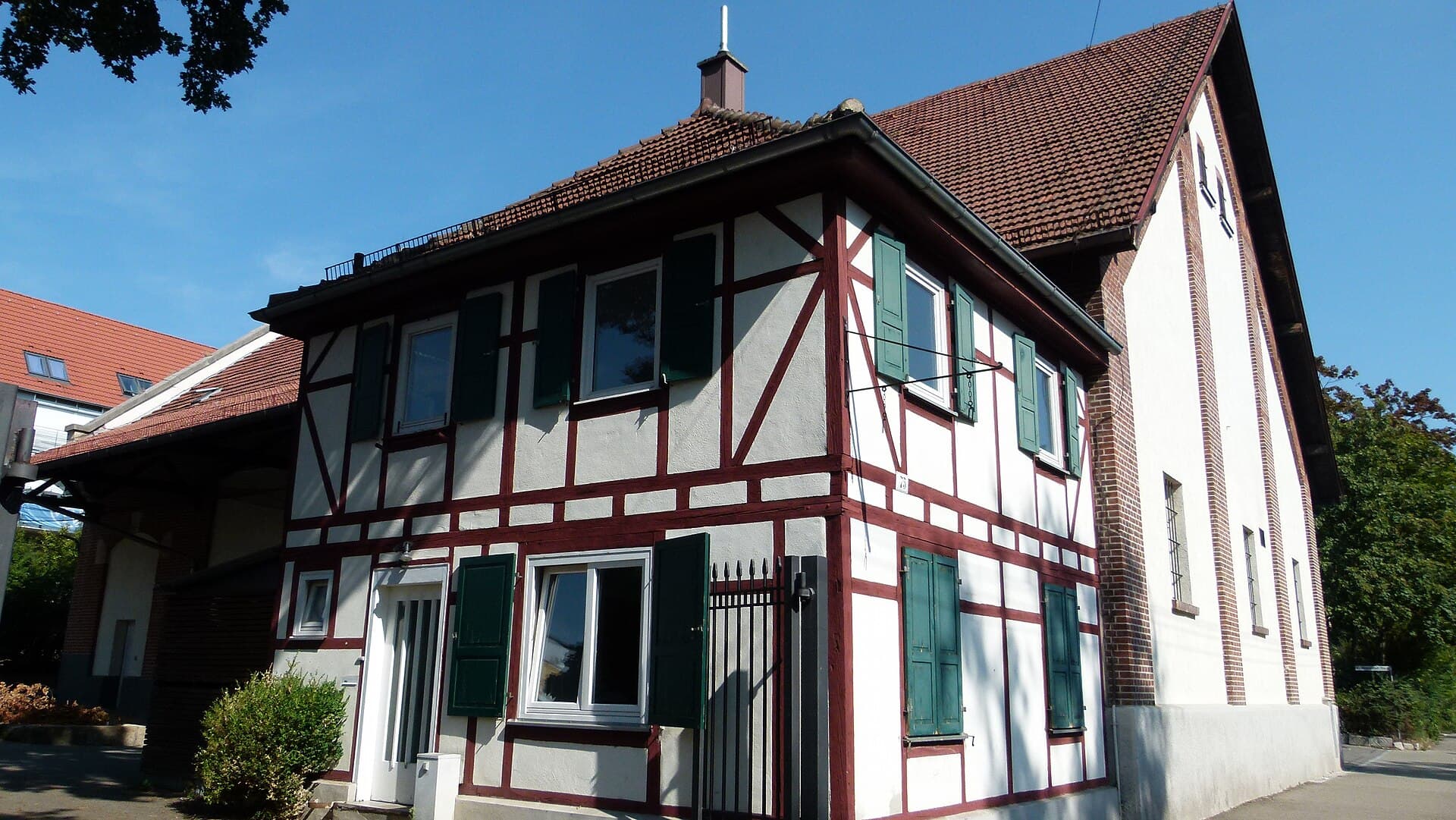 The Roman Fort at Bad CannstattThe Roman fort at Bad Cannstatt is Stuttgart's true origin: the Romans establish13 minutes walk4.3
 Stuttgart Tram WorldThe tram museum of the municipal transport company occupies the old Bad Cannstat14 minutes walk4.6
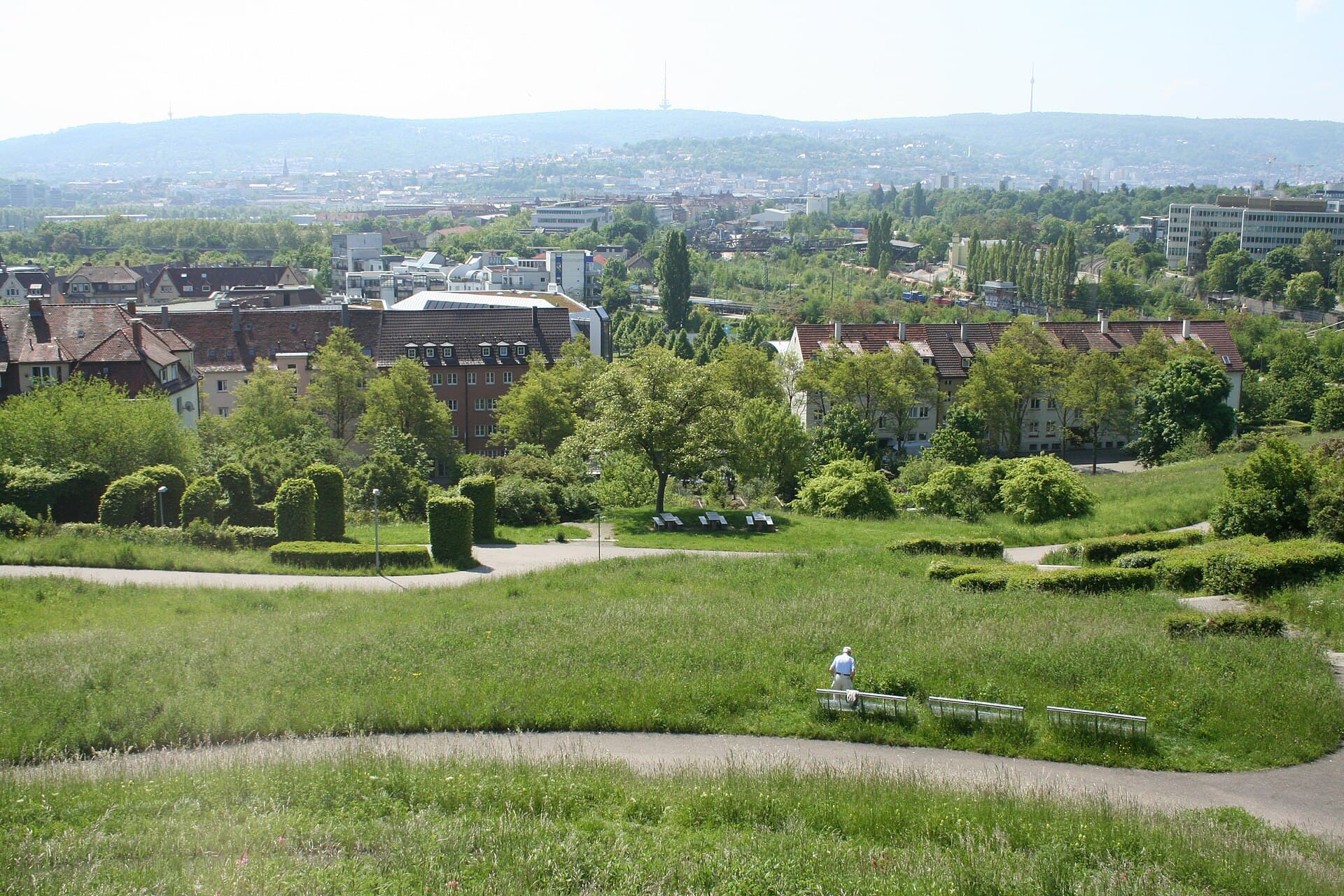 Leibfriedscher GartenThe Leibfriedscher Garten is a public park in northern Stuttgart, one link in a 17 minutes walk4.7
April is its own magic: magnolias at peak among the Moorish architecture — one of Germany's finest spring sights. Summer is fullest but busiest; any school-day morning is relatively calm.
Four hours is a sane minimum, a full day comfortable with children: the animal side alone is a major zoo, and palace plus glasshouses are a second complete experience. Take the map at entry and triage.
The nineteenth century was besotted with the Orient, and King Wilhelm I wanted an Alhambra of his own — a Moorish bath-palace and gardens of 1846. The animals came later and inherited the loveliest stage. The name is his own.